

TL;DR:
- Culinary city tours offer a story-driven exploration of local culture through food and community.
- Chef-led tours provide deeper authenticity, personalized storytelling, and support for local producers.
- The experience emphasizes understanding food origins, techniques, and cultural significance, beyond just tasting.
Most travellers assume a food tour means sitting at a long table with strangers, eating three courses, and calling it culture. That assumption misses almost everything. A culinary city tour is something far richer: a moving, story-driven journey through a city’s edible soul, led by someone who genuinely loves the place. You’re not just eating. You’re learning why a particular cheese is made only in one neighbourhood, or how a market stall has fed the same families for four generations. This guide breaks down what culinary city tours actually are, what makes them special, and how to get the absolute most from yours.
Table of Contents
- What is a culinary city tour?
- Behind the flavours: what makes these tours special?
- What you’ll taste and learn on a culinary city tour
- How to choose and get the most out of your culinary city tour
- Why typical travellers underestimate the power of culinary city tours
- Ready to experience your own culinary city adventure?
- Frequently asked questions
Key Takeaways
| Point | Details |
|---|---|
| Chef-led value | Culinary city tours offer far more than just food—they unlock local stories, skills, and culture. |
| Experience structure | Tours typically last 3–5 hours, feature small groups, and include ample tastings at several unique venues. |
| Maximise your adventure | Choose chef-led, sustainable tours and prepare thoughtfully for a rich, memorable culinary journey. |
| Application | Use this guide to select, book, and get the most from your next food-centric city experience. |
What is a culinary city tour?
At its core, a culinary city tour is a guided journey through a city where food becomes the lens for understanding local culture, history, and community. Rather than visiting monuments or museums, you move through markets, bakeries, wine bars, and hidden restaurants, tasting as you go. The culinary city tour concept is built around the idea that what a city eats tells you more about it than any guidebook ever could.
The structure is fairly consistent across the best tours. According to food tour research, tours typically involve small groups of 6 to 20 people, run for 3 to 5 hours, and include 5 to 7 tasting stops, which together provide enough food for a full meal. A knowledgeable local guide leads the group, sharing stories, context, and personal anecdotes between every bite.
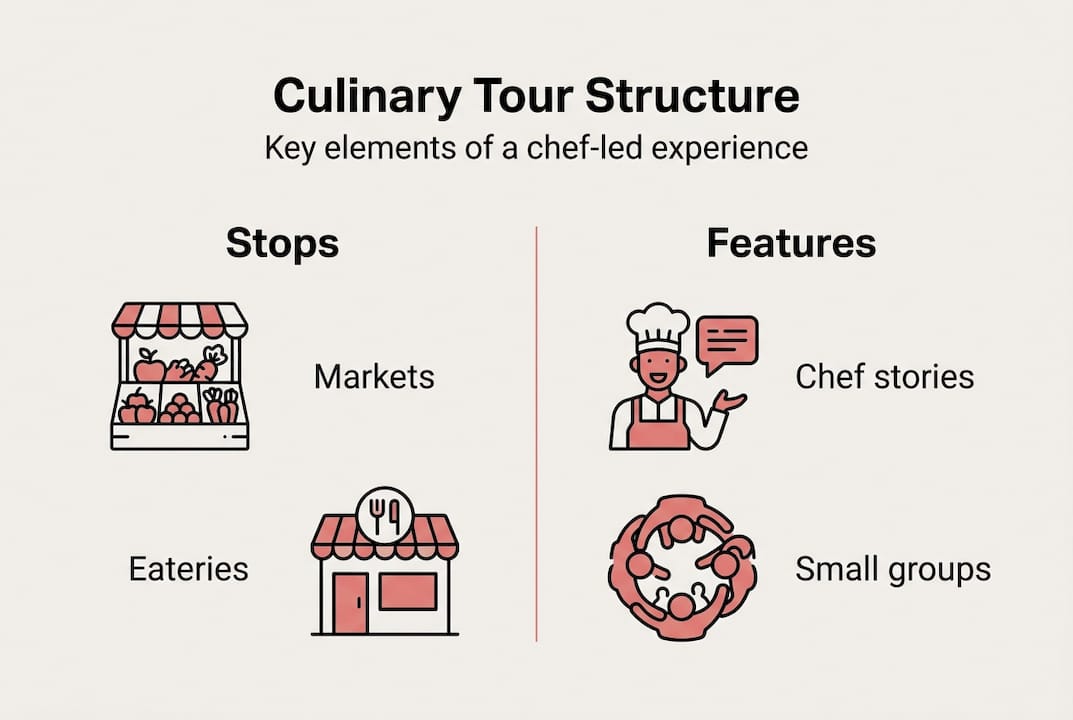
Here’s a quick look at what to expect:
| Element | Typical culinary city tour |
|---|---|
| Group size | 6 to 20 people |
| Duration | 3 to 5 hours |
| Tasting stops | 5 to 7 |
| Food quantity | Equivalent to a full meal |
| Guide type | Local expert or chef |
| Focus | Culture, history, and flavour |
When choosing a culinary city tour, it helps to know exactly what’s usually included. Most quality tours offer:
- Guided tastings at local restaurants, markets, and specialist food shops
- Behind-the-scenes access to kitchens or production areas
- Wine, beer, or spirit pairings at relevant stops
- Direct conversations with producers, bakers, or chefs
- Cultural and historical context woven into every stop
- A small, intimate group to encourage genuine interaction
Compared with standard sightseeing, a culinary tour moves at a human pace. You stop. You taste. You ask questions. There’s no rushing past a beautiful square to reach the next attraction. The food is the attraction. And when you explore top city food tour experiences, you quickly realise how much depth a well-crafted tour can hold.
Behind the flavours: what makes these tours special?
Understanding the basics, we can now explore what turns a standard tasting journey into an unforgettable, chef-led culinary city tour. The honest answer is: the person holding the spoon.
Chef-led tours operate on a completely different level to scripted walking tours with a laminated map. Chef-led tours emphasise technique, ingredient sourcing, and genuine relationships with local producers, rather than following a fixed script. When Chef PJ leads a tour through Paris, or Chef Crestani guides you through Seville, you’re not getting rehearsed facts. You’re getting personal passion.
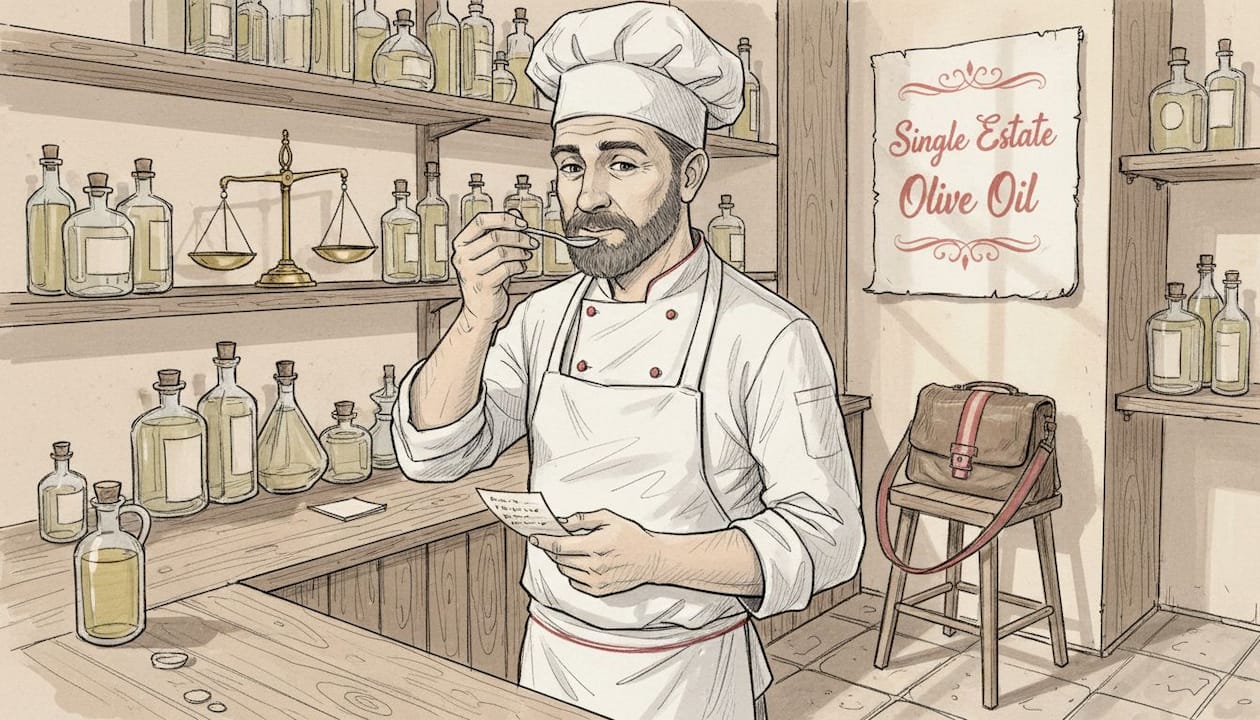
That distinction matters enormously. A chef notices things a regular guide simply won’t. They’ll spot which olive oil a restaurant is using and tell you exactly why it matters. They’ll introduce you to the fishmonger they’ve bought from for a decade. That kind of access is what makes chef-led tours different from anything else on the market.
There’s also a sustainability dimension worth noting. Chef-led tours tend to support local, independent businesses rather than funnelling tourists into large commercial venues. That means your visit directly benefits the baker, the cheesemonger, and the family-run wine bar. It’s authentic chef-guided tourism with a conscience.
| Feature | Chef-led tour | Standard food tour |
|---|---|---|
| Guide expertise | Professional chef | Trained guide |
| Storytelling depth | Personal and technical | General and scripted |
| Producer relationships | Long-standing and genuine | Often transactional |
| Sustainability focus | Strong | Variable |
| Adaptability | High, reflects chef’s passions | Low, fixed route |
Pro Tip: Look for tours that include a visit to the chef’s favourite market or a stop at a kitchen they know personally. These moments deliver the most authentic and memorable experiences of any culinary tour.
What you’ll taste and learn on a culinary city tour
With an understanding of chef-driven value, let’s explore what actually fills your plate and mind on a culinary city tour. The short answer: far more than you expect.
A typical tour moves through a variety of stops, each with its own personality. You might begin at a morning market, sampling fresh produce and cured meats. Then a bakery, where you taste bread still warm from the oven and learn why the fermentation process takes 48 hours. A wine bar follows, where the owner explains the difference between two bottles from the same region. By the time you reach the final stop, you’re full, fascinated, and slightly overwhelmed in the best possible way.
The step-by-step tour experience also includes hands-on moments that go beyond passive tasting. You might watch a chef break down a dish tableside, or learn how to identify quality ingredients by smell and texture. In Paris and Seville especially, the must-try food experiences are woven into the tour’s narrative, giving each bite a story.
“The best food tours don’t just feed you. They change the way you see a city. Every stop is a chapter, and by the end, you understand the place in a way no museum could teach you.”
Here’s what you’ll typically take away from each stop on a well-run culinary city tour:
- The cultural or historical origin of the dish or ingredient
- How it’s made, sourced, or selected by local producers
- Why it matters to the community or region
- A pairing suggestion or serving tradition you can recreate at home
- A personal recommendation from the chef for where to return independently
As food tour data confirms, the 5 to 7 tasting stops across 3 to 5 hours create a rhythm that feels natural rather than rushed, giving you time to absorb both the flavour and the story behind it.
How to choose and get the most out of your culinary city tour
You’re nearly ready for your tour. Next comes making the right choice and ensuring the richest experience possible.
Start with group size. Smaller groups mean more access, more conversation, and more flexibility. A tour with 8 people feels completely different to one with 20. You want the guide to know your name, not just your ticket number. Finding authentic culinary tours means prioritising tours where the guide is genuinely embedded in the local food scene, not just reading from a script.
Also consider the chef-led factor. As research confirms, chef-led experiences emphasise sourcing, technique, and real producer relationships. That depth is hard to replicate with a standard guide. And as tour structure data shows, the best tours balance 5 to 7 stops across 3 to 5 hours, keeping energy high without exhausting the group.
Here’s how to prepare before you go:
- Note any dietary restrictions and communicate them when booking
- Wear comfortable shoes. You’ll be walking and standing for hours
- Arrive slightly hungry. Not starving, but ready to taste properly
- Bring a small notebook or use your phone to jot down names of dishes and producers
- Prepare two or three questions for your guide about local food culture
- Avoid heavy meals the morning of your tour
You can also think about customising your food tour experience in advance, particularly if you have a specific interest such as wine, pastry, or street food. Many of the best operators are happy to tailor the route.
Pro Tip: Book a tour that finishes in a neighbourhood you haven’t explored yet. That way, you can wander independently after the tastings end, revisiting a spot the chef mentioned or simply soaking up the atmosphere with fresh eyes.
Why typical travellers underestimate the power of culinary city tours
Having explored the mechanics and magic of these tours, here’s something worth saying plainly: most people book a food tour thinking it’s a pleasant way to eat lunch. They leave having understood something about a city they couldn’t have found in any other way. That gap between expectation and reality is where the real value lives.
The food is never really the point. It’s the context around the food. It’s the chef explaining why a particular spice arrived in Seville via trade routes centuries ago. It’s standing in a Berlin market with Chef Karl Wilder and realising that what’s in front of you is living history. These moments don’t happen at restaurants. They happen when someone who genuinely cares about a place decides to share it with you.
Our honest view, shaped by years of running Paris food tour experiences and beyond, is this: treat your culinary city tour as a cultural deep dive, not a checklist meal. Ask the big questions. Linger at the stops that fascinate you. Let the chef’s enthusiasm become your own. That’s when a good tour becomes an unforgettable one.
Ready to experience your own culinary city adventure?
If the idea of tasting your way through Paris with Chef PJ, exploring Seville’s hidden tapas bars with Chef Crestani, or discovering Berlin and Mexico City with Chef Karl Wilder sounds like your kind of travel, you’re in exactly the right place.
At The Chef Tours, we specialise in culinary experiences abroad that go far beyond the ordinary. Every tour is built around genuine chef expertise, real local relationships, and a passion for sharing the stories behind great food. You can explore what makes our chef-led tours different, or browse our full range of food tours in Paris and beyond. Your next great meal is also your next great story.
Frequently asked questions
How long does a typical culinary city tour last?
Most tours run for three to five hours, covering five to seven tasting stops that together provide enough food for a full meal. The pace is relaxed and conversational rather than rushed.
Are chef-led culinary tours better than regular food tours?
Chef-led tours typically offer far deeper insight, personal storytelling, and a stronger focus on authenticity than standard scripted tours. As research highlights, they emphasise technique, sourcing, and genuine producer relationships that standard guides simply cannot replicate.
Do culinary city tours accommodate dietary restrictions?
Many tours can accommodate vegetarian diets or common allergies if you notify the operator in advance, but it’s always worth checking the specific details at the time of booking to avoid any surprises on the day.
What should I bring on a culinary city tour?
Wear comfortable shoes, bring a small bottle of water, and come prepared with a few questions about local food traditions. An open appetite and genuine curiosity are the most useful things you can carry.