

Berlin’s culinary scene extends far beyond the well-trodden tourist routes, yet many visitors struggle to uncover the truly authentic dining experiences locals treasure. Hidden in back courtyards, former garages, and unassuming side streets, the city’s most characterful food spots remain largely invisible to guidebook-following travellers. This guide reveals the criteria for identifying genuine hidden gems, spotlights iconic venues across diverse neighbourhoods, and shows you how chef-led tours unlock access to Berlin’s secret culinary world. Whether you’re seeking Peruvian comfort food in Kreuzberg or historic Baumkuchen in Moabit, understanding where locals actually eat transforms your Berlin food adventure from ordinary to extraordinary.
Table of Contents
- Key takeaways
- Criteria for selecting hidden food spots in Berlin
- Spotlight on iconic hidden venues in Berlin
- Comparing hidden food venues in Berlin: ambience, cuisine and price
- Making the most of Berlin’s hidden food spots with local tours and tips
- Explore authentic culinary experiences with The Chef Tours
- Frequently asked questions
Key Takeaways
| Point | Details |
|---|---|
| Authenticity via location | Berlin’s genuine hidden food venues are centred in back courtyards and garage settings away from the tourist strip, guiding locals to the most authentic experiences. |
| Chef driven concepts | Hidden gems are typically owner operated with menus shaped by the chef’s vision and market availability rather than corporate planning. |
| Affordable quality | Economic shifts have pushed locals toward budget friendly comfort food that remains high in quality. |
| Community validation | Strong recommendations come from hyperlocal blogs and neighbourly word of mouth rather than international guidebooks. |
| Plan ahead | Booking ahead and consulting local blogs enhances access to hidden venues and enriches the Berlin food experience. |
Criteria for selecting hidden food spots in Berlin
Finding authentic hidden food venues in Berlin requires knowing what separates genuine local favourites from places merely marketed as “secret.” The city’s most treasured dining spots share several defining characteristics that culinary tourists should prioritise when planning their food adventures.
Authenticity begins with location. Berlin’s hidden food scene thrives in back courtyards and garage settings with local community ties, far from main thoroughfares where tourist-focused restaurants cluster. These Hinterhöfe venues often occupy former industrial spaces, traditional butcheries, or residential courtyards accessible only to those who know where to look. The physical setting itself signals authenticity: if you’re navigating through a residential building’s passageway or entering what appears to be someone’s garage, you’re likely onto something special.
Chef-driven concepts matter enormously. Hidden gems typically feature owner-operators or small teams passionate about specific culinary traditions, whether that’s Peruvian-American fusion, traditional German butchery fare, or seasonal regional cooking. These aren’t corporate ventures but personal projects where the chef’s vision shapes every menu decision. You’ll notice this in limited opening hours, small seating capacities, and menus that change based on market availability rather than corporate planning cycles.
Affordability has become increasingly important. Economic factors including VAT adjustments and reduced tourist numbers have shifted local dining preferences towards budget-friendly comfort food over expensive fine dining experiences. The best hidden spots offer exceptional quality at approachable price points, making them sustainable choices for locals who eat there regularly rather than special-occasion destinations.
Community reputation provides the strongest validation. Venues recommended on hyperlocal blogs, neighbourhood Facebook groups, or word-of-mouth networks prove their worth through sustained local patronage. When researching, prioritise sources written by Berlin residents rather than international travel sites. For practical planning strategies, explore these essential travel hacks for Berlin food lovers to maximise your culinary discoveries.
Pro Tip: Download the Spotted by Locals app before arriving in Berlin. Local contributors update recommendations monthly, highlighting newly opened hidden spots before they appear in traditional guidebooks.
Spotlight on iconic hidden venues in Berlin
Several standout venues exemplify what makes Berlin’s hidden food scene so compelling. Each offers distinct culinary experiences whilst embodying the characteristics that define authentic local dining.
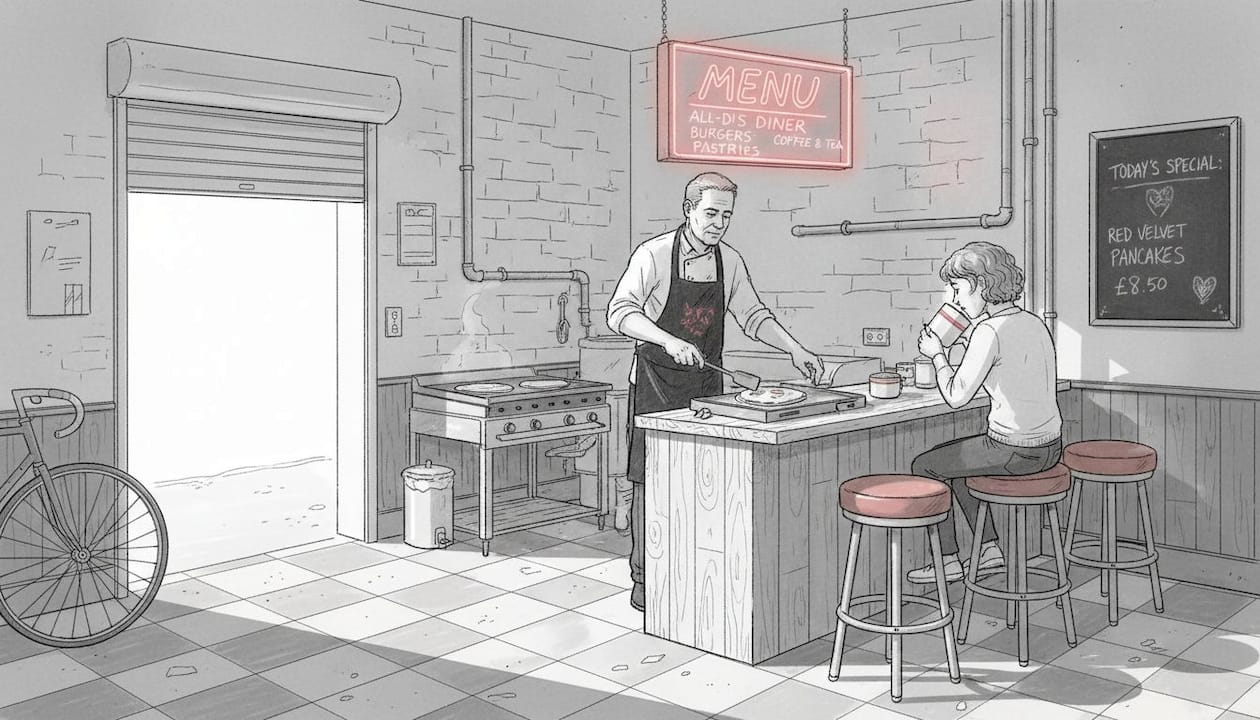
Ari’s Diner transforms a former Kreuzberg garage into an intimate Peruvian-American comfort food haven. Ari’s Diner in Kreuzberg is a hidden Peruvian-American diner praised for comfort food twists, serving dishes like lomo saltado alongside creative breakfast plates. The space seats barely twenty people, creating an atmosphere more reminiscent of eating in someone’s home than a commercial restaurant. Regulars rave about the weekend brunch, though securing a table requires booking several days ahead.
Domke Niko occupies a working butchery in Prenzlauer Berg, where Domke Niko serves hearty German classics in a butcher shop setting, popular amongst locals during inflation. The menu focuses on traditional preparations: schnitzel, sausages, and seasonal stews made from meat butchered on-site. Prices remain remarkably reasonable given the quality, reflecting the venue’s commitment to serving neighbourhood residents rather than chasing tourist euros. The communal seating encourages conversation with fellow diners, enhancing the local experience.
Konditorei G. Buchwald in Moabit represents Berlin’s historic baking traditions. Konditorei Buchwald in Moabit has historic Baumkuchen using a secret recipe since 1852, making it one of the city’s oldest continuously operating bakeries. The shop’s modest exterior belies its legendary status amongst Berliners who travel across the city for authentic Baumkuchen prepared using traditional rotating spit methods. The cosy interior with vintage décor transports visitors to earlier eras of Berlin café culture.
Krautzig Berlin in Pankow channels nostalgic East German bakery traditions with modern sensibilities. Traditional pastries sit alongside contemporary interpretations, all made with organic ingredients sourced from regional suppliers. The venue’s location in a quiet residential street means most customers are neighbourhood locals picking up daily bread rather than tourists seeking Instagram moments.
Pluto wine bar in Neukölln offers refined small plates in a deliberately low-key setting. The focus remains squarely on natural wines paired with seasonal snacks rather than elaborate presentations. This approach attracts wine enthusiasts seeking quality without pretension, creating a relaxed atmosphere where conversation flows as freely as the wine.
Bollenpiepe showcases seasonal, regional ingredients with extensive vegan options, reflecting Berlin’s plant-forward dining culture. Located in a garden allotment setting, the venue operates seasonally and requires advance booking due to its tiny capacity. The menu changes weekly based on what’s available from local farms and foragers.
For deeper exploration of Berlin’s culinary traditions, discover these must-try local dishes in Berlin and learn about the talented individuals behind the city’s food renaissance by exploring how to discover Berlin’s hot chefs.
Comparing hidden food venues in Berlin: ambience, cuisine and price
Understanding how these venues compare helps you select options matching your preferences and budget. Each offers distinct advantages depending on what you value most in a dining experience.
| Venue | Cuisine Type | Ambience | Price Range | Booking Essential | Transport |
|---|---|---|---|---|---|
| Ari’s Diner | Peruvian-American | Casual garage conversion | €10-18 per dish | Yes, days ahead | U-Bahn Görlitzer Bahnhof |
| Domke Niko | Traditional German | Working butchery | €8-15 per dish | Recommended | U-Bahn Eberswalder Straße |
| Konditorei Buchwald | Historic bakery | Vintage café | €3-8 per item | No, but queues likely | U-Bahn Turmstraße |
| Krautzig Berlin | Modern German bakery | Neighbourhood shop | €2-6 per item | No | Tram M1 Pankow |
| Pluto | Natural wine bar | Minimalist, intimate | €15-25 with wine | Advisable evenings | U-Bahn Rathaus Neukölln |
| Bollenpiepe | Seasonal vegan | Garden allotment | €12-20 per dish | Essential | S-Bahn varies by season |
The comparison reveals clear patterns. Budget-conscious travellers will find exceptional value at Domke Niko and the bakeries, where quality far exceeds prices. Those seeking unique atmospheres should prioritise Ari’s Diner or Bollenpiepe, where the settings themselves form part of the experience. Wine enthusiasts naturally gravitate towards Pluto, whilst history lovers shouldn’t miss Konditorei Buchwald’s connection to 19th-century Berlin.
Locals favour approachable diners over fine dining amid 2025 economic shifts such as VAT hikes and fewer tourists, explaining why these hidden spots maintain strong neighbourhood followings despite economic pressures. The communal atmosphere in many venues adds value beyond the food itself, creating opportunities to connect with Berliners and fellow food enthusiasts.
Accessibility varies significantly. Venues in Kreuzberg and Neukölln benefit from excellent public transport links, whilst allotment locations may require more complex journeys. Weather affects outdoor venues like Bollenpiepe, which may close during harsh winter periods. Always confirm opening hours before travelling, as many hidden spots maintain irregular schedules based on ingredient availability or chef availability.
Pro Tip: Visit bakeries like Konditorei Buchwald mid-morning on weekdays to avoid weekend crowds whilst ensuring the day’s full selection remains available. Arrive too early and some items won’t be ready; too late and popular items sell out.
To connect with the culinary minds shaping Berlin’s food culture, explore insights from The Berlin food tour cooks who guide visitors through these hidden neighbourhoods.
Making the most of Berlin’s hidden food spots with local tours and tips
Maximising your experience of Berlin’s secret culinary world requires strategic planning and local knowledge. Several approaches help you discover and access venues that remain invisible to casual visitors.
Research through hyperlocal sources before arriving. Platforms like Spotted by Locals, Berlin Food Stories, and neighbourhood-specific blogs provide current recommendations from residents. These sources update regularly, highlighting newly opened spots and noting when established favourites close or relocate.
Book chef-led food tours for guaranteed access to otherwise difficult venues. Professional guides maintain relationships with hidden spot owners, securing reservations and sometimes accessing spaces not open to walk-in customers. Tours also provide cultural context and neighbourhood history that enriches the dining experience beyond the food itself.
Communicate dietary requirements when booking any small venue. Small venues require booking in advance and specifying allergies, with tours adapting to weather and availability. Unlike large restaurants with extensive menus, hidden spots often prepare limited dishes daily, making advance notice essential for accommodating restrictions.
Plan around seasonal factors affecting outdoor and allotment venues. Summer offers the fullest range of options, including garden locations that close during winter. However, cosy indoor spots like Domke Niko shine during colder months when hearty German classics feel most appropriate.
Learn basic German phrases for food contexts. Whilst many Berliners speak English, hidden spots in residential neighbourhoods may have staff less comfortable with English. Knowing how to ask about ingredients, express preferences, and show appreciation enhances interactions and demonstrates respect for local culture.
Allow flexibility in your schedule since hidden venues sometimes close unexpectedly due to ingredient shortages, chef illness, or private events. Having backup options prevents disappointment whilst maintaining the spontaneity that makes exploring Berlin’s food scene exciting.
Engage with other diners at communal tables. The social atmosphere in many hidden spots creates natural opportunities for recommendations and discoveries. Berliners generally appreciate genuine interest in their city’s food culture and often share insider tips with enthusiastic visitors.
For comprehensive guidance on discovering authentic food experiences beyond mainstream options, review strategies for how to find local food tours that prioritise genuine cultural immersion. Additionally, practical preparation using travel hacks for Berlin food lovers ensures you navigate the city’s culinary landscape efficiently.
Pro Tip: Join a morning tour that visits multiple hidden spots for tastings rather than full meals. This approach lets you sample diverse venues in one outing whilst leaving evenings free for returning to favourites you discovered during the tour.
Explore authentic culinary experiences with The Chef Tours
Navigating Berlin’s hidden food scene becomes effortless when you join expert-guided culinary tours designed specifically for food enthusiasts seeking authentic local experiences. The Chef Tours connects you with Chef Karl Wilder, Berlin’s culinary insider who reveals secret venues, neighbourhood stories, and cultural context that transform simple meals into memorable cultural exchanges.
Our carefully curated experiences provide exclusive access to Hinterhöfe eateries, traditional butcheries, and chef-owned venues that rarely appear in guidebooks. Small group sizes ensure personalised attention, whilst flexible itineraries accommodate dietary preferences and specific culinary interests. Whether you’re exploring Kreuzberg’s garage diners or Moabit’s historic bakeries, our tours eliminate the guesswork whilst preserving the excitement of discovery. From first-time visitors to returning Berlin enthusiasts, our culinary experiences to try cater to all levels of food knowledge. Explore our comprehensive Berlin food tours or learn more about finding local food tours that deliver genuine insider access to the city’s most treasured culinary secrets.
Frequently asked questions
What are the best neighbourhoods to find hidden food spots in Berlin?
Kreuzberg, Neukölln, Prenzlauer Berg, Moabit, and Pankow consistently offer the highest concentration of authentic hidden dining venues. These districts feature converted courtyards, former industrial spaces, and residential buildings where local chefs operate intimate eateries serving neighbourhood communities. Each area maintains distinct culinary character, from Kreuzberg’s international fusion to Pankow’s traditional German bakeries.
How can I book a table at small hidden eateries in Berlin?
Booking ahead via phone or through recommendations on local food blogs proves essential due to extremely limited seating capacities. Many hidden spots don’t use online reservation systems, requiring direct phone contact or messages through social media. Specify any dietary requirements, allergies, or preferences when booking, as small kitchens prepare limited dishes daily and need advance notice to accommodate restrictions.
Are there vegetarian or vegan options at Berlin’s hidden food spots?
Many hidden venues offer excellent vegetarian and vegan options, particularly those emphasising seasonal, regional ingredients from local suppliers. Berlin’s strong plant-based dining culture means even traditional German eateries increasingly provide vegan alternatives. Always mention dietary preferences when booking to ensure the kitchen can prepare suitable dishes, especially at butcheries or meat-focused venues where vegan options may require special preparation.
What should I expect from chef-led culinary tours in Berlin?
Chef-led tours provide guided visits to multiple hidden venues with curated tasting menus, cultural storytelling, and direct interaction with local food artisans. Tours offer insider access to courtyards and venues not typically open to walk-in customers, whilst guides share neighbourhood history and culinary traditions that contextualise each tasting. Most tours accommodate dietary needs when specified during booking and adapt itineraries based on seasonal availability and weather conditions. Discover various culinary experiences tailored to different interests and dietary preferences.