

Preparing for a culinary adventure abroad involves more than booking flights and hotels. You need a strategic approach to ensure every tasting, market visit, and chef-led experience runs smoothly. Without proper planning, you risk missing essential items, overlooking dietary requirements, or selecting tours that don’t match your interests. This comprehensive checklist guides you through the key criteria, practical items, and insider tips that transform a good food trip into an unforgettable culinary journey with local experts.
Table of Contents
- Essential Criteria For Preparing Your Culinary Travel Checklist
- Key Items To Include In Your Culinary Travel Essentials
- Comparing Types Of Culinary Experiences And Tours
- Practical Tips And Safety Considerations For Culinary Travellers
- Discover Exclusive Culinary Experiences With The Chef Tours
- Frequently Asked Questions
Key takeaways
| Point | Details |
|---|---|
| Comprehensive planning | Cover goals, destinations, budget, and dietary needs before departure |
| Essential packing | Include documents, health items, suitable clothing, and culinary gear |
| Tour selection | Choose chef-led experiences for authentic insider access and cultural immersion |
| Safety measures | Prepare allergy information, hygiene practices, and cultural awareness |
| Expert guidance | Work with local chefs who reveal hidden venues and regional specialities |
Essential criteria for preparing your culinary travel checklist
Before packing a single item, you must establish what you want from your culinary journey. Are you seeking hands-on cooking skills, rare ingredient discoveries, or deep cultural immersion through food? Each goal shapes your entire trip. Setting clear goals and selecting destinations that offer authentic culinary experiences improves travel satisfaction significantly.
Your destination choice matters enormously. Cities like Paris, Seville, Istanbul, Berlin, and Mexico City offer vibrant food scenes with expert local chefs who provide genuine insider access. Research each location’s culinary reputation, seasonal availability of ingredients, and the types of experiences available. Some cities excel at street food culture, whilst others shine through fine dining innovation or traditional market experiences.
Budget planning requires honesty about your financial comfort zone. Factor in tour costs, spontaneous meals at discovered restaurants, cooking class fees, and ingredient purchases you’ll want to bring home. Quality culinary experiences often command premium prices, but they deliver value through exclusive access and expert guidance that standard tours cannot match.
Dietary considerations deserve early attention. Whether you follow specific restrictions or embrace adventurous eating, communicate your preferences clearly when booking tours and experiences. Many culinary travellers discover their willingness to try unfamiliar foods increases when guided by knowledgeable local chefs who explain preparation methods and cultural significance.
Pro tip: Create a simple spreadsheet listing your top three culinary goals, preferred cities, realistic budget range, and any dietary requirements. This document becomes your decision-making compass throughout the planning process.
“The best culinary journeys begin with clarity about what you hope to taste, learn, and experience. Without this foundation, you’re simply eating abroad rather than truly exploring food culture.”
Key items to include in your culinary travel essentials
Your physical preparation determines how smoothly your culinary adventure unfolds. Start with documentation: valid passport, necessary visas, comprehensive travel insurance that covers food-related illness, and printed copies of all tour confirmations. Keep digital backups accessible offline through your phone or tablet.
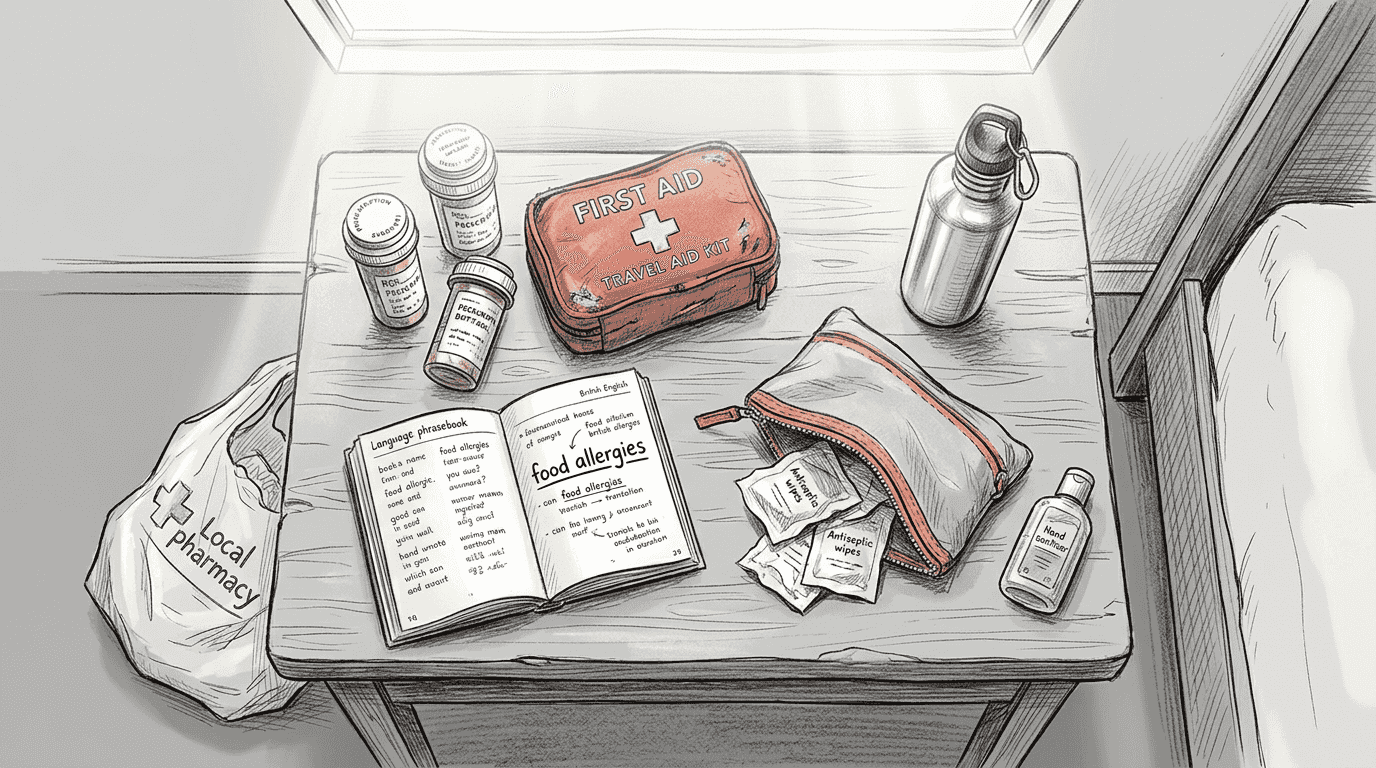
Health essentials protect your wellbeing throughout the journey. Pack prescribed medications in original containers, general remedies for digestive upset, quality hand sanitiser, and detailed allergy information cards. Bringing essential documents and appropriate gear enhances ease and safety during culinary explorations considerably.
Clothing choices should balance comfort with appropriateness for various venues. You’ll likely visit upscale restaurants, bustling markets, and hands-on cooking spaces. Comfortable walking shoes are non-negotiable, as food tours often cover significant distances. Layer clothing to adapt to temperature changes between outdoor markets and air-conditioned dining rooms.
Specialised culinary gear enhances your experience without weighing you down:
- Reusable water bottle to stay hydrated between tastings
- Portable utensils for street food sampling
- Small notebook and quality pen for recipe notes and recommendations
- Phone with adequate storage for food photography
- Lightweight day bag that keeps hands free during market visits
- Currency in local denominations for small vendor purchases
Pro tip: Pack a small mesh bag specifically for ingredient purchases at markets. It compresses when empty but expands to hold spices, oils, or other treasures you’ll want to bring home legally through customs.
Comparing types of culinary experiences and tours
Understanding the spectrum of available culinary experiences helps you select options aligned with your interests and travel style. Each format offers distinct advantages depending on what you value most. Different culinary tours offer unique engagement levels with local chefs and food culture, affecting traveller satisfaction significantly.
Chef-led tours provide unparalleled behind-the-scenes access to restaurant kitchens, supplier relationships, and preparation techniques that remain hidden from typical tourists. Expert chefs share stories about ingredient sourcing, traditional methods, and modern innovations whilst guiding you through carefully selected venues. These experiences prioritise quality over quantity, focusing on meaningful interactions rather than rushing through numerous stops.
Market tours immerse you in the daily rhythm of local food culture. You’ll learn to identify quality produce, understand seasonal availability, and observe how chefs select ingredients for their kitchens. Many market tours include cooking demonstrations or tastings that showcase how raw ingredients transform into regional specialities.
| Experience Type | Duration | Group Size | Skill Level | Primary Focus |
|---|---|---|---|---|
| Chef-led tour | 3-4 hours | 6-10 people | Any | Insider access and cultural context |
| Market visit | 2-3 hours | 8-12 people | Any | Ingredient knowledge and sourcing |
| Cooking class | 3-5 hours | 6-12 people | Beginner to advanced | Hands-on technique development |
| Tasting menu | 2-4 hours | Varies | Any | Regional specialities and wine pairing |
Cooking classes offer hands-on skill development that you can replicate at home. Under chef guidance, you’ll prepare traditional dishes using authentic techniques and local ingredients. These sessions often conclude with enjoying the meal you’ve created, providing immediate satisfaction and lasting knowledge.
Tasting menus present regional specialities in thoughtfully curated sequences that tell culinary stories through progression of flavours, textures, and preparations. Paired with local wines or beverages, these experiences showcase a region’s gastronomic identity through its finest expressions.
Practical tips and safety considerations for culinary travellers
Safe and respectful culinary travel requires awareness of both health considerations and cultural norms. Your preparation in these areas directly impacts your ability to fully engage with local food culture whilst protecting your wellbeing.
Food allergies demand proactive communication. Disclose all allergies clearly to tour guides and chefs before experiences begin, not when dishes arrive. Many travellers carry allergy cards translated into local languages, providing precise information about restricted ingredients. This simple tool prevents dangerous misunderstandings and demonstrates respect for the chef’s need to accommodate you properly.
Hygiene practices maintain your health throughout intensive food sampling. Adherence to food safety and cultural etiquette enhances travel experience and reduces risks substantially. Wash hands thoroughly before meals and after market visits, use hand sanitiser when water isn’t available, and observe food handling practices at venues before consuming items.
Cultural etiquette varies significantly across culinary destinations. Research basic dining customs for your chosen city: appropriate utensil use, acceptable ways to decline food, tipping expectations, and photography permissions. Showing respect for local traditions opens doors to deeper cultural exchange and more authentic experiences.
Additional safety considerations include:
- Stay hydrated between tastings to maintain energy and palate clarity
- Pace yourself during multi-course experiences to avoid overwhelming your digestive system
- Trust your instincts about food safety at unfamiliar venues
- Keep emergency contact information for your accommodation and local medical facilities accessible
- Understand local emergency numbers and basic phrases for requesting help
“The most memorable culinary adventures happen when travellers balance adventurous curiosity with sensible precautions. This approach allows you to explore confidently whilst respecting both your body’s limits and local cultural norms.”
Discover exclusive culinary experiences with The Chef Tours
Your culinary travel checklist preparation leads naturally to selecting experiences that deliver authentic insider access with expert local chefs. The Chef Tours specialises in precisely these transformative food journeys across major culinary capitals.
Explore chef-led tours in Paris with Chef PJ, who reveals the finest shops and restaurants that define Parisian cuisine. In Seville, Chef Crestani guides you through Andalusian culinary traditions with exclusive access to hidden venues. Chef Karl Wilder leads immersive experiences in both Berlin’s innovative food scene and Mexico City’s rich gastronomic heritage. Each tour prioritises small groups, personalised attention, and genuine cultural immersion that standard tours cannot replicate.
Discover culinary experiences worth trying that match your interests, understand the chef-led food tours difference through insider perspectives, and begin planning your culinary vacation for authentic experiences that create lasting memories. Your next unforgettable food adventure awaits with expert chefs who share their cities’ culinary secrets.
Frequently asked questions
What should I include on a culinary travel checklist?
Your checklist must cover essential documentation including passport, visas, travel insurance, and tour confirmations. Pack health items like medications, allergy information cards, and hand sanitiser. Include suitable clothing for various venues, comfortable walking shoes, and culinary-specific gear such as a notebook, reusable water bottle, and portable utensils. Reserve your chosen culinary tours well in advance to secure spots with expert local chefs.
How do I choose the best culinary tour?
Consider your primary interests, whether that’s hands-on cooking, ingredient sourcing, or tasting experiences. Evaluate tour styles based on group size, duration, and level of chef interaction. Look for chef-led options that provide genuine insider access rather than standard tourist routes. Read reviews from previous participants and verify the guide’s local expertise and culinary credentials before booking.
What are key safety tips for culinary travellers?
Carry detailed allergy information in the local language and disclose restrictions to guides before tours begin. Practise consistent hand hygiene throughout your travels, especially before eating and after market visits. Respect local food customs and preparation methods whilst communicating dietary needs clearly. Stay hydrated, pace yourself during multi-course experiences, and trust your instincts about food safety at unfamiliar venues.
How far in advance should I book culinary tours?
Book chef-led experiences at least four to six weeks before your travel dates to secure preferred times and ensure availability. Popular tours in major food capitals often fill quickly, especially during peak tourist seasons. Early booking also allows time to communicate dietary requirements and receive personalised recommendations from tour operators about complementary experiences.
What should I do with recipes and notes from culinary tours?
Organise recipe notes and chef recommendations immediately after each experience whilst details remain fresh. Photograph recipe cards, ingredient lists, and preparation techniques for future reference. Create a digital folder or physical notebook dedicated to your culinary journey, including restaurant names, dish descriptions, and wine pairings. Many travellers find these notes invaluable for recreating experiences at home and planning return visits.