

TL;DR:
- Local chefs serve as cultural translators, revealing history and traditions through cuisine.
- Engaging with chefs through tours and classes creates authentic, personalized food experiences.
- Supporting local chefs boosts community economies and preserves culinary heritage.
Culinary tourism is often reduced to a simple idea: travel somewhere new, eat the local food, tick it off the list. But that framing misses almost everything that makes food travel genuinely memorable. The real magic happens when a local chef steps in as your guide, your storyteller, and your cultural translator. They do not just cook for you. They reveal why a particular dish exists, which market stall has sold the same spice blend for three generations, and what a single bite can tell you about a city’s entire history. This article explores why local chefs are the beating heart of authentic culinary tourism and how you can connect with them for richer, more lasting travel experiences.
Table of Contents
- Why local chefs are the heart of culinary tourism
- How local chefs create authentic travel experiences
- Economic and social impact: Chefs supporting local communities
- Ensuring authenticity: Challenges and innovative solutions
- Practical steps: Connecting with local chefs for unique experiences
- Why the most memorable food journeys are always chef-driven
- Discover chef-led culinary tours for your next journey
- Frequently asked questions
Key Takeaways
| Point | Details |
|---|---|
| Chefs as cultural ambassadors | Local chefs share stories and heritage, making culinary travel richer and more meaningful. |
| Authentic immersion | Hands-on experiences with chefs foster genuine cultural and emotional connections. |
| Local economic benefits | Tourist spending with chef-led businesses supports community jobs and local producers. |
| Challenges and solutions | Chefs address authenticity risks by balancing tradition with innovation and maintaining high standards. |
| Practical connection tips | Travellers should seek out chef-led tours and small group events for the most immersive food experiences. |
Why local chefs are the heart of culinary tourism
Culinary tourism has grown far beyond restaurant hopping. It is now one of the fastest-growing sectors in global travel, driven by visitors who want to understand a place through its food rather than simply consume it. At the centre of this shift are local chefs, who do something no guidebook can replicate: they translate culture onto a plate.
The role of chefs in food tourism goes well beyond cooking technique. A chef who grew up eating cocido madrileño in Seville understands that the dish is not just a stew. It is a record of poverty, resilience, and family ritual. When Chef Crestani walks you through the Triana market and explains how each ingredient connects to Andalusian history, you are not just learning about food. You are learning about people.
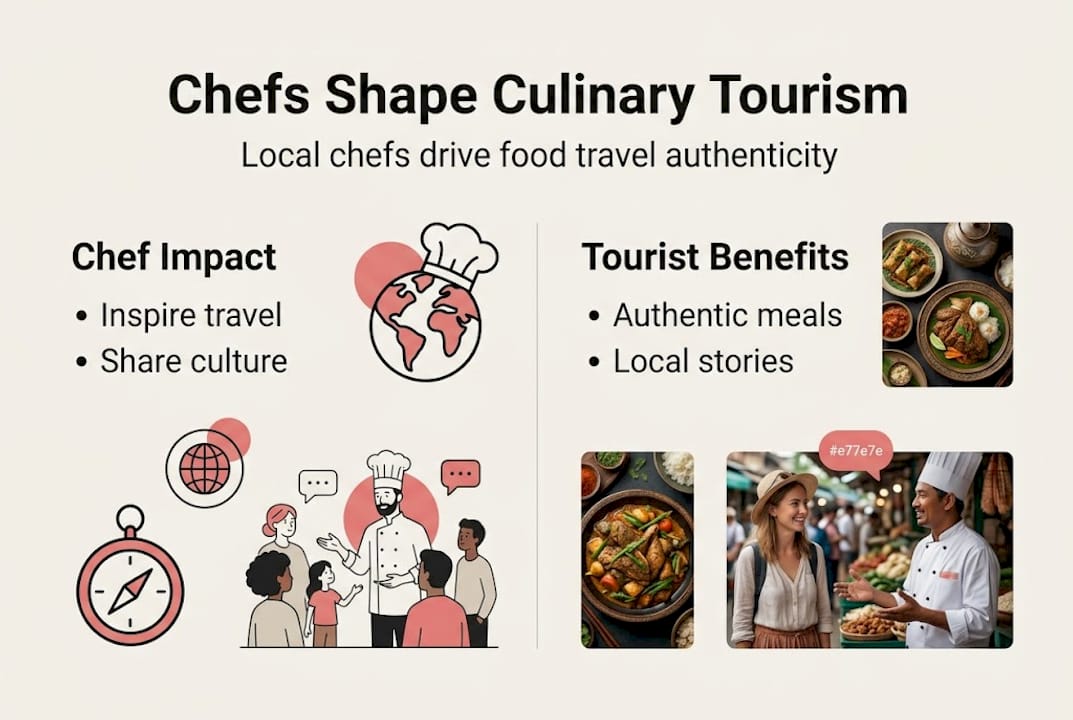
Local chefs are, in essence, living archives. They preserve techniques that never made it into cookbooks, source ingredients from producers their grandparents knew, and carry forward flavours that commercial kitchens long ago abandoned. As one culinary travel resource puts it, local chefs serve as cultural translators, preserving traditions and sharing stories through cuisine to provide authentic experiences for culinary tourists.
The benefits of curated experiences with these chefs are difficult to overstate. Consider what happens when a group of eight travellers gathers in a small Paris kitchen with Chef PJ. The conversation moves between the history of French butter, the politics of the boulangerie, and a very specific argument about whether a croissant should shatter or bend. That is not a meal. That is an education.
Cities are increasingly recognising this value. Programmes like the chef ambassadors initiative in San Antonio have formalised the role of chefs as destination promoters, placing them at the forefront of tourism strategy rather than treating them as a supporting act.
What makes a chef-led experience distinct from a standard food tour?
- Personal narrative: Chefs share their own memories and family histories, not scripted commentary.
- Ingredient knowledge: They know exactly where each component comes from and why it matters.
- Access: Chefs open doors to kitchens, producers, and hidden spots that ordinary tourists never find.
- Flexibility: Small groups mean the experience adapts to your curiosity in real time.
“Food is never just food. In the hands of a local chef, every dish becomes a conversation about where a place has been and where it is going.”
How local chefs create authentic travel experiences
Knowing that chefs matter is one thing. Understanding how they actually deliver that value is another. The good news is that the range of chef-led experiences available to culinary tourists has expanded enormously, and many of the best options are surprisingly accessible.
Connecting with local chefs enables hands-on learning like cooking classes, market tours, and kitchen apprenticeships, deepening cultural immersion in ways that passive dining simply cannot match. Here is how that typically unfolds in practice:
- Chef-led market tours: A chef walks you through a local market, explaining seasonal produce, negotiating with vendors, and revealing which stalls are worth your time. In Paris, this might mean a dawn visit to a specialist cheese shop before the tourist crowds arrive.
- Small-group cooking sessions: You cook alongside the chef, learning not just the recipe but the reasoning. Why does the sofrito go in at this exact moment? What happens if you rush the reduction?
- Guided tastings and pairings: Chefs curate sequences of dishes and drinks that tell a coherent story, rather than offering a random selection of local favourites.
- Pop-up dinners and supper clubs: Intimate events where chefs cook in unconventional spaces, often with a specific theme tied to local history or seasonal produce.
- Kitchen apprenticeships: Longer, more immersive formats where you spend a morning or full day working alongside a chef in a professional or home kitchen.
Family-run kitchens deserve a special mention here. There is something irreplaceable about cooking with someone in the home where they grew up eating those dishes. The culinary tourism trends shaping 2026 consistently point to personalisation and intimacy as the top priorities for food travellers, and nothing delivers both like a family kitchen.
For those exploring food culture with chefs for the first time, the variety can feel overwhelming. Start simple: a single market tour or a two-hour cooking session is enough to completely reframe how you experience a city.
Pro Tip: When booking any chef-led experience, ask whether the group size is capped at ten or fewer. Smaller groups mean more direct conversation, more questions answered, and a far more personal connection with the chef.
Economic and social impact: Chefs supporting local communities
The benefits of engaging with local chefs extend well beyond your own travel memories. When you book a chef-led tour or attend a pop-up dinner, you are participating in a local economy in a way that a restaurant meal rarely achieves.
Local chefs boost local economies by sourcing 90% local ingredients, creating jobs, and circulating revenue within communities. That figure is striking. It means that a single chef-led tour in Berlin with Chef Karl Wilder is not just a great evening. It is a direct investment in the farmers, fishmongers, and artisan producers who supply his kitchen.
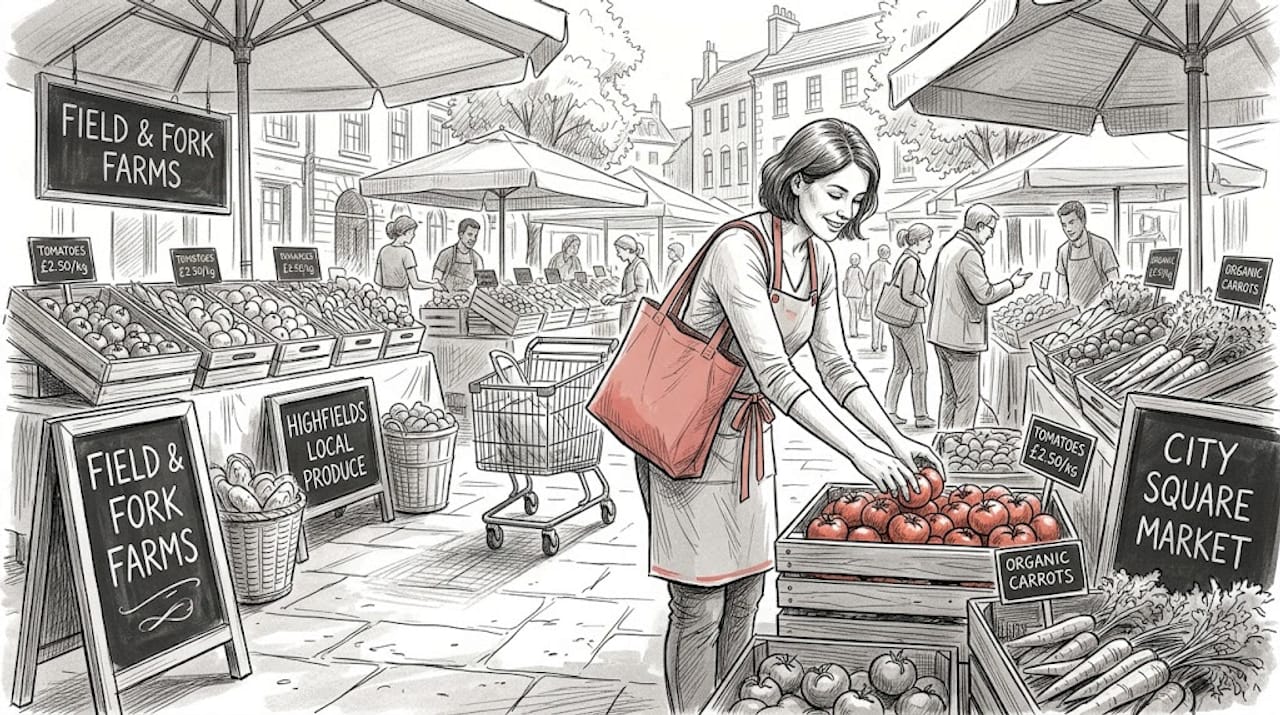
The culinary tourism economic impact research confirms that food-focused travellers spend more per trip and direct a larger share of that spend towards local businesses compared to general tourists. Up to one-third of total tourist expenditure in some destinations flows through food-related activities.
| Impact area | How chefs contribute |
|---|---|
| Employment | Chef events, pop-ups, and festivals create seasonal and permanent jobs |
| Producer partnerships | Direct sourcing from local farms and artisans keeps money in the community |
| Cultural preservation | Investment in traditional recipes and techniques prevents culinary heritage loss |
| Community investment | Revenue from food tourism funds local markets, food festivals, and culinary education |
The culinary experts and authenticity connection is also social. Chef-led events bring together locals and visitors in shared spaces, breaking down the invisible wall that separates tourists from residents. A cooking class in Mexico City with Chef Karl Wilder is not a performance for outsiders. It is an invitation into a living culture.
- Artisan producers gain visibility and new customers through chef partnerships.
- Local markets benefit from increased footfall driven by food tourism itineraries.
- Young chefs find mentorship and career pathways through established chef networks.
Ensuring authenticity: Challenges and innovative solutions
Not every chef-led experience lives up to its promise. As culinary tourism has grown, so has the risk of what researchers call staged authenticity: experiences that look genuine on the surface but have been smoothed down and packaged for tourist consumption.
The risk of staged authenticity or commercialisation diluting traditions is real, and celebrity chefs can sometimes overshadow local voices even as they boost destination economies. The challenge for culinary tourists is learning to tell the difference.
Fusion cuisine adds another layer of complexity. Innovation is not the enemy of authenticity. Chefs who select tour dishes for authenticity often blend traditional techniques with contemporary ideas in ways that are entirely genuine. The problem arises when fusion becomes a shortcut to avoid the harder work of preserving original methods.
| Approach | Advantages | Risks | Recommended practice |
|---|---|---|---|
| Traditional only | Deep cultural connection | Can feel static or museum-like | Pair with historical context |
| Innovation-led | Exciting and contemporary | May lose original meaning | Ensure chef explains the evolution |
| Balanced blend | Reflects living food culture | Requires skilled curation | Ask about the story behind each dish |
Chef ambassador programmes, like those seen in maintaining authenticity in tourism research, offer a structured solution. By formally recognising chefs as cultural representatives, cities create accountability and encourage chefs to prioritise genuine storytelling over crowd-pleasing shortcuts.
Pro Tip: Always ask your chef guide about the origin of a specific dish before the tour ends. A chef who can trace a recipe back through two or three generations is almost certainly the real thing.
Practical steps: Connecting with local chefs for unique experiences
Ready to move from theory to action? Here is how to actually find and connect with local chefs who will make your next food trip genuinely memorable.
Tourists connect via chef-led tours, classes, and small family-run kitchens for the most personal interaction. That is your starting framework. Build from there using these steps:
- Search specialist food tourism platforms rather than general travel sites. Platforms focused on culinary experiences vet their chefs and provide detailed bios, so you know exactly who you are booking with.
- Look for local food events and festivals in your destination city. These are often where the most passionate and authentic chefs gather, and they provide a low-pressure way to make initial contact.
- Ask direct questions before booking. How long has the chef been working in this city? Do they source ingredients locally? How many people are in each group?
- Prioritise small or family-run operations over large commercial tour companies. The finding food tours process is much easier when you know what signals to look for.
- Book directly with the chef where possible. This cuts out intermediaries, often reduces cost, and opens the door to a more personalised experience.
Programmes like the South Carolina chef ambassadors initiative show how cities are making it easier for tourists to identify verified local culinary experts. Look for similar schemes in your destination.
The chef-led tour expertise you gain from even a single well-chosen experience will permanently change how you approach food travel. You will start asking different questions at every meal.
Pro Tip: Look for opportunities to learn something practical during every chef encounter, even if it is just a quick technique tip or a recommendation for a specific local ingredient to bring home.
Why the most memorable food journeys are always chef-driven
Here is something the mainstream travel industry rarely admits: most mass-market food tours are essentially walking restaurant queues with commentary. They get you fed. They do not get you connected.
We have seen this play out across Paris, Seville, Berlin, and Mexico City. The tours that travellers remember five years later are never the ones with the longest itineraries or the most Michelin stars. They are the ones where a chef stopped mid-explanation to share a personal memory, or where an unexpected ingredient led to a forty-minute conversation about local history.
Chef expertise transforms tours precisely because chefs bring context that no amount of research can replicate. They do not just hand you a recipe. They hand you the reason the recipe exists. That distinction is everything. Authentic culinary tourism is not about consuming a place. It is about understanding it, and local chefs are the only guides who can genuinely take you there.
Discover chef-led culinary tours for your next journey
If this article has shifted how you think about food travel, the next step is straightforward: find a chef-led experience that puts everything described here into practice.
At The Chef’s Tours, our chef-led food tours in Paris, Seville, Berlin, and Mexico City are built around exactly this philosophy. Chef PJ in Paris, Chef Crestani in Seville, and Chef Karl Wilder in Berlin and Mexico City each bring decades of local knowledge and genuine passion for their city’s food culture. Browse our culinary experiences to try for inspiration, or visit our guide to plan an authentic culinary holiday and start building an itinerary that goes well beyond the obvious.
Frequently asked questions
What makes a chef-led tour different from a regular food tour?
A chef-led tour offers insider access, deeper storytelling, and direct interaction with local food creators, making the experience more immersive and personalised. Chefs act as cultural translators, providing unique insight into local cuisine that a standard guide simply cannot replicate.
How can I find authentic local chefs in major cities?
Look for chef-led classes, market tours, or events advertised on trusted food tourism websites, and prioritise small or family-run businesses for genuine interaction. Tourists connect via chef-led tours and small family-run kitchens for the most personal and authentic experiences.
Do local chefs use ingredients from their own region?
Yes, many local chefs source up to 90% of their ingredients from nearby producers to ensure authenticity and support the community. An urban chef shifted to 90% local sourcing, demonstrating how this commitment directly supports local economies.
Does engaging with local chefs really improve tourist satisfaction?
Empirical studies show that authentic cuisine boosts tourist satisfaction and memorable experiences, and significantly increases the likelihood of revisiting a destination. The connection formed with a local chef is one of the most consistently cited highlights in food travel reviews.