

Most british culinary tourists never realize that Mexico is home to the oldest wine-growing region in the Americas, with a heritage dating back to the sixteenth century. This matters because Mexican wines offer far more than tequila or mezcal, redefining authentic tasting experiences in Mexico City. With local experts ready to guide you, discover why nearly 85 percent of Mexico’s wine is produced in Baja California and how these diverse pours can transform your appreciation for Mexican cuisine.
Table of Contents
- Mexican Wines Defined And Common Myths
- Major Wine Regions And Distinctive Terroirs
- Key Grape Varieties And Wine Styles
- Pairing Mexican Wines With Authentic Cuisine
- Costs, Regulations And Tasting Etiquette
- Typical Mistakes And How To Avoid Them
Key Takeaways
| Point | Details |
|---|---|
| Mexican Wine Heritage | Mexican wine has a rich historical background that dates back to the 16th century, with modern wineries challenging outdated perceptions of quality and sophistication. |
| Diverse Terroirs | Mexico’s wine-producing regions, particularly Valle de Guadalupe, offer distinctive terroirs that significantly influence the characteristics of the wines, showcasing remarkable diversity. |
| Innovative Grape Varieties | A wide range of grape varieties, including Cabernet Sauvignon and Chardonnay, are cultivated, allowing for a broad spectrum of wine styles that reflect regional characteristics. |
| Culinary Pairing | Pairing Mexican wines with local cuisine enhances the dining experience, as specific wine styles harmonise beautifully with the intricate flavours of traditional dishes. |
Mexican wines defined and common myths
Mexican wine represents a fascinating journey through centuries of viticultural heritage, extending far beyond common misconceptions about quality and production. Mexican wine history reveals a complex narrative that challenges traditional perceptions. Originating with Spanish colonisation in the 16th century, Mexico became the oldest wine-growing region in the Americas, establishing a robust foundation for wine production that has been largely overlooked by international markets.
Contrary to popular belief, Mexican wines are not a recent phenomenon but a deeply rooted cultural tradition. The wine industry faced significant historical challenges, including strict colonial prohibitions that limited production primarily to ecclesiastical purposes. These restrictions created a perception of limited sophistication, which modern Mexican winemakers are actively working to dispel. The past four decades have witnessed remarkable transformation, with vineyards in regions like Baja California producing world-class wines that compete on global stages.
Several persistent myths surrounding Mexican wine deserve critical examination. Many people assume Mexican wines are uniformly low-quality or unsophisticated, a misconception thoroughly debunked by contemporary vintners. In reality, Mexican wines demonstrate remarkable diversity, reflecting complex terroirs and innovative winemaking techniques. Regions such as Valle de Guadalupe have emerged as premier wine destinations, producing exceptional vintages that challenge traditional wine region hierarchies.
Pro tip: When exploring Mexican wines, seek out bottles from Baja California’s Valle de Guadalupe, which offers some of the most innovative and high-quality wine experiences in the region.
Major wine regions and distinctive terroirs
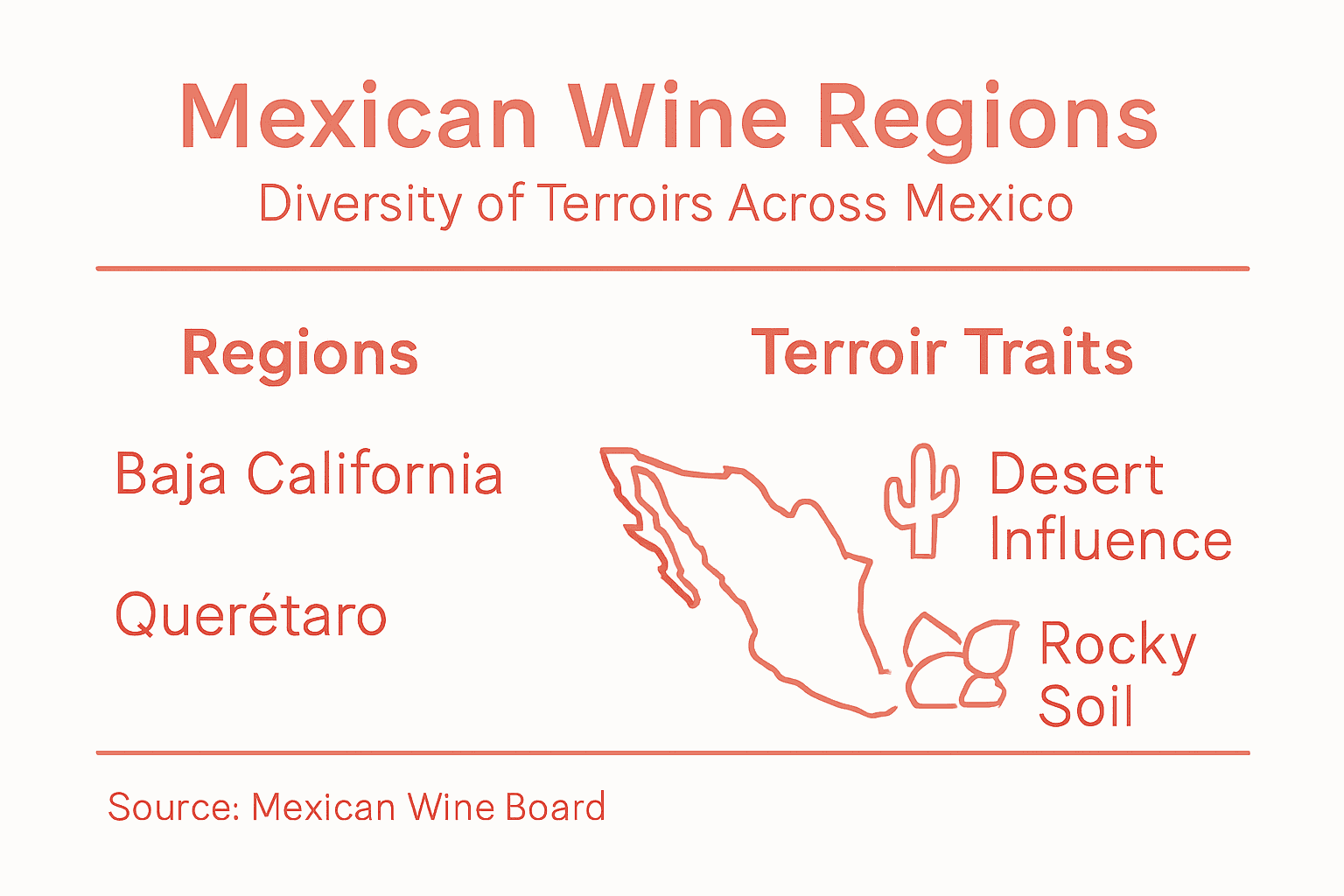
Mexico’s wine landscape is a tapestry of diverse geographical regions, each contributing unique characteristics to the nation’s viticultural identity. Distinctive wine terroirs span multiple regions, offering an intricate mosaic of microclimates and soil compositions that create exceptional wine profiles. Baja California stands as the epicentre of Mexican wine production, generating approximately 85% of the country’s wines and boasting a Mediterranean climate with profound maritime influences.
The primary wine regions showcase remarkable geographical diversity. Valle de Guadalupe, often referred to as the Mexican Napa Valley, represents the crown jewel of Mexican wine production. Its high-altitude vineyards and varied terrain – ranging from sandy coastal soils to volcanic and calcareous landscapes – enable winemakers to craft wines with extraordinary complexity. Other significant regions include Valle de Parras in Coahuila, the oldest established wine region, and the high-altitude vineyards of Querétaro and Guanajuato in the Bajío region, which produce remarkably fresh and vibrant wines.
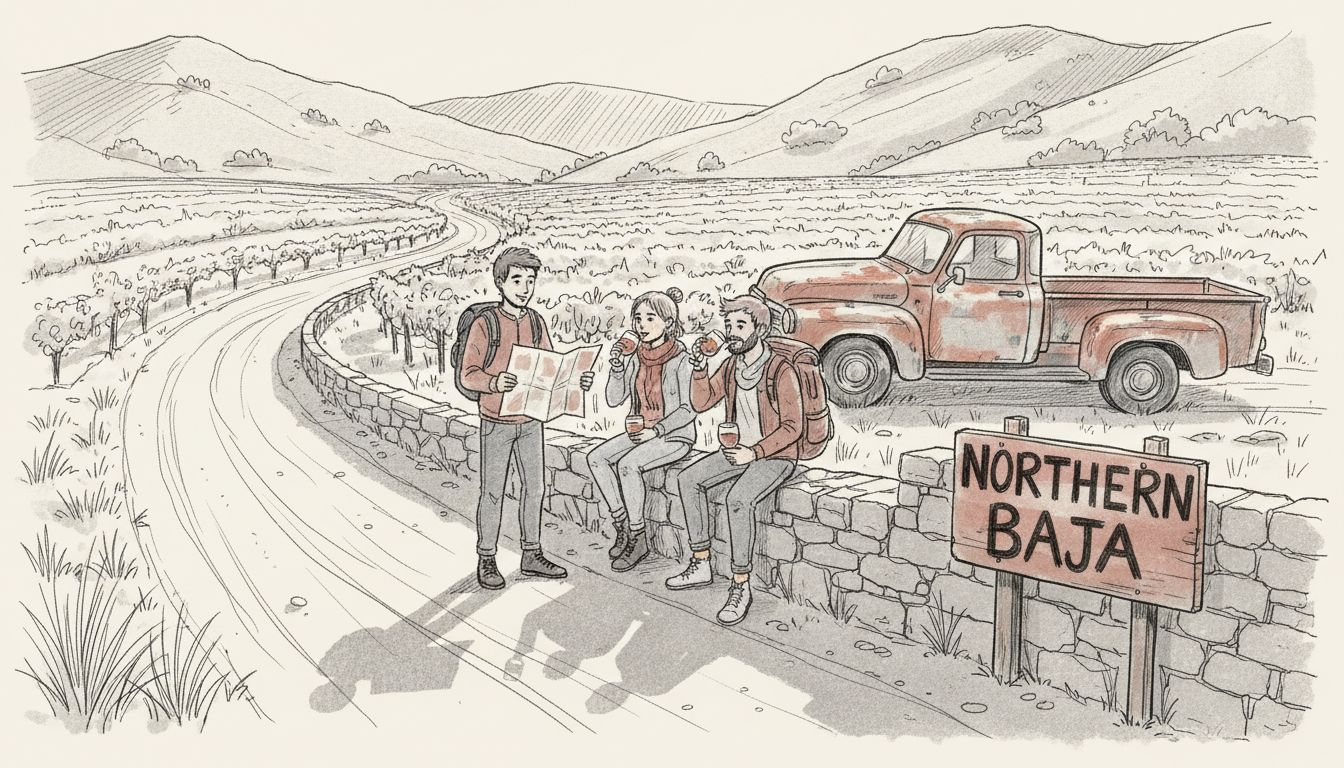
Each Mexican wine region presents a distinctive terroir that significantly influences wine characteristics. The desert-like yet elevated microclimates of Valle de Parras create dramatically different growing conditions compared to the maritime-influenced zones of Baja California. Soil compositions vary dramatically – from sandy coastal areas to volcanic terrains and limestone-rich landscapes – providing winemakers with an extraordinary palette of potential flavour profiles. These variations allow Mexican wines to express remarkable individuality, challenging traditional wine region expectations and demonstrating the country’s sophisticated viticultural potential.
Pro tip: When exploring Mexican wines, prioritise vintages from different regions to experience the incredible diversity of terroirs and winemaking styles across the country.
Here’s a summary of the key Mexican wine regions and how their terroirs impact wine characteristics:
| Region | Climate Influence | Soil Composition | Wine Characteristics |
|---|---|---|---|
| Valle de Guadalupe | Mediterranean, maritime | Sandy, volcanic, calcareous | Complex reds and fresh whites |
| Valle de Parras | High-altitude, arid | Desert, calcareous | Intense, structured reds |
| Querétaro & Guanajuato | Elevated, semi-arid | Limestone, alluvial | Vibrant, mineral whites |
Key grape varieties and wine styles
Mexican viticulture presents a remarkable spectrum of grape varieties and wine styles that challenge traditional wine expectations. The country’s vineyards cultivate an impressive array of grape varieties, with red grapes dominating production. Cabernet Sauvignon, Merlot, Tempranillo, and Nebbiolo lead the red wine portfolio, each expressing unique characteristics shaped by Mexico’s diverse terroirs. These varieties demonstrate remarkable adaptability, thriving in the country’s varied microclimates from coastal regions to high-altitude valleys.
White wine production equally showcases Mexico’s viticultural sophistication. Chardonnay, Chenin Blanc, and Sauvignon Blanc represent the primary white grape varieties, producing wines with bright acidity and nuanced flavour profiles. The Baja California region particularly excels in creating Mediterranean-style wines, blending traditional European grape varieties with innovative local winemaking techniques. Winemakers expertly craft wines ranging from robust, tannic reds with intense fruit characteristics to elegant, crisp white wines that reflect the region’s complex geological landscapes.
The evolution of Mexican wine styles reflects a dynamic intersection of historical traditions and contemporary innovation. Experimental blends have become increasingly prominent, with winemakers combining classic European grape varieties in novel ways that highlight Mexico’s unique terroir. Red wines often feature bold, ripe fruit notes and firm tannin structures, while white wines showcase remarkable freshness and mineral complexity. This diversity demonstrates Mexico’s emerging position as a sophisticated wine-producing nation, challenging long-standing perceptions about New World wine regions.
Pro tip: When exploring Mexican wines, seek out vintages from smaller, boutique wineries that showcase innovative blending techniques and experimental grape combinations.
Pairing Mexican wines with authentic cuisine
The art of pairing Mexican wines with cuisine represents a sophisticated culinary dialogue that celebrates the nation’s rich gastronomic heritage. Mexican wines have evolved to complement the complex flavour profiles of traditional dishes, from fiery moles to delicate seafood preparations. The interplay between wine and food goes beyond simple matching, creating a sensory experience that reflects regional diversity and culinary innovation.
Different wine styles harmonise with specific Mexican dishes based on their flavour intensity and preparation method. Bright, acidic Sauvignon Blanc works beautifully with fresh ceviches, while robust Tempranillo-based reds stand up to rich, spicy moles and hearty meat dishes. Lighter Pinot Noir varieties elegantly complement dishes with nuanced spice profiles, demonstrating the remarkable versatility of Mexican wines. The key is balancing the wine’s characteristics with the dish’s dominant flavour notes, allowing both the food and wine to shine without overwhelming each other.
Regional Mexican cuisine offers a spectacular canvas for wine pairing exploration. Coastal dishes with seafood and citrus notes pair wonderfully with crisp white wines, while inland specialities featuring complex, layered spices demand more structured red wines. Chardonnay can beautifully accompany creamy sauces, and sparkling wines provide delightful contrast to rich, fatty dishes. This dynamic approach to wine pairing transforms dining from a mere meal into a cultural experience that celebrates Mexico’s extraordinary culinary landscape.
Pro tip: When exploring wine pairings, start with lighter wines and progressively move to more robust styles, allowing your palate to appreciate the subtle flavour transformations.
Below is a quick guide to pairing Mexican wines with authentic cuisine for optimal flavour harmony:
| Wine Style | Cuisine Match | Pairing Effect |
|---|---|---|
| Sauvignon Blanc | Fresh ceviche, seafood | Highlights acidity, freshness |
| Tempranillo-based red | Mole, hearty meats | Balances spice, adds depth |
| Chardonnay | Creamy sauces, poultry | Enhances texture, richness |
| Sparkling wine | Fatty dishes, appetisers | Cuts richness, cleanses palate |
Costs, regulations and tasting etiquette
Mexican wine tourism requires understanding complex economic and cultural nuances, particularly regarding wine tasting etiquette and regulations. Visitors should anticipate moderate tasting fees, typically ranging from 200 to 500 Mexican pesos, which often include multiple wine samples and brief educational experiences. Taxation significantly influences wine pricing, with import duties and local taxes contributing to higher retail costs compared to other wine-producing regions.
Tasting etiquette in Mexican wine regions emphasises respectful engagement and cultural appreciation. Smart-casual dress is recommended, with an expectation of polite interaction and genuine interest in winemaking processes. Most wineries welcome questions and appreciate visitors who demonstrate curiosity about their unique terroirs and production methods. Tasting protocols generally involve sequential sampling from lighter to more robust wines, with an option to use spittoons to manage alcohol consumption and preserve palate sensitivity.
Regulatory frameworks governing Mexican wine production reflect a sophisticated approach to quality control and cultural preservation. National regulations mandate strict standards for vineyard management, production techniques, and labelling requirements. Foreign visitors should be aware of customs regulations regarding wine importation, which can involve specific documentation and potential duties. Understanding these nuanced regulations helps travellers navigate the Mexican wine landscape more effectively, ensuring a smooth and enriching cultural experience.
Pro tip: Always carry cash and confirm tasting fees in advance, as some smaller wineries might not accept international credit cards and pricing can vary seasonally.
Typical mistakes and how to avoid them
Exploring Mexican wines presents numerous potential pitfalls for uninitiated travellers, with common misconceptions undermining authentic experiences. One fundamental error involves dismissing Mexican wines as inferior, rooted in outdated perceptions that fail to recognise the remarkable sophistication of contemporary Mexican viticulture. Visitors often arrive with preconceived notions about wine quality, inadvertently limiting their appreciation of the nuanced, terroir-driven styles emerging from regions beyond the well-known Baja California.
Tasting technique represents another critical area where travellers frequently stumble. Inexperienced wine enthusiasts might rush through tastings, neglecting the subtle complexities of each wine, or fail to engage meaningfully with local producers. Proper wine appreciation requires patience, curiosity, and a willingness to learn about unique grape varieties, production methods, and regional characteristics. Mispronouncing grape names, overlooking less commercial wine regions, and refusing to step outside familiar wine comfort zones can significantly diminish the richness of the Mexican wine experience.
Cultural misunderstandings can also derail wine tourism experiences. Many visitors inadvertently demonstrate disrespect by treating wine tastings as mere alcohol consumption rather than cultural exchanges. Proper etiquette involves listening to winemakers, asking thoughtful questions, and demonstrating genuine interest in the intricate processes behind wine production. Language barriers, while challenging, should not prevent meaningful interactions; a humble approach and basic Spanish phrases can transform a simple tasting into an extraordinary cultural dialogue.
Pro tip: Prepare a small notebook and photograph wine labels discreetly, enabling you to research and remember the unique wines you discover during your Mexican wine journey.
Discover Mexican Wines Like a True Local with The Chef’s Tours
The journey through Mexico’s rich wine heritage and diverse terroirs reveals more than just exceptional bottles It presents a chance to immerse yourself in authentic culinary traditions and innovative winemaking that define the country’s vibrant culture The article highlights how Mexican wine regions like Valle de Guadalupe offer unique vintages and pairing opportunities yet navigating these experiences can be daunting without insider guidance
At The Chef’s Tours, we understand how challenging it is to find genuine, curated food and wine experiences that transcend typical tastings Our Mexico City tours led by Chef Karl Wilder connect you directly with local experts who unlock hidden gems and exclusive venues showcasing Mexican wines paired perfectly with traditional cuisine You will engage deeply with authentic regional flavours while learning about the terroir and the innovative grape varieties shaping Mexico’s new wine narrative Let us help you avoid common pitfalls and elevate your culinary travel with personalised insights and unforgettable tastings
Explore our culinary experiences and start your authentic Mexican wine and food journey today

Experience the bold flavours and rich history of Mexican wines with exclusive chef-led tours Book now to secure your spot and taste the future of Mexican viticulture in the heart of Mexico City
Frequently Asked Questions
What are the key features of Mexican wines?
Mexican wines are known for their remarkable diversity, showcasing unique terroirs and innovative winemaking techniques. The production spans multiple regions, with distinct microclimates and soil compositions contributing to the complexity of flavours.
What grape varieties are commonly used in Mexican wine production?
Key grape varieties in Mexico include red grapes like Cabernet Sauvignon, Merlot, Tempranillo, and Nebbiolo, alongside white varieties such as Chardonnay, Chenin Blanc, and Sauvignon Blanc. Each variety offers unique characteristics influenced by Mexico’s diverse terroirs.
How do I pair Mexican wines with traditional cuisine?
Pairing Mexican wines with cuisine involves considering the flavour intensity of dishes. For instance, Sauvignon Blanc complements fresh ceviche, while Tempranillo-based reds work well with rich moles. Balancing wine characteristics with the dominant flavours of the dishes enhances the overall dining experience.
What should I know about wine tasting etiquette in Mexico?
Wine tasting etiquette in Mexico involves engaging respectfully with winemakers, dressing smart-casual, and demonstrating genuine interest. Sequentially sampling wines from lighter to more robust styles is recommended, and it’s advisable to confirm tasting fees in advance as payment methods can vary.