

Many travellers assume culinary tours offer the same fixed itinerary regardless of who books them. You might picture large groups shuffling between tourist-trap restaurants, ticking boxes on a generic checklist. That perception misses the transformative power of customisation in modern culinary tourism. Personalised food experiences, led by local chefs who adapt menus and routes to your preferences, create authentic connections with regional cuisine and culture. This article explores how customisation elevates culinary tours from ordinary sightseeing into memorable journeys that honour dietary needs, group dynamics, and genuine local flavour.
Table of Contents
- Key takeaways
- How customisation enhances culinary tourism experiences
- Addressing diverse needs: dietary restrictions, group types, and cultural challenges
- Balancing authenticity and innovation in personalised culinary tours
- Practical tips for creating personalised culinary journeys with local chefs
- Discover customised culinary experiences with The Chef Tours
- FAQ about customisation in culinary tours
Key Takeaways
| Point | Details |
|---|---|
| Customisation boosts authenticity | Customising itineraries and menus brings the dishes and places to life, creating a sense of personal connection with the region. |
| Local chef led tours | Local chefs who adapt routes and menus in response to your preferences enhance authenticity and satisfaction. |
| Tailored experiences for dietary needs | Tailored experiences accommodate allergies, vegan, halal and other dietary requirements without sacrificing the tour’s flavour or cultural integrity. |
| Balance innovation and authenticity | A successful programme balances creative innovation with genuine local flavour to maintain trust and engagement. |
| Low price tours risk quality | Low price tours can degrade quality if customisation is neglected, risking disappointing experiences and missed cultural nuance. |
How customisation enhances culinary tourism experiences
Customisation in culinary tours means adapting the itinerary, menu selections, and pace to match your interests and requirements. Rather than following a rigid script, custom food experiences allow chefs to substitute ingredients for allergies, introduce regional specialities aligned with your curiosity, or extend time at venues you find compelling. This flexibility transforms passive consumption into active cultural dialogue.
Research confirms that food customisation directly and indirectly enhances place identity and boosts hedonic well-being through authenticity and emotional connection. When a chef in Seville tailors tapas selections to highlight Andalusian traditions you’ve expressed interest in, you feel recognised as an individual rather than a ticket number. That personal attention creates emotional resonance, making the destination’s culinary heritage feel accessible and meaningful rather than remote or performative.
Authenticity sits at the heart of this benefit. A customised tour prioritises genuine local ingredients, family-run establishments, and cooking techniques passed through generations. You taste the difference between a mass-produced paella and one prepared by a chef who sources bomba rice from Valencia’s albufera wetlands. The sensory experience becomes inseparable from the story behind each dish, anchoring your memory of the place in tangible flavour and aroma.
Key elements of effective customisation include:
- Dietary adaptations for allergies, vegan preferences, halal requirements, or other restrictions
- Group size adjustments to suit intimate couples, corporate teams, or celebration parties
- Itinerary pacing that respects your energy levels and curiosity depth
- Special occasion tailoring for anniversaries, birthdays, or milestone celebrations
- Language and cultural context provided at a level matching your background knowledge
Pro Tip: Share your food preferences and any ingredients you dislike during booking. Chefs can substitute without compromising the tour’s cultural integrity, ensuring every bite delights rather than disappoints.
Addressing diverse needs: dietary restrictions, group types, and cultural challenges
Culinary tourists arrive with vastly different requirements. A solo traveller seeking adventure might relish unfamiliar textures and bold spices, while a corporate group needs structured timing and inclusive menu options. Dietary restrictions and group needs require flexible tour adaptations; unexpected flavours may cause culture shock needing guide intervention. Recognising these variations early allows operators to design experiences that satisfy rather than alienate.
Dietary restrictions present both a challenge and an opportunity for customisation. Vegan guests in Paris might worry about limited options in a cuisine famous for butter and cream, yet skilled chefs can showcase plant-based French traditions like ratatouille niçoise or socca from Nice. Halal requirements in Berlin demand careful sourcing, but local Muslim-owned eateries often provide the most authentic Turkish and Middle Eastern flavours in the city. Allergies to shellfish, nuts, or gluten require vigilant communication with each venue, a task corporate food tours handle through advance coordination.
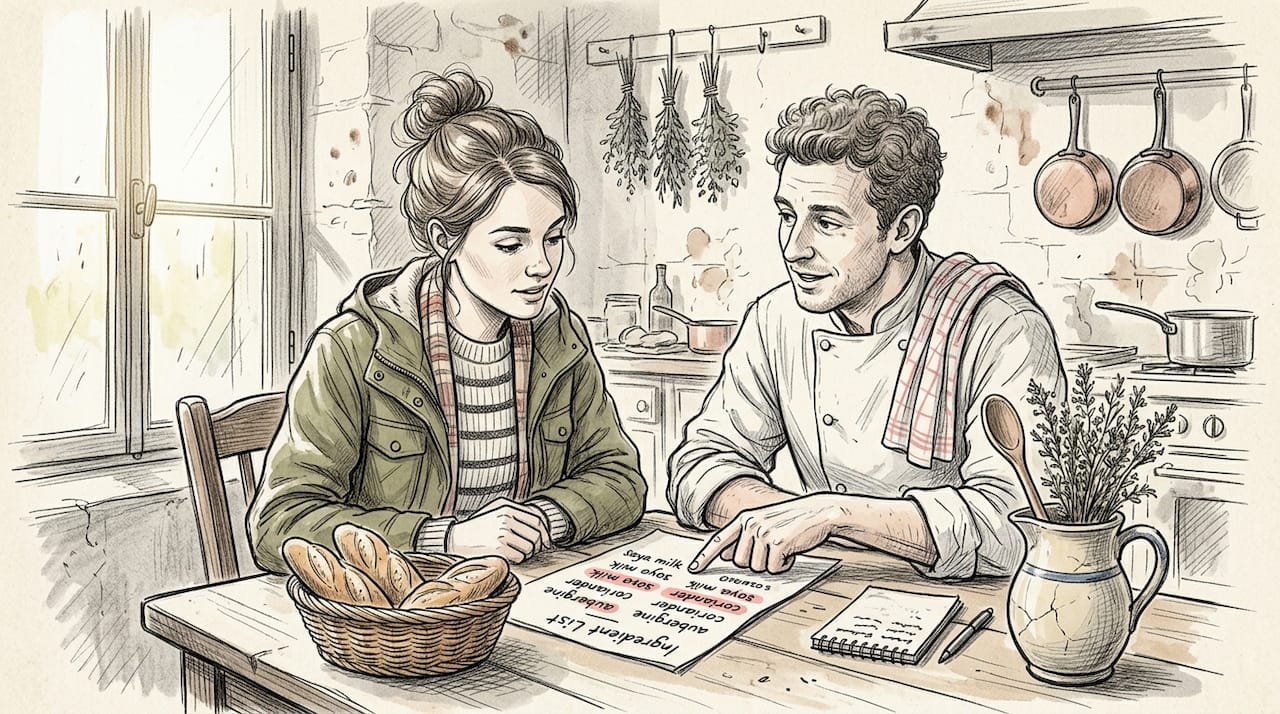
Group composition shapes the tour’s social dynamic. Solo travellers often prefer smaller groups where conversation flows easily, while corporate teams benefit from structured activities that encourage networking. Celebration parties need flexibility for toasts and photos, and finding inclusive chefs who read the room ensures everyone feels comfortable. A skilled guide adjusts commentary depth, walking pace, and venue selection based on the group’s energy and engagement.
Culture shock around unfamiliar ingredients or preparation methods can derail enjoyment if not managed thoughtfully. A tourist encountering blood sausage in Berlin or huitlacoche in Mexico City might recoil without context. Knowledgeable guides frame these items within culinary history, explaining their nutritional role and cultural significance before the tasting. This narrative cushion reduces anxiety and encourages open-mindedness.
Common edge cases requiring special consideration include:
- Religious dietary laws that extend beyond ingredient lists to preparation methods and equipment
- Mobility limitations that necessitate accessible venues and shorter walking distances
- Language barriers that require translated menus or bilingual guides
- Age-related needs, from child-friendly portions to senior-appropriate pacing
- Sensory sensitivities that make loud or crowded venues overwhelming
Pro Tip: Communicate dietary and group preferences during initial enquiry, not just at booking confirmation. This gives operators time to research alternatives and coordinate with partner venues, ensuring seamless execution on tour day.
Balancing authenticity and innovation in personalised culinary tours
Authenticity and innovation exist in productive tension within customised culinary tours. Authenticity preserves the cultural and historical integrity of regional cuisine, honouring recipes and techniques that define a place’s identity. Innovation introduces creative adaptations that respect tradition while accommodating modern dietary preferences and presentation styles. Practitioners should balance innovation with authenticity and avoid low-price quality compromises to support sustainable destination development.
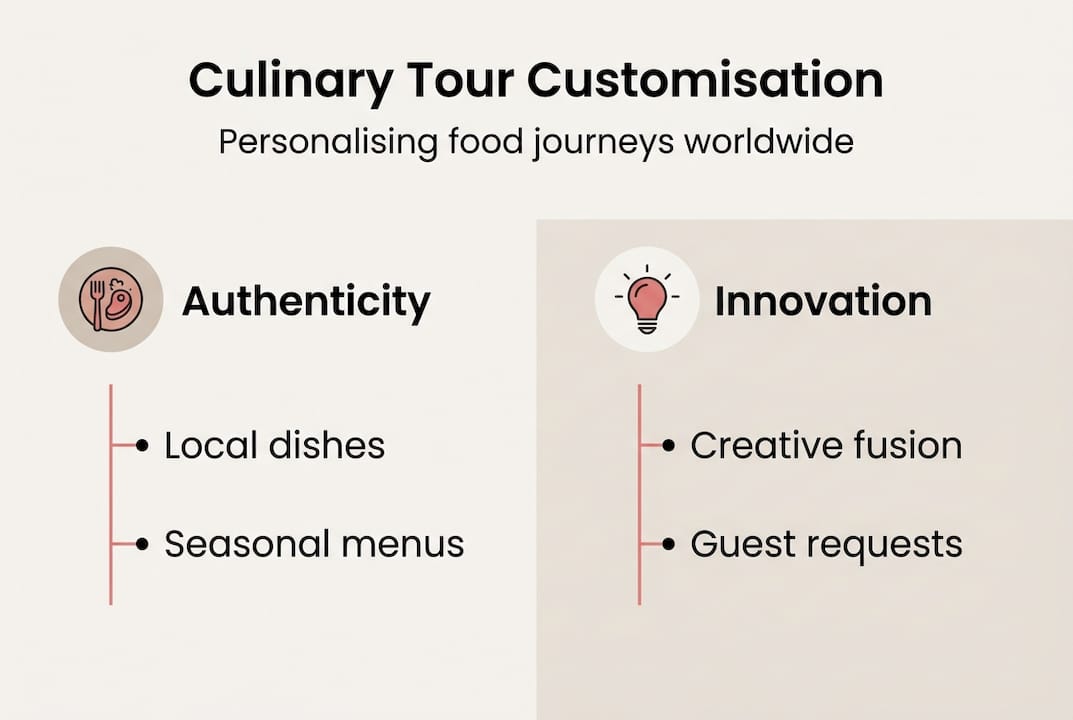
Authentic experiences prioritise local sourcing, traditional preparation, and venues embedded in the community. A tour in Seville that visits a century-old bodega where sherry barrels age in soleras offers genuine cultural transmission. The same tour becomes inauthentic if it substitutes mass-market tapas bars frequented only by tourists, even if the food superficially resembles Spanish cuisine. Authenticity demands context, provenance, and connection to living culinary traditions.
Innovation enters when chefs adapt recipes to accommodate dietary restrictions without sacrificing flavour integrity. A vegan interpretation of French onion soup might replace beef stock with caramelised vegetable broth and nutritional yeast for umami depth. The dish honours the original’s spirit while meeting contemporary needs. This approach differs fundamentally from serving generic plant-based food labelled as French cuisine.
Steps to maintain authenticity while introducing custom elements:
- Partner with chefs who have deep roots in the local culinary community and understand regional traditions intimately
- Source ingredients from traditional suppliers, markets, and producers rather than generic wholesalers
- Explain the cultural significance of each dish before modifications, so guests understand what’s being adapted and why
- Test customised recipes to ensure they retain the flavour profile and sensory experience of the original
- Avoid over-commercialisation by limiting group sizes and maintaining exclusive access to hidden venues
| Feature | Authentic tour | Over-commercialised tour |
|---|---|---|
| Group size | 4-8 participants | 20+ participants |
| Venues | Family-run establishments, hidden gems | Tourist-focused restaurants, chains |
| Chef involvement | Local chef guides entire experience | Generic guide with scripted commentary |
| Menu flexibility | Adapted to preferences while honouring tradition | Fixed menu regardless of dietary needs |
| Cultural context | Deep stories about ingredients and techniques | Surface-level facts, historical clichés |
| Pricing model | Premium reflecting quality and exclusivity | Low-price volume model risking quality |
Low-price tours frequently compromise quality by maximising participant numbers, reducing time at each venue, and partnering with establishments offering bulk discounts rather than culinary excellence. You might pay less, but the experience becomes transactional rather than transformational. Customising culinary experiences requires investment in small groups, expert guides, and premium ingredients that cannot be delivered at budget prices without cutting corners.
Pro Tip: Prioritise local chef-led small groups for sustainable, authentic experiences. The premium cost reflects fair wages for guides, support for independent food businesses, and the time required to personalise each tour thoughtfully.
Practical tips for creating personalised culinary journeys with local chefs
Maximising the benefits of customised culinary tours begins well before you arrive at the first venue. Pre-tour personalisation and local chef-led groups are key to high satisfaction and creating memorable culinary experiences. Clear communication during the booking process allows operators to tailor menus, adjust pacing, and select venues that align with your interests and requirements.
Start by articulating your dietary needs with specificity. Rather than stating “vegetarian,” clarify whether you eat eggs and dairy, avoid honey, or have concerns about cross-contamination. Mention any allergies with severity levels, so chefs know whether trace amounts pose risk. If you’re exploring cuisine for the first time, express your adventurousness level honestly. A chef can then calibrate intensity, introducing unfamiliar flavours gradually rather than overwhelming you.
Choosing tours led by local chefs with small group settings dramatically improves the experience. Chefs possess intimate knowledge of seasonal ingredients, supplier relationships, and the stories behind regional dishes that generic guides cannot match. Small groups enable conversational interaction, allowing you to ask questions and request adjustments on the fly. Chef-led food tours also support local culinary communities directly, as fees flow to independent professionals rather than international tour conglomerates.
Questions to ask tour providers about customisation options:
- Can you accommodate specific dietary restrictions, and how do you verify ingredients with partner venues?
- What is the maximum group size, and can I book a private tour for more personalisation?
- Does the chef or guide have flexibility to adjust the itinerary based on our interests during the tour?
- How do you handle unexpected closures or changes at planned venues?
- Can you provide examples of past customisations you’ve implemented for guests with similar needs?
Steps to personalise your culinary itinerary effectively:
- Research the destination’s culinary identity before booking culinary tours, noting dishes and ingredients that intrigue you
- Complete any pre-tour questionnaire thoroughly, including preferences, restrictions, and curiosities
- Communicate special occasions or celebration needs so the chef can incorporate surprises or toasts
- Ask about the physical demands of the tour, including walking distance and standing time, to ensure it matches your fitness level
- Confirm the cancellation and modification policy in case your plans change
- Follow up with the operator a few days before the tour to reconfirm dietary needs and any last-minute adjustments
- During the tour, provide real-time feedback to the chef about pacing and preferences, enabling micro-adjustments
- After the tour, share detailed feedback to help operators refine future customisation for other guests
Consider exploring step by step gourmet tour planning guides to understand how expert operators structure personalised itineraries. These resources reveal the coordination required behind the scenes, from ingredient sourcing to venue scheduling, helping you appreciate the value of well-executed customisation.
Pro Tip: Be open to new flavours but request guidance about unfamiliar ingredients. A good chef will explain what you’re tasting, its cultural context, and why it matters to the region’s culinary identity, transforming potential discomfort into curious exploration.
Discover customised culinary experiences with The Chef Tours
If you’re ready to move beyond generic food tours and embrace personalised culinary adventures, The Chef Tours offers expertly curated experiences in major cities worldwide. Our local chef-led tours in Paris, Seville, Berlin, and Mexico City prioritise small groups, authentic venues, and flexible itineraries that adapt to your preferences and dietary needs.
Whether you’re planning a culinary vacation focused on authentic regional cuisine or seeking culinary experiences to try during your next trip, our platform connects you with passionate chefs who reveal hidden restaurants, exclusive tastings, and the stories behind each dish. Explore our customisation guides to understand how we tailor every tour to your unique interests, ensuring your culinary journey becomes a highlight of your travels.
FAQ about customisation in culinary tours
What does customisation in culinary tours typically include?
Customisation covers menu adaptations for dietary restrictions, itinerary adjustments based on your interests, pacing modifications to suit your energy levels, and venue selection reflecting your curiosity about specific regional cuisines. It also includes special occasion arrangements and language preferences.
How can I ensure my dietary restrictions are respected?
Communicate your restrictions during initial booking with specificity, including severity levels for allergies. Confirm that the operator verifies ingredients with each venue and ask how they handle cross-contamination. Reputable providers will offer alternatives that maintain the tour’s cultural integrity whilst accommodating your needs.
Are chef-led tours better for personalised experiences?
Yes, local chefs possess deeper knowledge of regional ingredients, seasonal availability, and supplier relationships than generic guides. They can adjust menus on the fly, explain cooking techniques with authority, and provide cultural context that enriches each tasting, making the experience more authentic and responsive to your interests.
Can group tours be customised, or are solo tours more flexible?
Both can be customised, but the approach differs. Solo and small group tours allow more spontaneous adjustments, whilst larger groups benefit from pre-planned customisation addressing common needs. Private tours offer maximum flexibility, enabling real-time itinerary changes based on your preferences during the experience.
How do I prepare for possible culture shock during food tours?
Research the destination’s signature dishes beforehand to set expectations. Communicate your adventurousness level to the chef, who can introduce unfamiliar flavours gradually with cultural context. Ask questions about ingredients and preparation methods before tasting, and remember that discomfort often signals an opportunity for meaningful cultural learning when approached with curiosity.