

Choosing where and how to dine in Paris is not just about food but entering a world where tradition and social ritual matter as much as flavour. For American and Canadian travellers, adapting to Parisian dining culture means discovering that meals are treated as sacred rituals with specific timings, creating a rhythm of mutual respect between diners and kitchen staff. Exploring exclusive local gems reveals a side of the city prized by locals, offering genuine Parisian dining experiences that blend history, artistry, and cultural connection.
Table of Contents
- Defining Parisian Dining Culture And Traditions
- Hidden Restaurants And Exclusive Local Gems
- Chef-Led Tours And Their Unique Value
- Essential Parisian Dining Etiquette Explained
- Mistakes Tourists Make And How To Avoid Them
Key Takeaways
| Point | Details |
|---|---|
| Understanding Dining Culture | Parisian dining is structured around etiquette and timing, emphasizing respect between diners and staff. Adapting to these traditions enhances the overall dining experience. |
| Reservations are Essential | Making reservations is critical in Paris, where failure to do so can disrupt dining plans and lead to disappointment. Book tables in advance to ensure a smooth experience. |
| Engagement with the Staff | Interaction with restaurant staff is formal yet attentive; acknowledging their presence enhances your experience. Simple courtesies like greetings can lead to better service. |
| Exploring Hidden Gems | Seek out hidden restaurants to discover authentic local cuisine and avoid tourist traps. Authentic venues often require insider knowledge or connections to access. |
Defining Parisian Dining Culture and Traditions
Parisian dining exists as something far more profound than simply eating out. It represents a deeply embedded cultural practice where meals function as sacred rituals with specific timings, each course and conversation following unwritten rules that locals respect instinctively. For North American visitors accustomed to casual dining and flexible scheduling, this structure might feel rigid at first. Yet this apparent formality actually creates something unexpected: a mutual respect between diners and kitchen staff that transforms the entire experience. When you respect the rhythm of a Parisian meal, the kitchen reciprocates with attention and craft that casual dining simply cannot match.
What makes Parisian dining culture distinctive is how it balances tradition with genuine pleasure in eating. French cuisine transcends mere food, functioning as a cultural product that French society shares collectively, embedding culinary art, social interaction, and aesthetic appreciation into everyday life. This isn’t pretentious fussiness. Rather, it reflects a centuries-old philosophy that dining merits your full attention and presence. Whether you’re in a neighbourhood bistro or a Michelin-starred establishment, Parisians approach meals as occasions for conversation, connection, and savouring flavours deliberately. This cultural framework explains why restaurant staff engage with diners rather than rush them, why wine pairings receive serious consideration, and why a simple baguette with cheese becomes a meditation on craftsmanship.
The traditions you’ll encounter blend historic significance with artisanal craftsmanship and modern adaptations. Local establishments often honour classical techniques whilst embracing contemporary ingredients and presentations. The way a waiter presents the menu, the order in which courses arrive, the timing of wine service, even the temperature of your water glass—these details reflect traditions shaped by generations of dining philosophy. Understanding this context transforms your meal from a transaction into genuine cultural participation. You’re not simply consuming food; you’re participating in a living tradition that values both the product and the ceremony surrounding it.
Conseil pro: Arrive at restaurants slightly earlier than your reservation time and plan to spend at least two hours for dinner; this synchronises with local dining rhythms and allows you to fully experience each course without feeling rushed.
Here’s a quick comparison of Parisian and North American dining experiences:
| Aspect | Parisian Dining | North American Dining |
|---|---|---|
| Meal Duration | Often two hours or more | Typically under one hour |
| Scheduling | Fixed meal times | Flexible dining hours |
| Reservation Culture | Essential and binding | Frequently optional |
| Staff Interaction | Formal, attentive | Friendly, informal |
| Service Pace | Deliberately unhurried | Often fast-paced |
| Tipping | Service included, modest | Tipping expected, variable |
| Social Aspect | Focus on conversation | Focus often on efficiency |
Hidden Restaurants and Exclusive Local Gems
Finding the best restaurants in Paris requires abandoning the well-worn tourist path entirely. Paris hosts numerous hidden restaurants tucked away in alleys and courtyards, often behind unconventional entrances that make them invisible to casual visitors. You might discover a bistro entrance hidden within a butcher shop, or find a charming wine bar accessed through a laundromat. This geographical obscurity serves a purpose: locals fiercely protect these spaces, and the restaurants themselves prefer a clientele who values quality over convenience. For North American visitors accustomed to obvious signage and straightforward locations, this treasure hunt mentality feels genuinely thrilling. The reward isn’t just good food; it’s the sensation of discovering something real that guidebooks and travel apps cannot commodify.
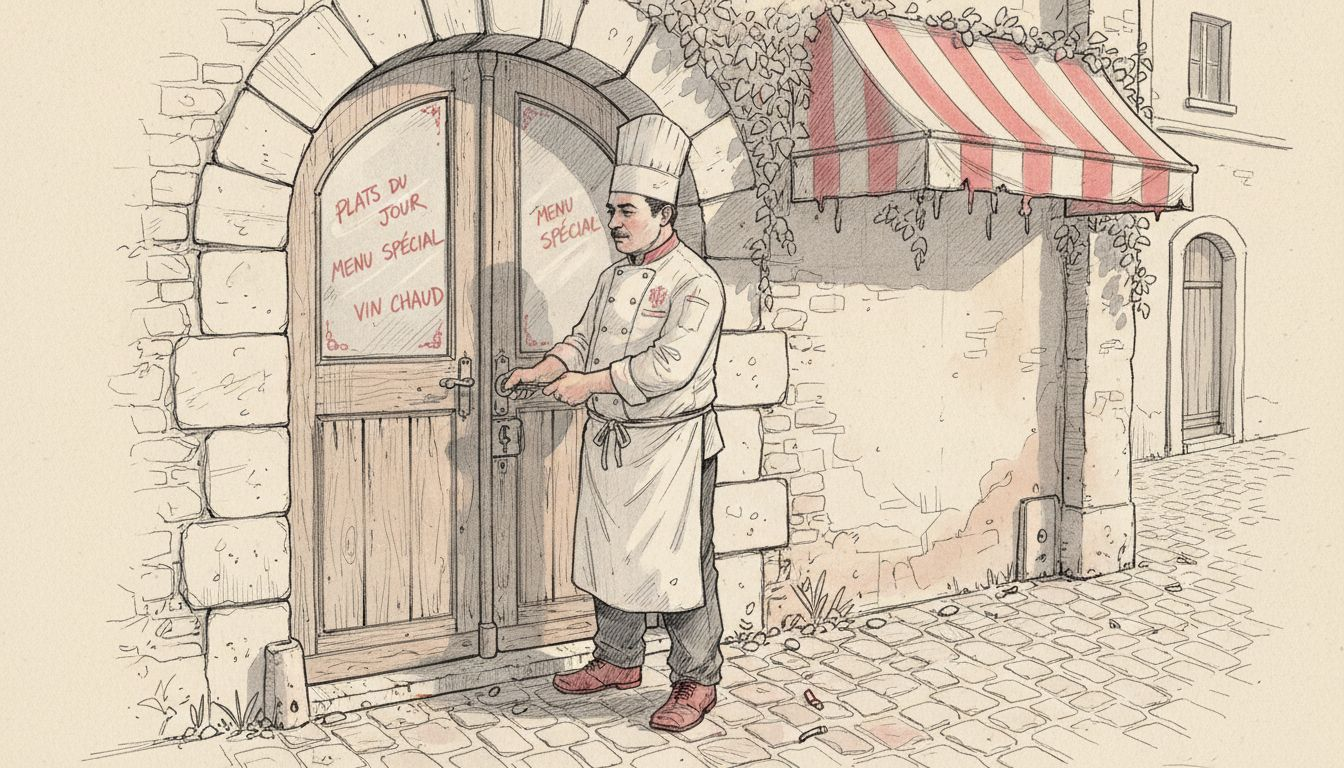
What distinguishes these hidden gems from mainstream establishments is their fierce commitment to authenticity. Secret venues offer discreet, charming settings that only locals and dedicated food connoisseurs typically discover. These spaces embrace unique culinary concepts rooted in historic significance rather than contemporary trends. A restaurant might specialise in forgotten regional recipes from Provence, or focus entirely on seasonal ingredients sourced from specific farmers. The menus rarely advertise themselves online; word-of-mouth remains the primary currency. This approach creates genuine intimacy between chef and diner. You’re not selecting from an optimised menu designed for maximum appeal. Instead, you’re trusting the kitchen’s vision, which often means the chef decides what you’ll eat based on what inspired them that morning.
Accessing these restaurants demands more than a reservation. Many require insider introductions or can only be booked through trusted channels. This gatekeeping isn’t snobbery; it protects the spaces from becoming tourist attractions. When you finally sit down at a table, you’re not competing with camera flashes and selfie-taking crowds. You’re participating in a genuine Parisian dining experience where the kitchen focuses entirely on the meal rather than managing expectations. The atmosphere feels lived in, with regulars occupying the same tables they’ve occupied for years. Waitstaff remember orders and preferences. Wine pairings receive thoughtful consideration. This is dining as French people experience it when they’re eating well but not performing for anyone else.
Pro tip: Contact Chef PJ through our food tour service to gain access to exclusive restaurants that don’t accept random reservations; our chef partnerships open doors to venues that gatekeep their tables deliberately.
Chef-Led Tours and Their Unique Value
A chef-led food tour transforms your entire relationship with a city’s culinary culture. Unlike standard guided tours where a professional narrator recites facts about restaurants, a chef brings unparalleled insider knowledge grounded in lived experience. When Chef PJ leads a tour through Paris, you’re not following someone who researches restaurants online; you’re following someone who has cooked in those neighbourhoods, sourced ingredients from those markets, and eaten at those tables for years. This distinction matters profoundly. A chef notices details that typical tour guides miss entirely. They spot seasonal menu shifts three weeks before restaurants advertise them. They know which sommelier just arrived at a wine bar and changed the selection. They understand the culinary philosophy behind a dish’s presentation because they’ve debated similar techniques with other cooks.
The benefits of chef-led food tours extend far beyond simply eating well, though that certainly happens. Chefs facilitate genuine conversations with restaurant staff, kitchen teams, and fellow diners in ways that structured group tours cannot replicate. When a chef walks into a restaurant they know, doors open literally and figuratively. You gain access to kitchen areas, speak directly with other chefs, and receive explanations about techniques and ingredients that menus never convey. The chef becomes your translator, not just of language but of culinary philosophy and cultural context. They share stories about how traditional recipes evolved, why certain ingredients matter within specific seasons, and how contemporary chefs honour classical techniques whilst pushing boundaries.
Perhaps most valuably, a chef-led experience personalises dining in ways that solo travel cannot achieve. Chefs adjust tours based on genuine group interests rather than following a predetermined script. If your group becomes fascinated by a particular technique or ingredient, the chef can improvise, taking you deeper into that specific culinary rabbit hole. If someone in your group follows dietary preferences, a chef’s restaurant relationships mean alternatives emerge naturally rather than feeling like accommodations. You’re not consuming Paris’s food culture; you’re having it explained by someone who contributed to shaping it. This transforms eating from a transactional experience into genuine cultural participation where every meal becomes a conversation between you and the chef about what food means, how flavours work, and why Parisians approach dining with such intentionality.
Pro tip: Book your chef-led tour for off-peak seasons (October to November or January to March) when chefs have more flexibility to customise experiences and restaurants feel genuinely lived in rather than crowded with tour groups.
Essential Parisian Dining Etiquette Explained
Parisian dining etiquette might seem unnecessarily formal until you understand its core purpose: creating space for genuine conversation and culinary appreciation. Respecting meal timings forms the foundation of Parisian dining culture, with lunch typically occurring between noon and 2:30 PM and dinner beginning at 7:30 or 8 PM onwards. These aren’t arbitrary schedules; they structure the entire day around meals as social events rather than fuel stops. When you book a reservation for 8 PM, arriving at 8:15 signals disrespect to both the kitchen and other diners. Conversely, arriving significantly early creates awkwardness that most restaurants handle politely but with visible irritation. The timing matters because the kitchen plans its workflow around reservation times, and service staff coordinate their evening around expected guest arrivals. For North American visitors accustomed to flexible dining windows, this rigidity initially feels restrictive. Yet it actually protects your experience by ensuring the kitchen gives your meal full attention at the precise moment they planned to prepare it.
The moment you enter a Parisian restaurant, etiquette begins with basic courtesies that establish respect. Greet staff with “Bonjour” during daytime hours or “Bonsoir” after evening begins. Make eye contact when doing so. Never seat yourself; wait for staff to guide you to your table. These actions might feel unnecessarily formal, but they communicate that you respect the establishment and understand its customs. French service is intentionally paced to prolong the dining experience rather than rush diners through courses. This means your server will not hurry you between courses, and requesting the bill requires explicit action on your part. If you sit passively waiting, a Parisian server interprets this as contentment with the experience continuing. Understanding this prevents frustration when service feels slow compared to North American standards. The pace isn’t laziness; it reflects a philosophy that meals deserve unhurried attention. During the meal itself, keep your hands visible on the table when not eating, use cutlery from the outside inward as courses progress, and avoid rushing through food. Conversation should flow naturally, acknowledging both your dining companions and the culinary experience before you.
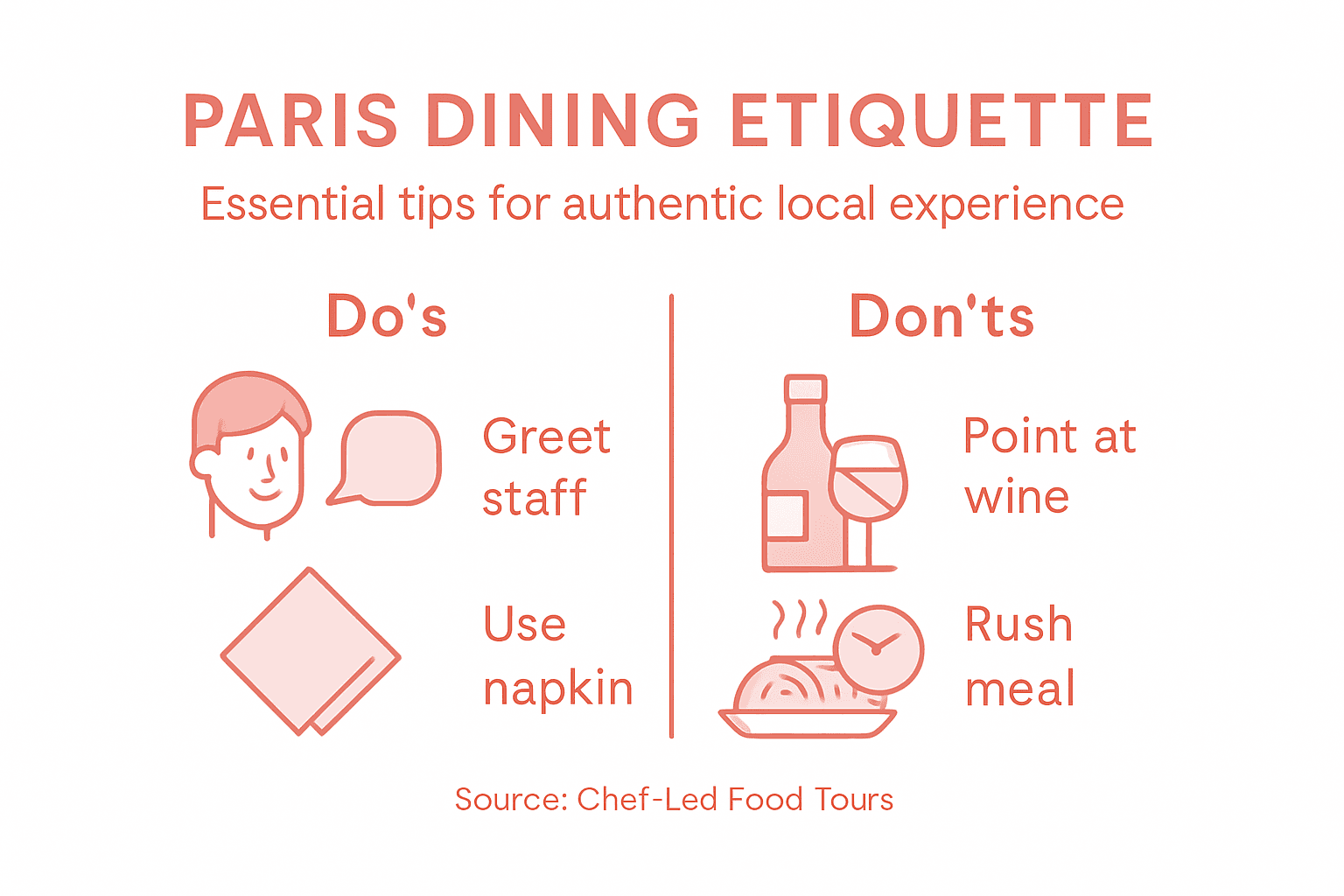
When dining finishes, clear etiquette signals wrap things up respectfully. Place your fork and knife together diagonally across your plate, indicating you’ve completed your meal. This small gesture tells your server you’re ready for clearing without needing to verbally flag them down. If you’ve enjoyed the experience, acknowledge staff members with a genuine thank you as you leave. Tipping differs significantly from North American customs; service charges are included in menu prices, and tipping 5 to 10 percent represents genuine appreciation rather than expected compensation. Understanding these details transforms dining from an anxious performance where you worry about making mistakes into genuine participation in a cultural tradition that values both the food and the social experience surrounding it.
Pro tip: Before your meal arrives, place your napkin on your lap and avoid the common mistake of ordering wine by pointing at the list; instead, describe flavour preferences to your server, who will recommend selections matching your palate and the evening’s dishes.
Below is a summary of essential etiquette versus common tourist mistakes in Parisian restaurants:
| Etiquette Essential | Typical Tourist Mistake |
|---|---|
| Greet staff on entry | Ignoring staff when arriving |
| Wait to be seated | Seating oneself without guidance |
| Respect reservation times | Arriving late or without booking |
| Hands visible at table | Keeping hands in lap |
| Ask for bill explicitly | Waiting passively for the bill |
| Use polite language | Demanding or snapping for attention |
| Leave small tip only if happy | Over-tipping or not tipping at all |
Mistakes Tourists Make and How to Avoid Them
The most consequential mistake North American visitors make in Paris is treating restaurant reservations as optional suggestions. Many tourists arrive without booking, assuming they can simply walk into establishments and secure a table. This approach fails spectacularly in Paris, where reservations represent binding commitments that kitchens depend upon for ingredient sourcing and staff scheduling. When you show up without a reservation at 7:45 PM expecting to dine at 8 PM, you’re not just inconveniencing yourself; you’re disrupting the kitchen’s entire evening workflow. Not making reservations ahead of time leaves you scrambling for last-minute options, which typically means either dining at overpriced tourist traps near landmarks or eating disappointingly late. The solution is straightforward: book your table at minimum three to five days in advance for casual neighbourhood bistros, and two to three weeks ahead for sought-after establishments. This single action transforms your entire dining experience from reactive scrambling into intentional cultural participation.
Another widespread error involves underestimating how thoroughly Parisian dining schedules differ from North American norms. Restaurants typically close between lunch and dinner service, meaning showing up at 5 PM expecting to eat guarantees disappointment. Additionally, many establishments close entirely on certain days, and holiday closures happen with minimal notice. Typical tourist errors include misunderstanding French dining schedules and failing to greet restaurant staff upon arrival. These oversights compound. You arrive at a closed restaurant, then rush to find alternatives, then forget basic courtesies because you’re frustrated and hungry. The antidote involves planning your meals around actual opening hours. Check restaurant websites or call ahead to confirm they’re open. Greet your server with genuine warmth when you finally arrive. These small adjustments prevent cascading disappointments that leave you resenting the dining experience rather than enjoying it. Finally, many tourists make the mistake of eating at restaurants clustering around major landmarks. Establishments near Notre-Dame or the Eiffel Tower survive on volume rather than quality, charging inflated prices for mediocre food. Instead, venture into residential neighbourhoods where locals actually dine. A bistro three blocks away from tourist crowds will invariably serve better food at fairer prices, and you’ll encounter genuine Parisian dining culture rather than tourist theatre.
Perhaps most damaging is neglecting basic politeness that Parisians consider fundamental. Tourists should avoid expecting immediate service and instead respect local customs that Parisians view as markers of courtesy. Thank your server explicitly when they deliver courses. Make eye contact when greeting and departing. Avoid snapping fingers or raising your voice to attract attention. These courtesies aren’t optional refinements; Parisians interpret them as baseline respect. When you treat dining staff with genuine kindness, they reciprocate with attentiveness that transforms your entire experience. The difference between a rushed, transactional meal and a genuinely memorable one often hinges on whether you’ve bothered treating people with basic human dignity.
Pro tip: Book restaurants through chef-led food tour services like Chef PJ’s experiences, which grant access to establishments that don’t accept direct reservations and navigate scheduling complexities that solo travellers struggle with.
Experience Authentic Parisian Dining Beyond the Tourist Trail
The secrets of Parisian dining reveal the challenges many travellers face when trying to enjoy genuine local flavours. From rigid reservation cultures and strict meal timings to finding hidden restaurants protected by locals and understanding intricate dining etiquette, it can feel overwhelming navigating Paris’s rich culinary traditions alone. If you want to avoid common mistakes such as arriving late, dining at tourist traps, or missing out on exclusive venues, a chef-led experience offers the perfect solution. Immersing yourself in authentic dining culture requires insider knowledge and access to hidden gems where quality trumps convenience.
Discover Paris’s culinary heart with Chef PJ, our expert in Parisian cuisine, who guides you through unmarked courtyards and under-the-radar bistros to unlock true local flavours. Our tours go far beyond simple tastings; they offer cultural participation in a dining ritual where every course, conversation, and wine pairing reflects centuries of tradition. Join small-group experiences designed to respect the rhythm of Parisian meals, ensuring an unhurried, memorable occasion. Whether navigating reservation systems or decoding local etiquette, you benefit from personalised guidance that transforms dining into a celebration rather than a challenge.
Check out The Chef Tour Cities – Explore Culinary Destinations to see what culinary journeys await you in Paris and beyond.
Ready to unlock Paris like a true local and taste the city’s undiscovered culinary treasures? Visit The Chef Tours today and book your exclusive, chef-led food tour. Get insider access to secret restaurants and enjoy immersive dining experiences that standard guides simply cannot offer. For honest reviews from travellers who have savoured this authenticity, explore The Chef Tour Reviews | What Travelers Say and take the first step towards your unforgettable Parisian food adventure.
Frequently Asked Questions
What is the significance of meal timings in Parisian dining?
Meal timings in Parisian dining are crucial as they structure the day around meals as social events. Lunch is usually between noon and 2:30 PM, while dinner begins at 7:30 PM or later. Adhering to these times is seen as respectful to both the kitchen and fellow diners.
How can I engage with restaurant staff during my meal in Paris?
In Paris, it’s important to greet staff with a polite ‘Bonjour’ or ‘Bonsoir’ and make eye contact. Engaging respectfully with restaurant staff can enhance your dining experience and lead to more attentive service.
What are the common mistakes tourists make when dining in Paris?
Tourists often make the mistake of not making reservations, arriving late, or ignoring local dining etiquette, such as failing to greet staff. These oversights can lead to disappointing dining experiences.
How does the service pace differ in Parisian restaurants compared to other dining cultures?
Parisian service is deliberately unhurried, allowing diners to savour each course and engage in conversation. This contrasts with faster-paced dining cultures, where meals may feel rushed and transactional.