

Bold declaration. Seville offers far more than mainstream dining, inviting culinary travellers to experience a vibrant food culture shaped by centuries of Greek, Roman, Jewish, Moorish, and Middle Eastern influences. For North American visitors seeking genuine local flavours, the tapas tradition showcases the city’s social spirit, while chef-led tours unlock hidden culinary gems and reveal the secrets behind enduring specialities. Discover how authenticity, history, and expert guidance combine to make each meal an unforgettable cultural adventure.
Table of Contents
- Seville’s Culinary Identity and Core Concepts
- Tapas Rituals and Social Traditions
- Iconic Dishes and Specialities of Seville
- Chef-Led Tours and Insider Experiences
- Local Markets and Seasonal Ingredients
- Dining Etiquette and Common Misconceptions
Key Takeaways
| Point | Details |
|---|---|
| Culinary Identity | Seville’s cuisine is shaped by diverse cultural influences, featuring local ingredients and traditional techniques that create a sophisticated gastronomic tradition. |
| Tapas Culture | Tapas represent more than food; they embody a social ritual that prioritises community and conversation, enhancing the dining experience. |
| Local Markets | Markets like Mercado de Triana and Mercado de Feria are integral to Seville’s culinary scene, showcasing seasonal ingredients and fostering connections with local producers. |
| Dining Etiquette | Understanding Sevillian dining customs, such as communal eating and the importance of conversation, enriches the cultural experience of meals. |
Seville’s Culinary Identity and Core Concepts
Seville’s culinary landscape represents a profound tapestry of historical interactions, where diverse cultural influences have merged to create a uniquely sophisticated gastronomic tradition. Complex historical influences have shaped a cuisine that seamlessly blends ancient techniques with innovative approaches, reflecting centuries of cultural exchange and adaptation.
The city’s culinary identity emerges from a rich blend of historical encounters, including significant contributions from Greek, Roman, Jewish, Moorish, and Middle Eastern cultures. These diverse influences have produced a remarkable food culture characterised by several distinctive features:
- Fresh, locally sourced ingredients
- Emphasis on olive oil as a fundamental culinary component
- Light, vibrant flavour profiles
- Intricate preparation techniques
- Deep respect for traditional cooking methods
Each dish tells a story of migration, conquest, and cultural synthesis. Ingredients introduced from the Americas, such as tomatoes, peppers, and beans, further transformed Seville’s gastronomic landscape, adding new dimensions to traditional recipes. The result is a cuisine that honours its roots while remaining dynamically responsive to new culinary possibilities.
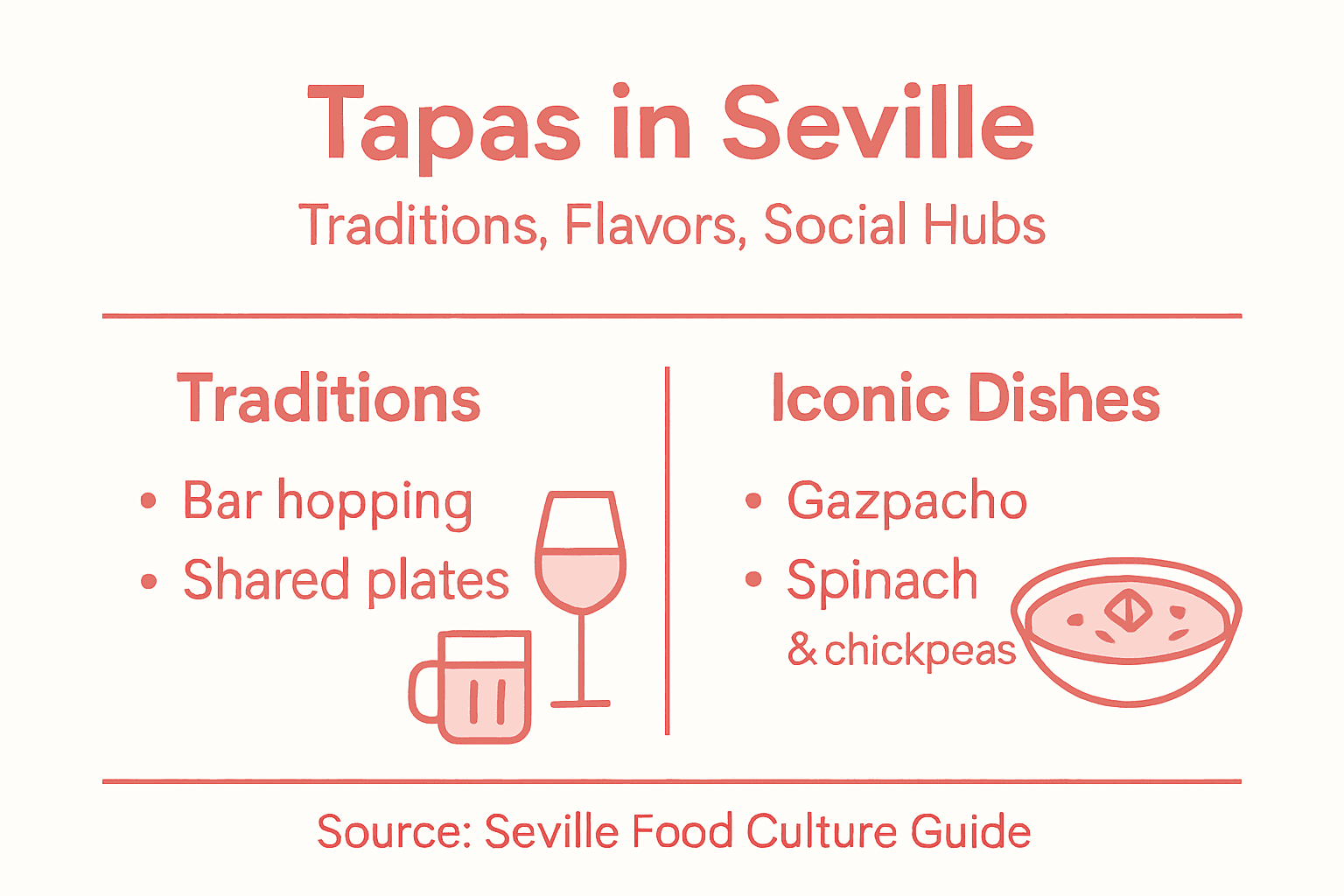
The tapas culture stands as perhaps the most emblematic expression of Seville’s culinary philosophy. These small, shared plates represent more than mere food – they embody a social ritual that celebrates community, conversation, and collective enjoyment. By prioritising quality over quantity and emphasising communal dining, Sevillian tapas reflect the city’s deeper cultural values of connection and hospitality.
Pro tip: When exploring Seville’s culinary scene, prioritise small, family-run establishments over tourist-focused restaurants to experience authentic local flavours and traditions.
Tapas Rituals and Social Traditions
In Seville, tapas represent far more than simple culinary offerings – they embody a profound social ritual that defines the city’s cultural essence. Tapas culture transcends mere dining, transforming eating into a dynamic, interactive experience that celebrates community and connection.
The historical roots of this tradition are fascinating, emerging from practical origins and evolving into a cherished social custom. Originally, tapas began as a practical solution of covering wine glasses to prevent dust and insects from entering, but they gradually transformed into a sophisticated cultural practice. Today, the tapas ritual involves several distinctive characteristics:
- Moving between multiple establishments (‘tapeo’)
- Sharing small plates that encourage conversation
- Prioritising social interaction over formal dining
- Celebrating local ingredients and culinary creativity
- Connecting different generations and social groups
Tapas bars serve as vibrant social hubs where locals and visitors alike engage in a unique dining experience. The tradition peaks during significant cultural events like Holy Week and the April Fair, where the communal spirit reaches its zenith. Each small plate tells a story, representing not just local ingredients but also the collective memory and identity of Andalusian culture.
Moreover, tapas demonstrate a remarkable culinary philosophy that values quality, variety, and social connection. By encouraging people to sample multiple dishes, share plates, and move between venues, the tapas tradition creates a fluid, interactive dining experience that reflects Seville’s warm, open-hearted social character.
Pro tip: When exploring Seville’s tapas scene, follow the locals and be prepared to stand, chat, and move between different bars to fully experience the authentic tapas culture.
Iconic Dishes and Specialities of Seville
Seville’s culinary landscape is a vibrant testament to its rich cultural heritage, with each dish telling a story of historical influences and local tradition. Seville’s cuisine celebrates fresh ingredients through a remarkable array of iconic dishes that reflect the city’s Andalusian and Moorish legacies.
The culinary repertoire of Seville encompasses several extraordinary dishes that capture the essence of local gastronomy:
- Gazpacho: A refreshing cold soup embodying summer’s flavours
- Rabo de Toro: A hearty oxtail stew demonstrating rich meat preparation techniques
- Pringá: A complex meat mixture representing traditional preservation methods
- Spinach with Chickpeas: A dish highlighting Moorish culinary influence
- Pescaíto Frito: Crispy fried fish showcasing coastal seafood traditions
Each dish represents more than mere sustenance; they are cultural artifacts that connect generations through shared culinary experiences. The preparation methods emphasise seasonality, with olive oil serving as a fundamental ingredient that transforms simple components into extraordinary meals. Local chefs maintain traditional techniques while subtly innovating, ensuring these recipes remain both authentic and relevant.
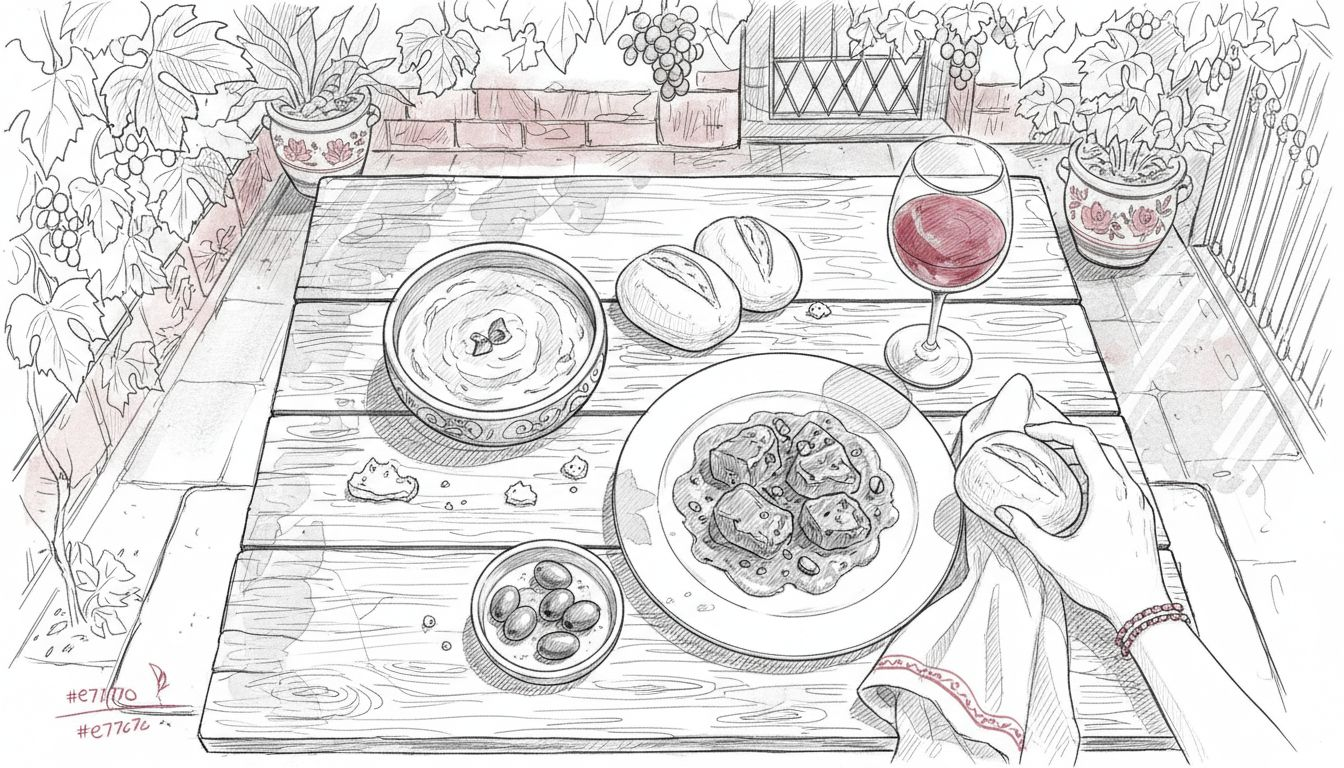
Here is an overview of Seville’s most iconic dishes and what sets each apart:
| Dish | Notable Ingredients | Unique Feature |
|---|---|---|
| Gazpacho | Tomatoes, cucumbers, oil | Served chilled; summer tradition |
| Rabo de Toro | Oxtail, red wine, spices | Slow-cooked, hearty stew |
| Pringá | Pork, beef, chorizo | Eaten inside bread at lunch |
| Spinach with Chickpeas | Spinach, chickpeas, cumin | Moorish-inspired, vegetarian |
| Pescaíto Frito | White fish, flour, oil | Deep-fried, light and crispy |
The nuanced flavour profiles of Sevillian cuisine emerge from a delicate balance of spices, fresh produce, and time-honoured cooking methods. Dishes are typically characterised by their simplicity, allowing high-quality ingredients to shine through, reflecting the region’s commitment to culinary integrity and respect for natural flavours.
Pro tip: When sampling Sevillian dishes, pay attention to the olive oil’s quality and ask local chefs about the dish’s historical background to truly appreciate its cultural significance.
Chef-Led Tours and Insider Experiences
Culinary exploration in Seville transcends typical tourist experiences through immersive chef-guided tours that reveal the city’s most intimate gastronomic secrets. These specialised tours transform dining from a passive activity into an interactive journey of cultural discovery.
The chef-led experience offers several distinctive advantages for culinary enthusiasts:
- Access to exclusive, hidden venues
- Personal insights from Michelin-starred professionals
- Deep understanding of local food traditions
- Nuanced explanations of dish origins and techniques
- Small-group interactions promoting meaningful engagement
Michelin-starred chefs bring extraordinary depth to these experiences, moving beyond simple food tastings to create narrative-driven culinary adventures. They leverage decades of professional expertise, long-standing relationships with local producers, and an intimate knowledge of Seville’s gastronomic landscape to craft experiences that are simultaneously educational and profoundly enjoyable.
These tours prioritise authenticity and craft, rejecting mass-market approaches in favour of carefully curated encounters with Seville’s most talented artisan producers. By focusing on slow travel principles and meaningful connections, chef-led experiences transform tourists into temporary locals, offering unprecedented access to the city’s rich culinary traditions.
Pro tip: Choose chef-led tours that emphasise small group sizes and demonstrate deep local connections to ensure a truly authentic Sevillian culinary experience.
Local Markets and Seasonal Ingredients
Seville’s local markets represent the heartbeat of regional culinary culture, offering visitors an authentic window into the city’s gastronomic traditions. These vibrant spaces are far more than mere shopping destinations – they are living, breathing exhibitions of Andalusian food heritage.
The market experience in Seville encompasses several distinctive characteristics:
- Fresh, locally sourced produce from regional farmers
- Direct interaction with artisan producers
- Seasonal ingredients reflecting natural agricultural cycles
- Diverse range of products including seafood, fruits, vegetables, and spices
- Social spaces that foster community connections
Two landmark markets exemplify Seville’s culinary spirit: Mercado de Triana and Mercado de Feria. These historic venues showcase an extraordinary array of ingredients that form the foundation of traditional Sevillian cuisine. Each stall tells a story of generational farming, sustainable agriculture, and deep-rooted culinary practices that have been preserved for centuries.
This table summarises how local markets shape culinary experiences in Seville:
| Market | Distinctive Offerings | Cultural Significance |
|---|---|---|
| Mercado de Triana | Fresh fish, artisanal meats | Historic riverside market; community hub |
| Mercado de Feria | Seasonal vegetables, regional cheeses | Oldest market; links generations |
Seasonal ingredients play a crucial role in defining the city’s gastronomic identity. From spring’s tender artichokes to autumn’s rich olives, every ingredient reflects the rhythms of Andalusian landscapes. Chefs and home cooks alike rely on these markets to source produce that captures the essence of local terroir, ensuring that each dish represents a genuine expression of regional flavours.
Pro tip: Visit markets early in the morning to witness the most authentic produce selection and engage directly with local vendors about ingredient origins and preparation techniques.
Dining Etiquette and Common Misconceptions
Seville’s dining customs represent a nuanced social choreography that challenges many international dining expectations. Understanding these intricate social rituals transforms a simple meal into an immersive cultural experience.
The dining protocol in Seville encompasses several distinctive characteristics:
- Meals commence significantly later than in other European countries
- Tapas encourage communal, shared dining experiences
- Conversations are considered as important as the food itself
- Modest tipping reflects appreciation rather than obligation
- Social interaction takes precedence over strict dining formalities
Misconceptions about Spanish dining etiquette frequently arise from cultural differences. Visitors often misunderstand what appears to be slow service as rudeness, when in reality, it represents a deliberate approach valuing leisurely, interconnected social experiences. Key nuances include waiting for the host’s signal before eating, keeping hands visible on the table, and understanding that bread is served without butter.
The rhythm of Sevillian dining is fundamentally about connection – between people, between courses, and between generations. Meals are not merely about consuming food, but about creating moments of shared experience. Each dining encounter becomes a subtle negotiation of social dynamics, where conversation, gesture, and timing are as crucial as the culinary offerings themselves.
Pro tip: Embrace the relaxed pace of Sevillian dining by arriving late, expecting multiple small courses, and prioritising conversation over rapid consumption.
Discover Seville’s Authentic Tapas Culture with Expert Chef Tours
Seville’s culinary world is rich with tradition and social rituals like tapas that go beyond simple dining. If you want to truly experience the vibrant food culture that the article describes—from moving between family-run tapas bars to tasting iconic local dishes like gazpacho and rabo de toro—connecting with chefs who live and breathe these traditions is essential. Avoid tourist traps and unlock insider access to hidden gems by joining small-group tours led by local culinary experts.
Explore The Chef Tour Cities – Explore Culinary Destinations and join Chef Crestani in Seville for an immersive culinary journey that reveals authentic flavours, seasonal ingredients, and tapas ritual secrets. Gain a unique insight into the heart of Seville’s food scene and turn your visit into a genuine cultural experience. Visit https://thecheftours.com now to book your food adventure and read what other travellers have to say in The Chef Tour Reviews | What Travelers Say. Take the step today and savour Seville like a local.
Frequently Asked Questions
What is the significance of tapas in Seville’s culinary culture?
Tapas are a pivotal aspect of Seville’s culinary identity, representing not just food but also a social ritual that encourages community, conversation, and shared experiences among diners.
How do traditional and modern influences shape Seville’s cuisine?
Seville’s cuisine reflects a blend of historical influences from Greek, Roman, Jewish, Moorish, and Middle Eastern cultures, which combine ancient techniques with contemporary culinary innovations, resulting in a dynamic gastronomic tradition.
What are some iconic dishes to try in Seville?
Some iconic dishes include Gazpacho, Rabo de Toro (oxtail stew), Pringá (a meat mixture), Spinach with Chickpeas, and Pescaíto Frito (fried fish), each highlighting local ingredients and unique preparation methods.
How can understanding dining etiquette enhance my experience in Seville?
Familiarising yourself with local dining customs, such as the timing of meals and the emphasis on shared experiences, can enrich your visit by allowing you to engage more meaningfully with the food and culture during your dining encounters.