

TL;DR:
- Chef-led food tours offer authentic culinary knowledge and insider access.
- Small groups and hands-on experiences enhance the educational value of the tour.
- Destination-specific tours in Paris, Seville, Berlin, and Mexico City provide deep cultural and food insights.
Choosing a food tour feels straightforward until you realise how many options exist. Every city has dozens of walking tours, tasting stops, and market visits on offer, yet most leave you full but not particularly wiser about the culture you just sampled. The difference between a forgettable afternoon and a genuinely enriching experience often comes down to one thing: who is leading you. Chef-led food tours offer something a standard guide simply cannot, which is real culinary knowledge, personal relationships with producers, and the kind of insider access that turns a meal into a lesson.
Table of Contents
- What makes a food tour truly educational?
- Paris: From market lessons to pâtisserie masterclasses
- Seville: Tapas trails, flamenco feasts, and local traditions
- Berlin: Seasonal markets, street food, and culinary subcultures
- Mexico City: Market immersion and community connection
- Our perspective on what truly makes a food tour educational
- Explore chef-led food tours with The Chef’s Tours
- Frequently asked questions
Key Takeaways
| Point | Details |
|---|---|
| Chef-led means deeper learning | Tours guided by chefs deliver memorable lessons and insider access that generic tours cannot match. |
| Small groups enhance experience | Join tours with 6-12 people for the best mix of social connection and personal attention. |
| Immersive tours are growing fast | Immersive, hands-on culinary experiences are the fastest-growing food tourism segment worldwide. |
| Local impact matters | Choose tours that support community businesses and sustainable practices for meaningful travel. |
What makes a food tour truly educational?
Not every tour that calls itself immersive actually is. A truly educational food tour goes beyond sampling dishes at pre-arranged stops. It involves interaction, context, and expertise that changes how you think about food.
The most important distinction is who leads the tour. A chef brings technical knowledge, supplier relationships, and the ability to explain why a dish tastes the way it does, not just what it is. Chef-led tour benefits include understanding provenance, technique, and the cultural history behind every bite. A general guide, however knowledgeable, rarely has that depth.
Group size matters enormously. Small group food tours of six to twelve people allow for genuine conversation with the chef, hands-on participation, and access to venues that simply cannot accommodate large crowds. The culinary tourism market shows that food tours hold a 40% share of culinary travel experiences, with immersive formats growing at 18% year on year. Chef-led half-day tours typically cost between £75 and £250, with smaller groups consistently delivering higher satisfaction.
Duration is another benchmark. The best educational tours run three to five hours, enough time to visit a market, observe preparation, taste contextually, and ask questions without rushing. Anything shorter tends to feel like a highlight reel rather than a real lesson.
Here is what to look for when evaluating any food tour:
- Chef-led: the guide should have professional culinary training or deep specialist knowledge
- Small groups: ideally six to twelve participants for genuine interaction
- Market or producer visits: sourcing ingredients is as educational as eating them
- Hands-on elements: chopping, tasting blind, or assembling a dish deepens learning
- Family-run or independent venues: these offer authenticity that chain restaurants cannot
Pro Tip: Check whether the chef has personal relationships with the venues visited. Tours built on genuine partnerships rather than paid placements are almost always more authentic and more educational.
Insider access with chefs is what separates a memorable tour from a forgettable one. When a chef knocks on a kitchen door and the owner lights up, you know you are somewhere real.
Paris: From market lessons to pâtisserie masterclasses
Paris is one of the world’s great food cities, but it is also one of the easiest cities in which to have a thoroughly mediocre culinary experience if you follow the tourist trail. The educational food tours that work here are the ones that begin before most visitors have finished breakfast.
Morning market walks led by a chef like Chef PJ reveal a Paris that guidebooks rarely capture. At markets such as Marché d’Aligre or Marché des Enfants Rouges, you learn to read seasonal produce, understand grading in French cheese, and see how professional chefs actually shop. The conversation between Chef PJ and a fromager (cheese seller) he has known for years tells you more about French food culture than any museum exhibit.
Behind-the-scenes pâtisserie workshops in working kitchens add a hands-on dimension that pure tasting tours lack. Learning to temper chocolate or laminate croissant dough gives you a physical understanding of technique. You leave not just having eaten something beautiful, but knowing why it is beautiful.
“The best food education happens when you are standing at a marble counter at seven in the morning, watching someone work, and asking questions they are genuinely happy to answer.”
The best Paris food tours combine market walks with cooking or tasting formats, creating a narrative arc across the morning. You understand ingredients before you taste the finished dish. That sequence is what makes the learning stick.
The culinary tourism market research confirms that chef-led immersive formats consistently outperform general guide tours in both satisfaction and educational value. In Paris, avoiding tourist traps is only possible when your guide has the relationships and the knowledge to take you somewhere better.
Key formats to seek out in Paris:
- Market walk plus cooking session: the gold standard for learning
- Artisan producer visits: boulangeries, fromageries, and charcuteries with working kitchens
- Heritage storytelling: understanding how Haussmann’s Paris shaped its food culture
- Wine pairing with context: learning to match rather than simply taste
Seville: Tapas trails, flamenco feasts, and local traditions
Seville is a city where food and culture are inseparable. A tapas crawl here is not just dinner; it is a social ritual with centuries of history behind it. The educational value of a well-designed Seville food tour lies in understanding that history while you eat.
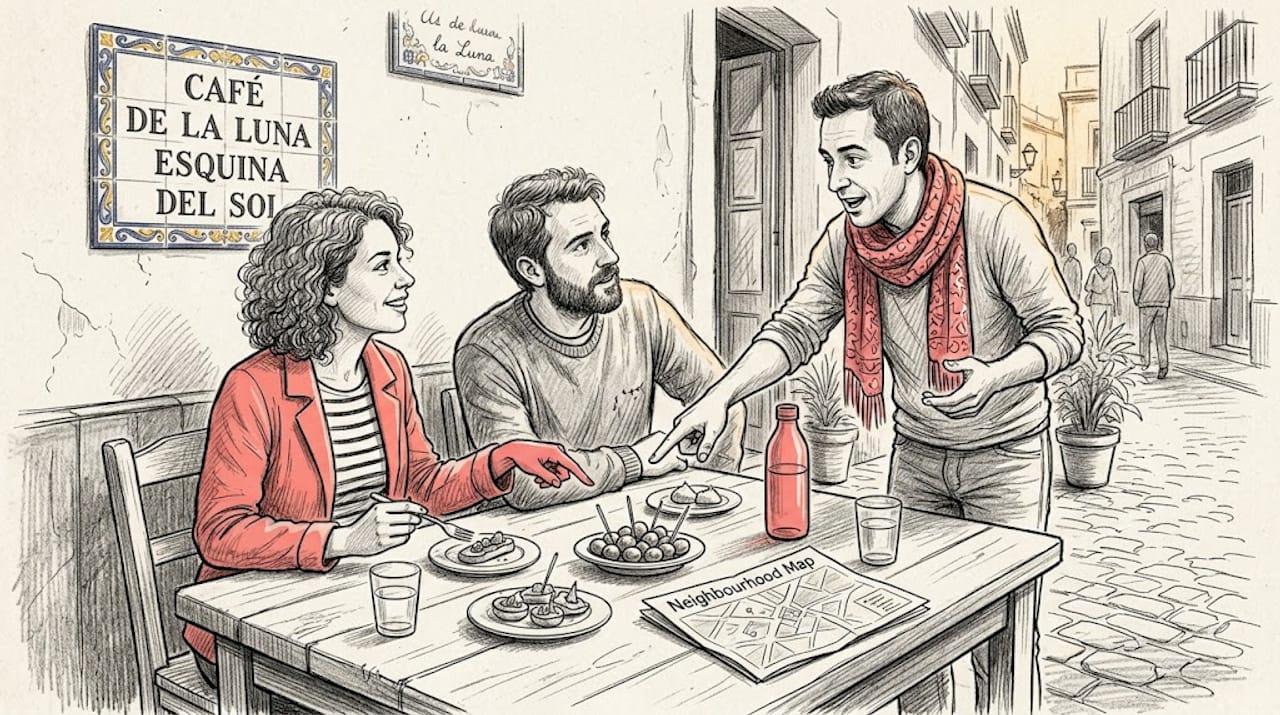
Chef Crestani leads tours that begin at the Triana market, where ingredient sourcing is part of the lesson. Watching a chef select jamón ibérico (cured Iberian ham) and explain the difference between bellota (acorn-fed) and cebo (grain-fed) grades transforms a simple tasting into a masterclass. You carry that knowledge into every Spanish deli you visit for the rest of your life.
The best Seville tours follow this sequence:
- Morning market visit with the chef, focusing on seasonal Andalusian produce
- Visit to a family-run taverna closed to the general public during tour hours
- Guided tapas crawl through the Alameda neighbourhood, away from tourist routes
- Optional flamenco dinner experience linking music, culture, and food in one evening
The culinary tourism market shows immersive food experiences growing at 18% annually, and Seville is one of the cities driving that growth. Visitors increasingly want to understand what they are eating, not simply consume it.
Pro Tip: Book tours that depart early in the morning or in the early evening. Seville’s best food venues are at their most authentic before the midday tourist rush and after it subsides. Chef Crestani’s tours are deliberately timed to give you the city as locals experience it.
Joining a food experience linked to flamenco culture is not gimmicky when it is done correctly. Flamenco grew out of the same working-class neighbourhoods where Seville’s most honest cooking developed. Understanding that shared origin makes both the food and the music more meaningful.
Berlin: Seasonal markets, street food, and culinary subcultures
Berlin is unlike any other food city on this list. Its culinary identity is not rooted in a single tradition but in layers of history, immigration, and reinvention. That complexity makes it one of the most intellectually interesting places to take a food tour.
Chef Karl Wilder knows Berlin’s food scene from the inside. His tours treat the city’s street food landscape as a living classroom, moving between Turkish döner stalls with decades of history, Vietnamese pho shops that arrived with the city’s immigrant communities, and new-wave fermentation bars that reflect Berlin’s current obsession with preservation techniques.
Seasonal market tours in Berlin, particularly at Markthalle Neun, offer lessons in provenance and sustainability that are genuinely ahead of what most cities offer. Producers explain their methods directly. You learn about soil health, heritage grain varieties, and why a tomato grown forty kilometres away tastes fundamentally different from one shipped across a continent.
Here is a direct comparison between standard and chef-led food tours in Berlin:
| Feature | Standard walking tour | Chef-led tour with Karl Wilder |
|---|---|---|
| Guide expertise | General knowledge | Professional culinary training |
| Venue access | Public restaurants | Family-run and private kitchens |
| Learning depth | Descriptive | Technical and contextual |
| Group size | Up to 25 | Six to twelve |
| Duration | 2 hours | Three to five hours |
| Community benefit | Minimal | Direct support for local producers |
The culinary tourism market highlights growing demand for tech-enhanced and personalised tour formats. Berlin is at the forefront of this, with some tours incorporating app-guided elements or augmented reality overlays at historic food sites. Chef Karl’s tours balance innovation with substance, ensuring technology supports the learning rather than replacing it.
Pro Tip: Choose a Berlin tour that covers both historical and contemporary food culture. Understanding the city’s division and reunification through its food, from East German staples to the multicultural street food scene that followed, gives you a far richer picture than a street food crawl alone.
For a deeper look at hidden Berlin food tours, the venues that never appear in travel magazines are often the most rewarding.
Mexico City: Market immersion and community connection
Mexico City sets a standard that other destinations are still catching up to. The food tour culture here is deeply connected to community economics, and the best tours are designed so that your spending directly benefits the markets, cooks, and producers you visit.
Chef Karl Wilder’s Mexico City tours centre on the city’s extraordinary market system. Mercado de la Merced and Mercado de Medellín are not tourist attractions; they are working wholesale and retail markets where professional cooks shop daily. Joining a chef in that environment teaches you about Mexican ingredient culture in a way no restaurant visit can replicate.
Mexico City authentic downtown food tours consistently achieve ratings between 4.7 and 5.0, with small groups of six to twelve and durations of three to five hours. Pricing ranges from $65 to $250, making them competitive with European options while offering exceptional depth. Community support is a defining feature, with tour fees distributed fairly among participating vendors and cooks.
A typical Mexico City educational tour format:
- Early morning market walk with the chef, learning ingredient identification and seasonal context
- Hands-on cooking session with a local family, preparing two or three traditional dishes
- Guided tasting at community-run food stalls, with the chef explaining regional variations
- Discussion of how local chef influence shapes neighbourhood food economies
“In Mexico City, the market is the kitchen. Everything starts there, and understanding that changes how you eat everywhere else.”
The food destination trends point clearly toward community-centred models as the future of culinary tourism. Mexico City is not following that trend; it has been living it for generations. Traditional community food events in other cultures show similar patterns, where shared meals carry social and economic meaning beyond simple nourishment.
Our perspective on what truly makes a food tour educational
Here is an uncomfortable truth about the food tour industry: most tours are designed around convenience for the operator, not education for the traveller. Stops are chosen because they pay commission or because they are easy to access at scale, not because they are the most authentic or the most instructive.
The tours that genuinely educate you are built around a chef’s personal network, not a sales arrangement. When Chef PJ takes you to a pâtisserie in Paris, it is because he trained near there and knows the owner. When Chef Crestani walks you through Triana market, he is shopping the way he actually shops. That authenticity is not a feature you can manufacture.
We also think the market-plus-cooking format is significantly undervalued. Most travellers book tasting tours because they sound enjoyable, and they are. But the tours that change how you cook at home, how you shop, and how you think about food are the ones where you participate rather than simply consume. Hands-on experience creates memory in a way that passive tasting does not.
The best investment you can make as a food-driven traveller is not the most expensive tour. It is the one led by someone who genuinely loves what they do and has the relationships to show you something real.
Explore chef-led food tours with The Chef’s Tours
If this article has made you think differently about what a food tour can be, the next step is finding one that actually delivers on that promise.
At The Chef’s Tours, every experience is built around a working chef with deep local knowledge. Chef PJ leads our Paris tours through markets and pâtisseries that most visitors never find. Chef Crestani brings Seville’s tapas culture to life through family-run venues and early-morning market visits. Chef Karl Wilder covers both Berlin and Mexico City, offering tours that range from street food history to hands-on market cooking. Whether you are travelling solo, as a couple, or with a corporate group, we offer small group and private experiences designed to give you genuine culinary insight. Browse our full range of tours and book your place today.
Frequently asked questions
What is the difference between a chef-led and a standard food tour?
Chef-led food tours provide deeper culinary expertise and insider venue access that general guides cannot match, making the experience significantly more immersive and educational.
Are educational food tours suitable for solo travellers?
Yes, small group formats of six to twelve people are ideal for solo travellers, offering both structured learning and natural social connection with other food enthusiasts.
Which destination offers the best value for educational food tours?
Mexico City consistently offers excellent value, with tour pricing from $65 combined with high ratings, community focus, and hands-on market experiences that are hard to match elsewhere.
How long do educational food tours typically last?
Most educational food tours run for three to five hours, which is enough time to visit a market, participate in cooking, and taste dishes with proper context.
Do chef-led tours support local communities?
Many chef-led tours directly benefit local producers, markets, and family-run eateries, with tour fees distributed among the community participants rather than centralised operators.