

Every Paris morning, over six million baguettes are baked and sold, shaping a ritual as enduring as the Seine. For culinary tourists, exploring the baguette means delving beyond a simple loaf to uncover a powerful symbol in French and British cultural exchanges. This story invites you to step into bakeries alongside local chefs, revealing myths, innovations, and legal protections that make the baguette a true emblem of national identity.
Table of Contents
- Defining The Baguette: Origins And Myths
- Key Innovations In Parisian Breadmaking
- Baguette Variations And French Law Protections
- Cultural Impact And Unesco Recognition
- Tips For Enjoying Authentic Parisian Baguettes
Key Takeaways
| Point | Details |
|---|---|
| Cultural Significance | The baguette represents a vital element of French identity and social connection, recognised globally by UNESCO as an intangible cultural heritage. |
| Legal Protections | French legislation stipulates specific standards for baguette production, ensuring authenticity through classifications like baguette tradition and baguette ordinaire. |
| Technological Evolution | Innovations in breadmaking, including steam ovens and improved milling techniques, have significantly enhanced the quality and consistency of baguettes since the 19th century. |
| Experiential Consumption | Enjoying a baguette should involve appreciating its craftsmanship; locals recommend sourcing from traditional boulangeries for the most authentic experience. |
Defining the Baguette: Origins and Myths
The baguette represents far more than a simple bread product – it embodies the soul of French culinary heritage. Despite its iconic status, the origins of this beloved loaf are shrouded in fascinating myths and contested historical narratives. French bread history reveals a complex story that transcends mere sustenance.
Popular legends surrounding the baguette’s creation range from military convenience to social revolution. One persistent myth suggests Napoleon Bonaparte commissioned a thinner bread that could easily fit into soldiers’ uniform pockets, enabling quicker meal consumption during military campaigns. Another narrative claims the bread was designed to prevent violence among Paris metro workers by creating a form of bread that could be easily broken and shared without requiring knives – which might provoke conflict.
However, historical evidence suggests the baguette’s true origins are more pragmatic. The modern baguette emerged in the early 20th century, driven by practical considerations of worker efficiency and bread production technologies. Parisian culinary traditions indicate that the bread’s lean dough and affordable price point made it accessible across social classes, transforming it from a mere food item into a cultural symbol.
Pro tip: When exploring Paris, seek out traditional bakeries that still use classic baguette-making techniques to experience the most authentic representation of this legendary bread.
Key Innovations in Parisian Breadmaking
The evolution of Parisian breadmaking represents a fascinating intersection of technological advancement and culinary artistry. Steam oven technologies revolutionised bread production in the 19th century, introducing unprecedented precision and quality to traditional baking methods. The introduction of Hungarian flour (gruau) marked a significant turning point, enabling bakers to create lighter, more refined bread with exceptional texture and taste.
Industrial innovations played a crucial role in transforming bread production. The arrival of August Zang’s Viennese steam oven in 1839 represented a pivotal moment in Parisian baking techniques, allowing for more consistent crust development and interior crumb structure. These technological advancements were complemented by improvements in yeast strains and flour milling techniques, which enabled bakers to produce bread with greater reliability and superior sensory qualities.
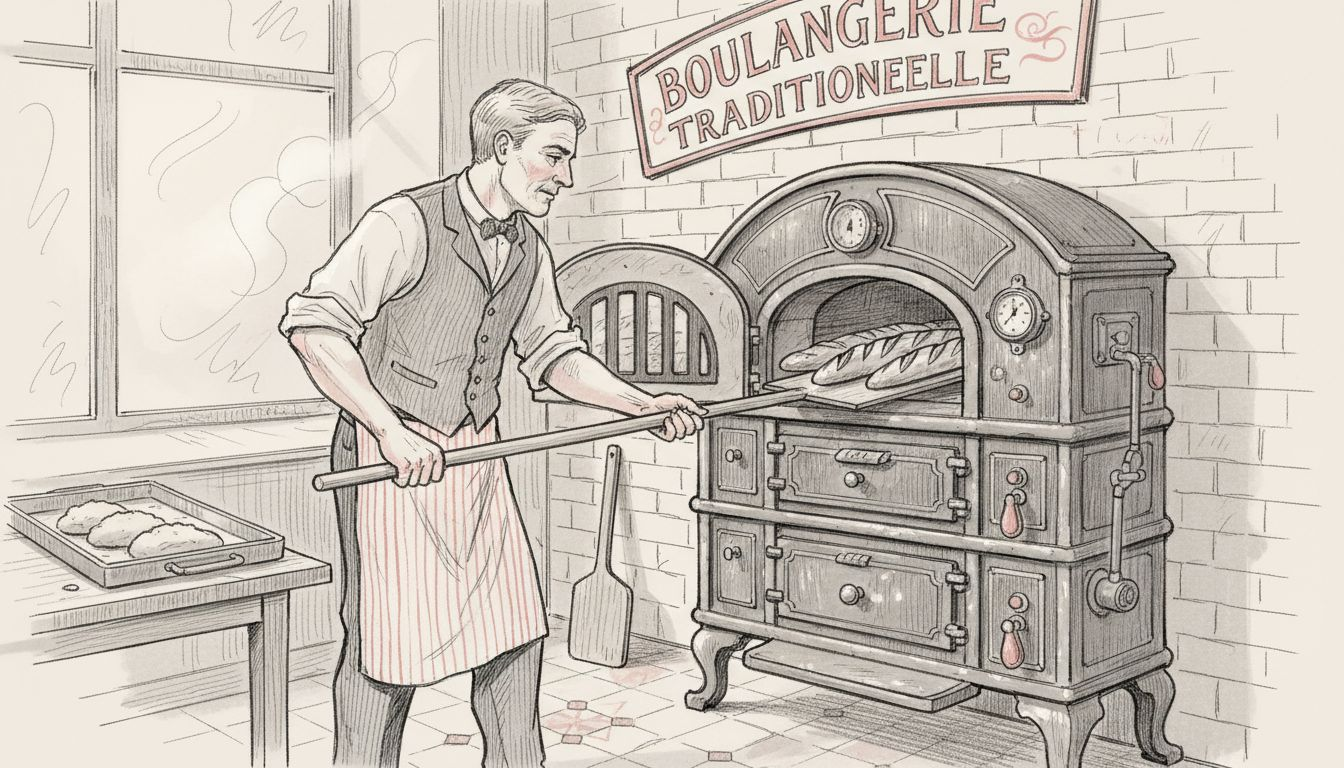
The early 20th century saw significant regulatory interventions that further shaped breadmaking practices. In 1920, official regulations standardised the baguette’s characteristics, defining precise parameters for shape, weight, and pricing. Breadmaking industrial progress also responded to social changes, such as labour laws limiting bakers’ working hours, which indirectly influenced bread production methods and loaf design.
Pro tip: When visiting Parisian bakeries, ask about their specific baking techniques to gain insight into the nuanced craft of traditional French breadmaking.
Baguette Variations and French Law Protections
French culinary legislation has developed intricate protections for the baguette, elevating it from a simple bread product to a legally defined cultural icon. Bread Decree regulations strictly define authentic baguettes, mandating that they contain only four fundamental ingredients: flour, water, yeast, and salt. This minimalist approach ensures that each loaf maintains a pure, traditional character that reflects generations of French baking expertise.

Two primary baguette classifications emerge from these legal frameworks: the baguette tradition and the baguette ordinaire. The tradition variant adheres to more stringent artisanal methods, representing a commitment to time-honoured techniques. In contrast, the ordinaire allows for more industrial production methods, providing flexibility while still maintaining core quality standards. These legal distinctions protect both culinary heritage and modern production requirements, creating a balanced approach to bread manufacturing.
Here is a comparison highlighting the differences between the two main baguette classifications under French law:
| Aspect | Baguette Tradition | Baguette Ordinaire |
|---|---|---|
| Baking Technique | Artisanal, long fermentation | Industrial, shorter process |
| Ingredient Restrictions | Only basic ingredients, no additives | May contain permitted additives |
| Authenticity | Highest, strict legal definition | Reliable but less regulated |
| Typical Availability | Independent bakeries | Supermarkets and chain stores |
The 1993 Bread Decree represents a pivotal moment in French gastronomic legislation, establishing precise parameters for baguette production. Legal protections for breadmaking not only define ingredient composition but also specify dimensional requirements, ensuring consistency across bakeries nationwide. These regulations safeguard the baguette’s cultural significance, preventing industrial shortcuts from compromising its authentic character and preserving a quintessential element of French culinary identity.
Pro tip: When purchasing a baguette in France, look for the “tradition” designation to experience the most authentic, legally protected version of this iconic bread.
Cultural Impact and UNESCO Recognition
French culinary heritage transcends mere sustenance, with the baguette representing a profound national symbol that embodies cultural identity and social connection. The baguette is more than bread – it is a living cultural artefact that reflects generations of artisanal skill, community traditions, and gastronomic pride. Its significance extends far beyond the bakery, representing a daily ritual that connects French citizens through shared culinary experience.
In 2022, the United Nations Educational, Scientific and Cultural Organization (UNESCO) made a landmark decision by inscribing the artisanal craft of baguette-making onto its Representative List of the Intangible Cultural Heritage of Humanity. This global recognition affirms the baguette’s status as more than a food item – it is a sophisticated cultural practice involving intricate skills passed through generations. The UNESCO designation highlights the complex social practices, knowledge transmission, and community interactions embedded in traditional French breadmaking.
For a swift reference, here are major milestones in the baguette’s history and cultural recognition:
| Year | Milestone | Significance |
|---|---|---|
| 1839 | Viennese steam oven introduced | Enabled crisp crust and airy crumb |
| 1920 | Baguette regulations instituted | Standardised bread shape and price |
| 1993 | Bread Decree enacted | Protected traditional baguette recipe |
| 2022 | UNESCO Intangible Heritage listing | Affirmed international cultural importance |
The baguette’s cultural impact resonates through multiple societal dimensions. In French households, sharing bread remains a fundamental social ritual, with the baguette symbolising community, equality, and shared experience. Parisian culinary traditions demonstrate how this humble loaf represents resilience, craftsmanship, and national pride. From morning breakfasts to evening meals, the baguette continues to be a thread that weaves together French social fabric, representing continuity between historical traditions and contemporary life.
Pro tip: When exploring French bakeries, engage with bakers about their craft to understand the deep cultural significance behind each baguette.
Tips for Enjoying Authentic Parisian Baguettes
Authentic baguette experiences require understanding the nuanced art of French breadmaking. The true essence of a Parisian baguette lies not just in its consumption, but in the appreciation of its craftsmanship, texture, and cultural significance. Fresh baguettes should be enjoyed within hours of baking, with a crisp exterior that shatters delicately when torn, revealing a soft, airy interior that speaks to generations of artisanal expertise.
Discerning bread enthusiasts recognise the critical distinction between baguette tradition and mass-produced varieties. The traditional baguette, made using time-honoured techniques, represents the pinnacle of French baking artistry. When selecting a baguette, look for bakeries that adhere to classic methods, featuring minimal ingredients and handcrafted techniques. French bread culture emphasises the importance of sourcing bread from local boulangeries that prioritise quality over quantity, ensuring an authentic gastronomic experience.
Pairing becomes an essential element of baguette appreciation. Simple accompaniments like unsalted butter, high-quality cheeses, or delicate preserves can elevate the bread’s natural flavours. The ritual of bread consumption in France extends beyond mere sustenance – it is a sensory experience that connects individuals to a rich culinary heritage. Tearing the bread by hand, rather than slicing, allows for a more intimate interaction with this iconic staple.
Pro tip: Visit local Parisian boulangeries early in the morning to experience baguettes at their absolute freshest, straight from the oven.
Discover the True Essence of the Parisian Baguette with Expert Culinary Tours
The rich history and cultural significance of the baguette highlight a challenge for travellers seeking authentic experiences beyond ordinary sightseeing. Many visitors struggle to find traditional boulangeries that bake the iconic baguette using time-honoured techniques protected by French law and celebrated worldwide. Understanding baguette variations like the “baguette tradition” versus mass-produced options can feel overwhelming without local guidance.
At The Chef’s Tours, we solve this by connecting you with passionate local chefs who reveal Paris’s hidden culinary gems. Join our Parisian food tours with Chef PJ, an expert in authentic Parisian cuisine and artisan baking traditions. Experience freshly baked baguettes made with care, explore legendary bakeries, and learn the fascinating stories behind France’s legal protections and UNESCO recognition firsthand.

Book your exclusive food tour today and immerse yourself in the true legacy of the baguette. Discover how centuries of craftsmanship, tradition and culture combine in every bite. Visit The Chef’s Tours now to secure your spot on an unforgettable culinary journey through Paris.
Frequently Asked Questions
What is the origin of the baguette?
The baguette’s origins are linked to practical considerations in bread production and worker efficiency, with its modern form emerging in the early 20th century. Myths suggest historical influences like Napoleon Bonaparte, but the true story is deeply rooted in Parisian culinary traditions.
What ingredients are used in a traditional baguette?
A traditional baguette is made from only four fundamental ingredients: flour, water, yeast, and salt. This minimalist approach is mandated by French culinary legislation to preserve its authentic character.
What is the difference between a baguette tradition and a baguette ordinaire?
A baguette tradition is made using artisanal methods with strict ingredient restrictions, while a baguette ordinaire allows for industrial production and may contain permitted additives. The tradition represents a higher commitment to quality.
Why is the baguette important to French culture?
The baguette is more than just bread; it embodies French cultural identity and social connection. It is a symbol of community and craftsmanship, recognised globally as an essential aspect of French culinary heritage.