

Most british travelers are surprised to learn that wine tasting tours in Paris can deliver a level of immersion that rivals even the most celebrated culinary capitals. For food and wine lovers eager to go beyond ordinary tastings, personalized experiences guided by local chefs unlock rare access to hidden gastronomic gems. With over 60 percent of visitors stating that chef-led tours transformed their connection to French terroir, these journeys promise a deeper, hands-on understanding of both culture and flavor.
Table of Contents
- Defining Wine Tasting Tours And Experiences
- Types Of Wine Tasting Tours Explained
- How A Wine Tasting Tour Works Step-By-Step
- Chef-Led And Personalised Wine Experiences
- Common Misconceptions And Mistakes To Avoid
Key Takeaways
| Point | Details |
|---|---|
| Wine Tasting Tours are Holistic Experiences | They combine cultural exploration, sensory education, and regional storytelling, providing rich engagement with wine production. |
| Diverse Tour Types Cater to Various Interests | Options include guided tours, self-guided trails, and thematic experiences, allowing participants to choose their preferred level of interaction. |
| Active Participation Enhances the Experience | Engaging with the wine-making process and asking questions deepens understanding and transforms tastings into educational journeys. |
| Chef-Led Experiences Offer Unique Insights | These personalised tours provide deeper culinary contexts and sustainable practices, enhancing appreciation for regional flavours and wine nuances. |
Defining Wine Tasting Tours and Experiences
Wine tasting tours represent far more than simply sampling different wines. These immersive experiences blend cultural exploration, sensory education, and regional storytelling into a comprehensive journey that connects visitors directly with wine production landscapes. Wine tourism creates a holistic multisensory experience that goes beyond traditional beverage consumption, transforming a simple tasting into an authentic cultural encounter.
At its core, a wine tasting tour involves visiting vineyards, wineries, and production facilities where participants can learn about wine-making processes, regional terroir, and local agricultural traditions. These tours serve as an essential bridge between wine production and cultural tourism, offering visitors direct engagement with wine products and the regions producing them. Participants gain insights into grape cultivation, fermentation techniques, and the intricate craft of wine production while experiencing the unique landscapes and heritage of wine-producing regions.
The structure of wine tasting tours typically includes several key components: guided vineyard walks, winery facility tours, professional wine tastings with expert sommeliers, and opportunities to understand the historical and cultural context of wine production. These experiences provide economic, cultural, and social benefits by connecting visitors directly with local producers and regional traditions.
Pro tip: When selecting a wine tasting tour, prioritise experiences that offer comprehensive insights into local wine-making traditions rather than just sampling different wines.
Types of Wine Tasting Tours Explained
Wine tasting tours are not a one-size-fits-all experience, but rather a diverse landscape of experiences catering to different interests and preferences. Wine tour typologies vary across different regions, offering participants multiple ways to engage with wine culture, production, and sensory exploration.
Traditional wine tasting tours typically encompass several distinct formats. Guided winery tours provide structured experiences where professional sommeliers lead visitors through detailed explanations of wine production, offering insights into grape varieties, fermentation processes, and tasting techniques. Self-guided wine trails allow more independent exploration, enabling participants to discover vineyards and wineries at their own pace. Vineyard walks combine agricultural education with scenic exploration, helping visitors understand terroir and cultivation practices directly in the growing environment.
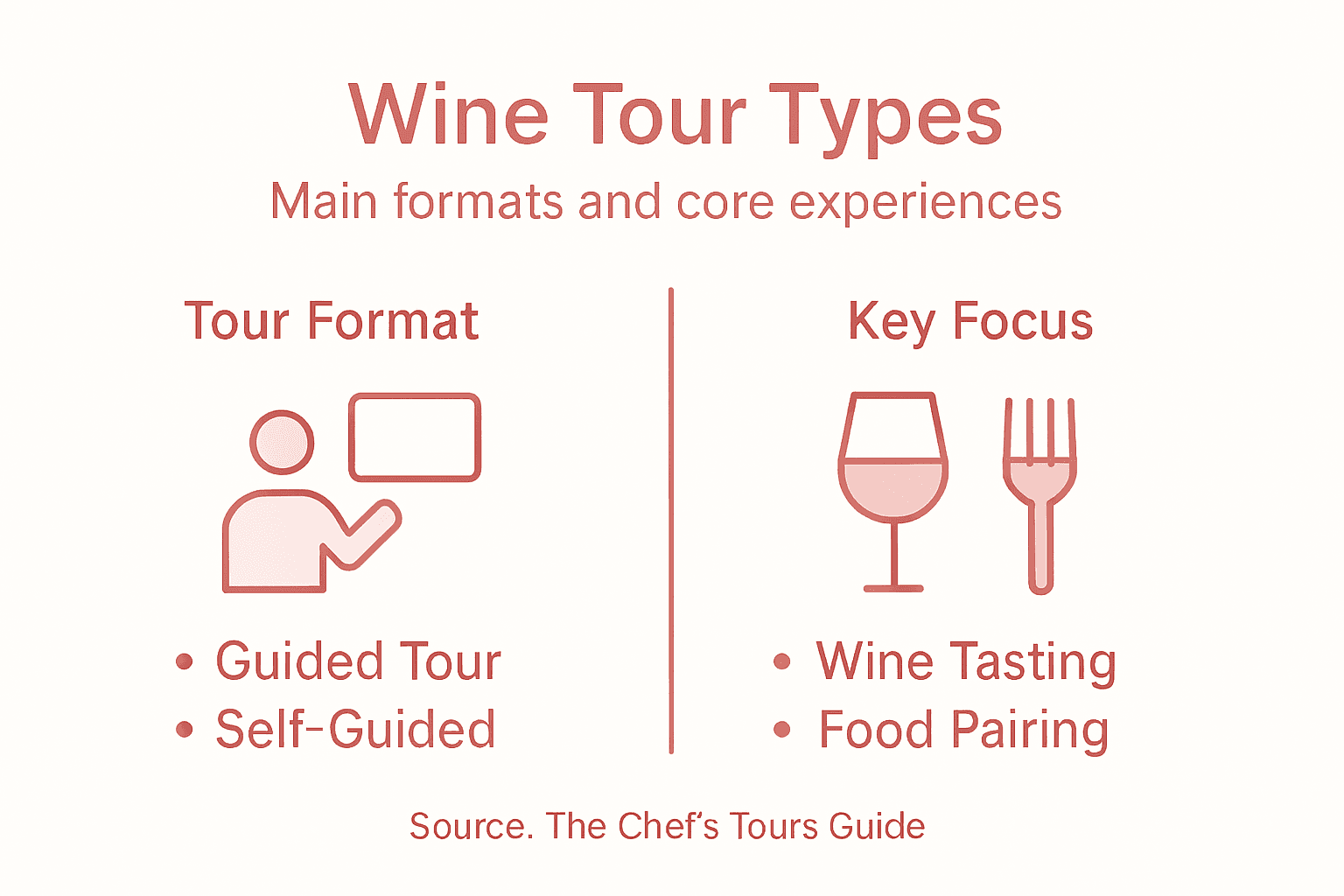
Thematic wine tours represent a more specialised approach to wine exploration. These experiences might focus on specific elements such as food and wine pairings, historical wine production contexts, or regional culinary traditions. Comparative studies highlight the diverse sensory and cultural dimensions of these tours, demonstrating how wine tasting can be both an educational journey and a profound cultural immersion. Some tours emphasise technical wine appreciation, while others prioritise storytelling and regional heritage, creating rich, multifaceted experiences for participants.
Pro tip: Research the specific focus of a wine tour beforehand to ensure it matches your personal interests in wine culture and tasting experiences.
Here is a comparison of common wine tasting tour types and what makes each unique:
| Tour Type | Key Focus | Level of Guidance |
|---|---|---|
| Guided Winery Tour | In-depth production insight | Led by expert sommelier or guide |
| Self-Guided Wine Trail | Independent exploration | Map and signs, minimal instruction |
| Thematic Food Pairing | Culinary and regional traditions | Led by chef or culinary guide |
| Vineyard Walk | Terroir and grape cultivation | Guided farm walk and discussion |
| Technical Appreciation | Sensory and analysis techniques | Led by oenologist or expert |
How a Wine Tasting Tour Works Step-by-Step
Wine tasting tours follow a carefully choreographed sequence designed to provide participants with a comprehensive and engaging experience. Winery tours are structured to maximise visitor understanding, transforming a simple wine sampling into an immersive journey through wine production and cultural heritage.
The typical wine tasting tour begins with a warm welcome and orientation. Visitors are introduced to the winery’s history, its unique terroir, and the specific characteristics that make the location special. This initial stage often includes a detailed explanation of the vineyard’s background, highlighting the regional wine-making traditions and the distinctive qualities of their wines. The tour then progresses to a guided exploration of the production facilities, where participants can observe the intricate processes of wine creation – from grape selection and harvesting to fermentation and ageing.
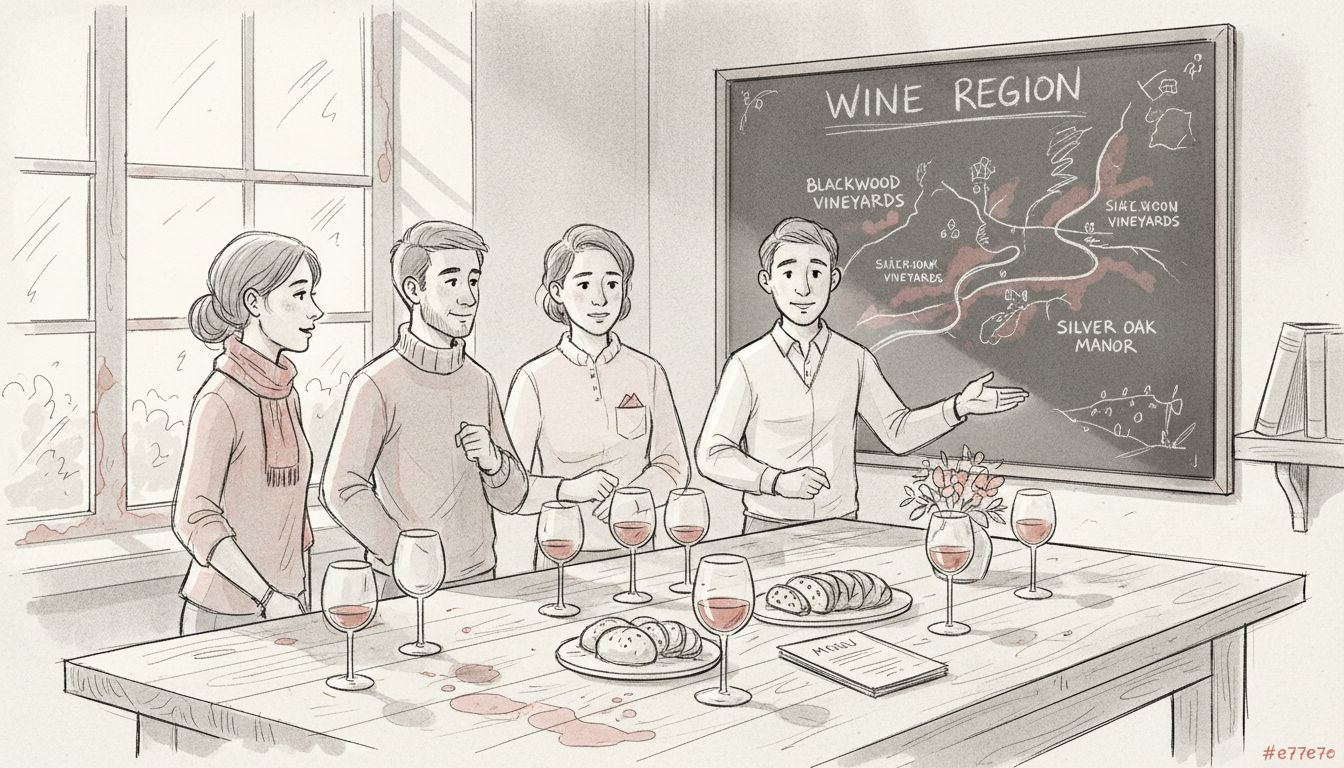
Sensory tasting experiences form the culmination of the wine tour, allowing participants to engage directly with the wines they have learned about. Professional sommeliers guide visitors through a carefully curated selection of wines, explaining tasting techniques, flavour profiles, and the nuanced characteristics of each vintage. These tastings often include comparative sessions, food pairings, and interactive discussions that transform wine sampling into an educational and memorable experience. Many tours conclude with an opportunity to purchase wines, allowing participants to take home a tangible memory of their journey.
Pro tip: Arrive with an open mind and ask questions during the tour to gain deeper insights into the wine-making process and local wine culture.
Here is a summary of steps and benefits in a typical wine tasting tour:
| Step in the Tour | Participant Benefit | Example Experience |
|---|---|---|
| Welcome and Orientation | Learn local history & terroir | Winery overview and introductions |
| Facility Exploration | See production techniques | Cellar tour, barrel viewing |
| Guided Tasting Session | Develop sensory appreciation | Expert explains flavour nuances |
| Interactive Discussion | Engage and deepen wine knowledge | Q&A with guide or sommelier |
| Wine Purchase | Take home local products | On-site shop or exclusive releases |
Chef-Led and Personalised Wine Experiences
Chef-led wine experiences represent the pinnacle of culinary tourism, transforming traditional wine tasting into an intimate, educational journey. Personalized tastings integrate expert culinary knowledge that elevates the entire sensory experience, offering guests unprecedented insights into regional flavours and wine nuances.
These bespoke experiences are distinguished by their extraordinary level of expertise and personal attention. Professional chefs bring deep culinary understanding to wine tastings, crafting experiences that go far beyond simple sampling. They contextualise wines within broader gastronomic traditions, explaining how specific vintages interact with local ingredients, cooking techniques, and cultural practices. This approach allows participants to understand wine not just as a beverage, but as a complex cultural artifact with deep historical and regional significance.
Chef-guided experiences emphasise sustainability and cultural heritage, creating immersive journeys that connect guests directly with local food and wine traditions. These tours often involve carefully curated food pairings, interactive discussions about wine production, and insights into the unique characteristics of specific wine regions. By combining expert knowledge with hands-on experiences, chefs transform wine tasting from a passive activity into an engaging, educational exploration that appeals to curious and discerning food enthusiasts.
Pro tip: Engage directly with the chef during the tour, asking about their personal experiences and insights to gain the most comprehensive understanding of the wines and local culinary traditions.
Common Misconceptions and Mistakes to Avoid
Wine tasting tour misconceptions can significantly diminish the overall experience, transforming what should be an enriching journey into a superficial encounter. Many participants approach wine tours with narrow expectations, viewing them as mere opportunities for alcohol consumption rather than comprehensive cultural experiences that offer deep insights into regional traditions, winemaking techniques, and local heritage.
One prevalent mistake is rushing through the tasting process without truly engaging with the nuanced storytelling and sensory exploration. Visitors often focus exclusively on the wine’s taste, neglecting the broader context of terroir, production methods, and cultural significance. This approach undermines the educational potential of wine tours, reducing them to simple drinking experiences rather than immersive cultural encounters that connect participants with generations of agricultural and culinary expertise.
Authentic wine tourism demands thoughtful preparation and mindful engagement, challenging visitors to move beyond passive consumption. Common errors include failing to ask questions, ignoring the historical narratives behind each vintage, and overlooking the intricate relationships between local landscapes, grape varieties, and winemaking traditions. Successful wine tours require active participation, curiosity, and a willingness to understand the complex cultural ecosystem that produces each unique wine.
Pro tip: Approach wine tours with curiosity and an open mind, preparing a few thoughtful questions about the winery’s history and winemaking philosophy to enhance your understanding.
Discover Wine Tasting Tours That Go Beyond the Sip with The Chef’s Tours
The article reveals a common challenge for wine lovers: how to move past simple wine tasting and truly connect with the rich cultural heritage, terroir, and stories behind each bottle. Many wine tours fall short by focusing only on sampling, missing the chance to engage deeply with winemaking traditions and local flavours. If you seek immersive, chef-led experiences that blend sensory education with authentic regional discovery, our curated tours across major cities like Paris, Seville, Berlin, and Mexico City are designed just for you. We believe wine tasting should be a personal journey that unveils hidden culinary gems and cultural insights under expert guidance.
Unlock the full potential of your wine tour by joining The Chef’s Tours, where professional chefs guide small groups through exclusive venues and authentic flavours beyond the typical path. Whether you crave a gourmet food pairing, a walk through vibrant markets, or an introduction to local vintages, our expert chefs elevate every sip into an unforgettable cultural encounter. Start your journey now by exploring The Chef Tour Cities – Explore Culinary Destinations and see what travellers say on The Chef Tour Reviews | What Travelers Say. Don’t settle for ordinary wine tastings. Visit https://thecheftours.com today and book a personalised experience that truly celebrates the art of wine and cuisine.
Frequently Asked Questions
What can I expect from a wine tasting tour?
A wine tasting tour offers an immersive experience that includes visiting vineyards and wineries, guided tastings led by sommeliers, exploring wine production techniques, and learning about the cultural significance of the wines.
How do I choose the right wine tasting tour for me?
Select a tour that matches your interests by researching the specific focus of the experience, such as traditional wine-making, food pairings, or terroir exploration, to ensure it aligns with your wine culture preferences.
What are the different types of wine tasting tours?
Common types of wine tasting tours include guided winery tours, self-guided wine trails, thematic food pairing tours, vineyard walks, and technical appreciation sessions, each offering a unique approach to wine exploration.
How can I enhance my experience during a wine tasting tour?
To enhance your experience, arrive with an open mind, engage actively by asking questions, and take the time to appreciate the stories behind each wine, which adds depth to the tasting and learning process.