

Travelling for food is one of the most rewarding ways to experience a new city, yet the sheer volume of options can leave even the most seasoned culinary tourist feeling overwhelmed. Walk through the streets of Paris, Seville, or Mexico City and you will find hundreds of restaurants, market stalls, and tapas bars all competing for your attention. Without guidance, it is surprisingly easy to spend your entire trip eating perfectly decent but utterly forgettable meals. Chef-led food tours solve this problem by cutting through the noise, placing you in the hands of someone who knows exactly which dishes define a city’s soul and where to find them at their very best.
Table of Contents
- How to spot a must-try dish on any food tour
- Iconic must-try dishes: 10 global highlights
- Hidden gems: Off-the-beaten-path specialities
- Comparing classic and hidden dishes: Which flavour adventure suits you?
- How to make the most of every food tour: Personalising your tasting journey
- Explore more with a chef-led food tour
- Frequently asked questions
Key Takeaways
| Point | Details |
|---|---|
| Chef-curated authenticity | Trust chef-led tours to reveal regional flavours that define a city’s culinary identity. |
| Balance icons and surprises | Mix famous dishes with lesser-known specialities for a richer tasting experience. |
| Personalise with confidence | Communicate your preferences to enjoy custom tastings and get local chef recommendations. |
| Hidden gems elevate tours | Seek out off-menu treats for memorable moments food tourists rarely find on their own. |
How to spot a must-try dish on any food tour
Not every dish on a menu deserves your appetite. Knowing how to identify a genuinely unmissable plate is a skill, and it is one that experienced chef guides have already mastered on your behalf. Understanding their thinking helps you get far more from every tasting stop.
Chefs who lead food tours apply a clear set of criteria when building their itineraries. They prioritise dishes that use locally sourced, seasonal ingredients, reflect the cultural or historical identity of the region, and cannot be easily replicated elsewhere. As chef selection methods demonstrate, chefs carefully curate dishes to showcase authentic regional tastes, which means every stop on a well-designed tour has a reason to exist.
Here is a simple framework for evaluating any dish you encounter on a local food tour:
- Uniqueness — Could you eat this dish at home, or is it genuinely specific to this region?
- Tradition — Has this recipe been passed down through generations, or is it a recent invention?
- Local ingredients — Does the dish rely on produce, meat, or spices that are native to the area?
- Chef endorsement — Is this something the guide eats personally, not just something they show tourists?
- Story — Does the dish carry a cultural narrative that adds meaning to the flavour?
Pro Tip: Before your tour begins, ask your chef guide which single dish they would eat if it were their last meal in the city. The answer will almost always be the most authentic thing on the itinerary.
Iconic must-try dishes: 10 global highlights
Armed with your new eye for authenticity, let us look at specific dishes you can expect to savour on leading food tours across five of the world’s great culinary cities. Chef-led food tours in cities like Paris, Seville, Istanbul, Berlin, and Mexico City focus on region-defining cuisine choices that tell you something real about the place.
“The best dish on any tour is the one you would never have ordered alone.” — Chef Karl Wilder, The Chef’s Tours
Here are ten dishes that consistently top the recommendations of our chef guides and the travellers who join our top culinary experiences:
- Paris: Cassoulet — A slow-cooked casserole of white beans, duck confit, and pork sausage. Rich, deeply savoury, and utterly Parisian in its commitment to patience and flavour.
- Paris: Steak tartare — Raw minced beef seasoned with capers, shallots, and egg yolk. Sounds alarming, tastes extraordinary. Chef PJ knows exactly where to find the finest version in the city.
- Seville: Salmorejo — A thick, velvety cold tomato soup topped with jamón ibérico and hard-boiled egg. Richer and more intense than gazpacho, and a staple of Andalusian home cooking.
- Seville: Pringá — Slow-braised meat, typically pork and chorizo, served in a crusty bread roll. Chef Crestani calls it the most honest sandwich in Spain.
- Istanbul: Balik ekmek — A grilled mackerel fillet stuffed into a bread roll with onions and salad, sold from boats on the Bosphorus. Simple, smoky, and completely irreplaceable.
- Istanbul: Menemen — Scrambled eggs cooked with tomatoes, green peppers, and spices. A breakfast dish that doubles as a cultural food example of Turkish communal eating.
- Berlin: Currywurst — Sliced pork sausage smothered in a curried ketchup sauce. Invented in 1949 and still the city’s most beloved street food, best eaten standing at a market stall.
- Berlin: Döner kebab — Berlin’s version is distinct from anything you will find elsewhere in Europe. Thick flatbread, slow-roasted meat, and a yoghurt sauce that Chef Karl Wilder insists is non-negotiable.
- Mexico City: Tacos al pastor — Pork marinated in dried chillies and pineapple, shaved from a vertical spit. The Lebanese shawarma influence on Mexican street food, made entirely its own.
- Mexico City: Tlayuda — A large, crispy tortilla topped with black beans, Oaxacan cheese, and your choice of meat. A dish that rewards curiosity and punishes timidity.
Hidden gems: Off-the-beaten-path specialities
Beyond world-renowned dishes, chef-led tours excel at revealing delicious secrets you might otherwise walk right past. These are the plates that locals eat on weekday lunches, the snacks sold from unmarked stalls, and the recipes that never make it onto tourist menus. Chef-led tours provide exclusive access to local favourite snacks and off-menu items that most visitors never discover.
Here are five regional specialities that regularly appear on our most adventurous itineraries:
- Boudin noir (Paris) — Black pudding made with pig’s blood, onions, and spices. Served sliced and pan-fried, it is a staple of traditional Parisian brasseries and a dish that rewards the brave.
- Montaditos (Seville) — Small open-faced bread snacks topped with everything from cured meats to pickled anchovies. Found in neighbourhood bars rather than tourist restaurants, and best eaten with a cold glass of manzanilla sherry.
- Kokoreç (Istanbul) — Seasoned lamb intestines wrapped around a skewer and grilled over charcoal. Sounds confronting, but the flavour is smoky, spiced, and genuinely addictive.
- Pfannkuchen (Berlin) — Berlin’s version of a doughnut, filled with jam or plum sauce and dusted with icing sugar. Sold from bakeries across the city, it is a beloved local treat that tourists routinely overlook.
- Escamoles (Mexico City) — Ant larvae harvested from agave plants, sautéed in butter with epazote herb. Known as “insect caviar,” they have a nutty, buttery flavour and a history stretching back to the Aztec empire.
Pro Tip: Ask your chef guide which dishes are only available during a particular season. Some of the most extraordinary culinary experiences are tied to specific harvests or festivals, and a knowledgeable guide will always know when to visit for the best version of a dish.
Comparing classic and hidden dishes: Which flavour adventure suits you?
With so many options on offer, how do you decide between tried-and-true icons and secret local delicacies? The honest answer is that the best food tours blend both, but understanding the differences helps you set your expectations and communicate your preferences to your guide.
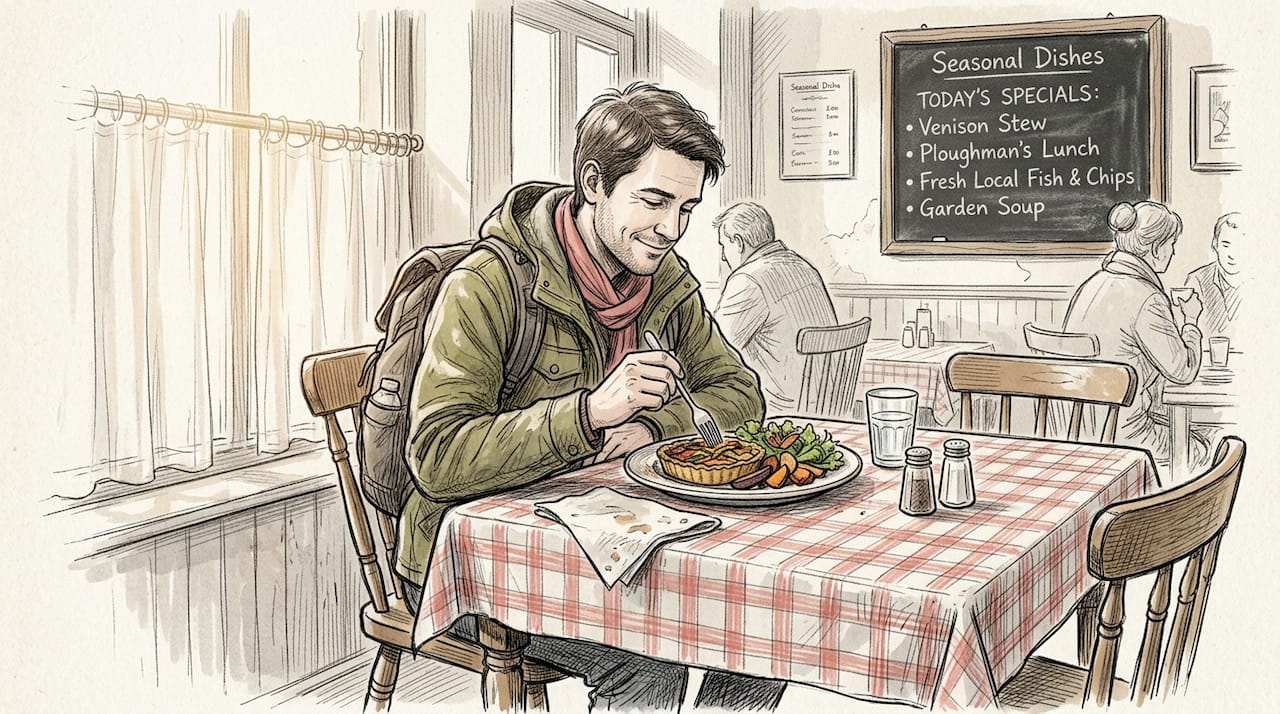
Travellers who opt for tour customisation that leans towards lesser-known dishes report 40% higher satisfaction from food tours focusing on authentic and lesser-known local dishes. That is a significant difference, and it reflects how much more memorable an unexpected discovery feels compared to ticking a famous dish off a list.
| Feature | Classic must-try dishes | Hidden gem specialities |
|---|---|---|
| Availability | Widely available across the city | Found only in specific neighbourhoods or seasons |
| Authenticity | High, but often adapted for tourists | Extremely high, prepared for local palates |
| Taste profile | Familiar and approachable | Bold, unusual, and often surprising |
| Risk level | Low | Medium to high |
| Reward | Reliable satisfaction | Potential for a life-changing bite |
| Best for | First-time visitors | Returning travellers and adventurous eaters |
The table above makes it clear that neither category is superior. Classic dishes give you a reliable, deeply satisfying introduction to a city’s food culture. Hidden gems offer the kind of story you will still be telling years later.
How to make the most of every food tour: Personalising your tasting journey
No two travellers are the same, and the best food tours reflect that. Personalising your food tour leads to a richer, more memorable experience, and it is easier to do than most people realise.
Follow these steps to build your ideal tasting itinerary:
- Define your priorities — Before you book, decide whether you want a broad introduction to a city’s cuisine or a deep focus on one particular style, such as street food, wine pairings, or market produce.
- Communicate dietary needs early — Tell your chef guide about any allergies, intolerances, or strong dislikes at the time of booking, not on the day of the tour. This gives them time to plan alternatives without disrupting the flow.
- Research the city’s food calendar — Some dishes are only available at certain times of year. Knowing this in advance helps you time your visit for maximum flavour.
- Ask for a pre-tour briefing — Many of our guides are happy to share a short overview of what to expect, which helps you arrive with context and curiosity rather than confusion.
- Keep an open mind — The dish you are most reluctant to try is often the one you remember most fondly. Trust your chef guide’s judgement.
Pro Tip: When joining food tours, pace yourself across the first few stops. It is tempting to eat everything in full at the first stall, but the most interesting dishes often appear later in the itinerary.
Explore more with a chef-led food tour
Ready to stop guessing and start tasting with genuine confidence? Our chef-led food tours place you alongside local experts who have spent years mapping the most authentic, extraordinary food experiences in their cities. Whether you are drawn to the classic bistros of Paris with Chef PJ, the tapas bars of Seville with Chef Crestani, or the street food markets of Berlin and Mexico City with Chef Karl Wilder, every tour is built around real flavour and real stories.
Our expertly guided tours are designed for small groups, which means your chef guide has time to answer questions, share secrets, and adapt the experience to what excites you most. Private and corporate options are also available for those who want an entirely bespoke journey. Visit us today to plan your culinary holiday and discover which city is calling your palate.
Frequently asked questions
How do chefs choose which dishes to feature on their tours?
Chefs select dishes that best represent the region’s history, use local ingredients, and showcase unique preparation methods. As authentic local flavours are the guiding principle, every dish on a well-curated tour earns its place.
Can I request substitutions for dietary requirements on food tours?
Most chef-led tours can accommodate dietary needs if you notify your guide in advance. Tour customisation for dietary requirements ensures your experience remains enjoyable and stress-free from start to finish.
Are hidden gem dishes safe to try?
Dishes chosen by reputable chefs are safe and prepared to local hygiene standards, even if they seem unfamiliar. Our guides provide exclusive access only to venues and vendors they trust personally.
How can I get the most out of my food tour experience?
Try a mix of iconic and lesser-known dishes, ask your chef for recommendations, and keep an open mind throughout. Blending famous and hidden dishes is the single most effective way to personalise your tasting journey and leave with genuinely lasting memories.