

TL;DR:
- Authentic European street foods are characterized by local popularity, historical significance, and preparation methods.
- Key dishes include Parisian kebab, Swiss cervelat, Berlin currywurst, Spanish churros, and Neapolitan pizza al taglio.
- Deep engagement with locals and understanding each city’s culinary story enhances memorable food experiences.
Discover Europe’s most famous street foods for travel
Walk through any major European city and within minutes you’ll face the same delicious problem: too many food options, too little time, and no idea which stall, window, or corner shop serves the real thing. Paris alone has hundreds of kebab spots. Berlin’s currywurst vendors line entire streets. Seville’s churros cafés open before sunrise. The abundance is thrilling, but it can leave even seasoned travellers paralysed. This guide cuts through the noise by giving you a practical, criteria-driven framework for identifying, comparing, and experiencing Europe’s most iconic street foods with genuine confidence and joy.
Table of Contents
- How to identify authentic street foods in Europe
- Top 5 must-try street foods across Europe
- Comparing flavours, tradition, and local food culture
- Planning your own street food adventure in Europe
- Why local context matters more than the dish name
- Ready to taste Europe’s best street food?
- Frequently asked questions
Key Takeaways
| Point | Details |
|---|---|
| Authenticity over fame | Seek out dishes that locals love and that show real connections to city culture. |
| Local variations matter | Understanding city-to-city differences makes every street food experience unique. |
| Plan immersive journeys | Design your travel itinerary around top street foods and their origins for deeper memories. |
| Join expert-led tours | Guided excursions reveal hidden gems and ensure you taste genuine specialities. |
How to identify authentic street foods in Europe
Authenticity is a word that gets thrown around constantly in travel writing, but what does it actually mean when you’re standing on a cobbled street trying to decide which stall deserves your euros? In the context of European street food, authenticity comes down to three things: local popularity, historic relevance, and the story behind the recipe.
First, look at who is eating there. A queue of office workers, market vendors, and elderly locals at lunchtime is one of the most reliable indicators that a street food spot is the genuine article. Tourists may love a place too, but they shouldn’t be the majority. If a spot is featured prominently on English-language tour maps but has no queue of locals, treat that as a warning sign.
Second, consider the historic relevance of the dish to the specific city. Cultural food experience examples often reveal that the same dish can carry wildly different meaning depending on where you eat it. A kebab in Paris is not the same as a döner in Berlin, and understanding that distinction is what separates a memorable food journey from a mediocre one. As Bon Appétit notes, kebab styles in Paris vary significantly by cut and preparation, reflecting the city’s rich immigrant history rather than offering a one-size-fits-all product. This means your question at the counter should never just be “one kebab, please.” It should be, “Which style do you recommend here?”
Third, pay attention to preparation. Visible cooking, fresh ingredients prepared in front of you, and a short menu focused on one or two things well are all excellent signals. Street food vendors who try to sell you fifteen different dishes are usually hedging. The best spots do one thing, and they do it brilliantly.
- Look for queues of locals, especially at non-tourist hours
- Ask which variant or style is most popular with regulars
- Prioritise stalls with visible, live preparation
- Choose spots with short, focused menus over sprawling options
- Research the dish’s city-specific history before you visit
If you’re travelling across top cities for food like Paris, Berlin, or Seville, the best investment you can make is a few minutes of conversation with your hotel concierge, a market vendor, or a local guide who can tell you not just what to eat, but how to order it like someone who grew up there.
Pro Tip: Before visiting any European city, search for the dish name alongside the city name and the word “local” or “traditional.” You’ll often find forum discussions from residents that reveal the best spots tourists never find.
Top 5 must-try street foods across Europe
Europe’s street food scene is extraordinarily varied, but certain dishes rise above the rest as genuine cultural landmarks. Here are five that any food-focused traveller should seek out.
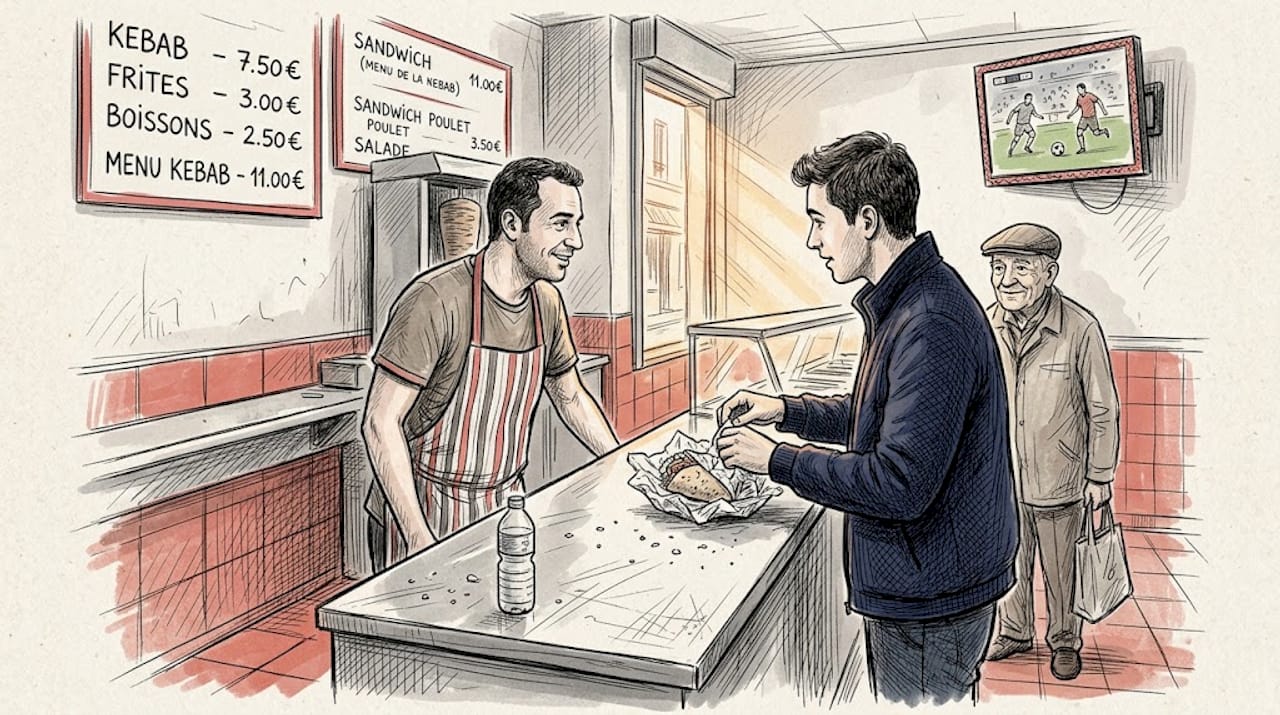
Parisian kebab. Do not let anyone convince you this is fast food. In Paris, the kebab is an institution. Kebab in Paris evolved alongside the city’s North African and Turkish immigrant communities, and today hundreds of shops across the city serve their own distinctive version. The key is to ask for the style of meat and bread that is local to that particular arrondissement. Late-night, post-dinner kebab runs are a genuine Parisian ritual.
Swiss cervelat. Often grilled outdoors at festivals or sliced cold into salads, the cervelat is Switzerland’s most beloved sausage. Switzerland’s cervelat production reflects its deeply embedded role in everyday Swiss life, with around 160 million produced annually. Served split and grilled over an open fire, the cervelat has a mild, slightly smoky flavour with a satisfying snap to the casing. It’s the kind of food that feels simple until you realise how much tradition is packed into every bite.
Berlin currywurst. A sliced pork sausage smothered in curried ketchup and served with a bread roll or chips, currywurst is Berlin’s great democratic dish. It’s eaten standing up at imbiss stalls by construction workers and city bankers alike. The quality varies enormously, so always choose a stall that makes its own sauce rather than using a bottled version.
Spanish churros. In Spain, churros are not a dessert. They are eaten for breakfast, dipped into thick hot chocolate, and shared communally. In Seville and Madrid, the ritual of sitting at a churrería with friends first thing in the morning is a cultural experience as much as a culinary one. Order them fresh and eat them immediately.
Neapolitan pizza al taglio. Strictly speaking, al taglio (by the slice) pizza is a Roman street food staple, but Naples has its own extraordinary walk-and-eat pizza culture. The crust is characteristically charred, light, and blistered. Ask for the margherita from a wood-fired oven and nothing else. Simplicity is the point.
Europe’s most iconic street foods are worth exploring in their home cities, where the full cultural context brings every bite to life.
For authentic Paris food experiences or must-try food experiences in Seville, the context you bring to each dish is what transforms eating into genuine discovery.
Pro Tip: For currywurst in Berlin, skip the tourist-facing stalls near major monuments. Head to a residential neighbourhood stall instead. The sauce will almost always be better, and the experience far more authentic.
Comparing flavours, tradition, and local food culture
Once you’ve identified Europe’s key street foods, the next challenge is choosing which to prioritise on a limited itinerary. A side-by-side comparison helps.
| Street food | Flavour profile | Best time to eat | Cultural context |
|---|---|---|---|
| Parisian kebab | Savoury, spiced, rich | Late evening | Immigrant culinary tradition |
| Swiss cervelat | Mild, smoky, meaty | Lunchtime or festivals | National identity, outdoor culture |
| Berlin currywurst | Tangy, sweet, peppery | Any time of day | Post-war working-class history |
| Spanish churros | Sweet, doughy, crispy | Breakfast | Family and community ritual |
| Neapolitan pizza al taglio | Charred, simple, fresh | Midday | Ancient baking craft |
The differences go beyond taste. Consider tradition. Churros in Seville trace their roots to centuries-old community gatherings, whereas currywurst was literally invented in post-war Berlin in 1949 by Herta Heuwer, who mixed British ketchup with curry powder to feed hungry workers. Both are beloved. Both are historically loaded. But they represent entirely different stories.
Migration has shaped modern European street food in ways that are impossible to ignore. Kebab styles in Paris are a direct reflection of how North African and Turkish communities adapted their culinary traditions to local French tastes, ingredients, and eating customs over decades. The result is something genuinely Parisian rather than simply imported.
- Taste: Consider whether you want bold spice (kebab, currywurst) or subtle comfort (cervelat, churros)
- Portion size: Pizza al taglio and currywurst are filling; churros and cervelat are lighter snacks
- Eating style: Some are stand-and-go (currywurst, kebab), others invite sitting and sharing (churros)
- Time of day: Plan your food itinerary around when each dish is eaten locally
“The best street food trips are not about ticking boxes. They’re about understanding the human story inside the recipe.”
For deeper insight into how cities shape their food cultures, exploring top food tours for enthusiasts is one of the most effective ways to understand these nuances through lived experience rather than reading alone.
Planning your own street food adventure in Europe
Knowing which dishes to try is only half the challenge. Building a practical, enjoyable itinerary around street food requires a few deliberate choices.
Step 1: Choose your cities first, then the food. Each European city has one or two street foods that are genuinely unmissable. Start by selecting two or three cities on your route and anchor your planning around the signature dish of each. Paris means kebab and patisserie culture. Berlin means currywurst. Seville means churros and tapas stalls. Build from there.
Step 2: Identify neighbourhoods over landmarks. The best street food in any European city is almost never located near the most photographed monument. It’s tucked into market halls, residential squares, and the kinds of streets that don’t appear on tourist maps. Ask a local or a guide to point you toward the right postcode.
Step 3: Time your visits deliberately. Cervelat is best in Switzerland at outdoor festivals and summer gatherings, while cervelat consumption of around 20 per person per year reflects how embedded it is in daily Swiss life. Churros are a breakfast food. Pizza al taglio is a midday affair. Eating these dishes at the wrong time of day means missing the full social experience that surrounds them.
Step 4: Join a chef-led tour for at least one city. Chef-led city tours remove the guesswork entirely. A knowledgeable guide does not just take you to good food. They explain why a particular stall has been running for forty years, what the vendor changed after a key ingredient became harder to source, and which regulars have been coming every day for decades. That kind of context is impossible to replicate with a guidebook.
Step 5: Keep a food journal. It sounds old-fashioned, but noting what you ate, where, and what made it remarkable gives you a personal record that enriches future trips. You’ll also remember which dishes surprised you the most.
| City | Signature street food | Best season to visit |
|---|---|---|
| Paris | Kebab | Year-round, especially autumn |
| Berlin | Currywurst | Year-round, great in winter |
| Seville | Churros | Spring and early autumn |
| Switzerland | Cervelat | Summer festivals |
| Naples | Pizza al taglio | Year-round |
For a full walkthrough of how to structure your visit, a dedicated resource on planning a Paris food tour offers practical advice from chefs who know the city intimately.
Pro Tip: If you’re visiting multiple cities in one trip, try the same general category of dish (such as sausage or flatbread) in each city. The variations will teach you more about local culture than any museum exhibit.
Why local context matters more than the dish name
Here’s an uncomfortable truth about food tourism: chasing famous names is often the least rewarding way to eat. Most travellers arrive in Paris determined to find “the best kebab” because they read about it online. They visit two or three highly rated spots and come away satisfied but not transformed. The experience was good, but something was missing.
What was missing was context. The person who told them about the kebab was not there. Neither was the story of the Algerian family who opened that particular shop in the 1980s, adapted the recipe to suit French bread, and has since fed three generations of locals. That story is not on any app. You get it by talking to people.
At The Chef Tours, we’ve found that the most memorable food moments on our tours in Paris, Berlin, and Seville happen when a guest stops treating a dish as a trophy and starts treating it as a conversation starter. The question is not “Is this the authentic version?” but “What does this version tell me about this city?”
Kebab in Paris, as we’ve explored through our culinary travel guides, is not a single dish. It is a living document of immigration, adaptation, and genuine creativity. Every neighbourhood serves it differently. Every family recipe has a history. That is where the real richness lies, and no bucket list can capture it.
The best advice we can offer is this: go in with curiosity rather than a checklist. The dishes that surprise you the most will almost always be the ones you hadn’t planned to try.
Ready to taste Europe’s best street food?
Reading about Europe’s iconic street foods is one thing. Standing at a market stall in Seville with Chef Crestani beside you explaining why the churros here are different from anything you’ll find elsewhere is something else entirely.
At The Chef Tours, we specialise in exactly that kind of experience. Chef PJ leads our celebrated food tours through Paris, where the city’s kebab culture, patisseries, and neighbourhood bistros come alive with insider commentary. Chef Karl Wilder brings Berlin’s extraordinary food scene into sharp focus. Every tour is small-group, chef-led, and built around genuine culinary experiences to try that go far beyond the standard tourist trail. Whether you’re planning a culinary vacation from scratch or adding a food-focused day to an existing trip, our best food tours in Paris and beyond are ready when you are.
Frequently asked questions
What is the best way to find authentic street food in European cities?
Start by asking locals, observing where crowds of residents gather, and joining chef-led or specialist food tours for genuine insider access.
How does street food in Paris differ from other European cities?
Paris offers distinctive kebab styles shaped by the city’s migration history and unique late-night culture, creating a food experience you won’t find replicated anywhere else in Europe.
How popular is Switzerland’s cervelat sausage today?
Very popular. Switzerland produces around 160 million cervelats annually, which works out to approximately 20 per person each year.
Do street food tours offer vegetarian or dietary-friendly options?
Most chef-led tours in large European cities cater to vegetarians and other dietary needs, but always confirm specifics with the organiser before booking.
What makes a street food experience truly memorable?
Engaging directly with local cooks, learning the story behind a dish, and seeking out city-specific versions rather than generic interpretations makes any street food experience genuinely unforgettable.