

The global food tourism market is projected to reach USD 1,245.8 billion in 2024, yet many travellers still assume all culinary tours follow the same rigid script. Personalised food tours shatter this misconception by offering bespoke itineraries shaped around your dietary needs, pace, and curiosity. Whether you’re navigating allergies, celebrating a milestone, or simply craving deeper cultural immersion, these chef-led experiences transform how you discover a city’s culinary soul. This guide explains what sets personalised tours apart, how they work, who benefits most, and how to book one that delivers authentic taste journeys.
Table of Contents
- What is a personalised food tour?
- How does a personalised food tour work?
- Comparing personalised vs standard food tours
- Who benefits from a personalised food tour?
- Booking a personalised food tour: costs, process, and logistics
- Expert tips: making the most of your food tour
- Experience chef-led culinary adventures worldwide
- Frequently asked questions
Key Takeaways
| Point | Details |
|---|---|
| Personal touch | Personalised food tours are custom-built for your tastes, pace, and dietary needs. |
| Value for enthusiasts | Food lovers, families, and special groups benefit most from tailored culinary experiences. |
| Plan ahead | Book early and communicate needs clearly for the smoothest and most rewarding tour. |
| Cost versus benefit | Personalised tours cost more, but deliver unique authenticity and exclusive access. |
| Make it memorable | Interact with local chefs, ask questions, and focus on authenticity for a satisfying journey. |
What is a personalised food tour?
A personalised food tour is a customised culinary walking experience tailored to individual preferences, dietary needs, interests, and pace, led by local chefs or experts in major cities worldwide. Unlike standard group tours that follow fixed routes and schedules, personalised tours adapt in real time. Your guide might pivot from a planned cheese shop to a hidden patisserie if you mention a passion for pastries, or skip wine tastings entirely if you prefer craft beer.
This flexibility matters because meaningful travel hinges on connection, not checklists. When a chef shares the story behind a family-run charcuterie or explains why a particular neighbourhood became the city’s spice hub, you’re not just tasting food—you’re absorbing culture through someone who lives it. Personalised tours prioritise depth over breadth, often visiting fewer venues but spending more time at each to foster genuine interaction with artisans and restaurateurs.
Key features that define personalised food tours:
- Custom itineraries built around your tastes, allergies, and curiosity
- Private or small groups (typically 2 to 8 people) for intimate experiences
- Led by local chefs, sommeliers, or culinary insiders with neighbourhood expertise
- Real-time adjustments based on your energy, interests, or spontaneous discoveries
- Available in major cities like Paris, Seville, Berlin, Mexico City, San Francisco, and Rome
“The best food tours don’t just show you where locals eat—they reveal why those places matter, who runs them, and how ingredients travel from farm to fork.”
Understanding customisation in culinary tours helps you recognise the difference between a curated experience and a conveyor-belt itinerary. Personalisation transforms passive observation into active participation, where your questions shape the narrative and your preferences dictate the route.
How does a personalised food tour work?
The process begins long before you step onto a cobblestone street. Most providers start with a detailed questionnaire or phone conversation to uncover your tastes, dietary restrictions, mobility considerations, and what you hope to learn. Are you fascinated by fermentation techniques? Do you need gluten-free options? Would you rather explore markets or sit-down tastings? These details inform every decision.
Once your guide understands your profile, they design a bespoke itinerary. A typical tour lasts three hours, includes six to eight tasting stops, and operates as a private group experience. You might start at a century-old bakery, move to a wine bar tucked behind an unmarked door, sample charcuterie at a family-run deli, and finish with dessert at a patisserie known only to neighbourhood regulars.
Step-by-step breakdown:
- Initial enquiry: Contact the provider via website or email, sharing your travel dates and group size
- Consultation: Complete a questionnaire or speak directly with your guide about preferences, allergies, and interests
- Itinerary design: Receive a proposed route with venue descriptions, tasting highlights, and timing
- Confirmation: Review the plan, request adjustments, and finalise booking with deposit payment
- Tour day: Meet your guide, who adapts the experience in real time based on your reactions and energy
- Post-tour: Many providers share a recap with venue details, recipes, or recommendations for further exploration
The beauty lies in flexibility. If you’re captivated by a cheese vendor’s story, your guide extends the stop. If a planned venue feels too touristy, they pivot to an alternative. This responsiveness distinguishes personalised tours from rigid group schedules.
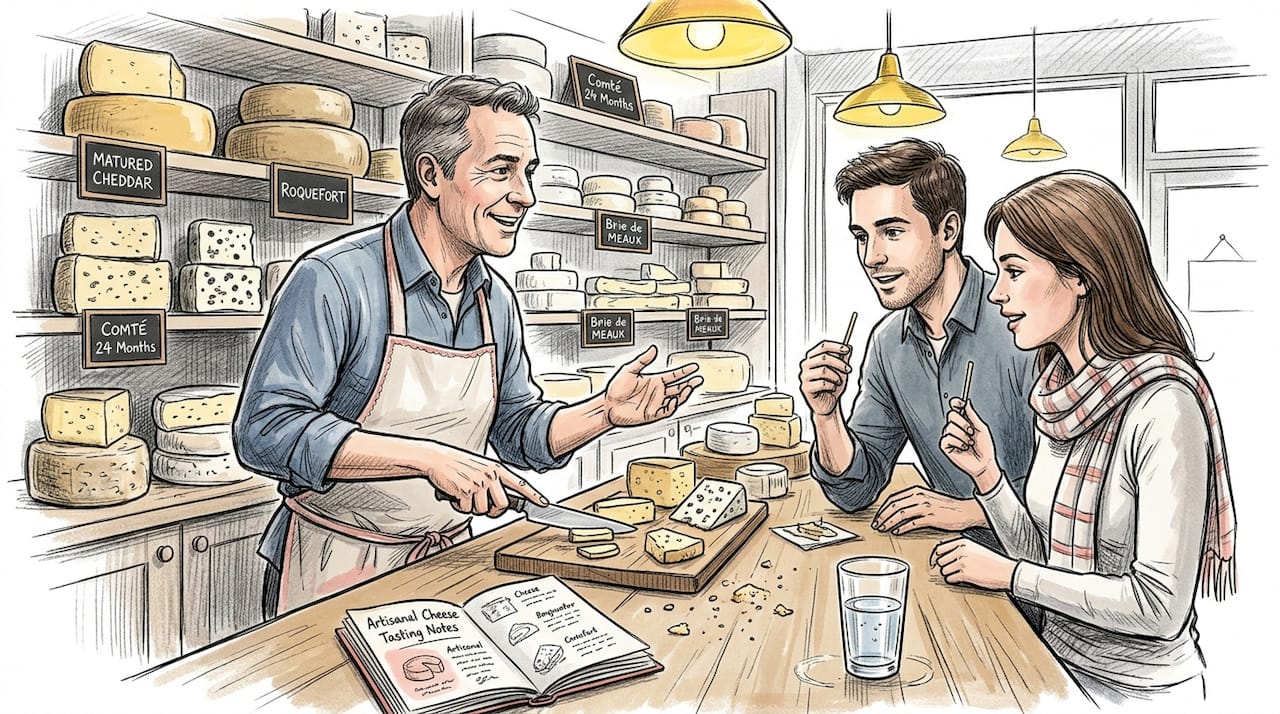
Pro tip: Mention any mobility concerns or walking pace preferences during your consultation. Guides can adjust routes to include more sit-down tastings or shorter distances without sacrificing quality.
Learning how to customise culinary experiences empowers you to articulate what matters most, whether that’s sustainability, historical context, or simply discovering the city’s best croissant. The more specific your input, the more tailored your journey becomes. For those seeking exclusive access, understanding how to book private food tastings and finding authentic food tours ensures you connect with reputable providers who prioritise quality over volume.
Comparing personalised vs standard food tours
Choosing between personalised and standard tours depends on your priorities, budget, and travel style. Both offer value, but they serve different needs. Standard group tours excel at affordability and social interaction, while personalised tours deliver depth, flexibility, and exclusivity.
| Feature | Personalised tours | Standard group tours |
|---|---|---|
| Group size | Private or 2-8 people | 12-20+ people |
| Itinerary | Custom-built for you | Fixed route for all |
| Flexibility | Real-time adjustments | Rigid schedule |
| Guide interaction | High, conversational | Limited, scripted |
| Dietary accommodation | Fully tailored | Basic options only |
| Cost per person | £150-£400 | £40-£100 |
| Authenticity | Insider venues, hidden gems | Popular tourist spots |
| Booking lead time | 2-4 weeks recommended | Often same-week |
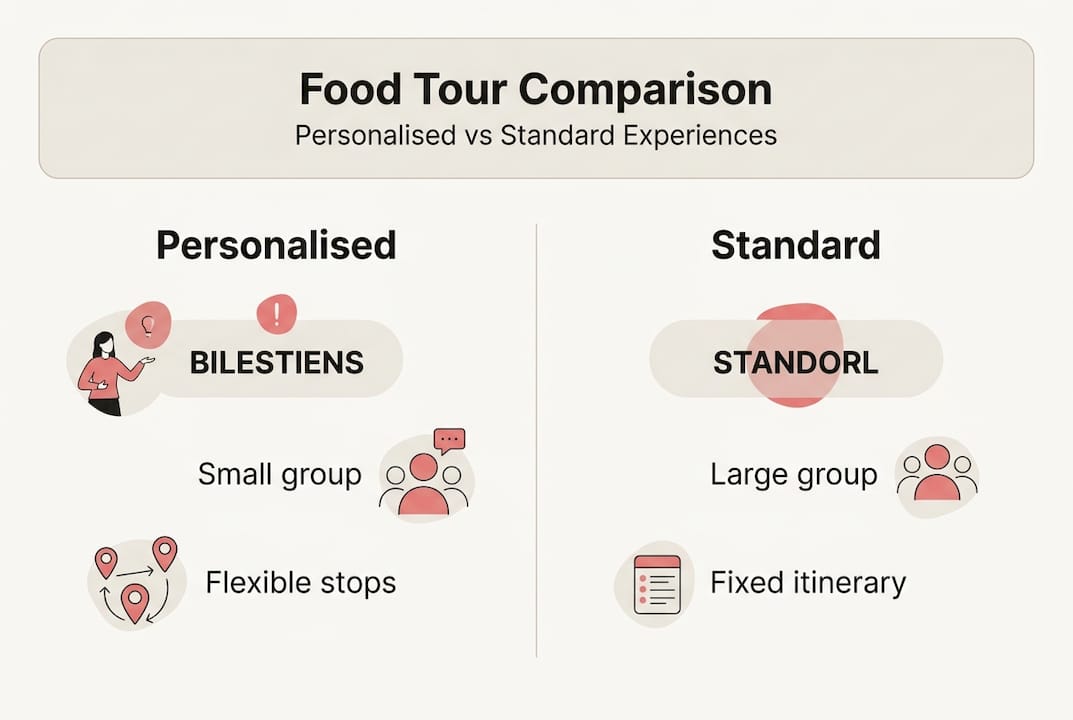
Personalised tours offer flexibility, depth, and authenticity but come with higher costs. Standard tours provide affordability and social opportunities but sacrifice customisation and often feel crowded. The trade-off centres on whether you value intimate cultural immersion or budget-friendly exploration.
Who should choose personalised tours:
- Families with children who need flexible pacing and kid-friendly options
- Groups celebrating special occasions (birthdays, anniversaries, corporate events)
- Travellers with dietary restrictions, allergies, or specific culinary interests
- Solo adventurers seeking deep cultural connection without group dynamics
- Anyone prioritising quality over quantity in their travel experiences
Who should choose standard tours:
- Budget-conscious travellers wanting to sample a city’s food scene affordably
- Solo travellers hoping to meet other food enthusiasts
- Those comfortable with fixed schedules and popular tourist venues
- Last-minute planners who need immediate availability
Exploring the best food tours in Paris and beyond reveals how top providers balance group size, customisation, and authenticity. Understanding culinary tourism trends also helps you recognise what modern travellers prioritise: sustainability, local expertise, and meaningful cultural exchange.
Who benefits from a personalised food tour?
Personalised tours shine brightest when standard offerings fall short. Families with young children appreciate guides who adjust pacing, incorporate playgrounds between stops, and select venues with high chairs. Special occasions like milestone birthdays or anniversaries gain emotional resonance when guides arrange surprise tastings or private chef interactions.
Dietary restrictions and allergies are accommodated when communicated early, with guides pre-vetting every venue to ensure safe, delicious options. Vegetarians, vegans, and those avoiding gluten, dairy, or shellfish receive the same quality and variety as omnivores. Larger groups of up to 25 people can book together, though advance planning ensures smooth logistics.
Traveller profiles that gain the most:
- Foodies seeking depth: Those who want to understand fermentation processes, regional wine terroir, or historical trade routes that shaped local cuisine
- Corporate groups: Teams building camaraderie through shared culinary discovery, with options for private venues and customised themes
- Solo travellers: Individuals craving cultural immersion without the pressure of group dynamics or small talk with strangers
- Milestone celebrations: Couples, families, or friends marking special moments with exclusive, memorable experiences
- Accessibility needs: Travellers requiring wheelchair-accessible routes, slower pacing, or frequent rest stops
Pro tip: If you’re booking for a group with mixed dietary needs, provide a detailed list during your initial consultation. Guides can design routes that satisfy everyone without compromising quality or forcing anyone to skip stops.
Edge cases also benefit. Last-minute travellers might secure personalised tours with less customisation if guides have availability. Large groups celebrating corporate milestones or family reunions can arrange bespoke experiences that standard tours cannot accommodate. Even solo adventurers gain value, as private guides often reduce per-person costs for individuals willing to join semi-private tours with one or two other bookings.
Discovering how to find local chefs for authentic tours ensures you connect with guides whose expertise extends beyond memorised scripts. Chefs bring insider knowledge, industry connections, and storytelling that transforms tasting into education.
Booking a personalised food tour: costs, process, and logistics
Securing a personalised tour requires more planning than clicking “book now” on a standard group tour, but the investment pays dividends in quality and satisfaction. The booking process involves contacting providers, sharing details about interests, dietary needs, and budget, receiving a custom quote and itinerary, paying a deposit, and confirming two to four weeks in advance.
Booking steps in detail:
- Research providers: Identify companies with strong reviews, chef-led experiences, and expertise in your destination
- Submit enquiry: Fill out contact forms or email directly, including travel dates, group size, and any special requests
- Consultation call: Discuss preferences, dietary restrictions, mobility needs, and what you hope to learn
- Review proposal: Receive a detailed itinerary with venue descriptions, tasting highlights, and pricing
- Request adjustments: Ask for changes to timing, venues, or focus areas until the plan feels perfect
- Pay deposit: Secure your booking with a deposit (typically 25-50% of total cost)
- Final confirmation: Receive meeting location, guide contact details, and any preparation instructions
| Tour type | Price range per person | Group size | Booking window |
|---|---|---|---|
| Standard group | £40-£100 | 12-20+ | Same week |
| Semi-private | £100-£200 | 4-8 | 1-2 weeks |
| Fully personalised | £150-£400 | 2-6 | 2-4 weeks |
| Corporate/large group | £120-£300 | 10-25 | 4-6 weeks |
Costs range from £150 to £400 per person, significantly higher than standard tours but reflecting the exclusivity, customisation, and guide expertise. Prices vary based on city, duration, number of tastings, and whether you request private venue access or chef demonstrations.
Factors influencing cost:
- City and neighbourhood (Paris and San Francisco typically cost more than smaller cities)
- Number of tastings and quality of venues (Michelin-starred stops increase prices)
- Guide credentials (renowned chefs or sommeliers command premium rates)
- Group size (smaller groups pay more per person, larger groups benefit from economies of scale)
- Special requests (private cooking classes, market shopping, or wine cellar tours add costs)
Pro tip: Booking four to six weeks ahead for popular destinations like Paris or Seville ensures you secure your preferred date and allows guides ample time to design truly bespoke itineraries. Last-minute bookings (within one week) may still succeed but often involve less customisation.
Understanding how custom food experiences transform culinary travel helps you appreciate why personalised tours justify higher costs. You’re not just paying for food—you’re investing in cultural education, insider access, and memories that outlast any souvenir.
Expert tips: making the most of your food tour
Maximising value from a personalised tour requires preparation, curiosity, and willingness to trust your guide’s expertise. The best experiences happen when travellers arrive informed but open-minded, ready to explore beyond their comfort zones while communicating preferences clearly.
Pre-tour preparation:
- Research your destination’s culinary history and signature dishes to ask informed questions
- Communicate dietary restrictions, allergies, and dislikes early and thoroughly
- Arrive hungry but not starving—tastings are generous, and you’ll want to savour each stop
- Wear comfortable walking shoes and weather-appropriate clothing for outdoor market visits
- Bring a small notebook or use your phone to jot down venue names and recommendations
Questions to ask before booking:
- What are your guide’s credentials and culinary background?
- How do you source venues—do you have relationships with owners and chefs?
- Can you accommodate last-minute dietary changes or preferences during the tour?
- What happens if weather forces indoor alternatives?
- Do you emphasise sustainability, local sourcing, or specific culinary traditions?
Authenticity, sustainability, and chef-led storytelling define the best personalised tours. Companies like Secret Food Tours, Withlocals, and ByFood operate in cities like Paris, San Francisco, Rome, and Lisbon, prioritising provenance and cultural context over Instagram-worthy photo ops. Avoid tours that promise “10 tastings in 90 minutes” or focus heavily on social media moments—these often sacrifice depth for superficial variety.
Pro tip: Ask your guide about the provenance of ingredients at each stop. Understanding where cheese is aged, how bread is fermented, or why a particular spice blend defines a neighbourhood adds layers of meaning to every bite.
Pitfalls to avoid:
- Booking based solely on price—cheap tours often cut corners on quality and authenticity
- Failing to communicate dietary needs until tour day, limiting your guide’s ability to adapt
- Arriving late, which compresses the experience and disrupts carefully timed reservations
- Treating the tour as a meal replacement rather than a cultural education with food as the medium
- Ignoring your guide’s recommendations because they differ from online reviews or personal assumptions
Recognising why authenticity matters in food tourism helps you distinguish between genuine cultural immersion and manufactured experiences designed for social media virality. The most memorable tours happen in unmarked doorways, family-run shops, and neighbourhoods where tourists rarely venture—places your guide knows because they’ve built relationships over years, not weeks.
Experience chef-led culinary adventures worldwide
If you’re ready to move beyond generic group tours and discover cities through the eyes of local chefs, we’ve built experiences that prioritise authenticity, customisation, and cultural depth. Our chef-led food tours operate in Paris, Seville, Berlin, and Mexico City, connecting you with culinary insiders who reveal hidden restaurants, artisan producers, and neighbourhood stories that guidebooks miss.
Chef PJ leads our Paris experiences, guiding you through centuries-old patisseries, fromageries, and wine bars that define French gastronomy. In Seville, Chef Crestani unveils Andalusian tapas culture, from sherry bodegas to family-run taverns. Chef Karl Wilder brings Berlin’s eclectic food scene and Mexico City’s vibrant markets to life with insider access and storytelling that transforms tasting into education. Every tour adapts to your pace, preferences, and curiosity, whether you’re celebrating a milestone, exploring with family, or seeking solo cultural immersion. Explore our top-rated tours in Paris and beyond to start planning your bespoke culinary journey.
Frequently asked questions
Are personalised food tours suitable for people with allergies or special diets?
Yes, most providers accommodate allergies and specialist diets when communicated in advance during booking. Guides pre-vet venues to ensure safe, delicious options for vegetarians, vegans, and those avoiding gluten, dairy, or shellfish.
How far in advance should I book a personalised tour?
It’s best to book two to four weeks ahead, especially for popular dates, but some last-minute options exist with less customisation. Early booking allows guides to design truly bespoke itineraries and secure reservations at exclusive venues.
What does a typical personalised tour include?
Usually a three-hour private tour, six to eight tasting stops, a local guide or chef, and flexibility based on your preferences. Tastings range from artisan cheese and charcuterie to wine, pastries, and regional specialities.
Are personalised tours more expensive than group tours?
Personalised tours cost around £150 to £400 per person, significantly more than standard group tours, but offer greater flexibility, exclusivity, and cultural depth. The investment reflects customisation, guide expertise, and insider access.
Can larger groups book a personalised food tour?
Yes, most organisers accommodate larger groups up to 25, but it’s important to arrange well in advance. Corporate events, family reunions, and milestone celebrations benefit from bespoke itineraries designed for group dynamics.