

Over 60% of food travellers say authentic regional cuisine is the primary reason they book food-centric trips, yet most people still assume curated food journeys are just glorified sightseeing with a meal attached. That assumption couldn’t be further from the truth. A genuinely curated food journey is something far more intentional, personal, and culturally rich than a standard tour. This guide breaks down exactly what sets these experiences apart, why authenticity is the engine that drives them, and how you can find and enjoy one that truly resonates with who you are as a traveller.
Table of Contents
- Understanding curated food journeys: more than just eating local
- The anatomy of a curated food journey: what matters most
- How authenticity and locality shape unforgettable food journeys
- Personalisation and exclusivity: why one-size-fits-all isn’t enough
- Practical steps to choose (and enjoy) your own curated food journey
- A fresh perspective: why curated food journeys are redefining travel
- Ready for your own curated journey? Here’s how we can help
- Frequently asked questions
Key Takeaways
| Point | Details |
|---|---|
| Authenticity drives satisfaction | Travellers rate journeys higher when they feature regional cuisines, local experts, and true cultures. |
| Chef-led personalisation matters | Having a chef or expert to curate and guide the experience adds depth and exclusivity. |
| Local context transforms trips | Journeys rooted in history and neighbourhood culture create truly memorable travel. |
| Customise for the best experience | Tailoring your trip to dietary or cultural preferences turns a great meal into an unforgettable journey. |
Understanding curated food journeys: more than just eating local
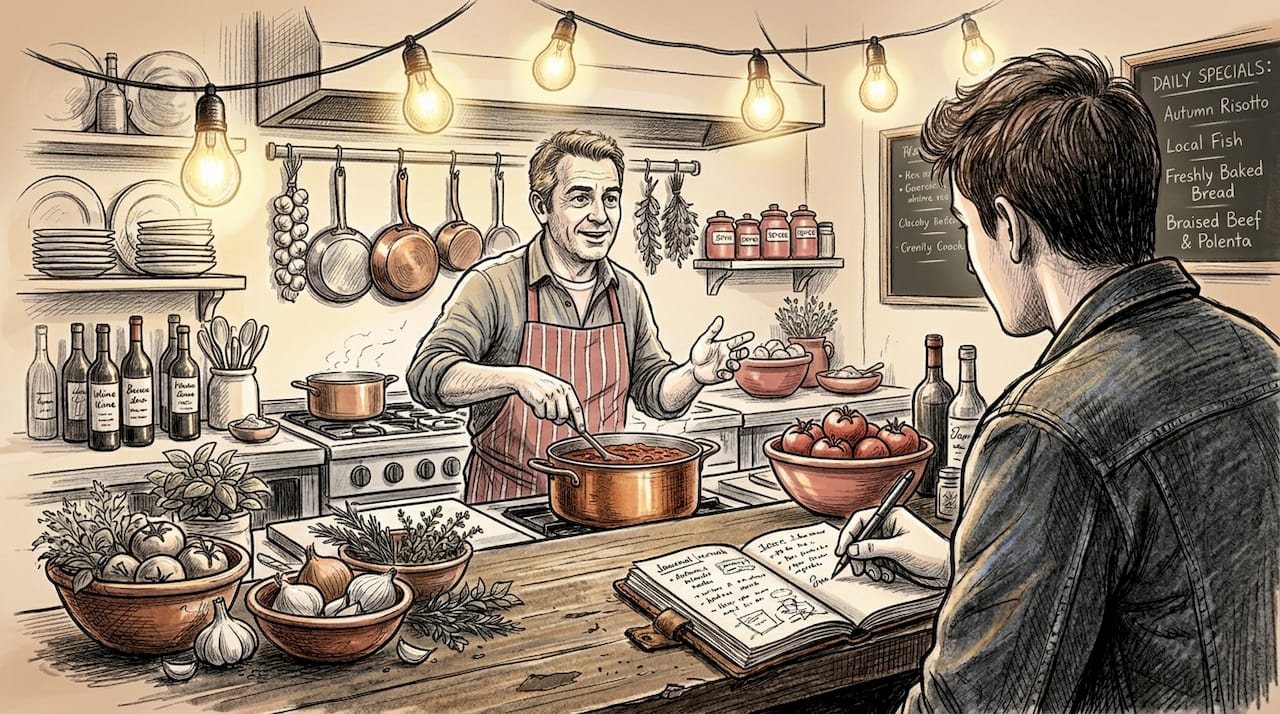
The phrase ‘curated food journey’ gets used loosely, but its meaning matters. At its core, a curated food journey is a purposefully designed experience where every stop, dish, and conversation has been selected to tell a coherent story about a place and its people. It is not simply visiting a list of restaurants. It is being guided through a living, breathing culture via the food that sustains it.
The difference between a casual dining experience, a traditional food tour, and a curated journey is significant. A casual dining experience is reactive: you find a restaurant, you eat, you leave. A traditional food tour is more structured but often follows a fixed, well-worn route that prioritises convenience over depth. A curated journey, by contrast, is built around you and the destination in equal measure.
What makes a curated food journey distinct:
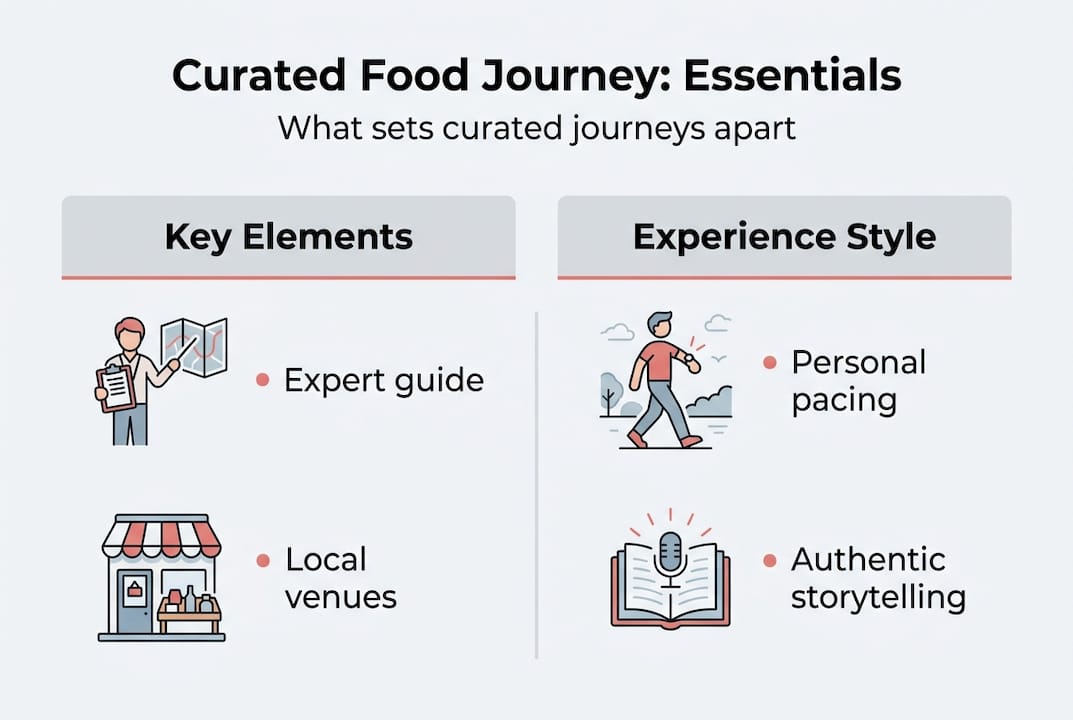
- Local expertise: Led by chefs or food specialists who have deep roots in the city and its culinary culture
- Storytelling: Every dish is connected to history, geography, or a local producer’s story
- Personalisation: Itineraries are shaped around your tastes, dietary needs, and curiosity
- Hidden venues: Includes places you would never find in a guidebook, from family-run market stalls to neighbourhood bars
- Small groups: Intimate settings that allow genuine interaction with locals and guides
As one body of food tourism research confirms, authenticity in food experiences leads directly to higher traveller satisfaction and a stronger desire to return. This is not accidental. When a journey feels real, rooted, and human, it sticks with you.
“A curated food journey doesn’t just feed you. It changes how you see a city.”
If you are new to this style of travel, a good food-focused travel guide can help you understand what to expect before you book. And if you want to understand the full meaning of what makes an authentic food experience in practice, that distinction is worth exploring before you commit to any itinerary.
The anatomy of a curated food journey: what matters most
Now that we have defined curated journeys, let’s look at what these experiences actually include and how they differ from standard food tours.
At the heart of every great curated journey is a chef or food expert who does far more than point out landmarks. They explain why a particular olive oil from a specific Andalusian village tastes different from its neighbours, or why a Parisian boulanger still wakes at 3am to shape dough by hand. That kind of knowledge transforms a meal into a lesson.
Regional produce and hidden venues are equally central. The best curated journeys take you to places that have earned their reputation quietly, through decades of craft rather than marketing budgets. Think a gourmet tasting journey that moves from a dawn market visit to a chef’s favourite neighbourhood bistro, with intentional pacing built in so you never feel rushed.
| Feature | Traditional food tour | Curated food journey |
|---|---|---|
| Guide | Generic tour guide | Local chef or food specialist |
| Venues | Popular, well-known spots | Hidden gems and local favourites |
| Group size | Often large (15 to 30+) | Small and intimate (2 to 10) |
| Personalisation | Fixed itinerary | Tailored to your preferences |
| Storytelling | Minimal | Central to every stop |
| Cultural depth | Surface level | Immersive and contextual |
Pacing and narrative matter more than most travellers realise. A custom food experience should breathe. Rushing through six stops in two hours leaves no room for the conversations that make a journey memorable. Research consistently shows that memorable cuisine and experiences boost both overall satisfaction and a destination’s image in the traveller’s mind.
Pro Tip: Ask your guide to explain the origin of one dish at each stop. That single question often unlocks the most fascinating stories of the entire journey.
Good food pairing in chef tours is another marker of quality curation. When wine, cheese, or charcuterie is matched thoughtfully to a dish, it signals that the experience has been designed with genuine care.
How authenticity and locality shape unforgettable food journeys
With the anatomy of curated journeys uncovered, let’s focus on how authenticity and a sense of place make these tours truly stand out.
Over 60% of curated food journeys are built around authentic regional food, and that figure reflects something important: travellers are no longer satisfied with a generic ‘local cuisine’ tick-box. They want to know which neighbourhood, which producer, and why this particular dish matters here and nowhere else.
Local chefs are the most powerful vehicle for this kind of authenticity. Chef PJ in Paris does not just take guests to well-known boulangeries. He takes them to the specific shops and producers he trusts personally, explaining the craft behind each one. Chef Crestani in Seville brings guests into the world of tapas bars that locals actually use, not the tourist-facing versions on the main plaza. Chef Karl Wilder in Berlin and Mexico City does the same, revealing the street food culture and neighbourhood restaurants that define daily life in both cities.
What locality looks like in practice:
- Paris: Early morning market visits in the Marais, followed by a croissant tasting with a master baker who has been perfecting the recipe for 30 years
- Seville: Sherry pairings in a bodega that has been family-owned for four generations, with tapas sourced from the same street market since the 1970s
- Berlin: A tour through the city’s diverse food neighbourhoods, from Turkish street food in Kreuzberg to modern German cuisine in Mitte
- Mexico City: Exploring the mercados where chefs source their ingredients, tasting regional dishes that vary dramatically from one barrio to the next
The defining authenticity in food tours question always comes back to one thing: does this experience feel like it belongs here, and only here? If the answer is yes, you are on the right journey.
Personalisation and exclusivity: why one-size-fits-all isn’t enough
While authenticity and locality draw travellers in, true curation means every journey should also feel uniquely yours.
Personalised approaches and exclusive access are central to the perceived value of curated food journeys, and for good reason. No two travellers arrive with the same palate, pace, or curiosity. A retired sommelier and a first-time food traveller will want very different things from the same city, even if they share a love of good food.
How to communicate your preferences for a bespoke trip:
- Share your dietary needs upfront: Allergies, intolerances, and preferences should be communicated at booking, not on the day
- Describe your food background: Are you a confident eater who wants to try offal and fermented dishes, or do you prefer familiar flavours with a local twist?
- Mention your pace preference: Do you want a leisurely morning journey or a packed half-day of back-to-back tastings?
- Flag cultural interests: History, architecture, local politics, and food are deeply connected. Mentioning these interests helps guides tailor their storytelling
- Ask about exclusive access: Many curated journeys can include after-hours tastings, private market visits, or introductions to producers not available on standard tours
Pro Tip: The best curated journeys offer a pre-trip consultation. Use it. Twenty minutes of conversation before you travel can transform a good experience into an extraordinary one.
Exploring customisation in tours before you book gives you a clearer picture of what is possible. Understanding the role of customisation in culinary journeys more broadly helps you ask better questions and set realistic expectations.
Practical steps to choose (and enjoy) your own curated food journey
Once you know what to look for in a curated food journey, here’s how to choose a truly memorable experience, step by step.
The single most important factor is whether the journey is led by someone with genuine, deep local knowledge. A chef who grew up eating in the city’s markets is not the same as a food enthusiast who moved there two years ago. Ask directly about the guide’s background.
What to look for when evaluating a curated food journey:
- Chef or specialist-led: Not a generic guide with a food script
- Small group sizes: Ideally fewer than ten guests for genuine interaction
- Transparent itinerary: You should know roughly where you are going and why
- Flexibility: Can the itinerary be adjusted for dietary needs or interests?
- Local producer connections: Does the tour include visits to markets, farms, or artisan producers?
- Reviews that mention storytelling: Look for guest feedback that goes beyond ‘the food was good’
Essential questions to ask before booking: Who leads the tour and what is their culinary background? How many guests are in each group? Can the itinerary be adapted? What happens if a venue is closed or unavailable?
Satisfaction is highest when journeys closely match traveller interests and expectations, which means doing a little homework before you book pays off significantly. Good culinary travel tips can help you prepare, and knowing how to customise your food journey means you arrive ready to get the most from every stop.
Being an engaged guest matters too. Ask questions. Try things you wouldn’t normally order. Let the guide lead you somewhere unexpected. The best moments on curated journeys are rarely the ones you planned.
A fresh perspective: why curated food journeys are redefining travel
Conventional mass-market tours were built for efficiency, not meaning. They move large groups through predictable stops, optimised for logistics rather than connection. The result is a kind of culinary tourism that leaves people fed but not moved.
Curated food journeys operate on a different logic entirely. They treat food as a primary language for understanding a place, not an add-on to a sightseeing checklist. When you sit with a chef in a Seville market at 8am and watch him select the day’s ingredients, you are not just learning about food. You are learning how this city breathes.
We believe the real measure of a great food journey is what you remember six months later. Not the Michelin-starred meal, but the conversation with the market vendor. Not the wine list, but the story behind the vineyard. This is why culinary tourism trends are moving so decisively towards chef-led, bespoke experiences. Travellers are not just seeking better food. They are seeking better understanding. Curated journeys deliver exactly that, and they change how people return home.
Ready for your own curated journey? Here’s how we can help
If this article has sparked something in you, the next step is straightforward. At The Chef’s Tours, we connect you with chefs who know their cities from the inside out.
Chef PJ leads our Paris experiences with unmatched depth and passion for Parisian cuisine. Chef Crestani is your guide to the very best of Seville. Chef Karl Wilder brings Berlin and Mexico City to life in ways no guidebook can replicate. Explore the full range of culinary experiences to try on our site, discover what makes our chef-led food tours genuinely different, and start to plan your culinary vacation with confidence. Your most memorable meal is waiting.
Frequently asked questions
What makes a food journey ‘curated’ instead of just a tour?
A curated food journey is purposefully designed by chefs or food experts for depth, storytelling, and authenticity, ensuring every stop serves a meaningful purpose rather than simply ticking off well-known spots.
How important is authenticity in curated food experiences?
Authenticity is the foundation of a great food journey. Over 60% of food travellers say regional specialities and local hosts are what define their satisfaction and drive them to return.
Can dietary preferences be accommodated on curated food journeys?
Yes. Personalisation and flexibility are defining features of curated journeys, so dietary requirements are typically built into the itinerary from the outset when communicated at booking.
How do I know if a food journey is genuinely local?
Look for tours led by regional chefs, featuring small independent producers and dishes that are unique to the city or neighbourhood rather than dishes you could find anywhere in the country.