

Planning a culinary journey that truly connects you with local culture can feel overwhelming. With countless food tours, cooking classes, and tasting experiences available across the globe, how do you identify the authentic, chef-led adventures that deliver genuine immersion? This guide provides practical criteria and actionable tips to help you evaluate options, choose destinations, and customise experiences that transform your travels into unforgettable gastronomic discoveries. You’ll learn to navigate tour types, compare vibrant food cities, and plan adventures that align perfectly with your tastes and budget.
Table of Contents
- Key takeaways
- How to evaluate culinary travel options for authentic experiences
- Popular types of culinary tours and personalised food experiences
- Comparing culinary travel destinations known for vibrant food scenes
- How to plan and customise your culinary travel experience for maximum enjoyment
- Discover curated culinary experiences with The Chef Tours
- What are culinary travel tips for immersive food adventures?
Key Takeaways
| Point | Details |
|---|---|
| Authentic chef led tours | Prioritise tours led by local chefs to access insider venues and authentic experiences. |
| Customisation before travel | Ask operators about dietary restrictions and preferences before booking to tailor the itinerary. |
| Immersion depth matters | Evaluate whether experiences allow time to savour, ask questions, and absorb the local atmosphere rather than rushing through venues. |
| Transparency of inclusions | Choose operators who clearly list what is included, such as tastings, beverages, transport and any extra costs. |
How to evaluate culinary travel options for authentic experiences
Selecting the right culinary experience requires careful assessment of several key factors that separate genuine immersion from generic tourist offerings. Your first priority should be identifying tours led by local chefs offering insider access to vibrant culinary scenes. Local chefs possess intimate knowledge of hidden gems, family-run establishments, and traditional preparation methods that guidebooks rarely capture. They share stories behind dishes, introduce you to artisan producers, and provide context that transforms tasting into cultural education.
Customisation capability stands as another critical criterion. The best operators allow you to communicate dietary restrictions, flavour preferences, and specific interests before your tour begins. Whether you’re vegetarian, allergic to shellfish, or passionate about pastries, customising culinary experiences ensures every stop resonates with your palate. Ask potential operators how flexible their itineraries are and whether they accommodate special requests.
Cultural immersion depth separates superficial tastings from transformative experiences. Evaluate how tours engage with local food traditions, whether they include interactions with producers or chefs, and if they visit neighbourhoods where locals actually eat. Tours that rush through five restaurants in two hours rarely provide meaningful connection. Look for experiences that allow time to savour, ask questions, and absorb the atmosphere of each venue.
Destination selection matters enormously. Cities with vibrant, diverse culinary scenes offer richer possibilities for authentic exploration. Research whether your chosen location has a reputation for specific cuisines, markets, or food movements. Finding local chef tours becomes easier in destinations where food culture thrives and operators prioritise quality over volume.
Transparency about inclusions protects you from disappointment. Reputable operators clearly list what’s covered in the price: number of tastings, beverages, transportation, and any additional costs. Vague descriptions or hidden fees often signal tourist traps designed to maximise profit rather than deliver value.
Pro tip: Read recent reviews focusing on specifics. Comments mentioning chef knowledge, venue quality, and group size reveal more than generic praise. Look for reviews from travellers with similar interests to yours.
Popular types of culinary tours and personalised food experiences
Understanding the various culinary tour formats helps you select experiences matching your learning style and interaction preferences. Exploring various food tour types helps travellers choose the best fit for their culinary interests and desired level of engagement. Each format offers distinct advantages depending on whether you prefer observation, participation, or deep cultural context.
Guided tasting tours remain the most popular format, taking you through neighbourhoods to sample signature dishes at carefully selected venues. These tours typically include:
- Multiple stops at restaurants, cafés, bakeries, or street food stalls
- Curated tastings of regional specialities with chef commentary
- Historical and cultural context about each dish and location
- Small group sizes allowing personal interaction with your guide
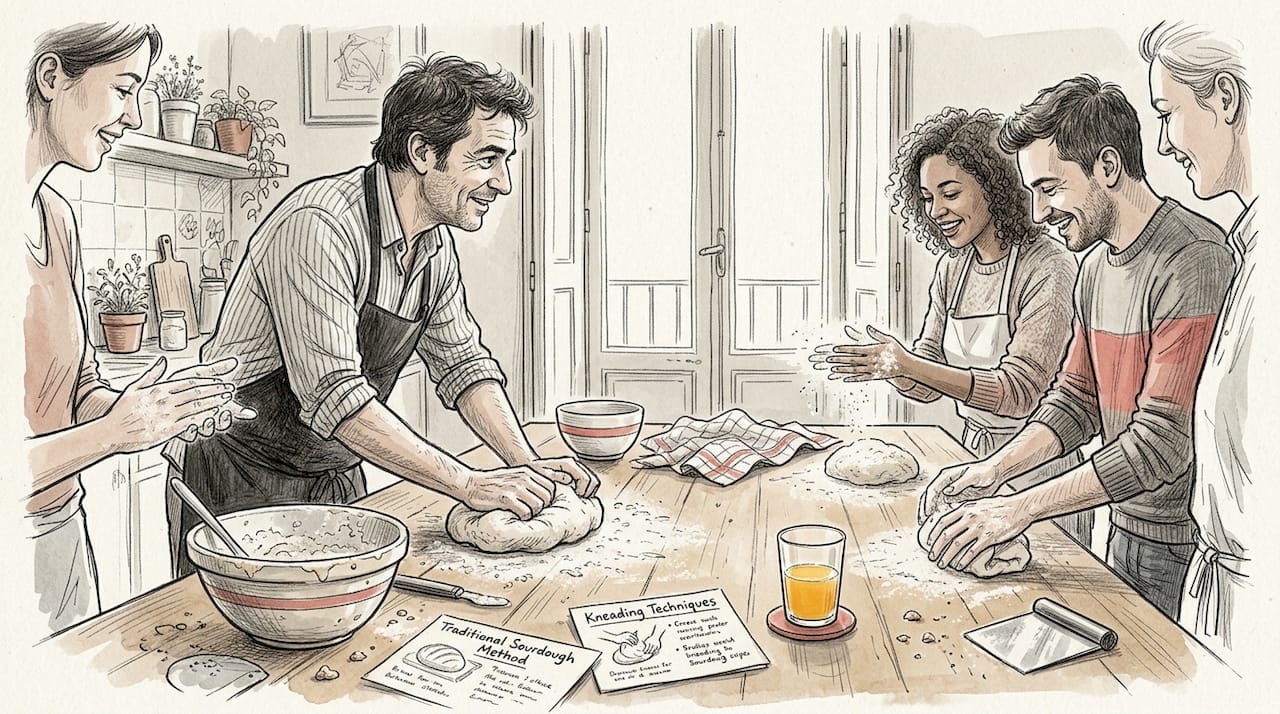
Cooking classes with local chefs provide hands-on education in traditional techniques and recipes. You’ll work alongside professionals in their kitchens, learning knife skills, flavour balancing, and presentation methods passed through generations. These experiences often conclude with enjoying the meal you’ve prepared, creating both skill development and social connection.
Market tours immerse you in the ingredient selection process that forms the foundation of regional cuisine. Walking through bustling food markets with a chef guide, you’ll discover seasonal produce, unusual spices, artisan cheeses, and fresh seafood whilst learning how locals shop and what they prioritise. Many market tours include cooking demonstrations or meals prepared with purchased ingredients.
Private customised tours offer maximum flexibility for couples, families, or groups with specific interests. Operators design itineraries around your preferences, dietary requirements, and pace. Whilst more expensive, private experiences allow deeper conversations with chefs and access to venues that don’t accommodate larger groups.
Wine and beverage tastings paired with food create multisensory experiences exploring regional drinking traditions. From Parisian wine cellars to Mexican mezcal tastings, these tours educate your palate about terroir, production methods, and classic pairings.
When choosing among types of food tours, consider these factors:
- Your comfort level with participation versus observation
- Group size preferences and social interaction desires
- Time available and preferred pace of exploration
- Budget constraints and value priorities
- Learning goals, whether practical skills or cultural knowledge
Each format serves different purposes. Tasting tours maximise variety and neighbourhood exploration. Cooking classes build lasting skills you’ll use at home. Market tours reveal ingredient sourcing and seasonal eating patterns. Understanding chef-led food tours explained helps you recognise which format aligns with your travel goals and how you prefer to learn about new cuisines.
Comparing culinary travel destinations known for vibrant food scenes
Destination choice profoundly influences your culinary travel experience, as each city offers unique flavour profiles, dining traditions, and tour styles. Cities such as Paris, Istanbul, and Mexico City offer unique culinary scenes with tours led by local chefs for authentic experiences. Comparing top destinations helps you match your flavour interests with available experiences.
| Destination | Culinary strengths | Typical tour focus | Best for |
|---|---|---|---|
| Paris | Haute cuisine, patisserie, wine culture | Bakery tours, wine tastings, market visits | Classic French techniques, cheese and wine enthusiasts |
| Istanbul | Middle Eastern and Mediterranean fusion | Spice markets, street food, meze tastings | Bold flavours, historical food traditions |
| Mexico City | Street food culture, traditional cooking | Taco tours, market cooking classes, mezcal tastings | Spice lovers, hands-on cooking experiences |
| Seville | Tapas culture, sherry, olive oil | Tapas bar hopping, flamenco dinners | Social dining, wine pairing |
| Berlin | Contemporary food scene, international influences | Multicultural tastings, craft beer, modern cuisine | Innovative dining, budget-conscious travellers |
Paris excels for travellers seeking refined techniques and luxury ingredients. Tours often feature renowned bakeries, fromageries, and wine cellars where centuries of tradition meet modern innovation. Chef PJ leads experiences revealing hidden Parisian gems beyond tourist areas, introducing you to artisans maintaining traditional methods.
Istanbul blends Eastern and Western culinary traditions, creating a flavour palette unlike anywhere else. Market tours through the Grand Bazaar or Spice Bazaar immerse you in aromatic spices, dried fruits, and Turkish delights. Street food tours showcase simit, döner, and baklava whilst explaining Ottoman influences on contemporary Turkish cuisine.
Mexico City pulses with vibrant street food culture and ancient cooking traditions. Chef Karl Wilder guides tours through neighbourhoods where tacos, tamales, and tlacoyos are prepared using pre-Hispanic techniques. Cooking classes often include market visits to source ingredients like huitlacoche, epazote, and various chilli varieties rarely found elsewhere.
Seville represents quintessential Spanish tapas culture, where dining is social ritual rather than mere sustenance. Chef Crestani leads experiences through historic bars serving jamón ibérico, gambas al ajillo, and regional sherries. Tours emphasise the cultural context of sharing small plates and the Andalusian approach to leisurely eating.
Berlin offers a contemporary, multicultural food scene reflecting its diverse population. Chef Karl Wilder also leads Berlin tours showcasing everything from traditional German fare to Turkish, Vietnamese, and Middle Eastern influences. The city appeals to budget-conscious travellers seeking authentic experiences without luxury price tags.
Exploring culinary travel destinations reveals how local ingredients, historical influences, and dining customs shape available tour options. Cities with strong food identities and chef-led tour infrastructure provide richer, more authentic experiences than destinations where culinary tourism remains underdeveloped.
Pro tip: Consider visiting during shoulder seasons when tours are less crowded, chefs have more time for interaction, and you’ll experience how locals actually eat rather than tourist-focused menus.
How to plan and customise your culinary travel experience for maximum enjoyment
Successful culinary travel requires thoughtful planning that aligns experiences with your preferences, schedule, and budget. Advanced planning and customisation enhance satisfaction by tailoring tours to individual preferences and dietary requirements. Follow these steps to ensure your food adventure delivers maximum value and enjoyment.
Define your culinary interests and goals before researching specific tours. Are you passionate about pastries, street food, wine, or traditional cooking techniques? Do you prefer observation or hands-on participation? Clarifying priorities helps you filter options efficiently.
Establish your budget range including tours, meals, transportation, and accommodation. Culinary experiences span from affordable street food tours to luxury multi-course dinners. Knowing your financial boundaries prevents disappointment and helps operators suggest appropriate options.
Research operators specialising in your chosen destination and tour type. Look for companies emphasising local chef involvement, small groups, and customisation. Read reviews focusing on guide knowledge, venue quality, and how well operators accommodated special requests.
Contact operators well in advance to communicate dietary restrictions, allergies, and preferences. Reputable companies welcome these conversations and adjust itineraries accordingly. Mention specific interests like learning knife skills, visiting particular neighbourhoods, or meeting artisan producers.
Compare pricing tiers and what’s included at each level. Budget options might cover basic tastings, whilst premium experiences include wine pairings, private venues, and extended durations. Evaluate whether higher prices deliver proportional value based on your priorities.
When planning a culinary vacation, create a checklist ensuring all logistics are addressed:
- Dietary restrictions communicated and confirmed accommodated
- Tour duration fits your schedule without rushing
- Meeting points clearly understood with backup contact information
- Weather-appropriate clothing for walking tours
- Camera or phone charged for capturing experiences
- Cash for tips or additional purchases at markets
- Appetite management, avoiding heavy meals before tours
The ability to customise culinary experiences transforms generic tours into personalised adventures. Don’t hesitate to request modifications like vegetarian alternatives, additional time at specific venues, or focus on particular ingredients. Quality operators view customisation as opportunity to exceed expectations rather than inconvenience.
| Planning element | Budget approach | Luxury approach |
|---|---|---|
| Tour duration | 2-3 hours | 4-6 hours or full day |
| Group size | 8-12 participants | Private or 2-4 participants |
| Venues | Mix of established and casual spots | Exclusive access, Michelin-starred restaurants |
| Inclusions | Tastings and water | Full meals, wine pairings, transportation |
| Customisation | Limited modifications | Fully tailored itinerary |
Timing your booking matters significantly. Popular tours in high season fill weeks or months ahead, especially those with limited group sizes. Booking early also allows more time for customisation discussions and ensures your preferred dates remain available. Last-minute bookings often mean accepting whatever slots remain rather than optimal experiences.
Consider combining different tour types during longer stays. A market tour on day one provides ingredient knowledge that enriches a cooking class on day two. Following a wine tasting with a dinner tour creates continuity in your culinary education. Spacing experiences allows digestion time and prevents palate fatigue.
Discover curated culinary experiences with The Chef Tours
Applying these culinary travel tips becomes effortless when you partner with operators who prioritise authenticity and customisation. The Chef Tours specialises in immersive, chef-led experiences across the world’s most exciting food cities, connecting you with local culinary experts who reveal hidden gems and authentic flavours.
Whether you’re drawn to Parisian patisseries, Sevillan tapas bars, or Mexico City’s vibrant street food scene, The Chef Tours offers expertly guided journeys designed around your interests. Each experience features small groups, personalised attention, and access to venues locals cherish. From market tours to cooking classes, every adventure is crafted to deliver genuine cultural immersion rather than superficial tastings. Explore culinary experiences to try and discover how easy it becomes to customise culinary experiences that perfectly match your palate. With tours available in Paris, Seville, Istanbul, Berlin, and Mexico City, you’ll find best food tours worldwide that transform your travels into unforgettable gastronomic adventures.
What are culinary travel tips for immersive food adventures?
What makes a culinary travel experience immersive?
Immersive experiences prioritise cultural context over mere tasting, featuring local chef guides who share stories, traditions, and personal connections to the cuisine. They include interactions with producers, visits to neighbourhoods where locals eat, and time to savour rather than rush through venues.
How to find local chef-led food tours?
Research operators emphasising chef involvement in their marketing, read reviews mentioning guide expertise, and look for companies highlighting small groups and customisation. Specialist platforms connecting travellers with local chefs in specific cities offer more authentic options than generic tour aggregators.
What is the best way to customise a culinary tour?
Contact operators early with detailed information about dietary restrictions, flavour preferences, and specific interests like learning techniques or visiting particular neighbourhoods. Quality operators welcome these conversations and adjust itineraries to match your goals whilst maintaining the experience’s educational and cultural value.
Which destinations offer top culinary travel experiences?
Paris excels for classic French cuisine and wine culture, Istanbul for Middle Eastern flavours, Mexico City for vibrant street food and traditional cooking, Seville for tapas and sherry, and Berlin for contemporary multicultural dining. Choose destinations matching your flavour interests and the type of immersion you seek.
What are tips for balancing budget with authentic food tours?
Prioritise experiences with local chef involvement and small groups over those promising numerous venues, as quality matters more than quantity. Consider shorter tours in premium destinations, book during shoulder seasons for better value, and invest in one exceptional experience rather than multiple mediocre ones. Authentic street food tours often deliver remarkable cultural immersion at accessible prices.