

TL;DR:
- Local chef experiences offer authentic cultural insights through personal storytelling and hands-on participation.
- Booking with local chefs supports community economies, preserves traditions, and promotes sustainable tourism.
- Curated experiences provide deeper education and connection, making food a meaningful part of travel.
The most-reviewed restaurant in any major city is rarely where the real magic happens. True culinary discovery lives in a back-street kitchen in Seville, a covered market stall in Mexico City, or a home dining table in Paris where a chef tells you the story behind every dish they place in front of you. 62% of travellers now choose destinations based on food experiences, which tells you everything about how deeply food and travel have become intertwined. If you want to eat well and travel meaningfully, booking a local chef experience is where you start.
Table of Contents
- What makes local chef experiences unique?
- The economic and cultural impact of booking local chefs
- Experiential dining: From food trends to personal connection
- Is it worth the investment? Comparing cost, value, and options
- How to choose and book your ideal local chef experience
- Our perspective: What most guides miss about local chef experiences
- Ready to unlock authentic travel?
- Frequently asked questions
Key Takeaways
| Point | Details |
|---|---|
| True culinary immersion | Booking a local chef delivers stories, skills, and culture direct from the source. |
| Support local communities | Your experience keeps revenue and tradition alive in the neighbourhood you visit. |
| Value over cost | While pricier than restaurants, chef experiences offer lasting memories and deeper learning. |
| Choose quality, not hype | Research carefully and seek small-group, chef-vetted options for the best food journeys. |
What makes local chef experiences unique?
To understand why these experiences matter, let’s first clarify what sets them apart from simply eating out.
A local chef is not just someone who cooks for you. They are a cultural translator, someone who turns a plate of food into a conversation about history, identity, family, and place. When Chef PJ leads a group through Paris, you are not following a script. You are walking alongside someone whose entire professional life has been shaped by the city’s markets, suppliers, and culinary traditions. That context changes everything about how food tastes and what it means.
Local chef experiences provide immersive, authentic access to cultural narratives, stories, and traditions through direct interaction with chefs who act as cultural translators. This stands in stark contrast to eating at a popular chain restaurant, where the décor, menu, and experience have been engineered for broad appeal rather than genuine local character.
Here is what you actually gain from a small-group, chef-led experience:
- Personal storytelling that connects each dish to its cultural origins
- Hands-on learning, from knife skills to sauce techniques you can recreate at home
- Access to venues that are invisible to standard tourists, including private homes, family-run suppliers, and neighbourhood institutions
- Intimate group sizes that allow real conversation rather than passive consumption
- Chef credentials and expertise that guarantee what you are tasting has genuine regional relevance
“The difference between eating and truly experiencing food is context. A chef who grew up making their grandmother’s recipe doesn’t just serve you a dish. They share a memory, and that memory becomes yours too.”
Compare this to a tourist restaurant, where the role of chefs in food tourism is often reduced to executing a standardised menu at volume. There is nothing wrong with a good meal, but there is a meaningful difference between consuming food and understanding it.
The economic and cultural impact of booking local chefs
Of equal importance is the impact your booking has on the destination community itself.
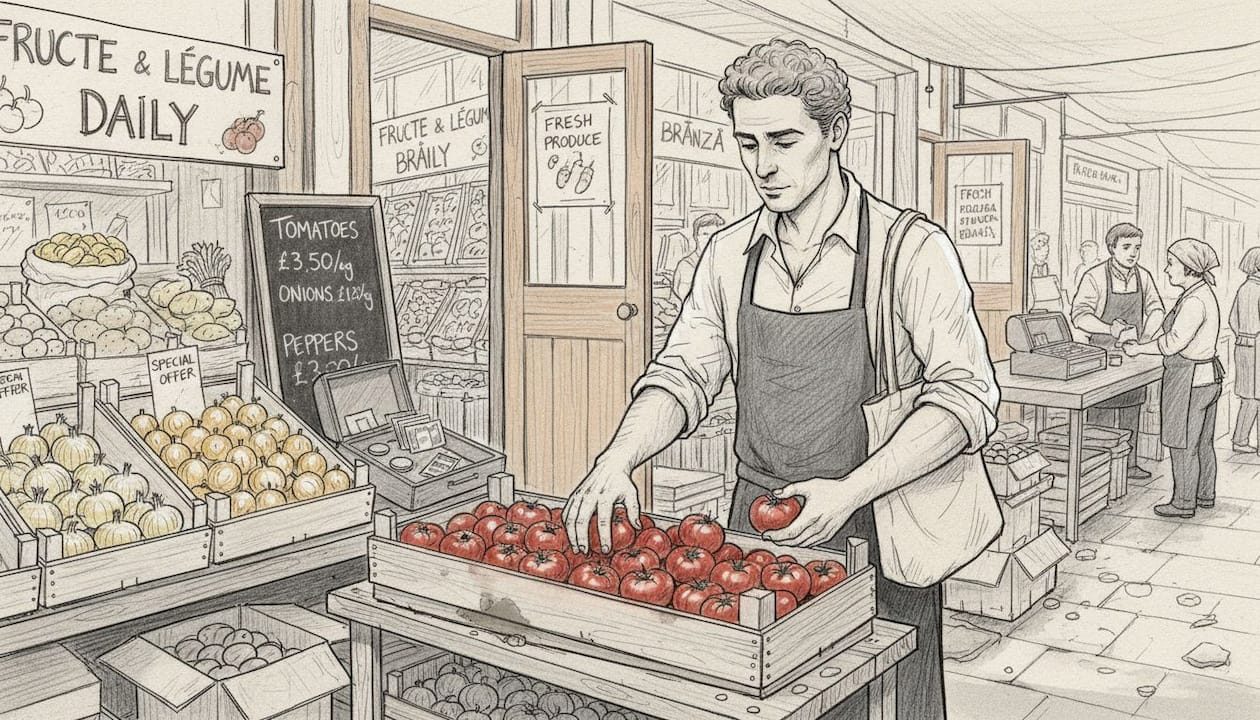
When you book with an independent local chef, revenue circulates within the community rather than being repatriated to a corporate headquarters in another country. The chef buys ingredients from a local market trader. That trader supports a local farmer. That farmer’s income sustains a food tradition that might otherwise disappear. Your single booking is part of a chain that matters far beyond your dining table.
| Economic factor | Local chef experience | Chain restaurant |
|---|---|---|
| Revenue destination | Stays within local economy | Largely repatriated to parent company |
| Ingredient sourcing | Local markets and producers | Centralised supply chains |
| Cultural preservation | Active, intentional | Incidental at best |
| Employment | Independent artisans and guides | Corporate staff structures |
| Community reinvestment | High | Low |
The culinary tourism trends shaping 2026 make this distinction increasingly significant. Travellers are more aware than ever of where their money goes and what it supports.
The positive cultural impact of booking local unfolds in a clear sequence:
- Preservation of traditional recipes, techniques, and food knowledge that might otherwise be lost
- Innovation as local chefs adapt traditions to contemporary tastes while maintaining authenticity
- Sharing those traditions with curious travellers who carry the stories home
- Reinvestment in community food culture through education, mentorship, and supply chain support
Some forward-thinking experiences even extend their reach to younger generations. Programmes like children’s culinary camps show how culinary education can become a long-term investment in cultural continuity, not just a tourist activity. The same spirit of transmission and discovery underpins the best local chef experiences for adult travellers.
Experiential dining: From food trends to personal connection
Personal fulfilment is a big reason, but shifting trends show a larger cultural movement at play.
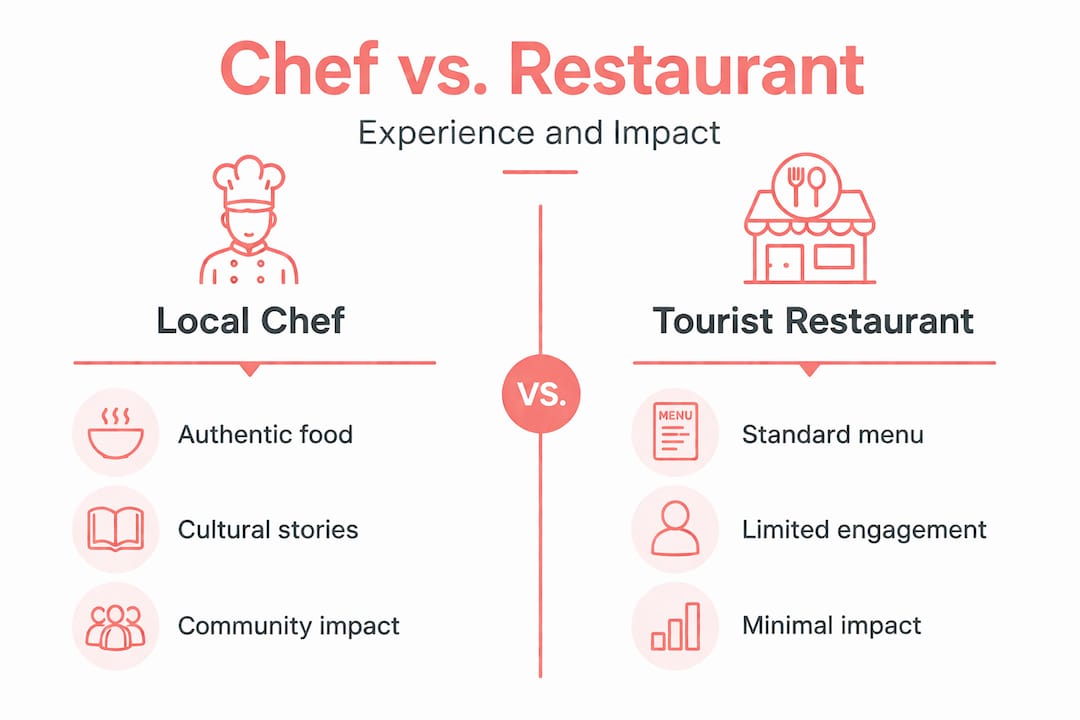
The shift to experiential dining is being driven primarily by Gen Z and millennial travellers who are less interested in passive consumption and far more engaged by story-driven, sustainable, and personally meaningful food encounters. This is not a niche preference. It is reshaping the entire hospitality industry. Chefs who source seasonally, cook with intention, and share the why behind every ingredient are finding audiences who are genuinely hungry for that depth.
What makes a story-driven meal resonate so powerfully? Consider the difference between ordering jamón ibérico from a menu and standing with Chef Crestani in a Seville market while he explains the difference between bellota and standard curing, and how that distinction matters to every Sevillano who grew up eating it. One is a transaction. The other is an education you will carry for the rest of your life.
Key ingredients in the best experiential dining encounters include:
- Seasonal and local sourcing, so every dish reflects the landscape and moment you are visiting
- Transparency about where ingredients come from and why they were chosen
- Narrative structure, where the meal unfolds as a story with a beginning, middle, and conclusion
- Active participation, whether that means grinding spices, folding dough, or simply asking questions
- Genuine chef personality, because the best experiences feel like a meal with a friend who happens to be a professional cook
These chef-led food tours attract travellers who want to leave a place knowing something they did not know before they arrived. That is a very different motivation from simply ticking a restaurant off a list, and it produces a very different kind of travel memory.
Pro Tip: When researching platforms, look for those that cap group sizes tightly and provide verifiable chef profiles. Platforms like Eatwith and Cesarine are known for vetting their hosts, but culinary travel trends consistently show that the most memorable experiences happen with groups of twelve or fewer.
Is it worth the investment? Comparing cost, value, and options
Now, let’s address the practical side: how these experiences compare to other food adventures and why they are worth considering.
Local chef experiences typically run between $98 and $160 per person, which is noticeably more than a casual dinner out. But the comparison is not straightforward. What you are paying for is not just food. You are paying for skills you can take home, cultural insight, personal interaction, and a meal curated specifically to showcase regional excellence. Spread across an entire travel budget, that investment is genuinely hard to argue against.
| Experience type | Average cost per person | Group size | Cultural depth | Skills gained |
|---|---|---|---|---|
| Local chef experience | £80 to £130 | 6 to 18 guests | Very high | High |
| Standard restaurant | £30 to £70 | Unlimited | Low | None |
| Group food tour | £40 to £80 | 15 to 30 guests | Moderate | Low |
| Home dining (vetted platform) | £70 to £120 | 6 to 12 guests | Very high | Moderate to high |
Platforms like Eatwith and Cesarine vet their hosts carefully, cap group sizes at around 18 guests, and typically include drinks and a full meal within the price. This structure ensures quality and authenticity without requiring you to research individual chefs from scratch.
When booking curated culinary experiences, follow these steps to ensure you get the best possible outcome:
- Define your group size and be honest about how many people you are comfortable sharing a table with
- Clarify your interest level in active cooking participation versus dining and learning
- Communicate dietary requirements well in advance, as good chefs will accommodate with creativity rather than compromise
- Research chef backgrounds and look for specific credentials, reviews from verified guests, and evidence of genuine local ties
- Compare what is included, since some experiences bundle wine pairings, market visits, and recipe cards while others are dining-only
Pro Tip: Prioritise experiences that involve at least one hands-on element, even if it is just grinding a spice blend or folding a pastry. The physical act of making something deepens your memory of the experience and gives you something you can genuinely recreate at home.
How to choose and book your ideal local chef experience
To help you take the leap, here is how you can confidently seek out and book an outstanding local chef experience.
Not every chef-led experience is created equal. While the market has grown significantly, so has the number of experiences that borrow the language of authenticity without delivering the substance. Some travellers prefer the unstructured pleasure of discovering a neighbourhood hole-in-the-wall on a local’s recommendation, and that instinct is entirely valid. The key is knowing what you want before you book.
Follow these steps to find the right experience for you:
- Choose your city and research its specific culinary identity. Paris, Seville, Berlin, and Mexico City each offer radically different food cultures and the best experiences reflect that specificity.
- Gather trusted recommendations from people who have genuinely done it rather than from influencer content, which is often incentivised and rarely candid.
- Compare platforms such as Eatwith, Cesarine, and The Chef Tours, paying close attention to chef profiles, group sizes, and recent verified reviews.
- Ask questions before booking by contacting the host or platform directly. How does the chef source ingredients? What is the maximum group size? Is the venue private or shared?
Watch out for these red flags:
- Vague or generic chef biographies with no specific regional experience
- Group sizes above 20 people, which make genuine interaction nearly impossible
- Marketing language that promises “authentic” experiences without explaining what that means concretely
- Venues that appear heavily styled for social media rather than designed for actual cooking or dining
When considering how to choose a food tour that aligns with your travel goals, remember that the best experiences feel more like a dinner invitation than a ticketed event. That tone, warm, personal, and specific, is what you are looking for.
Our perspective: What most guides miss about local chef experiences
Most articles about local chef experiences focus on the practical: what is included, what it costs, and where to book. Those things matter. But they consistently overlook the most important element, which is curiosity.
The travellers who get the most from a local chef experience are rarely the ones who arrive with the longest culinary wish list. They are the ones who arrive genuinely curious, willing to ask a question that might sound obvious, willing to try something unfamiliar, and willing to let the chef lead. That openness changes the dynamic of the experience entirely.
We have seen it repeatedly across Paris, Seville, Berlin, and Mexico City. When chef expertise truly transforms a food tour, it is not because of the menu or the venue. It is because something passed between the chef and the guest. A story. A technique. A memory. Those moments do not happen in tourist restaurants regardless of how many stars they hold.
Authenticity is not expensive. It is intentional. A local chef who cooks for twelve people in a neighbourhood kitchen can deliver a more genuinely meaningful experience than a Michelin-starred tasting menu, depending entirely on the spirit in which you approach it. We also believe that the value of these experiences compounds over time. The recipe you learned in Seville becomes the dinner party story you tell for years. The market in Mexico City informs how you shop when you get home. These are not one-off pleasures. They are lasting investments in how you understand the world through food.
Ready to unlock authentic travel?
If you are feeling inspired to experience food with fresh eyes, here is how to get started.
At The Chef Tours, we work with carefully selected local chefs in Paris, Seville, Berlin, and Mexico City to create experiences that go far beyond the restaurant. Chef PJ knows every corner of the Parisian food scene, from the finest fromageries to the most beloved neighbourhood bistros that never appear in guidebooks. Chef Crestani brings Seville to life through its markets, tapas culture, and the deep Andalusian traditions behind each dish. Chef Karl Wilder connects you to the vibrant street food scenes and culinary underground of both Berlin and Mexico City.
Whether you are travelling solo, as a couple, or with a group, our culinary experiences to try span a range of formats, budgets, and interests. If you have been wondering what makes The Chef Tours different, the answer is the people behind each experience and the genuine care they bring to every single booking. Explore what sets our chef-led tours apart and take the first step towards a food memory that will outlast every photo you take on the trip.
Frequently asked questions
What is included in a typical local chef experience?
Typical experiences include a multi-course meal, cooking demonstration, drinks, and personal interaction with the chef. Most vetted platforms cap groups at around 18 guests and focus on home or private settings rather than commercial kitchens.
Are local chef experiences suitable for children or families?
Many local chef experiences can accommodate families and children, particularly with advance notice. Dedicated programmes like children’s culinary camps show how culinary immersion can be designed to be engaging and appropriate for all ages.
How do I choose a trustworthy and authentic chef experience?
Look for platforms that verify chef credentials, publish genuine guest reviews, and maintain small group sizes. Vetted platforms prioritise home settings and personal interaction over tourist-facing commercial venues.
Does choosing a local chef really support the community?
Yes. Booking with a local chef means revenue stays local, supporting ingredient suppliers, producers, and the broader food ecosystem of the destination rather than a distant corporate structure.
Is it better to go with a chef experience or just eat where locals eat?
Both have genuine value. Chef experiences offer deeper cultural immersion and culinary learning, while locally recommended eateries provide casual, unstructured authenticity. Your best trip likely includes both.