

TL;DR:
- The most memorable culinary experiences for gay couples are intimate, welcoming, and culturally authentic.
- Booking in advance and choosing small, independent venues enhances comfort and romance.
- Group experiences like drag brunches and food tours offer fun, community, and cultural insights.
Finding a truly memorable culinary experience as a gay couple is more challenging than simply browsing restaurant reviews and making a booking. The real search is for something deeper: a setting that feels genuinely welcoming, food that tells a local story, and an atmosphere where you can simply be yourselves without a second thought. Whether you’re celebrating an anniversary in a candlelit dining room, joining a vibrant drag brunch with friends, or following a chef through hidden neighbourhood markets, the experience should feel both personal and culturally rich. This guide cuts through the noise and gives you practical, evidence-backed tools to plan your ideal culinary date night.
Table of Contents
- How to choose the perfect culinary experience as a gay couple
- Sofi Corner Cafe, Philadelphia: French-Moroccan romance
- Café Jacqueline, San Francisco: soufflé and all-round romance
- Drag brunches and queer food culture tours: fun, flair, and local history
- Quick comparison: which culinary experience is right for your date night?
- What most guides miss about romantic culinary adventures for gay couples
- Next step: discover more authentic culinary journeys
- Frequently asked questions
Key Takeaways
| Point | Details |
|---|---|
| Atmosphere matters most | Intimate, welcoming venues create the strongest food memories for couples. |
| Plan ahead | Top romantic spots often require advanced reservations, especially during peak dates. |
| Community and culture add depth | Experiences with local LGBTQ history or events offer more than just good food. |
| Choose authenticity | Place-based, local cuisine makes every culinary outing richer and more genuine. |
How to choose the perfect culinary experience as a gay couple
With the challenges of finding the right setting in mind, let’s break down what makes a culinary outing truly special for gay couples.
The foundation of any great couples’ dining experience is comfort. That means choosing venues where staff are warm and attentive, not just technically polite. Look for restaurants that actively signal inclusivity, whether through gay ownership, pride association, or visible community involvement. These environments tend to encourage a more relaxed and open dinner conversation, which is, frankly, the whole point of a romantic meal.
Beyond the welcome, think carefully about scale. Intimate spaces with small dining rooms naturally create a more romantic setting. As small-room restaurants and peak-date demand on occasions like Valentine’s Day are well-documented drivers of how quickly seats fill, booking ahead is non-negotiable if you want the best tables on the best nights.
Equally important is the food itself. Authentic, place-based cuisine makes culinary experiences more impactful for couples because the meal becomes a cultural conversation, not just a backdrop. A tagine rooted in Moroccan tradition or a soufflé made to a decades-old French recipe carries meaning that a generic tasting menu simply cannot replicate.
Here is a quick checklist to guide your selection:
- Venue size: Favour restaurants with fewer than thirty covers for a more private atmosphere
- Ownership and ethos: Gay-owned or explicitly ally-run venues reduce social friction and heighten comfort
- Menu depth: Look for set tasting menus or chef-led formats that encourage lingering
- Reservation flexibility: Ask about private bookings or off-menu tasting options
- Dietary needs: Always enquire about allergies and dietary requirements when booking, not on arrival
- Themed versus authentic: Balance the novelty of themed events with your desire for genuine local cuisine
If you want an expert to handle the logistics for you, browsing expert-led gay culinary tours is an excellent starting point. You’ll also find real inspiration from exploring food culture with chefs who know how to unlock a city’s most intimate dining secrets.
Pro Tip: When calling to book a romantic dinner, mention that it’s a special occasion. Many intimate restaurants will go the extra mile with table placement, amuse-bouches, or a handwritten note, without any extra cost.
Sofi Corner Cafe, Philadelphia: French-Moroccan romance
Armed with selection criteria, let’s step into a sample experience that brings romance and authenticity together.
Sofi Corner Cafe in Philadelphia is a near-perfect case study in what a thoughtful culinary experience for gay couples looks like in practice. Sofi Corner Cafe is a gay-owned, bicultural French-Moroccan spot with candlelit tasting-menu dinners and a small, intimate dining room that seats just twenty guests. That number matters enormously. When only twenty people share a space, the ambient noise stays low, the attention from staff stays high, and the evening feels like it was designed specifically for you.
The menu reflects the dual heritage of its owners beautifully. Slow-cooked tagines arrive fragrant with preserved lemon and saffron, while delicate French pastries round off the evening with a satisfying lightness. This is not fusion for its own sake but a genuine dialogue between two culinary traditions, each given proper respect on the plate.
Key highlights worth knowing before you book:
- Dinner service: Thursday through Saturday only, tasting menu format
- Brunch: Available with reservations recommended, particularly at weekends
- Capacity: Twenty seats means high demand, so book at least two weeks in advance
- Ask about: The extended tasting menu option for a fuller, more leisurely experience
- Neighbourhood: Situated within a walkable, LGBTQ-friendly area of Philadelphia
“The best romantic meals are not just about what arrives on the plate. They are about feeling seen, comfortable, and genuinely connected to the place you are visiting. Sofi Corner Cafe achieves all three.”
For couples who enjoy discovering similar bicultural dining gems while travelling, our round-up of top international food experiences in Paris and Seville offers equally compelling options with a European twist.
Café Jacqueline, San Francisco: soufflé and all-round romance
After our Philadelphia adventure, San Francisco offers a different but equally intimate setting that’s a legendary date-night draw for couples.
Café Jacqueline in North Beach, San Francisco, has earned its reputation as one of the most romantically charged restaurants in the city. Named by the San Francisco Chronicle as the most romantic restaurant in its Top 100, the restaurant centres its entire menu around soufflés. Savoury soufflés arrive first, perhaps a gruyère or spinach and mushroom, followed by impossibly light sweet soufflés for dessert. The format forces you to slow down. A soufflé cannot be rushed, and neither should a great date.
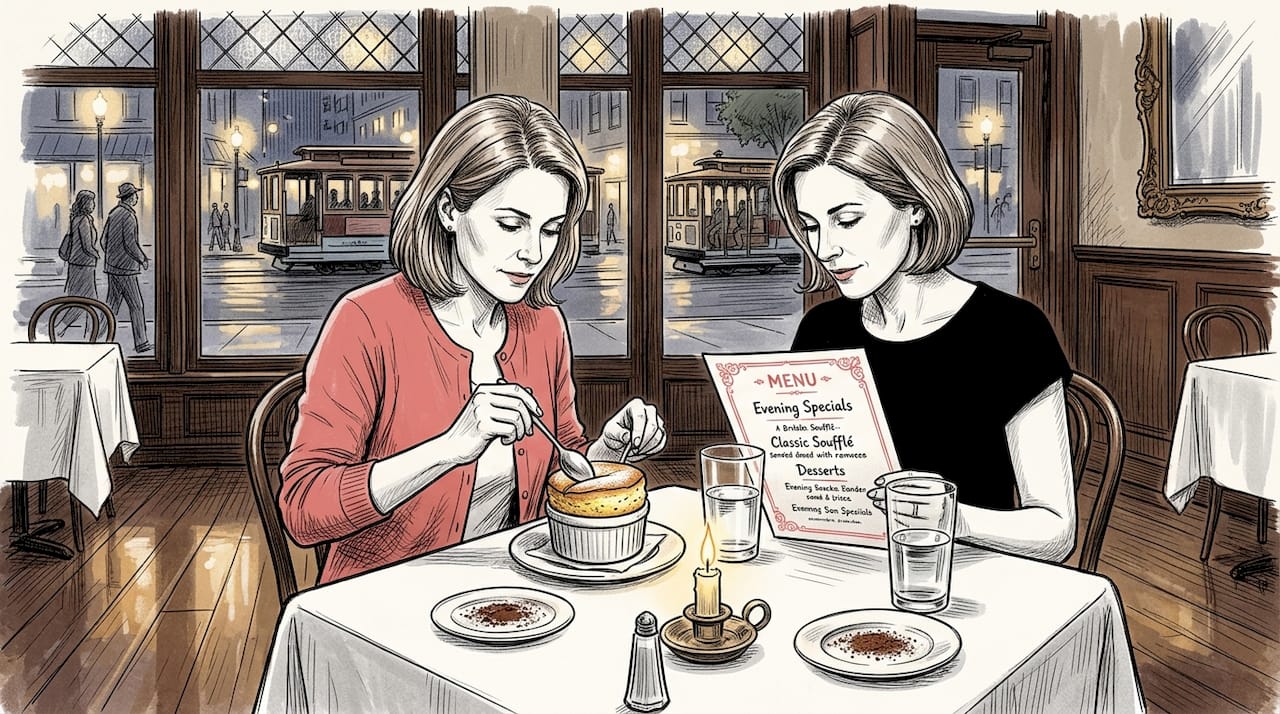
The pace is part of the experience. Expect a two to three hour dinner. That unhurried rhythm creates space for real conversation, which is precisely what many couples are chasing when they look for a “culinary experience” rather than just a meal.
Key details for planning:
- Signature dishes: Classic cheese soufflé, seasonal vegetable varieties, chocolate and Grand Marnier dessert soufflés
- Romantic credential: Named by a San Francisco Chronicle major outlet as especially romantic for couples
- Peak demand: Valentine’s Day bookings fill months in advance, and anniversary dinners follow a similar pattern
- Reservation strategy: Off-peak weeknights offer the best chance of securing your preferred table
- Atmosphere: Low lighting, closely spaced tables, an old-world French bistro interior
Pro Tip: If peak dates are already sold out, ask to be placed on the cancellation list. Café Jacqueline does see last-minute openings, and a flexible couple with a free evening can sometimes land one of the most coveted tables in the city.
For more curated ideas, our culinary enthusiast picks include similar slow-dining, chef-led experiences across Europe that bring the same sense of occasion.
Drag brunches and queer food culture tours: fun, flair, and local history
For couples craving something livelier or more community-based, these group-oriented experiences add unique flair to your culinary calendar.
Not every romantic culinary outing needs to be quiet and candlelit. Sometimes the most memorable meal involves sequins, show tunes, and a table full of mimosas. Drag brunches provide comfort, community, set seating, and an event-specific experience that is genuinely unlike any standard restaurant visit. The Castro neighbourhood in San Francisco, for instance, hosts recurring drag brunch events with reserved seatings, a full brunch menu, and performances that range from heartfelt to hilariously camp.
The format works particularly well for couples who want to combine a meal with entertainment and a sense of belonging. You’re not just eating; you’re participating in a living expression of LGBTQ culture. That said, it is worth being honest about the trade-offs. Drag brunches are louder, more communal, and less focused on the food itself. The cuisine tends toward crowd-pleasing classics rather than ambitious tasting menus.
For couples who want the fun energy but with more culinary substance, queer food culture tours offer a compelling middle ground. The queer food culture movement is growing steadily, with tours that weave together food tastings and LGBTQ history. A strong example is the “Pride Plates” walking food tour in Louisville, priced at around $159 per person, which guides participants through the city’s gayborhood with stops at local eateries and stories about the community’s culinary and cultural legacy.
Here is a straightforward comparison to help you decide:
| Feature | Drag brunch | Queer food culture tour |
|---|---|---|
| Atmosphere | Lively, theatrical | Relaxed, exploratory |
| Food focus | Moderate | High |
| Cultural insight | LGBTQ performance culture | Local LGBTQ history and food traditions |
| Typical duration | 2 hours | 3 to 4 hours |
| Typical cost | $45 to $80 per person | $80 to $160 per person |
| Booking needed? | Yes, reserved seatings | Yes, small-group tours |
| Best for… | Fun, entertainment, community | Deeper cultural and culinary connection |
For couples drawn to food experiences rooted in cultural culinary experiences, these tours consistently deliver more lasting memories. You might also enjoy reading about wider culinary travel trends shaping how modern travellers approach food tourism. And if you’re inspired by romantic food journeys beyond North America, Sicilian culinary romance offers a deeply evocative example from the Mediterranean.
Pro Tip: On queer food culture tours, ask your guide about neighbourhood history before and after the scheduled tastings. The informal conversations are often richer than the scripted portions of the tour.
Quick comparison: which culinary experience is right for your date night?
To help you decide which option fits your next special meal, here’s a quick side-by-side summary.
Every couple is different. Some want silence and soufflés. Others want drag queens and eggs Benedict. This table brings together all the options covered above so you can match your priorities to the right experience. Use it as a practical planning tool rather than a definitive ranking, because the best experience is always the one that suits you.
| Experience | Setting | Cuisine type | Vibe | Reservation need | Avg. cost (per couple) | Cultural insight | Standout for… |
|---|---|---|---|---|---|---|---|
| Sofi Corner Cafe | Intimate, 20-seat bistro | French-Moroccan tasting menu | Quiet, romantic | Essential, 2+ weeks ahead | $120 to $180 | High, bicultural | Authenticity and intimacy |
| Café Jacqueline | Classic French bistro | Soufflé-centric French | Leisurely, old-world | Essential, months for peak | $150 to $220 | Moderate, French tradition | Slow dining and romance |
| Drag brunch | Venue varies | Brunch classics | Lively, theatrical | Yes, reserved seatings | $90 to $160 | LGBTQ performance culture | Fun and community |
| Queer food culture tour | Neighbourhood walking tour | Local mixed tastings | Social, educational | Yes, small-group booking | $160 to $320 | High, LGBTQ history and food | Cultural depth and storytelling |
If you’re still weighing options or planning a trip abroad, our food-focused travel guide is a useful companion resource with broader destination-level planning advice.
What most guides miss about romantic culinary adventures for gay couples
Most articles about LGBTQ-friendly dining focus almost entirely on the rainbow flag in the window. That is not a criticism, it matters. But it’s rarely the whole story, and in our experience working with couples across Paris, Seville, Berlin, and Mexico City, the details that truly make an evening unforgettable are far more nuanced.
The couples who walk away from a culinary experience genuinely moved are not necessarily the ones who booked the trendiest spot or the most overtly queer venue. They are the ones who sat with a chef who told them why a particular ingredient mattered to his grandmother, or who discovered a wine from a tiny regional producer that they’d never have found on their own. That kind of memory doesn’t come from a hashtag. It comes from a genuine human connection anchored in local food tradition.
There’s also a subtler point worth making about comfort. True comfort in a dining space is not just the absence of hostility. It’s the presence of warmth. A gay-owned café may immediately feel like a safe haven, but so can a third-generation family trattoria run by a couple who simply love feeding people well and make everyone around their table feel at home. Don’t overlook the latter in your search for the former.
We also encourage couples to resist the pull of pure trendiness. A venue that looks spectacular on social media may deliver a mediocre, impersonal meal. An unassuming neighbourhood restaurant guided by a passionate owner may deliver the evening you talk about for the next decade. Our curated culinary experiences are designed around exactly this philosophy: substance over spectacle, connection over curation.
Ultimately, the question to ask before booking is not “Is this place gay-friendly?” but rather “Will this place make us feel like the most important guests in the room?” When you find somewhere that answers yes to both, book immediately and go twice.
Next step: discover more authentic culinary journeys
If you’re inspired to plan your own culinary adventure, there are even more possibilities to explore. At The Chef’s Tours, we believe that the best meals are never accidental. They happen when expert local knowledge meets genuine enthusiasm for food, culture, and connection.
Our chef-led experiences across Paris, Seville, Berlin, and Mexico City are designed for exactly the kind of couple who has read this far and thought: yes, that’s what we’re looking for. Whether you’re drawn to the intimate bistros of Montmartre with Chef PJ, the tapas bars of Seville’s old quarter with Chef Crestani, or the market stalls and street-food scenes of Mexico City with Chef Karl Wilder, we’ll make sure every bite tells a story. Browse our culinary experiences to try, discover the full scope of culinary adventures abroad, or explore our complete portfolio of culinary city tours to start building your next unforgettable date night.
Frequently asked questions
What makes a restaurant or tour especially romantic for gay couples?
Intimate settings, welcoming staff, and opportunities to share unique cultural dishes together make for the most memorable romantic experiences. Small-room venues with careful reservation policies are consistently cited as key factors in creating a genuinely romantic atmosphere.
Are there any tips for getting reservations at the most romantic venues?
Book as far ahead as possible, particularly for high-demand dates, since Valentine’s bookings at venues like Café Jacqueline fill months in advance. Always ask about private tastings or off-menu options for a more exclusive experience.
How do drag brunches compare to traditional romantic dinners?
Drag brunches offer lively entertainment and a sense of LGBTQ community with set seating and a brunch format, while traditional romantic dinners prioritise privacy, quiet ambience, and a deeper focus on the food itself.
What is a queer food culture tour?
These tours blend culinary tastings with LGBTQ history and neighbourhood storytelling, as seen with the “Pride Plates” tour in Louisville, creating a richer connection to local culture beyond any single restaurant visit.
Are place-based, authentic cuisines important when planning a couple’s food tour?
Yes, experiences rooted in local culinary traditions rather than purely identity-themed formats tend to be more meaningful and lasting. Authentic, place-based cuisine grounds the experience in real cultural history and gives couples something genuinely worth remembering.
Recommended
- Culinary Experiences: A Journey Through Food –
- Culinary travel trends: Unlock authentic local experiences
- 7 Inspiring Cultural Food Experience Examples to Try
- Travel Tasting List: Culinary Adventures Await –
- Taste experiences for the heart | Tania Costantino – Sicilian Wedding and Event
- Ever Wonder Where The Great Chefs Eat… – Recipe For Success