

TL;DR:
- Booking with local chefs offers authentic, in-depth cultural and culinary insights unavailable in standard tours.
- Chef-led experiences provide access to producers, seasonal context, and personalized storytelling that deepen understanding.
- Genuine culinary experiences focus on food and tradition, while themed experiences often emphasize décor and theatrics.
Most travellers assume that finding genuine local food is simply a matter of avoiding fast food chains and picking a restaurant with a good rating online. The reality is far more nuanced. Local dishes are a top priority for a significant portion of food-focused travellers, yet the majority still end up in tourist-facing restaurants that serve a polished, sanitised version of regional cuisine. Booking with a local chef changes everything. This article explains why chef-led experiences deliver something no review site can replicate, and how you can make the most of them in cities like Paris, Seville, Berlin, and Mexico City.
Table of Contents
- Why food authenticity matters to culinary travellers
- The true value of booking with local chefs
- Chef-led tours vs typical food tours or restaurants
- Practical tips: Making the most of your chef-led experience
- How to spot authentic vs ‘themed’ culinary experiences
- Our perspective: What most travellers miss about chef-led food experiences
- Ready to experience local chef-led culinary adventures?
- Frequently asked questions
Key Takeaways
| Point | Details |
|---|---|
| Authenticity comes first | Travellers value local chefs for delivering genuine, place-based food experiences unavailable elsewhere. |
| Chefs provide insider access | Booking with a local chef grants you behind-the-scenes insight and cultural storytelling most tourists miss. |
| Quality over theme | The most credible chef-led dining connects to local ingredients, stories, and culinary traditions, not just decor or entertainment. |
| Experiential demand rising | Culinary tourism’s growth reflects demand for hands-on, chef-guided adventures in major cities worldwide. |
| Investing in value | While chef-led experiences can cost more, their educational and immersive benefits are unmatched for true food explorers. |
Why food authenticity matters to culinary travellers
Authenticity is not a buzzword in culinary travel. It is the entire point. When you fly to Seville or Mexico City, you are not just seeking a meal. You are seeking a moment of genuine connection with a place, its people, and the ingredients that define it. That is something a tourist-facing trattoria or a rooftop bar with a curated cocktail menu simply cannot deliver.
Culinary tourism trends show that travellers are increasingly willing to go further, spend more, and plan longer itineraries around food. This is not a niche pursuit. It reflects a broader shift in how people measure the value of travel. Convenience used to be king. Now, meaning is.
Local chefs act as cultural ambassadors in the truest sense. They know which market stall has been supplying the same family restaurant for three generations. They understand which seasonal ingredient defines a dish in October versus March. They carry the stories, the techniques, and the regional pride that no guidebook can fully capture. When Chef PJ walks you through a Parisian fromagerie or Chef Crestani introduces you to a tapas bar that has no English menu, you are not just eating. You are learning.
Here is what authentic cultural experiences with local chefs typically deliver that standard dining cannot:
- Direct access to producers, including fishmongers, bakers, and market vendors who supply working restaurant kitchens
- Seasonal context, so you understand why a dish tastes different in spring versus autumn
- Cultural narrative, including the history, migration, and tradition behind each recipe
- Unfiltered recommendations for places that locals actually eat, not venues built around tourist footfall
- Personal relationships with the chef, who can tailor the experience to your palate and curiosity
The data supports this appetite for depth. Local specialties and place-based food knowledge are among the strongest motivators for culinary travellers, with local dishes ranking as a top priority when eating away from home. That statistic matters because it reveals a gap between what travellers want and what most standard tours actually provide.
The true value of booking with local chefs
Beyond the emotional resonance, there is a clear, practical case for choosing a chef-led experience over a standard restaurant booking or a generic walking tour. The value is layered, and it compounds the longer you engage with it.
Chef-led food tours combine culinary storytelling with technical insight in a way that transforms a meal into a masterclass. When Chef Karl Wilder guides you through Berlin’s street food scene or introduces you to a mezcal producer in Mexico City, he is not just pointing at dishes. He is explaining the fermentation process, the regional corn variety, the reason a particular chilli is used in one state but not another. That level of detail is what separates a memorable trip from a forgettable one.
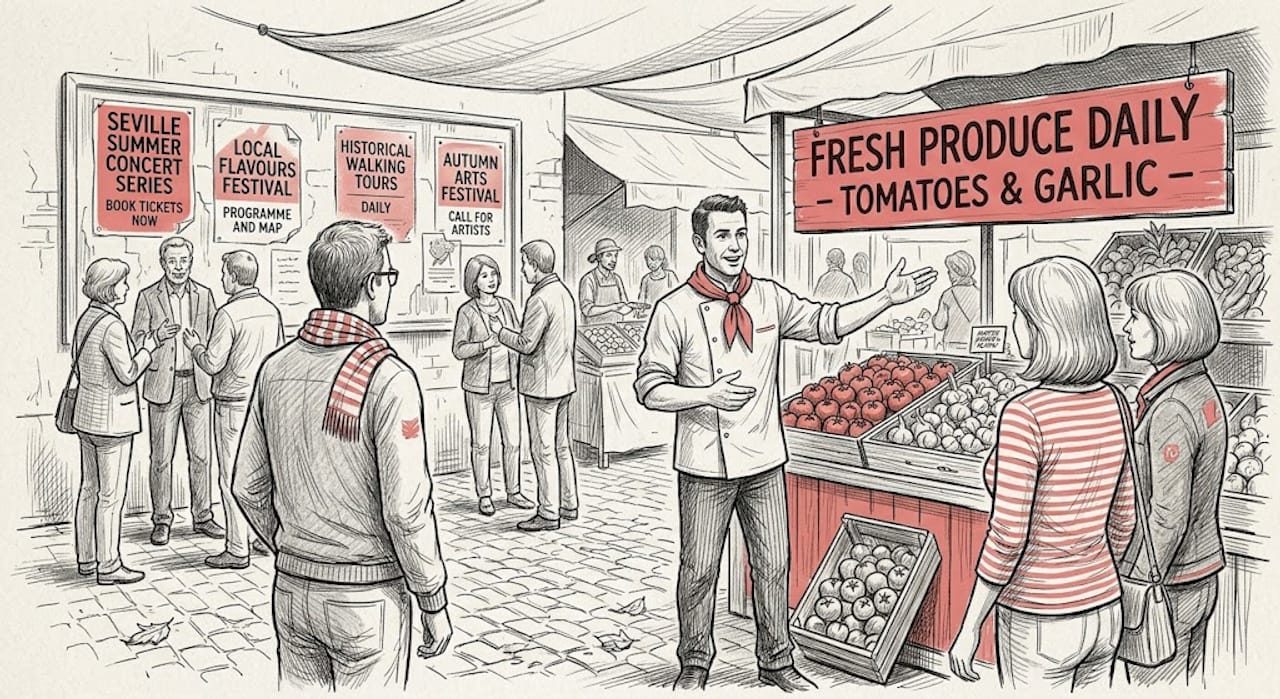
Experiential dining strategy is now a recognised approach in the hospitality industry, with operators deliberately using special experiences to increase perceived value and selectivity among diners. Chef-led tours sit squarely within this model, but with a crucial difference: the best ones are not engineered for spectacle. They are built around genuine culinary knowledge and personal connection.
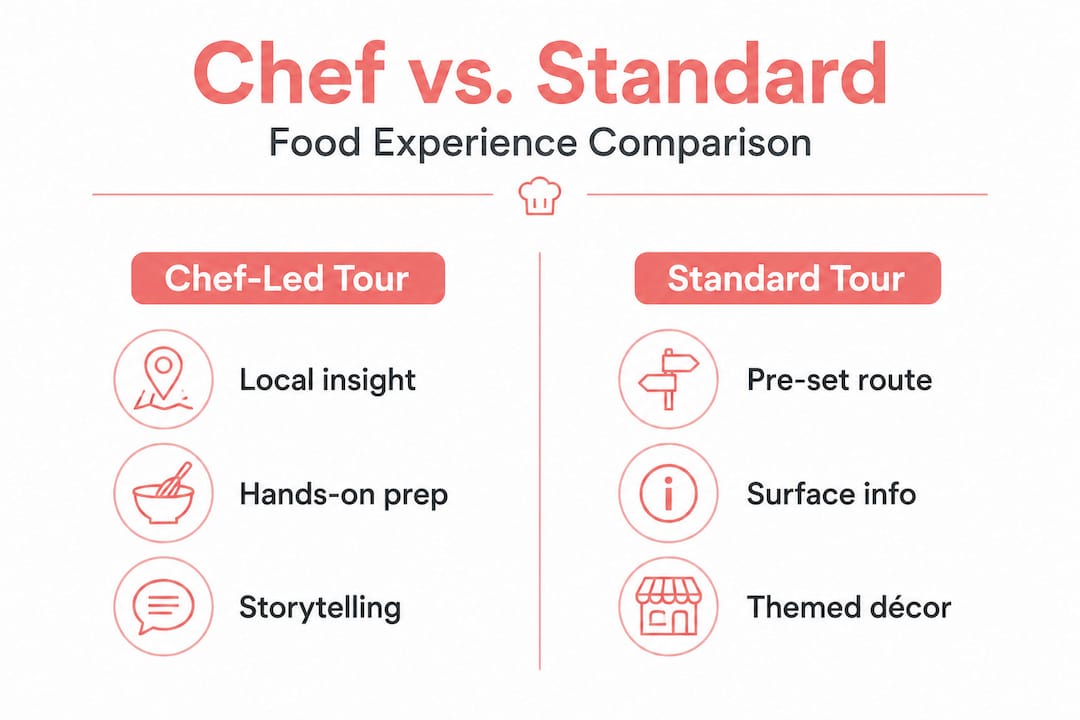
Here is a comparison of what you typically receive across different experience types:
| Feature | Chef-led tour | Standard food tour | Restaurant meal |
|---|---|---|---|
| Cultural storytelling | In-depth, personal | Minimal | Rare |
| Ingredient sourcing insight | Yes, often first-hand | Unlikely | Almost never |
| Access to non-tourist venues | Frequent | Occasional | Depends on luck |
| Hands-on cooking elements | Often included | Rarely | No |
| Small group, personalised | Yes | Varies | No |
| Heritage recipe knowledge | Central to experience | Unlikely | Possible |
Pro Tip: Ask your chef guide in advance whether the experience includes a market visit. Morning markets, especially in Paris and Seville, reveal an entirely different side of a city’s food culture that afternoon tours simply cannot replicate.
The chef-led travel expertise that guides like Chef PJ bring to Paris is not something you can approximate by reading a food blog. It is accumulated over years of working in kitchens, building supplier relationships, and understanding the rhythms of a city’s culinary calendar.
Chef-led tours vs typical food tours or restaurants
Let’s be direct about the differences, because they matter when you are deciding how to spend your travel budget and your limited time in a city.
A standard food tour typically follows a fixed route, visits the same three or four stops every day, and delivers a scripted commentary that has been approved for broad appeal. There is nothing wrong with that as an introduction. But it rarely goes deeper than the surface. You taste. You move on. You do not understand why the dish exists, who makes it, or what it would taste like if prepared with ingredients sourced from a specific farm forty kilometres away.
Chef-led tour differences are significant precisely because a working chef brings professional context to every stop. They notice things a tour guide does not. They can read a menu and tell you immediately which dishes are made in-house and which are bought in. They know the chef in the kitchen and can often arrange a brief introduction or a behind-the-scenes look at the prep area. That kind of access is genuinely rare.
“The most meaningful food experiences I have had as a traveller were never in the most famous restaurants. They were in the places a local chef took me, where I would never have found the door on my own.”
Culinary tourism market analysis confirms an ongoing and growing demand for immersive, chef-guided formats among discerning travellers. This is not a passing trend. It reflects a fundamental shift in what people expect from travel.
Here are the key practical differences to keep in mind when comparing options:
- Insider access: Chef-led tours regularly visit suppliers, producers, and venues that are not open to the general public.
- Narrative depth: Every dish comes with a story rooted in the chef’s personal and professional experience.
- Flexibility: A good chef guide can adapt the route based on what is fresh, what is in season, or what you are most curious about.
- Why chef expertise matters: Chefs can explain technique, flavour balance, and regional variation in ways that make you a more informed eater long after the tour ends.
- Genuine relationships: You leave with recommendations you can trust, not a list of sponsored venues.
Practical tips: Making the most of your chef-led experience
Knowing the value of a chef-led experience is one thing. Choosing the right one and getting the most from it requires a little preparation.
Curated experiences with local chefs work best when you arrive with some context and a few clear preferences. Here is how to approach the booking and preparation process:
- Check credentials and reviews carefully. Look for chefs with verifiable professional backgrounds, not just enthusiastic home cooks. Read reviews that mention specific dishes, venues, or moments rather than generic praise.
- Ask about group size upfront. Smaller groups (six people or fewer) allow for more personal interaction and flexibility. Larger groups can dilute the experience significantly.
- Communicate dietary needs in advance. A skilled chef guide can adapt the route to accommodate allergies, intolerances, or strong preferences without compromising the authenticity of the experience.
- Request a market visit if one is not already included. Markets are where a city’s food culture is most alive and most honest.
- Ask what is seasonal. A chef who cannot answer that question immediately is not as connected to local food culture as they claim to be.
Pro Tip: If you are travelling with a group, consider booking a private experience. The additional cost is often modest, and the ability to customise the route, timing, and focus areas makes it far more rewarding than a shared group tour.
Culinary tourism growth is driving more providers into the market, which means quality varies enormously. The platforms and chefs who have been doing this for years, with consistent reviews and genuine culinary credentials, are worth the investment.
How to spot authentic vs ‘themed’ culinary experiences
This is where many travellers get caught out. The experiential dining market has grown fast, and not all of it is rooted in genuine culinary culture. Some experiences are built around atmosphere, décor, and theatrical presentation rather than the food itself.
Authentic local experiences share a set of recognisable qualities. The food is the focus, not the setting. The chef talks about ingredients with specificity and passion. The venues feel lived-in, not staged. The stories connect to real history and real people, not a marketing narrative.
“The most credible versions [of experiential dining] tie the immersion to ingredients, seasons, technique, and the chef’s authentic storytelling rather than [décor] alone.” Forbes, 2025
Watch for these signs that an experience is genuinely authentic:
- The chef references specific local producers, farms, or suppliers by name
- The menu or tasting route changes with the season, not just the calendar year
- The chef shares personal anecdotes tied to the food, not scripted commentary
- The venues visited are places where locals actually eat, not tourist-facing operations with translated menus
- Questions about technique or ingredients are answered with depth, not deflection
And watch for these red flags that suggest a themed experience over a genuine one:
- Heavy emphasis on décor, costumes, or theatrical presentation
- A fixed menu that never changes regardless of season or availability
- Vague answers when you ask about ingredient sourcing
- Reviews that praise the “atmosphere” but say little about the food itself
- No apparent connection between the guide and the culinary community
Our perspective: What most travellers miss about chef-led food experiences
Here is something most culinary travel content will not tell you directly: the biggest mistake travellers make is treating a chef-led experience as a premium version of sightseeing. It is not. It is a fundamentally different kind of travel.
When you book with a local chef, you are not purchasing a curated highlight reel of a city’s food scene. You are gaining access to a professional’s understanding of place. That is a rare thing. Chefs spend years, sometimes decades, building relationships with producers, refining their palates, and developing a nuanced sense of what makes a regional cuisine distinct. When they share that with you, even over a two-hour market walk, you leave with a framework for understanding food that stays with you long after the trip ends.
We have seen travellers spend three days in Paris eating at Michelin-starred restaurants and leave knowing less about French food than someone who spent a single morning with Chef PJ in a covered market. The starred restaurants are extraordinary. But they are the finished product. The market is where the story begins.
Chef expertise insights reveal that the most valued moments in chef-led experiences are rarely the most expensive bites. They are the conversations. The moment a chef explains why a particular olive oil tastes the way it does, or why the bread in one neighbourhood of Seville is different from the bread three streets away. That is the depth that standard tourism cannot manufacture.
Investing in a chef-led experience does cost more than booking a table at a popular restaurant. But the return is not measured in calories or even in pleasure alone. It is measured in understanding. And that is something you carry home.
Ready to experience local chef-led culinary adventures?
At The Chef Tours, we connect you with the chefs who know their cities from the inside out. Chef PJ in Paris, Chef Crestani in Seville, and Chef Karl Wilder in Berlin and Mexico City are not tour guides who happen to like food. They are working culinary professionals who have built careers around understanding what makes each city’s food culture unique.
Whether you are looking to explore the culinary experiences to try in your next destination, or you want to understand why chefs lead tours rather than simply recommend restaurants, we have the expertise and the access to make it happen. Our chef-led food tours are small-group, personalised, and built around genuine culinary knowledge. Private and corporate experiences are also available for those who want a fully tailored itinerary. Browse our tours and take the first step towards a food experience that actually means something.
Frequently asked questions
What makes a chef-led food experience different from a standard food tour?
Chef-led experiences deliver insider access, authentic food preparation, and personal storytelling that standard tours rarely match. As experiential dining research confirms, operators use these formats specifically to create a level of perceived value and selectivity that generic tours simply cannot offer.
Why do authentic culinary experiences usually cost more?
You pay a premium for exclusive access, high-quality ingredients, immersive education, and the chef’s expertise. Culinary tourism market data notes a clear price premium for educational formats such as heritage cooking classes and chef-guided market visits.
How can I tell if a chef-led food tour is genuinely authentic?
Look for focus on specific ingredients, the chef’s personal story, and local culinary techniques rather than themed décor or theatrical presentation. The most credible experiences, as Forbes notes, tie immersion to seasons, technique, and authentic storytelling.
Are chef-led experiences available in all major cities?
Most major cities now offer a range of chef-led culinary tours due to rising global demand, especially in established foodie destinations. Culinary tourism projections show continued market growth and increasing availability of chef-guided formats across key travel destinations worldwide.
Recommended
- How local chefs shape authentic culinary tourism
- Culinary travel trends: Unlock authentic local experiences
- How to Find Local Food Tours for Authentic Culinary Experiences
- Culinary experts: the key to authentic food travel
- Why try local experiences? Authentic travel rewards explained
- Bologna gastronomic experience with a local