

TL;DR:
- Chef-guided tours offer insider access, cultural depth, and personal storytelling unmatched by standard tours.
- Small group experiences enhance immersion, flexibility, and meaningful interaction with chefs and local producers.
- Trustworthy tours are verified through detailed chef bios, independent reviews, and transparent itineraries.
The majority of today’s travellers no longer settle for a restaurant recommendation from a hotel concierge. 62% of travellers now actively prioritise food experiences when choosing a destination, which means the market for culinary tourism has never been more crowded or more competitive. Chef-guided tours have emerged as the gold standard precisely because they offer something no generic tour can replicate: the kind of insider access, personal storytelling, and cultural depth that only comes from spending time with someone who has spent their career inside a city’s food scene. This guide explains what makes chef-led tours trustworthy, immersive, and worth every penny.
Table of Contents
- The rise of chef-guided culinary tours
- Authenticity and expertise: Why chefs make a difference
- Personalised, small group experiences for deeper connection
- The role of research and reviews in building trust
- What most chef-guided tour reviews miss: true value isn’t just the food
- Discover your chef-guided culinary journey
- Frequently asked questions
Key Takeaways
| Point | Details |
|---|---|
| Chef-led tours boost authenticity | Local chefs deliver richer cultural stories and insider culinary access compared to generic guides. |
| Small groups enhance learning | Personalised attention and hands-on elements make chef-guided tours more memorable and interactive. |
| Research ensures quality | Checking chef credentials and reviews helps you book a trustworthy, worthwhile culinary experience. |
| Value beyond food | The true rewards come from immersive techniques, cultural nuances, and chef expertise rarely found elsewhere. |
The rise of chef-guided culinary tours
Food tourism is no longer a niche pursuit. It has become one of the fastest-growing sectors in the global travel industry, with the food tourism market projected to reach $1.8 trillion by 2030. Within that broader boom, chef-guided tours are outpacing generic group experiences at a remarkable rate. Bookings for chef-led experiences have seen a 43% year-on-year increase, driven primarily by travellers who want cultural immersion rather than a scripted tasting checklist.
What is pulling people towards these experiences? A few clear drivers stand out:
- Credibility: A trained chef carries professional authority that a generic guide simply cannot replicate.
- Insider knowledge: Chefs know suppliers, producers, and restaurant owners personally, opening doors that remain firmly closed to outsiders.
- Cultural context: Food does not exist in isolation. Chefs explain the history, technique, and regional identity behind every dish.
- Spontaneity: A chef can adapt the tour on the spot, steering the group towards a market stall or back-alley eatery that a fixed itinerary would never include.
“The best culinary tours feel less like a tour and more like being invited into a chef’s personal world. That feeling of privilege is what people are really paying for.”
This shift reflects a broader change in how people define a successful trip. Travellers increasingly want to understand a place through its food culture rather than simply photograph it. The chef-led travel expertise required to deliver this kind of experience takes years to build, which is why the best operators invest heavily in sourcing and retaining genuinely skilled chef guides. A professional chef’s involvement transforms a tasting into an education, and a neighbourhood walk into a living culinary history lesson.
Authenticity and expertise: Why chefs make a difference
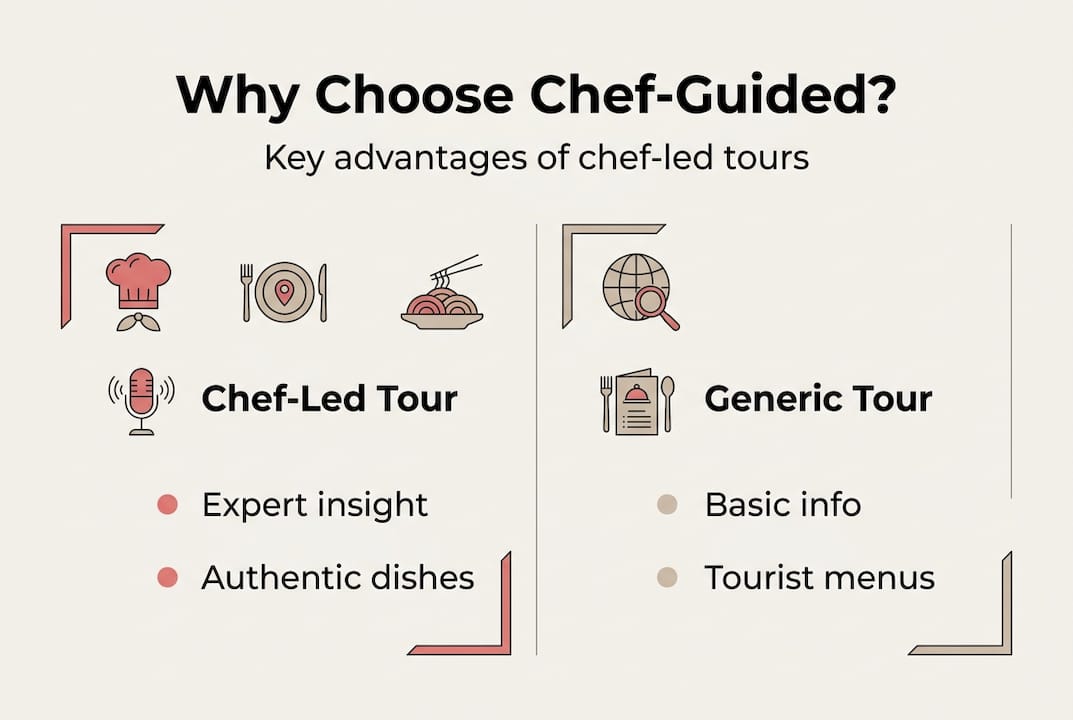
Not all food tours are created equal, and the gap between a chef-guided experience and a standard tour becomes obvious very quickly. Generic tours tend to rely on a pre-approved list of restaurants with whom the tour operator has a commercial arrangement. Chef-led tours, by contrast, are built around the chef’s genuine relationships and personal judgement.
Established operators understand this distinction. Professional chefs are vetted for both their culinary credentials and their ability to communicate complex ideas in an engaging, accessible way. This dual skill set is rare, and it is what separates a truly memorable tour from a pleasant afternoon out.
Here is a straightforward comparison:
| Feature | Chef-led tour | Generic food tour |
|---|---|---|
| Culinary knowledge depth | High | Variable |
| Hands-on demonstrations | Common | Rare |
| Personal supplier relationships | Yes | Usually no |
| Ability to answer technical questions | Yes | Limited |
| Cultural storytelling | Rich and personal | Often scripted |
The chef expertise benefits extend well beyond knowing which restaurant has the best paella. A trained chef can show you how to judge the freshness of fish at a market, explain why a particular region’s bread tastes different from the loaf made two towns over, or demonstrate a knife technique that has been passed down through generations. These are authenticity and depth that no amount of guidebook research can replicate.
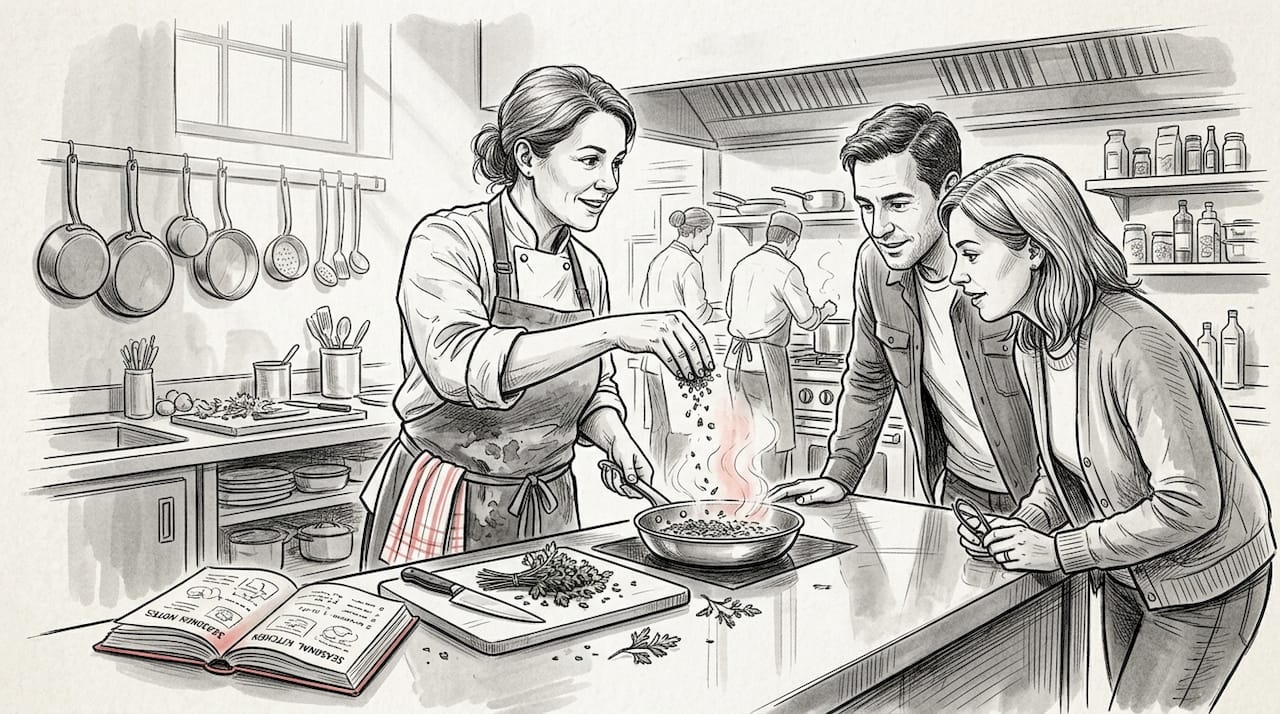
Pro Tip: When evaluating a chef-led tour, look specifically for operators who publish detailed chef bios. A chef with a traceable professional history, real restaurant experience, and genuine local roots is far more likely to deliver an honest, unscripted experience.
Personalised, small group experiences for deeper connection
Group size matters enormously in culinary tourism, yet it is one of the most overlooked factors when booking. A tour with twenty strangers moving quickly between venues is a fundamentally different experience from one with eight participants who can linger, ask questions, and genuinely engage with their guide.
Small group culinary tours consistently deliver more personalised, immersive experiences because the chef can tailor discussions and demonstrations to the specific interests of the group. If one participant is a professional baker, the chef can pivot the conversation. If someone has never tasted aged Manchego before, the guide can take a moment to walk them through the entire flavour journey.
Consider what small group formats make possible:
- Hands-on ingredient selection at markets, where the chef explains what to look for and why
- Access to private kitchens or producer facilities that would be impractical with a larger crowd
- Genuine conversation between participants, creating a sense of shared discovery
- Flexible pacing that allows the group to slow down when something captures their attention
Here is how group format affects the experience:
| Factor | Small group (up to 10) | Large group (10+) |
|---|---|---|
| Guide attention per person | High | Low |
| Activity depth | Immersive | Surface level |
| Flexibility | Strong | Limited |
| Group cohesion | Natural | Often fragmented |
The value of small group tours is most apparent in moments of spontaneity. When a chef knows everyone in the group, they can make decisions in real time: slipping into an unmarked door to meet a cheesemaker, or pausing at a street corner to explain a neighbourhood’s culinary evolution. These are the moments that make a trip unforgettable.
Pro Tip: Before booking, ask the operator for the maximum group size. If the answer is vague, treat that as a warning sign. The best chef-led tours cap attendance at eight to ten participants.
The role of research and reviews in building trust
The surge in popularity of chef-led tours has inevitably attracted operators who use the label without truly delivering the substance. Not every tour marketed as “chef-led” involves a working chef with genuine local roots. This is where careful research becomes your most valuable tool.
Some travellers note that certain highly rated tours can feel expensive relative to expectations, or that group dynamics can affect the overall experience. These are legitimate considerations, and they underscore the importance of doing your homework before committing.
Here is a practical sequence for researching a trustworthy chef-led tour:
- Read the chef bio carefully. Look for specific credentials: formal culinary training, restaurant experience, and named local establishments.
- Seek out independent reviews. Tripadvisor and Google Reviews are useful, but also check food travel forums and community boards for candid accounts.
- Assess group dynamics in reviews. Past participants often mention whether the group felt cohesive or disjointed. This tells you a great deal about tour management.
- Request a sample itinerary. Reputable operators will share this without hesitation. Look for variety, pacing, and genuine local venues rather than tourist-facing establishments.
- Ask specific questions before booking. Enquire about dietary accommodation, cancellation policies, and what happens if the named chef is unavailable.
“The best reviews are the ones that describe a specific moment, a conversation with the chef, a dish that surprised them, or a place they would never have found alone. Vague five-star praise tells you very little.”
Using this chef-led guide to tours approach will help you separate the genuinely expert experiences from those that simply borrow the terminology.
What most chef-guided tour reviews miss: true value isn’t just the food
Here is something the typical review rarely captures: the most transformative moments on a chef-led tour are almost never the dishes themselves. They are the unscripted exchanges between a chef and a market vendor who have known each other for a decade, or the offhand comment about why a particular neighbourhood’s food scene shifted after a political change. These are things no itinerary can plan for, and no generic guide could provide.
As culinary experts in food travel understand, food is the entry point, not the destination. The real value lies in the chef’s personal network, their willingness to share genuine opinions, and the cultural nuance that comes from a lifetime of working inside a city’s food culture. Reviews tend to rate the tasting portions and the venue quality. Savvy culinary tourists know to look past those metrics entirely and ask a simpler question: did I leave knowing something I could not have learned any other way?
Discover your chef-guided culinary journey
If this guide has clarified what to look for in a genuinely trustworthy chef-led experience, the next step is finding one that matches your city and your appetite.
At The Chef’s Tours, every experience is built around a named, credible local chef. Chef PJ leads our acclaimed Paris tours, bringing unmatched knowledge of Parisian cuisine and the city’s finest producers. Chef Crestani is your guide to the very best of Seville, and Chef Karl Wilder covers both Berlin and Mexico City with the depth of a true insider. Explore the full range of culinary experiences to try, read honest chef bios, and use our expert guide for chef-led tours to compare options with confidence. Discover the insider access that only a chef can offer.
Frequently asked questions
How do I verify a chef’s credentials for a culinary tour?
Check the tour operator’s website for detailed chef bios, named culinary accreditation, and independent external reviews. Established operators consistently vet their chefs for both expertise and communication ability.
Are chef-guided tours more expensive than regular food tours?
Chef-guided experiences typically cost more due to the level of expertise and exclusive access they provide. As some travellers note, the higher price reflects unique access and personalised learning that standard tours cannot offer.
What if I have dietary restrictions?
Most chef-led tours can adapt their offerings to accommodate dietary requirements, but you should always confirm this with the operator before booking to ensure a seamless experience.
Can I expect hands-on activities in every chef-guided tour?
Many chef-led tours include hands-on elements, though offerings vary by operator and city. Small group formats make hands-on activities far more practical, so review the itinerary details before committing.
What makes chef-led tours more authentic than standard tours?
Chef-led tours are built on culinary storytelling, technical knowledge, and personal supplier relationships that standard tours simply cannot access. The authenticity and depth of a trained chef’s insight transforms a food tour into a genuine cultural education.