

KWEdit
Nov 16, 2025
Gourmet Travel: The Essential Guide for Food Explorers

Nearly 60 percent of travelers now say their main reason for choosing a destination is its food scene. Gourmet travel goes beyond fancy meals or viral social media snapshots. It invites you to dive into the true heart of a place through its flavors, traditions, and hidden culinary stories. This guide opens a new way to see the world, where every meal becomes a gateway to culture, connection, and memorable discovery.
Table of Contents
- What Gourmet Travel Really Means
- Gourmet Travel Vs Culinary Tourism
- Forms And Formats Of Gourmet Travel
- Immersive Local Culinary Experiences
- Planning Obligations And Legal Aspects
- Risks And Practical Travel Considerations
Key Takeaways
| Point | Details |
|---|---|
| Gourmet Travel is Immersive | It involves engaging deeply with local culinary traditions, focusing on the cultural and historical significance of food. |
| Distinction from Culinary Tourism | While both seek to understand food cultures, gourmet travel emphasizes high-end experiences, whereas culinary tourism is broader and includes local and traditional dining. |
| Diverse Experiences Available | Gourmet travel includes unique formats such as food festivals, cooking classes, and winery visits, enhancing immersion in local food cultures. |
| Planning and Legal Considerations | Effective gourmet travel requires thorough planning that respects local regulations and cultural practices, ensuring authentic and safe culinary experiences. |
What Gourmet Travel Really Means
Gourmet travel is far more than simply eating at fancy restaurants or collecting Instagram-worthy food photos. According to research from bajangjournal, gourmet travel represents a sophisticated exploration of culinary experiences that go beyond mere sustenance, involving intentional and immersive interactions with local food cultures.
At its core, gourmet travel is about understanding destinations through their cuisine. Revistes highlights that this form of travel is characterized by deliberate participation in a region’s foodways, where the primary motivation is experiencing authentic, distinctive culinary traditions. It’s not just about tasting food, but comprehending the stories, techniques, and cultural significance behind each dish.
Key elements that define gourmet travel include:
- Deep engagement with local culinary traditions
- Intentional exploration of regional cooking methods
- Personal interactions with local chefs and food producers
- Understanding the historical and cultural context of cuisine
This approach transforms dining from a basic necessity into an enriching cultural exchange.
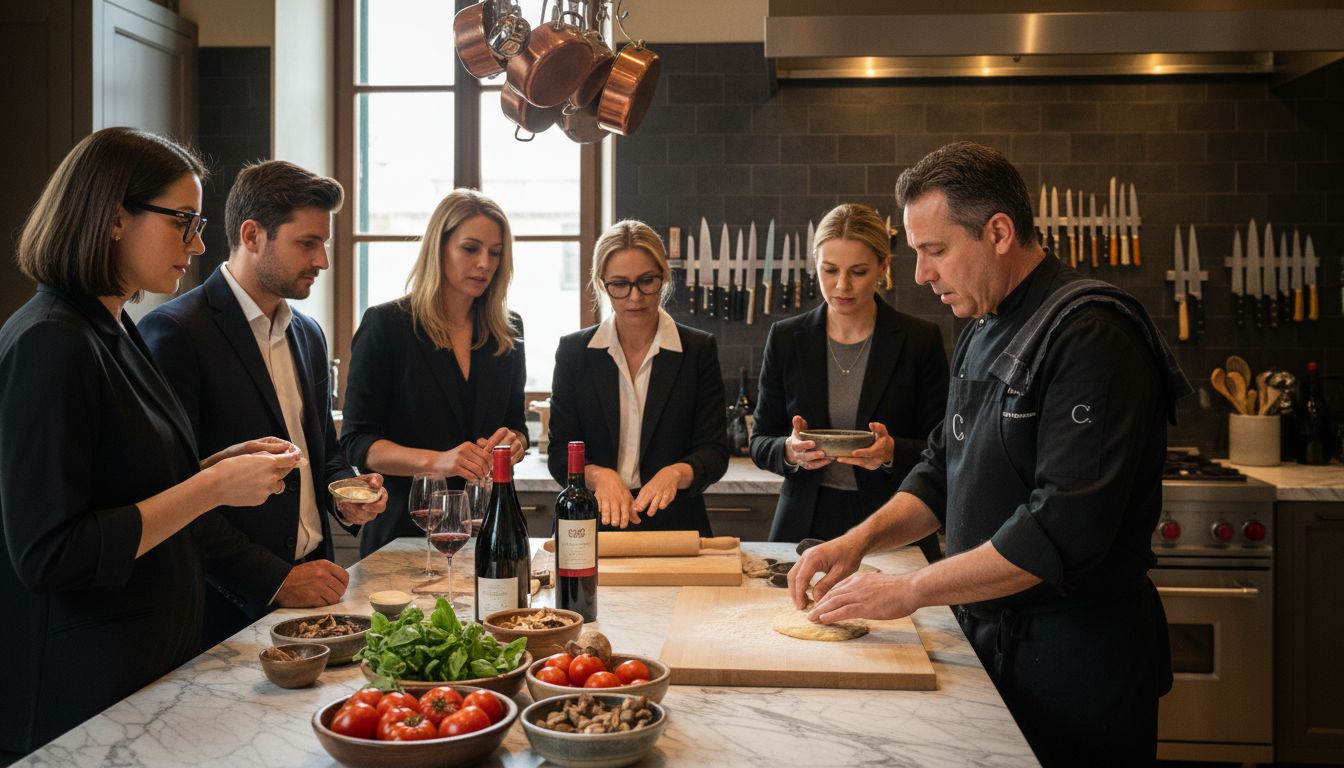 Gourmet travelers seek refined, elaborate food experiences that become integral to their journey, treating each meal as an opportunity for cultural discovery and personal connection.
Gourmet Travel Vs Culinary Tourism
While often used interchangeably, gourmet travel and culinary tourism represent distinct approaches to experiencing food while traveling. Academic research highlights that gourmet travel typically emphasizes high-quality, refined dining experiences that showcase exceptional culinary craftsmanship.
According to ebrary, the key distinction lies in the types of establishments and experiences sought. Gourmet tourism tends to focus on:
- Expensive, exclusive restaurants
- Fine dining establishments
- Specialized wineries
- High-end food production venues
In contrast, culinary tourism embraces a broader, more inclusive approach to food exploration. This style of travel prioritizes:
- Local, traditional dining experiences
- Reasonably priced eateries
- Street food and community-based culinary traditions
- Authentic cultural food interactions
Ultimately, both gourmet travel and culinary tourism share a fundamental goal: understanding destinations through their unique food cultures. The primary difference is in the approach and level of culinary sophistication.

Gourmet travelers seek out meticulously crafted, luxurious dining experiences, while culinary tourists aim for genuine, grassroots connections with local food traditions. Learn more about food tourism experiences to deepen your understanding of these nuanced travel styles.
Forms And Formats Of Gourmet Travel
Gourmet travel encompasses a diverse range of experiences that go far beyond traditional dining. Ebrary research outlines several distinctive formats of gastronomic tourism, highlighting the rich complexity of gourmet travel experiences.
According to Academic research, the primary formats of gourmet travel include:
- Food Festivals: Immersive culinary events celebrating regional cuisines
- Cooking Classes: Hands-on learning experiences with local chefs
- Market Tours: Guided explorations of local food markets and produce
- Vineyard and Winery Visits: Specialized tours focusing on wine production
- Chef-Led Expeditions: Curated culinary journeys with professional guidance
Each format offers a unique lens for experiencing local food cultures. Food festivals allow travelers to sample diverse regional specialties, while cooking classes provide intimate insights into traditional preparation methods. Market tours connect visitors directly with local producers, offering a ground-level view of culinary traditions. Explore our guide to ethnic food tours to discover more immersive culinary travel experiences that go beyond conventional dining.
The beauty of gourmet travel lies in its ability to transform eating from a mere necessity into a profound cultural exploration. Whether you’re sampling street food in a bustling market, learning traditional cooking techniques, or attending a sophisticated food festival, these experiences offer more than just sustenance they provide a deep, meaningful connection to the cultural heritage of a destination.
Immersive Local Culinary Experiences
Immersive local culinary experiences transform travelers from passive observers to active participants in a destination’s food culture. Link research reveals that the depth of these experiences depends on multiple factors, including prior knowledge, personal motivations, and individual food exploration strategies.
According to Revistes, authentic culinary immersion involves intentional participation in a destination’s foodways. This means going beyond simply tasting food and instead engaging deeply with local food traditions through:
- Direct interactions with local food producers
- Learning traditional cooking techniques
- Understanding the cultural significance of ingredients
- Participating in community food rituals
- Exploring the historical context of regional cuisines
Key elements that elevate a culinary experience from superficial to truly immersive include personal connection, storytelling, and genuine cultural exchange. Each meal becomes a narrative, each ingredient a conversation starter about local traditions and lived experiences. Breaking cultural barriers through food tourism offers travelers a profound way to understand and appreciate diverse cultural landscapes through the universal language of food.
Ultimately, immersive culinary experiences are about connection. They invite travelers to see a destination through its flavors, traditions, and the stories embedded in every recipe. These experiences transcend mere eating they are a form of cultural dialogue, where food serves as a bridge between travelers and local communities.
Planning Obligations And Legal Aspects
Gourmet travel requires more than just culinary enthusiasm. ArXiv research emphasizes the critical importance of a narrative-driven travel planning framework that integrates cultural considerations and legal compliance into immersive food experiences.
According to Link, successful gastronomic travel demands careful navigation of various legal and logistical obligations. Key planning considerations include:
- Verifying local food safety regulations
- Obtaining necessary permits for culinary experiences
- Understanding dietary restriction guidelines
- Respecting local cultural food practices
- Ensuring proper insurance coverage
- Compliance with health and sanitation standards
Professional gourmet travelers must approach trip planning as a comprehensive legal and cultural exercise. This means researching local regulations, understanding potential liability issues, and creating experiences that respect both legal frameworks and cultural sensitivities. Breaking cultural barriers through food tourism requires thoughtful preparation and a nuanced understanding of local contexts.
Ultimately, effective planning transforms potential legal complexities into opportunities for deeper, more meaningful cultural engagement. By proactively addressing regulatory requirements, travelers can create seamless, authentic culinary experiences that honor local traditions while maintaining professional standards of safety and respect.
Risks And Practical Travel Considerations
Gourmet travel involves navigating a complex landscape of potential challenges and unexpected experiences. ArXiv research emphasizes the critical need for strategic itinerary planning that balances attraction quality with practical travel constraints.
Link highlights that tourists’ experiences are significantly influenced by their prior knowledge and expectations. Key risks and practical considerations include:
- Dietary safety and potential food allergies
- Language barriers in culinary communication
- Unexpected hygiene and sanitation variations
- Budget management for specialized food experiences
- Transportation logistics between culinary destinations
- Health risks associated with unfamiliar cuisines
- Potential cultural misunderstandings around food practices
Successful gourmet travelers must develop a flexible mindset and comprehensive preparation strategy. This means researching local food cultures, understanding potential health risks, and maintaining an open yet cautious approach to culinary exploration. Breaking cultural barriers through food tourism requires both adventurous spirit and strategic planning.
Practical travel considerations extend beyond mere logistical planning. They involve cultivating cultural sensitivity, maintaining personal health and safety, and approaching each culinary experience with respect, curiosity, and informed preparedness. The most memorable gourmet travel experiences emerge from a delicate balance between spontaneity and careful, thoughtful navigation of potential challenges.
Discover Gourmet Travel Like Never Before
Embarking on a gourmet travel journey often leaves you seeking authentic culinary experiences that go beyond simple dining. You want to connect deeply with local food traditions, avoid common pitfalls like language barriers or food safety concerns, and fully immerse yourself in rich cultural narratives behind every meal. The article highlights challenges such as navigating complex legal frameworks and planning immersive, safe food experiences while still pursuing refined, sophisticated dining adventures.
At The Chef Tours, we understand your passion for gourmet travel and transform it into expertly guided culinary journeys led by local chefs. Our tours offer you direct access to authentic food markets, cooking classes, and unique regional events across diverse destinations. Explore our Chef Tour Cities – Explore Culinary Destinations to find your perfect gourmet getaway.

Ready to elevate your food exploration with expert guidance and authentic encounters? See what fellow travellers say about their experiences in our The Chef Tour Reviews | What Travelers Say and start planning your unforgettable gourmet journey today at https://thecheftours.com. Embark on a safe, immersive, and culturally rich adventure now.
Frequently Asked Questions
What is gourmet travel?
Gourmet travel is an immersive exploration of culinary experiences that emphasizes understanding local food cultures through food traditions, interactions with chefs, and understanding the historical context of cuisine.
How does gourmet travel differ from culinary tourism?
While both focus on food experiences, gourmet travel emphasizes high-quality, refined dining at exclusive restaurants, while culinary tourism prioritizes traditional, local dining experiences and grassroots culinary traditions.
What types of experiences can I find in gourmet travel?
Gourmet travel includes diverse experiences such as food festivals, cooking classes, market tours, vineyard visits, and chef-led expeditions, all designed to engage deeply with local culinary traditions.
What should I consider when planning a gourmet travel experience?
When planning gourmet travel, consider local food safety regulations, potential dietary restrictions, legal permits for culinary experiences, and ensure that you respect local culinary practices and traditions.