

Nov 20, 2025
Expert Guide to Selecting Culinary Destinations Worldwide

More than 80 percent of travellers now seek food as a cornerstone of their adventures, showing how culinary travel has become a priority for many british explorers. Choosing the ideal destination is not only about taste but also about discovery, culture, and finding experiences that truly match your personal preferences. If you want a journey beyond typical tourist spots, you will find practical steps here to design a genuinely memorable food-focused trip.
Table of Contents
- Step 1: Define Your Culinary Preferences And Priorities
- Step 2: Research Chef-Led Food Tours And Local Specialities
- Step 3: Assess Destination Accessibility And Legal Considerations
- Step 4: Verify Quality Through Reviews And Recommendations
- Step 5: Book Your Culinary Experience And Prepare For Travel
Quick Summary
| Important Insight | Explanation |
|---|---|
| 1. Define culinary preferences clearly | Identify your food interests and dietary needs to tailor your culinary journey for satisfaction. |
| 2. Research authentic culinary experiences | Seek chef-led tours that offer immersive cultural insights, connecting you with local cooking traditions and techniques. |
| 3. Assess practical travel considerations | Investigate visa requirements, health regulations, and local food safety standards to ensure a smooth culinary adventure. |
| 4. Check reviews for quality assurance | Validate experiences by consulting multiple trusted sources to capture authentic feedback and ensure quality dining options. |
| 5. Plan and prepare your culinary itinerary | Create a detailed travel plan that includes flexible opportunities for spontaneous culinary exploration and cultural engagement. |
Step 1: Define your culinary preferences and priorities
Selecting the perfect culinary destination requires a thoughtful understanding of your personal food interests and travel goals. According to research from arxiv.org, personalised meal experiences now recognise individual preferences as critical to enjoyment. This means your culinary journey should reflect your unique tastes, dietary requirements, and gastronomic curiosities.
Start by creating a comprehensive profile of your culinary preferences. Consider fundamental questions: Are you drawn to street food or fine dining? Do you prefer traditional regional cuisine or innovative fusion cooking? Assess your tolerance for spice, interest in experimental techniques, and willingness to try unfamiliar ingredients. Cambridge.org research highlights how modern food enthusiasts increasingly value not just taste, but also nutritional quality and sustainability in their culinary experiences.
Prioritise your goals by creating a ranked list of food exploration objectives. This might include learning traditional cooking methods, understanding local ingredient sourcing, experiencing specific regional cuisines, or engaging with local food cultures. Your priorities will guide your destination selection and ensure a deeply satisfying gastronomic adventure.
Step 2: Research chef-led food tours and local specialities
Navigating the world of culinary tourism requires strategic research to uncover extraordinary gastronomic experiences. National Geographic reveals that some of the most remarkable food tours offer immersive experiences that go far beyond simple tastings such as cooking workshops with local chefs and market explorations that connect travelers directly with regional culinary traditions.
Start your research by exploring reputable food tour platforms and chef-led culinary experience websites. Look for tours that offer more than just eating recommendations seek out experiences that provide deep cultural context, hands on cooking opportunities, and insider knowledge from local culinary experts. When evaluating potential tours, consider factors like group size, chef credentials, depth of cultural interpretation, and range of cuisines explored.
To find the most authentic experiences, dig deeper than surface level tourism websites. Connect with local culinary schools, follow food bloggers specialising in regional cuisines, and explore food tours worldwide that offer genuine connections with local food cultures. Your goal is to find tours that transform eating from a casual activity into an immersive cultural journey.

Step 3: Assess destination accessibility and legal considerations
Evaluating potential culinary destinations requires careful examination of practical and legal factors that could impact your gastronomic journey. Wikipedia highlights the importance of understanding local restaurant licensing, health regulations, and accessibility requirements that can significantly influence your travel experience.
Begin by researching visa requirements, travel restrictions, and health guidelines for your chosen destinations. Consider factors such as language barriers, transportation infrastructure, and local food safety standards. Pay special attention to dietary restrictions you might have and verify how easily these can be accommodated in different regions. TasteAtlas suggests examining local ingredient availability and potential challenges for travelers with specific nutritional needs or allergies.
Compile a comprehensive checklist of legal and practical considerations before finalising your culinary destination. This should include vaccination requirements, travel insurance coverage, local food handling regulations, and potential cultural nuances around dining and food preparation. Guide to Ethnic Food Tours can provide additional insights into navigating culinary experiences across different cultural contexts. By thoroughly preparing, you will minimise potential complications and maximize your gastronomic adventure.
Step 4: Verify quality through reviews and recommendations
Validating the authenticity and quality of culinary experiences requires a strategic approach to gathering insights from multiple trusted sources. Michelin Guide represents a gold standard in restaurant excellence, offering professional evaluations that can help discerning food travelers identify truly exceptional dining experiences through their renowned star rating system.
Expand your research beyond traditional review platforms by exploring comprehensive culinary resources. TasteAtlas provides an interactive global food map that allows you to explore authentic recipes, professional critic reviews, and detailed research about local specialties. Look for consistent praise across multiple platforms professional food blogs, local culinary forums, social media foodie groups, and the best food tours worldwide.
When evaluating recommendations, develop a critical eye by cross referencing sources and looking for detailed, specific feedback rather than generic praise. Pay attention to reviewers who demonstrate deep culinary knowledge and provide context about the cultural significance of dishes. Remember that the most valuable reviews offer nuanced insights into the overall gastronomic experience beyond simple star ratings.
Step 5: Book your culinary experience and prepare for travel
Traveling Spoon demonstrates how culinary experiences can transcend traditional tourism by connecting travelers directly with local food cultures through immersive cooking classes and market visits. Booking your gastronomic adventure requires careful planning and a strategic approach to selecting experiences that offer authentic cultural insights.
Begin by creating a detailed itinerary that includes flexible scheduling for spontaneous culinary discoveries. Research local cooking techniques, ingredient sourcing, and cultural dining etiquette specific to your destination. According to Burt Wolf, understanding the cultural context of cuisine is as important as the food itself. Consider booking experiences that offer more than just meals look for opportunities that include market tours, cooking workshops, and interactions with local chefs.
Prepare for your culinary journey by gathering essential travel documents, understanding local dietary customs, and packing appropriate clothing and equipment. Culinary Experiences Abroad can provide additional guidance on navigating international food experiences. Remember that the most memorable culinary adventures are those that combine careful preparation with an open mind and willingness to embrace new gastronomic traditions.
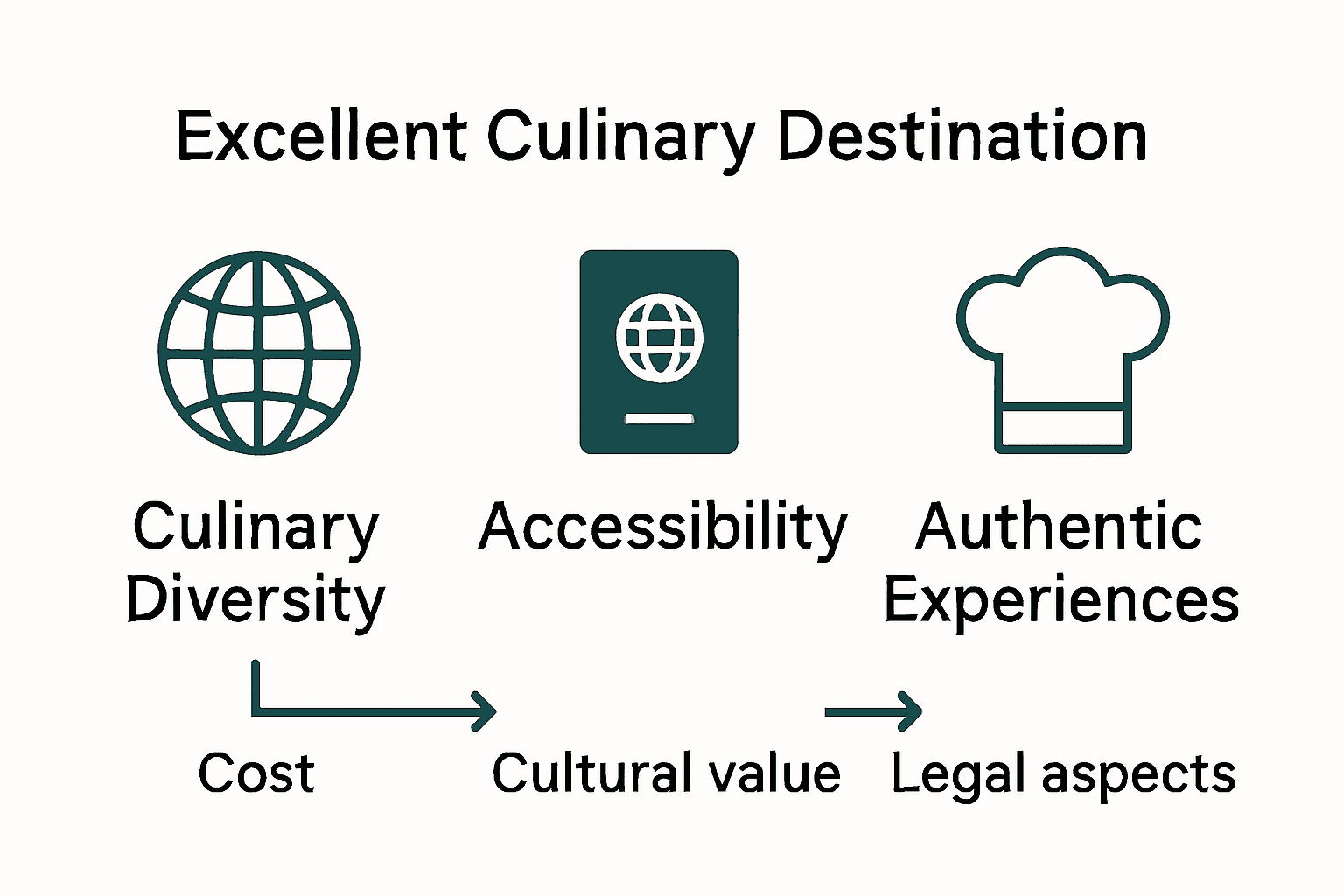
Discover Your Perfect Culinary Destination with Expert Guidance
Choosing the ideal culinary journey can feel overwhelming when faced with countless options and the need to balance personal tastes, accessibility, and authenticity. This expert guide helps you pinpoint your food interests, navigate chef-led experiences, and assess practical travel details to create a genuinely fulfilling gastronomic adventure. If you seek authentic cultural insights and unforgettable flavours, personalised tours led by local chefs are your answer.
Explore The Chef Tour Cities – Explore Culinary Destinations to find handpicked locations that match your culinary preferences.
Start your journey today with The Chef Tours where immersive food experiences await. Read what travellers say about their life-changing trips at The Chef Tour Reviews | What Travelers Say and lock in your place on a food tour designed to turn your passion into rich memories. Book now to savour the tastes of the world with expert-led guidance supporting every step.
Frequently Asked Questions
How do I define my culinary preferences for travel?
To define your culinary preferences, start by considering what types of food experiences excite you, whether that’s street food, fine dining, or traditional regional dishes. Create a ranked list of priorities such as learning local cooking methods or engaging with food culture to clarify your goals.
What should I look for in chef-led food tours?
When researching chef-led food tours, prioritise experiences that offer cultural context and hands-on activities, like cooking workshops. Check factors such as group size and chef credentials to ensure a rich, immersive culinary learning experience.
How can I assess the accessibility of my chosen culinary destination?
Evaluate accessibility by researching visa requirements, health guidelines, and local food safety standards. Compile a checklist that includes potential dietary accommodations and local regulations to make your travel experience seamless.
What steps can I take to verify the quality of culinary experiences?
To verify the quality of culinary experiences, check multiple trusted review sources for consistent feedback. Focus on detailed reviews that address the cultural significance of the food and the overall dining experience rather than just star ratings.
What should I prepare before booking my culinary experience?
Before booking, create a flexible itinerary that includes plans for market tours and cooking workshops. Gather necessary travel documents and educate yourself on local dining customs to enhance your culinary journey and ensure you’re well-prepared.