

Finding a truly authentic food tour can feel overwhelming when every company promises local flavor and insider access. Yet research shows chef-led tours increase perceived experiential value by 40% compared to standard guided experiences. This guide reveals what defines authentic food tours in Paris, Seville, Berlin, and Mexico City, helping you distinguish genuine chef-led experiences from generic tourist traps.
Table of Contents
- What Defines An Authentic Food Tour?
- The Unique Value Of Chef-Led Food Tours
- Signature Culinary Highlights By City: Paris, Seville, Berlin, And Mexico City
- Customization, Exclusivity, And Small Group Impact
- Common Misconceptions About Authentic Food Tours
- Bridging Understanding To Practical Selection
- Explore Authentic Chef-Led Culinary Experiences With The Chef Tours
- Frequently Asked Questions About Authentic Food Tours
Key Takeaways
| Point | Details |
|——-|———||
| Authenticity combines expertise and intimacy | Genuine tours blend local chef knowledge, small groups, and cultural storytelling for deeper connections. |
| Chef-led tours deliver 40% more value | Professional culinary insights and exclusive venue access create richer experiences than standard guides. |
| City signature dishes shape tour content | Paris charcuterie, Seville tapas, Berlin street food, and Mexico City moles define authentic local experiences. |
| Small groups maximize satisfaction | Tours with 6-10 people reduce overcrowding complaints by 50% and unlock hidden venues. |
| Verification prevents disappointment | Always confirm guide credentials and group size before booking to ensure authentic delivery. |
What Defines an Authentic Food Tour?
Authentic food tours stand apart through five core characteristics that transform simple tastings into meaningful cultural exchanges. Local insider guidance forms the foundation, connecting you directly with chefs who’ve spent decades building relationships with artisans and family-owned establishments. These connections matter because authentic food tours support local economies by up to 20% through partnerships with independent suppliers.
Small group sizes create the intimacy authentic experiences require. Tours limited to 6-10 participants allow meaningful interaction with chefs and venue owners, turning each stop into a personal introduction rather than a rushed transaction. This scale enables access to spaces that cannot accommodate large crowds, from tiny third-generation bakeries to tucked-away wine cellars.
Authentic tours prioritize family-owned establishments over chain restaurants or tourist-focused venues. These partnerships preserve culinary traditions while directly benefiting the communities that maintain them. You’ll taste recipes passed down through generations, prepared by the families who created them.
Cultural storytelling transforms tastings into educational experiences. Authentic guides explain why specific dishes emerged, how historical events shaped local cuisine, and what ingredients reveal about regional geography. This context helps you understand what you’re eating, not just consume it.
Key elements of authentic food tours include:
- Local chef or culinary expert leadership with verifiable industry experience
- Maximum group size of 10 participants for personalized attention
- Focus on independent, family-owned restaurants and food shops
- Cultural and historical context for every dish and venue
- Support for local food systems through ethical partnerships
Pro Tip: Before booking, ask tour operators to specify their guide’s culinary background and typical group size. Vague answers about “local experts” or flexible participant numbers signal less authentic experiences.
The Unique Value of Chef-Led Food Tours
Chef-led tours transcend standard guided experiences by combining professional culinary expertise with personal relationships built over years in the industry. Where conventional guides read from scripts, chefs share firsthand knowledge of techniques, ingredients, and the stories behind family recipes. This insider perspective creates what research identifies as 40% higher experiential value compared to tours led by non-culinary professionals.
Exclusive access distinguishes chef-led experiences from tourist-oriented alternatives. Chefs maintain relationships with venue owners that unlock spaces unavailable to standard tour operators. You’ll step into restaurant kitchens during service, taste wines in private cellars, and meet third-generation bakers who rarely interact with visitors. These moments emerge from trust between culinary professionals, not transactional tour bookings.
Cultural storytelling gains depth when chefs explain techniques they’ve mastered themselves. Rather than reciting historical facts, they demonstrate why certain cooking methods emerged and how local ingredients shaped regional cuisine. This professional context helps you appreciate the skill behind seemingly simple dishes.
Chef-led advantages include:
- Professional insights into cooking techniques and ingredient selection
- Access to venue kitchens, prep areas, and private dining spaces
- Direct relationships with artisans, winemakers, and restaurant owners
- Ability to answer complex culinary questions with authority
- Authentic demonstrations of traditional preparation methods
“Working with Chef PJ in Paris opened doors I never knew existed. We tasted cheeses in a century-old cave that doesn’t accept public visits, all because the owner trusted the chef leading our group.” – Maria T., 2025 tour participant
Pro Tip: Research your tour chef’s background before booking. Look for professional culinary training, restaurant experience in the destination city, and established local industry connections rather than general food enthusiasm.
Signature Culinary Highlights by City: Paris, Seville, Berlin, and Mexico City
Each major culinary destination offers distinct flavors and traditions that shape authentic food tours. Understanding these regional differences helps set realistic expectations and choose experiences aligned with your interests. Cities like Paris, Seville, Berlin, and Mexico City each feature distinctive culinary traditions critical for authentic tour content.
| City | Signature Elements | Tour Focus | Unique Access |
|---|---|---|---|
| Paris | Charcuterie, cheese caves, pastry ateliers | Traditional shops, wine bars | Historic fromageries, artisan bakeries |
| Seville | Tapas, jamón ibérico, Andalusian wines | Family taverns, market halls | Secret tapas bars, sherry bodegas |
| Berlin | Street food, spätzle, evolving cuisine | Multicultural eateries, food halls | Underground supper clubs, artisan breweries |
| Mexico City | Regional moles, street tacos, mezcal | Markets, family fondas, cantinas | Hidden markets, family kitchens |
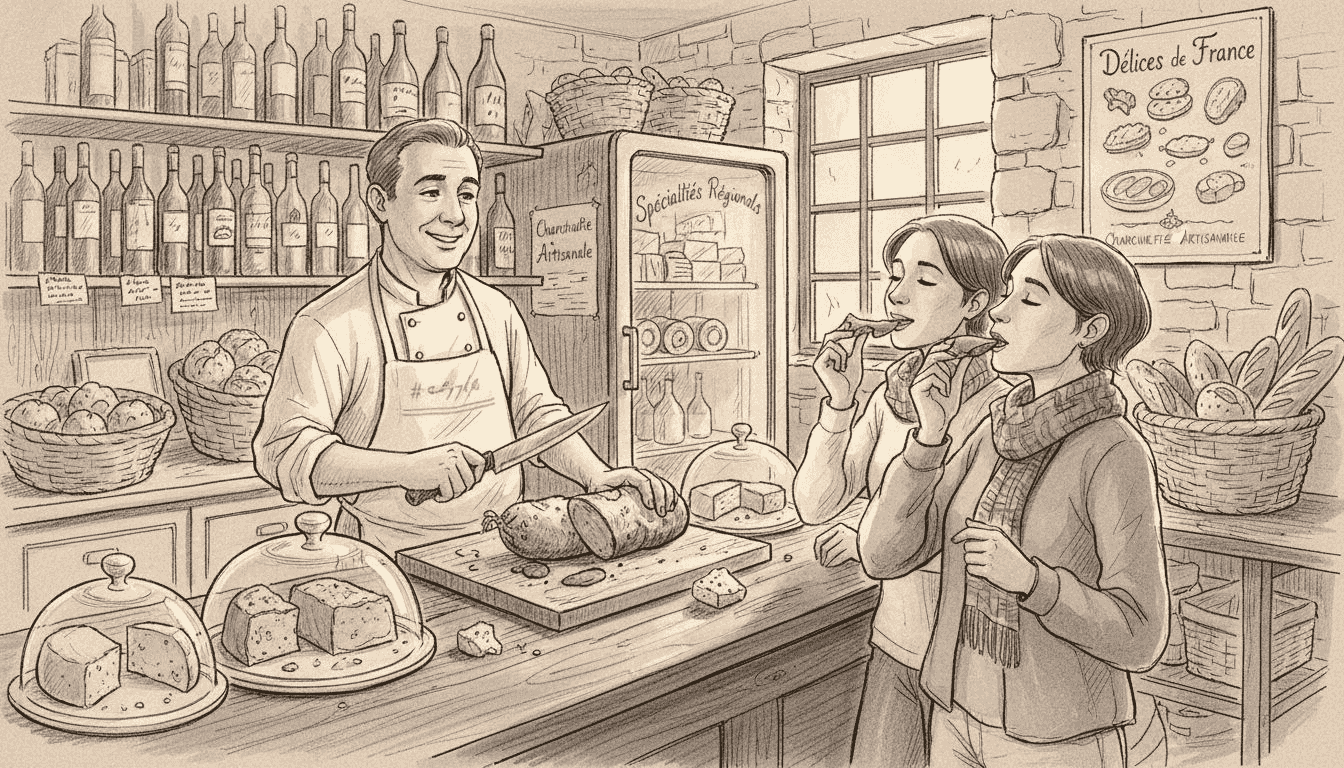
Paris tours emphasize centuries-old culinary traditions preserved by artisan shops. You’ll explore charcuterie featuring house-made pâtés and terrines, taste aged cheeses in underground caves, and watch pastry chefs craft delicate viennoiseries. These experiences connect you with techniques refined over generations.
Seville showcases Andalusian flavors through intimate tapas bars and local markets. Tours highlight regional specialties like jamón ibérico, gazpacho variations, and sherries from nearby Jerez. The city’s tapas culture encourages social dining that authentic tours replicate through carefully selected family-run establishments.
Berlin’s evolving food scene blends traditional German dishes with multicultural influences. Authentic tours navigate this diversity, from classic spätzle and currywurst to Turkish döner and Vietnamese pho. The city’s experimental spirit appears in underground supper clubs and artisan food halls.
Mexico City tours dive into regional Mexican cuisine beyond standard tourist offerings. Chef-led tours in Mexico City grant 35% more exclusive access to secret markets and family-owned kitchens compared to conventional experiences. You’ll taste complex moles, explore neighborhood fondas, and discover mezcal varieties rarely exported.
City-specific highlights:
- Paris: Butter croissants from award-winning boulangeries, raw milk cheeses from century-old caves
- Seville: Ibérico ham carved tableside, fino sherry paired with regional olives
- Berlin: Handmade spätzle with local game, craft beers from microbreweries
- Mexico City: Seven-ingredient mole negro, blue corn tlacoyos from market stalls
Customization, Exclusivity, and Small Group Impact
Personalization transforms generic tours into memorable experiences tailored to your specific interests and dietary needs. Research shows private tours increase satisfaction by 25% by adapting pace, focus, and venue selection to participant preferences. Small groups enable this flexibility while maintaining the intimate atmosphere authentic experiences require.
Exclusivity provides access to venues that cannot accommodate large tourist groups. Family-owned restaurants with limited seating, artisan workshops without retail operations, and private dining spaces become available when tours respect capacity constraints. Small groups also reduce overcrowding complaints by 50% compared to standard tour experiences.
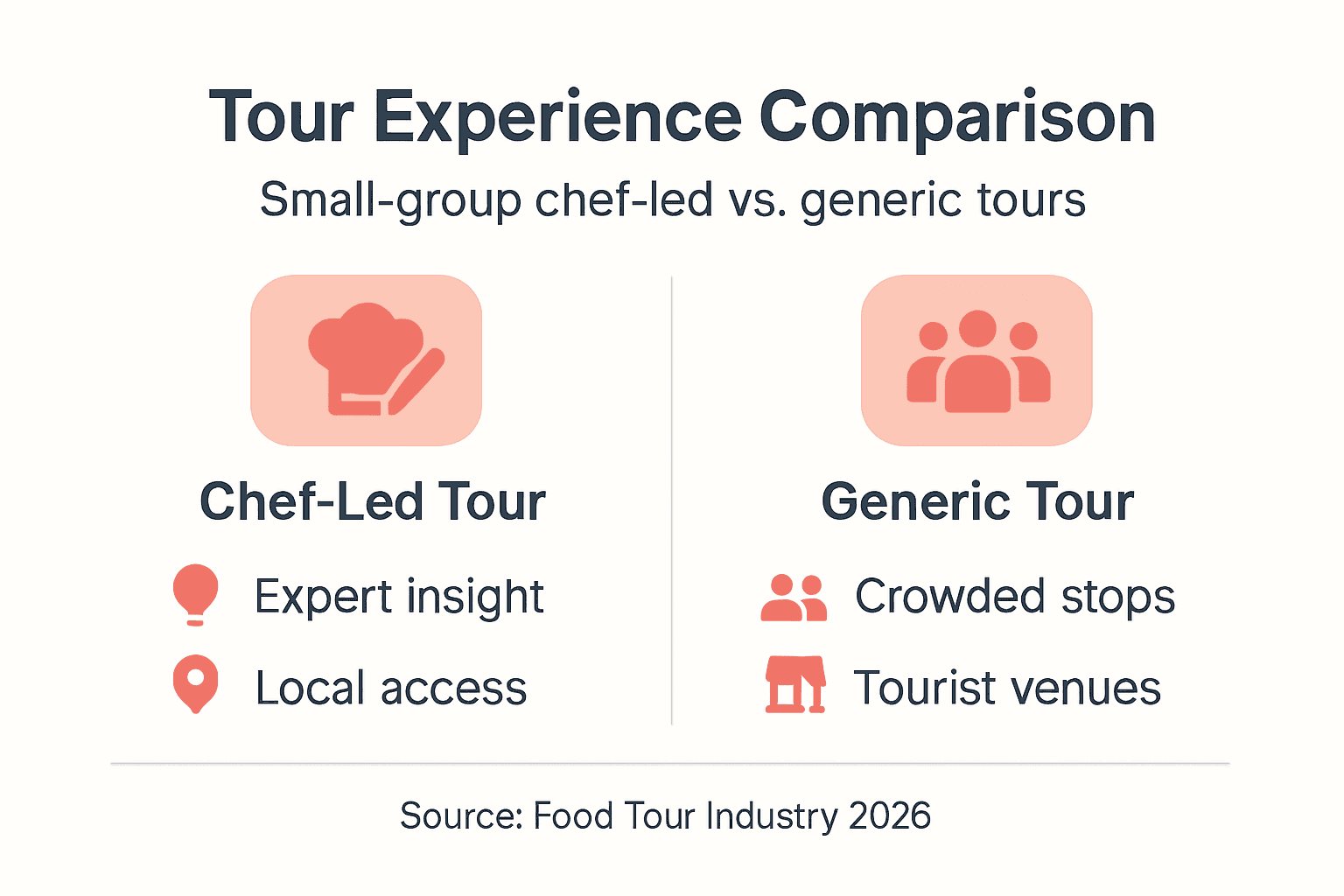
| Feature | Large Generic Tours | Small Authentic Tours | Impact |
|---|---|---|---|
| Group Size | 15-30 people | 6-10 people | Better interaction, venue access |
| Customization | Fixed itinerary | Flexible stops | Matches dietary needs, interests |
| Venue Type | Tourist restaurants | Family-owned, hidden spots | Genuine local atmosphere |
| Guide Interaction | Limited Q&A | Ongoing conversation | Deeper cultural insights |
| Booking Flexibility | Set schedules | Private arrangements | Accommodates your timeline |
Customization benefits extend beyond venue selection to dietary accommodations and pacing preferences. Vegetarian, gluten-free, or allergy-conscious travelers receive thoughtful alternatives rather than awkward omissions. You can spend extra time at stops matching your interests without rushing companions through experiences they find compelling.
Steps to maximize tour customization:
- Communicate dietary restrictions and allergies during booking, not on tour day
- Share specific culinary interests like wine, pastry, or street food
- Indicate preferred pace, whether leisurely exploration or efficient sampling
- Request private tours for complete control over timing and focus
- Ask about options to extend stops at venues you particularly enjoy
Pro Tip: Book private tours for special occasions like anniversaries or milestone birthdays. The upfront cost increase typically ranges from 30-50%, but the personalized experience and exclusive access justify the investment for meaningful celebrations.
Common Misconceptions About Authentic Food Tours
Several persistent myths prevent travelers from identifying truly authentic culinary experiences. Understanding these misconceptions helps you evaluate tour operators critically and avoid disappointing bookings that fail to deliver promised local insights.
The most damaging misconception assumes all food tours offer equivalent authenticity. Marketing language about “local flavor” and “insider access” appears across operator websites regardless of actual delivery. Authentic tours distinguish themselves through verifiable chef credentials, specific venue partnerships, and transparent group size limits rather than vague promotional promises.
Many travelers believe any local guide provides sufficient cultural context. However, guides without culinary training lack the technical knowledge to explain cooking techniques, ingredient selection, or recipe evolution. This gap becomes apparent when you ask detailed questions about preparation methods or regional variations.
Large group tours cannot deliver authentic experiences despite convenient scheduling and lower per-person costs. Groups exceeding 12 participants face logistical constraints that force operators toward tourist-focused venues with capacity to accommodate crowds. You’ll visit the same restaurants as other tour groups rather than discovering hidden family-owned establishments.
Popular tourist districts rarely house authentic local eateries. Restaurants in high-traffic areas cater to visitor expectations rather than local tastes, often serving modified versions of regional dishes. Authentic tours venture into residential neighborhoods where locals actually dine.
Key misconceptions to avoid:
- Assuming lowest price indicates best value without examining group size and inclusions
- Believing convenient central meeting points signal better access to authentic venues
- Trusting online review quantity over specific details about guide expertise and venues
- Expecting authentic experiences from tours that don’t specify maximum group size
- Thinking popular tourist areas contain the same quality establishments as residential neighborhoods
Verification prevents these mistakes. Request specific information about guide culinary backgrounds, typical group sizes, and example venues before booking. Legitimate operators provide transparent answers; evasive responses indicate less authentic delivery.
Bridging Understanding to Practical Selection
Applying the insights from previous sections requires a structured approach to evaluating and selecting food tours. These practical steps help you identify authentic experiences that match your interests while avoiding disappointing alternatives that overpromise and underdeliver.
Start by verifying guide credentials through operator websites and independent review platforms. Look for specific culinary training, restaurant industry experience in your destination city, and established local connections. Vague descriptions like “passionate food lover” or “local expert” signal less professional guidance than chef certifications or documented restaurant careers.
Group size determines experience quality more than any other single factor. Confirm maximum participant numbers before booking, not just typical sizes. Tours exceeding 10 people sacrifice the intimacy and venue access that define authentic experiences. Operators refusing to specify group limits likely oversell tours to maximize revenue.
Research your destination’s signature dishes to set appropriate expectations and identify tours focusing on regional specialties. A Paris tour emphasizing sushi or a Mexico City experience featuring Italian cuisine suggests operators prioritizing variety over authentic local culture. Genuine tours showcase the dishes that define each city’s culinary identity.
Cultural storytelling appears in tour descriptions through specific promises about historical context and local traditions. Authentic operators explain how they’ll connect food to cultural heritage, not just list venues you’ll visit. This narrative focus distinguishes educational experiences from simple tastings.
Step-by-step selection process:
- Identify 3-5 tour operators in your destination city through web searches and review platforms
- Verify each guide’s culinary background through their website’s about page and LinkedIn profiles
- Confirm maximum group size by email or phone, requesting written confirmation
- Compare included venues against your destination’s signature dishes and authentic neighborhoods
- Read recent reviews focusing on specific venue names and cultural insights rather than general enthusiasm
- Select tours led by chefs with local restaurant experience and groups limited to 10 participants
- Book at least two weeks ahead for popular dates, especially weekends and holidays
These steps take 30-45 minutes but prevent the disappointment of generic tours that waste both money and limited vacation time. Authentic experiences require advance planning, but the cultural insights and exclusive access justify the effort.
Explore Authentic Chef-Led Culinary Experiences with The Chef Tours
You now understand what separates authentic food tours from tourist-focused alternatives and how to identify genuine experiences. The Chef Tours delivers exactly these authentic, chef-led culinary journeys in Paris, Seville, Berlin, and Mexico City.
Our expert chefs bring decades of local industry experience and established relationships with family-owned establishments throughout each city. Chef PJ guides intimate Paris experiences through historic fromageries and artisan bakeries unavailable to conventional tours. Chef Crestani unlocks Seville’s hidden tapas bars and sherry bodegas, while Chef Karl Wilder reveals Berlin’s evolving food scene and Mexico City’s secret markets. Every tour maintains small group sizes ensuring personalized attention and exclusive venue access. Visit The Chef Tours to explore available culinary experiences and book your authentic food journey. Our transparent booking process includes detailed chef bios, specific venue information, and clear group size limits, giving you confidence in the chef-led difference before you commit.
Frequently Asked Questions About Authentic Food Tours
How can I verify a food tour is truly authentic?
Request specific information about guide culinary credentials, maximum group size, and example venues before booking. Authentic operators provide transparent answers including chef training details and established venue partnerships. Vague responses or refusal to specify group limits indicate less genuine experiences.
What makes chef-led tours more authentic than others?
Chefs provide professional culinary insights that general guides cannot match, explaining techniques, ingredients, and recipe evolution from firsthand experience. Their industry relationships unlock exclusive venue access and kitchen demonstrations unavailable through standard tour bookings. Research shows chef-led tours deliver 40% higher experiential value.
Are small groups necessary for an authentic experience?
Yes, groups exceeding 10 participants cannot access intimate family-owned establishments or provide personalized attention. Small groups reduce overcrowding complaints by 50% and enable meaningful interaction with chefs and venue owners. Larger tours force operators toward tourist-focused restaurants with crowd capacity.
Do popular tourist spots offer authentic food tours?
Rarely, because restaurants in high-traffic tourist areas cater to visitor expectations rather than local tastes, often serving modified regional dishes. Authentic tours venture into residential neighborhoods where locals dine, featuring family-owned establishments that maintain traditional recipes and preparation methods.
How important is cultural storytelling on food tours?
Cultural context transforms tastings into educational experiences by explaining why dishes emerged, how history shaped cuisine, and what ingredients reveal about regional culture. Tours lacking this narrative focus provide simple consumption rather than meaningful understanding. Authentic guides connect every dish to local heritage and traditions.