

Over 90 percent of travellers say that food shapes their most memorable experiences abroad. Exploring a british city or countryside through a dedicated food tour itinerary opens doors to local stories and flavours that most visitors miss. Whether you have a passion for history, crave fresh tastes, or simply want a new way to understand regional culture, a well-planned culinary journey brings depth and excitement to every bite.
Table of Contents
- Defining A Food Tour Itinerary And Its Purpose
- Types Of Food Tour Itineraries Worldwide
- How A Chef-Led Food Tour Itinerary Works
- Sample Itinerary Structure And Common Elements
- Customisation, Private Tours, And Group Options
- Key Considerations And Common Mistakes To Avoid
Key Takeaways
| Point | Details |
|---|---|
| Definition of Food Tours | Food tours are curated culinary journeys that offer immersive experiences, allowing travellers to explore regional cuisine through structured tasting and expert guidance. |
| Components of an Effective Itinerary | A successful food tour itinerary includes strategic location selection, cultural context, tasting progression, and expert guidance to provide a comprehensive culinary experience. |
| Types of Food Tours | There are various types of food tours, including market and street food tours, cultural heritage tours, wine routes, and cooking classes, each offering unique culinary insights. |
| Customisation Options | Food tours can be tailored for individual preferences and group dynamics, including private tours, corporate experiences, and small group options, enhancing the overall engagement and educational value. |
Defining a Food Tour Itinerary and Its Purpose
A food tour itinerary represents a carefully curated culinary journey designed to explore a destination’s gastronomic landscape through structured, immersive experiences. Unlike standard tourist activities, these specialised tours transform eating into an art of cultural discovery, enabling travellers to understand regional cuisine through strategic route planning and expert guidance.
Food tourism involves more than simply consuming meals; it encompasses a holistic approach to experiencing local culture through its culinary traditions. According to research from the International Food, Merchandising andServicing Terminology organisation, food tourism fundamentally represents “activities that provide experiences of consuming and appreciating foods and beverages, presented in a way that values the history, culture, and environment of a specific region”.
A comprehensive food tour itinerary typically includes several key components that transform a simple meal into an educational and sensory adventure:
- Strategic Location Selection: Carefully chosen restaurants, markets, and street food venues
- Cultural Context: Historical and cultural narratives explaining dish origins
- Tasting Progression: Structured sampling that builds flavour complexity
- Expert Guidance: Professional chefs or local culinary experts leading the experience
These meticulously planned routes are not random restaurant visits but deliberate journeys designed to provide deep insights into local culinary traditions, offering travellers an authentic tasting experience that goes far beyond typical tourist encounters.
Types of Food Tour Itineraries Worldwide
Global food tour itineraries represent a diverse spectrum of culinary exploration, offering travellers immersive experiences that go far beyond traditional dining. Gastronomic tourism encompasses a wide range of specialised experiences designed to showcase regional food cultures through carefully crafted journeys.
According to the United Nations World Tourism Organisation, gastronomy tourism includes multiple engaging activities such as visiting local producers, participating in food festivals, and attending cooking classes. These experiences provide travellers with comprehensive insights into a destination’s culinary heritage and cultural traditions.
Various types of food tour itineraries exist worldwide, each offering unique approaches to culinary discovery:
Market and Street Food Tours
- Exploring local markets
- Sampling authentic street cuisine
- Interaction with local vendors
Cultural Heritage Food Tours
- Deep dive into historical culinary traditions
- Exploring regional cooking techniques
- Understanding food’s cultural significance
Wine and Beverage Routes
- Vineyard and winery visits
- Artisanal beverage tastings
- Learning about local production methods
Cooking Class Expeditions
- Hands-on cooking experiences
- Learning traditional recipes
- Understanding ingredient sourcing
These culinary journeys offer travellers an opportunity to explore global cuisines through structured, educational, and deeply engaging experiences that transform simple meals into meaningful cultural connections.
How a Chef-Led Food Tour Itinerary Works
Chef-led food tours transform culinary exploration into an immersive educational experience, offering participants unprecedented insights into regional gastronomy. Professional chefs curate unique journeys that transcend traditional tourist experiences by blending deep culinary knowledge with intimate local connections.
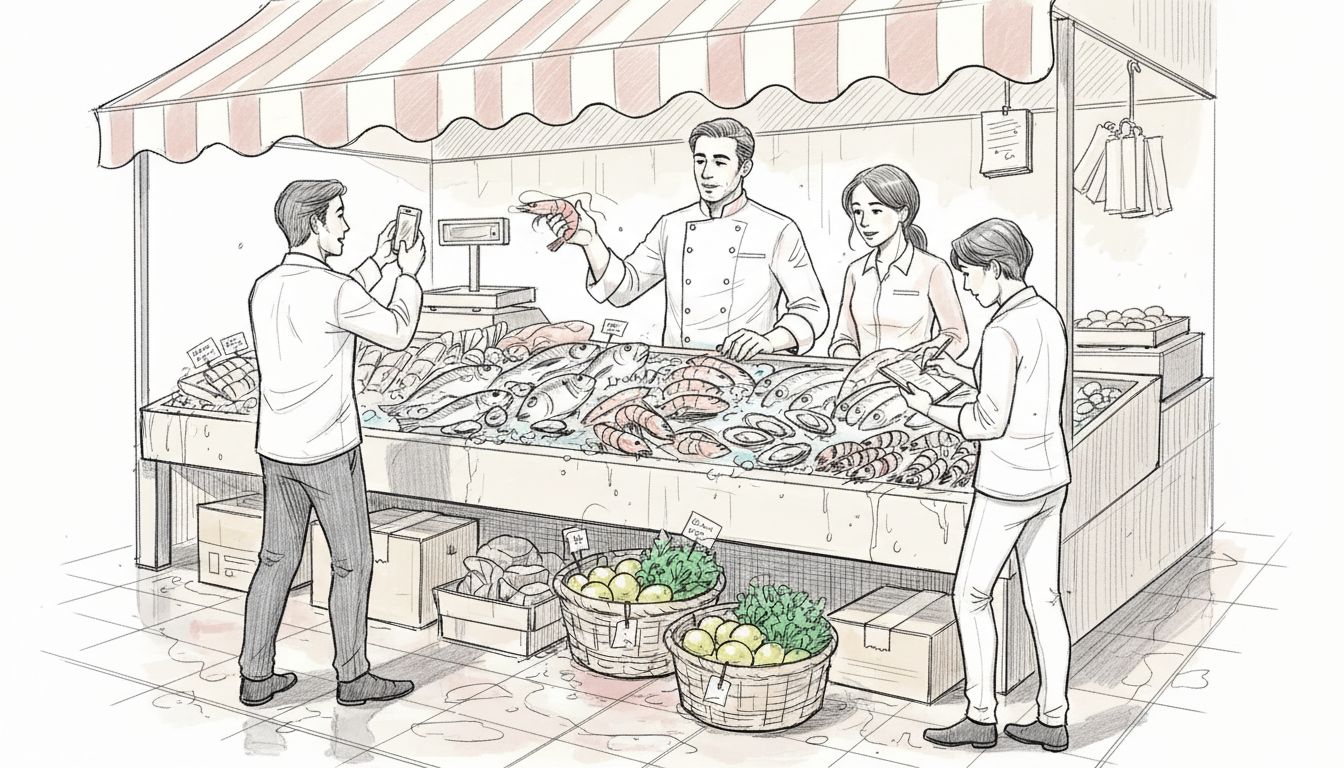
According to hospitality research, chef-led food tours provide participants with an in-depth exploration of local cuisine, guided by culinary experts who offer profound insights into regional ingredients, cooking techniques, and cultural significance. These specialised tours are meticulously designed to create meaningful gastronomic narratives that reveal the soul of a destination’s food culture.
The typical chef-led food tour itinerary involves several strategic components:
Ingredient Exploration
- Visiting local markets
- Understanding ingredient sourcing
- Discussing seasonal produce variations
Cooking Technique Demonstrations
- Live culinary skill showcases
- Explaining traditional preparation methods
- Sharing generational cooking secrets
Cultural Storytelling
- Connecting food with local history
- Exploring societal traditions
- Interpreting culinary heritage
Tasting Progression
- Carefully curated sampling sequence
- Balanced flavour experiences
- Narrative-driven tastings
These carefully orchestrated tours provide travellers with authentic culinary insights that transform simple meals into profound cultural experiences, revealing the intricate connections between food, people, and place.
Sample Itinerary Structure and Common Elements
Food tour itineraries represent carefully designed culinary experiences that blend gastronomic exploration with cultural immersion. Structured journeys provide participants with comprehensive insights into a destination’s unique food landscape, transforming simple tastings into meaningful cultural encounters.
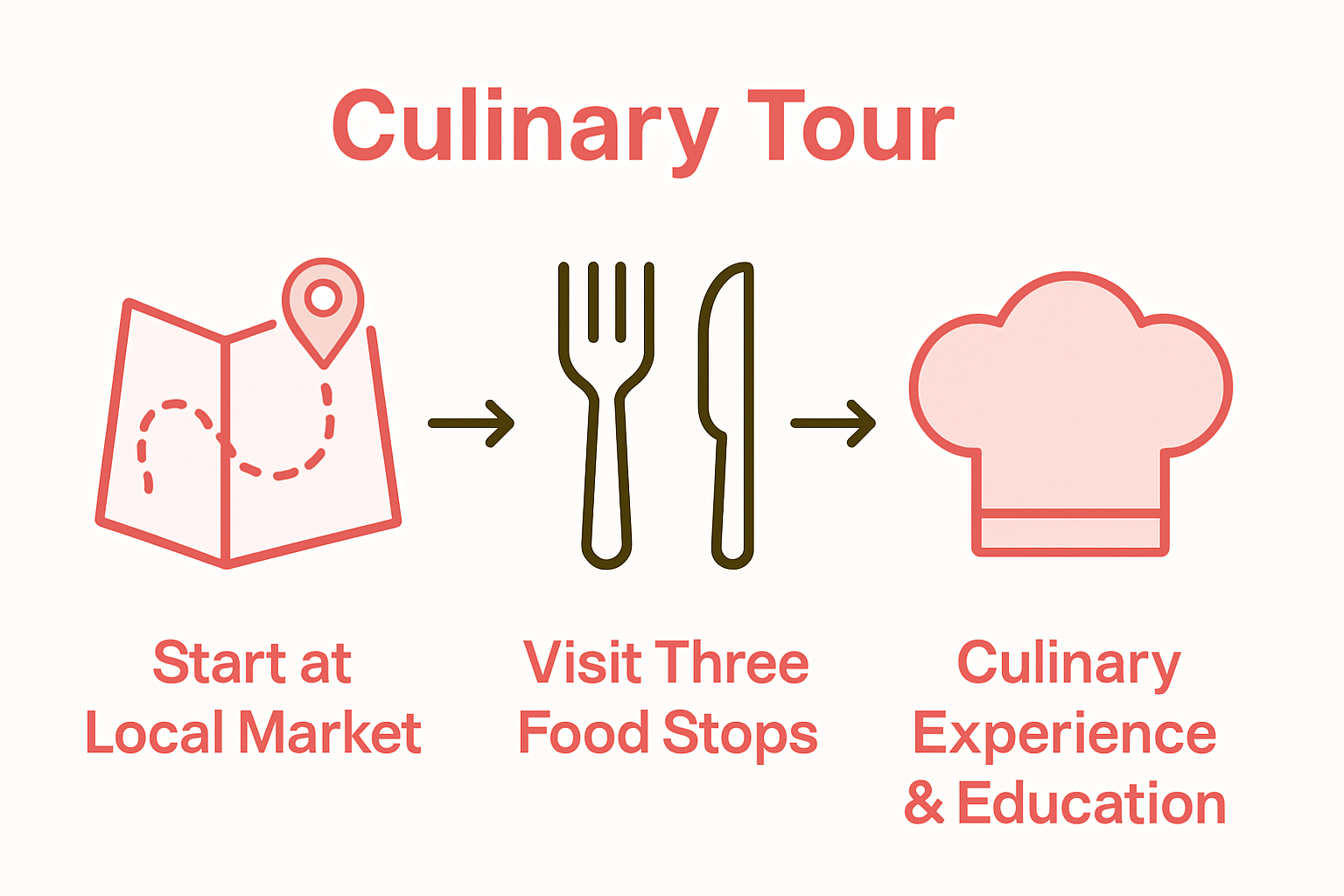
Research indicates that food tourism itineraries typically involve diverse activities designed to deeply engage travellers with local culinary traditions. These immersive experiences often include tasting local dishes, attending cooking classes, and exploring vibrant food markets, creating a holistic understanding of regional cuisine.
A standard food tour itinerary incorporates several key structural elements:
Pre-Tour Orientation
- Welcome introduction
- Group expectations setting
- Cultural and culinary context briefing
Geographical Progression
- Strategic route planning
- Neighbourhood exploration
- Diverse location sampling
Tasting Sequence
- Carefully curated food selections
- Balanced flavour progressions
- Complementary beverage pairings
Interactive Learning Components
- Cooking demonstrations
- Ingredient provenance discussions
- Local chef interactions
Cultural Narrative Integration
- Historical context explanations
- Traditional preparation techniques
- Societal food traditions exploration
These meticulously crafted tours transform culinary experiences into educational journeys, offering participants an authentic, immersive exploration of regional gastronomy that goes far beyond simple food consumption.
Customisation, Private Tours, and Group Options
Food tour experiences have evolved to offer unprecedented flexibility, allowing travellers to personalise their culinary journeys according to individual preferences and group dynamics. Customisation options enable participants to craft unique gastronomic adventures that align perfectly with their interests, dietary requirements, and exploration goals.
According to international tourism research, gastronomy tourism provides remarkable opportunities for tailored experiences. These flexible options encompass diverse formats including private tours, corporate group experiences, and personalised culinary expeditions that cater to various participant needs and expectations.
Different customisation and tour options include:
Private Tours
- One-to-one chef interactions
- Fully personalised itinerary
- Flexible scheduling
- Customised dietary accommodations
Corporate Group Experiences
- Team-building culinary challenges
- Specialised group rates
- Tailored learning objectives
- Professional networking opportunities
Small Group Tours
- Limited participant numbers
- Intimate culinary experiences
- Enhanced interaction with local chefs
- Balanced social engagement
Special Interest Tours
- Themed culinary explorations
- Focused ingredient or technique studies
- Cultural deep-dives
- Specialised dietary focus options
These meticulously designed tour options transform culinary exploration into personalised educational experiences, ensuring every participant discovers the perfect gastronomic journey tailored to their unique preferences.
Key Considerations and Common Mistakes to Avoid
Food tour planning requires nuanced understanding and strategic approach to create genuinely transformative culinary experiences. Navigating potential pitfalls demands careful consideration of multiple interconnected factors that can significantly impact the overall quality and authenticity of the gastronomic journey.
Research emphasises that successful food tourism fundamentally relies on understanding participant motivations and preferences. Developing sustainable and attractive culinary experiences necessitates deep insights into travellers’ expectations and cultural sensitivities, ensuring meaningful interactions beyond superficial taste experiences.
Common mistakes and key considerations include:
Participant Expectation Management
- Clearly communicating tour scope
- Setting realistic experience parameters
- Providing accurate dietary information
- Transparent pricing structures
Cultural Sensitivity
- Respecting local traditions
- Avoiding exploitative practices
- Ensuring genuine community engagement
- Promoting responsible tourism principles
Logistical Preparation
- Robust route planning
- Contingency arrangements
- Accessibility considerations
- Weather and seasonal adaptations
Experience Quality Control
- Consistent culinary standards
- Professional guide training
- Regular participant feedback integration
- Continuous experience refinement
These strategic considerations help transform potential challenges into remarkable culinary adventures, ensuring memorable and authentic gastronomic explorations that respect both traveller expectations and local cultural nuances.
Discover Your Perfect Food Tour Itinerary with Expert Local Chefs
Planning a food tour itinerary can feel overwhelming when you want an authentic, immersive experience that goes beyond simply tasting local dishes. This guide highlights common challenges travellers face such as selecting the best venues, understanding cultural context, and ensuring a seamless tasting progression led by culinary experts. At The Chef’s Tours, we solve this by connecting you with passionate local chefs like Chef PJ in Paris, Chef Crestani in Seville, and Chef Karl Wilder who expertly craft each journey to reveal hidden gems and authentic flavours.
Experience personalised and exclusive food adventures that fuse cultural storytelling with taste delights while avoiding common pitfalls such as generic tours or poor logistical planning. With flexible private and group options tailored to your preferences, you can trust in a thoughtfully designed culinary itinerary that enriches your exploration and creates lasting memories. Explore our carefully curated culinary destinations and see what other travellers say about their unforgettable experiences.
Are you ready to embark on a chef-led journey that transforms your food tour itinerary into a cultural celebration? Start today by exploring The Chef Tour Cities – Explore Culinary Destinations to find your ideal route.
Book your unforgettable food journey now on The Chef’s Tours and join a community of food lovers who cherish authentic connection with local chefs and vibrant culinary cultures. See why so many travellers recommend us in The Chef Tour Reviews | What Travelers Say and take the first step to a personalised, expertly guided tasting adventure.
Frequently Asked Questions
What is the purpose of a food tour itinerary?
A food tour itinerary is designed to provide travellers with structured, immersive culinary experiences that explore a destination’s gastronomic landscape while showcasing local culture through its food and traditions.
What types of experiences can be included in a food tour itinerary?
Food tour itineraries can include market and street food tours, cultural heritage food experiences, wine and beverage routes, and cooking class expeditions to offer diverse culinary explorations.
How does a chef-led food tour differ from a standard food tour?
Chef-led food tours provide participants with unique insights from culinary experts, offering in-depth explorations of local cuisine and cooking techniques, while standard tours may lack this level of detailed guidance and expertise.
What should I consider when planning a food tour?
When planning a food tour, consider participant expectations, cultural sensitivity, logistical considerations such as route planning and accessibility, and ensuring the overall quality of the culinary experiences offered.