

Over eighty percent of culinary travelers say the expertise of a chef guide makes the difference between a memorable tour and an ordinary meal. With British food culture gaining renewed global attention, understanding the unique role of chef guides has never felt more relevant. Discover how these culinary ambassadors blend storytelling, technical mastery, and cultural insights to create truly immersive experiences that go far beyond simply tasting regional dishes.
Table of Contents
- Defining The Role Of Chef Guides
- Types Of Chef-Led Culinary Experiences
- Unique Insights And Expertise Chefs Offer
- Personalisation And Curated Tastings Explained
- Responsibilities Of Chefs As Cultural Ambassadors
- Risks And Pitfalls In Culinary Tour Experiences
Key Takeaways
| Point | Details |
|---|---|
| Role of Chef Guides | Chef guides combine culinary expertise and storytelling, transforming food tours into cultural experiences that engage and educate participants. |
| Types of Experiences | Chef-led culinary adventures include hands-on workshops and personalised tastings, fostering deeper connections with regional food cultures. |
| Culinary Ambassadors | Chefs serve as cultural ambassadors, preserving and sharing gastronomic heritage while providing insider knowledge that enhances the dining experience. |
| Challenges in Tours | Culinary tours face challenges such as maintaining authenticity and managing logistics, which can impact the overall quality and satisfaction of the experience. |
Defining The Role Of Chef Guides
Chef guides represent a unique fusion of culinary expertise and experiential storytelling, transforming traditional food tours into immersive cultural journeys. These professionals go far beyond merely presenting dishes, instead serving as cultural ambassadors who decode the intricate narratives behind regional cuisines. Culinary expertise and interpersonal skills form the cornerstone of their professional practice, enabling them to craft compelling gastronomic narratives.
The multifaceted role of chef guides encompasses several critical dimensions. They are simultaneously culinary experts, historians, storytellers, and cultural interpreters who navigate complex gastronomic landscapes. By drawing upon their professional training, executive chefs leverage management skills and artistic knowledge to create transformative food experiences that transcend mere consumption. Their ability to explain ingredient sourcing, cooking techniques, and cultural significance elevates a simple meal into an educational and sensory journey.
Unlike traditional tour guides, chef guides bring unparalleled authenticity to culinary exploration. They understand the technical nuances of food preparation, regional variations, and the socio-cultural contexts that shape regional cuisines. Their professional networks often provide exclusive access to local markets, artisan producers, and hidden culinary gems that remain inaccessible to standard tourist routes. By sharing personal anecdotes, technical insights, and passionate expertise, they transform food tours from passive experiences into dynamic, interactive learning opportunities.
Pro Tip – Insider Knowledge: When selecting a culinary tour, prioritise experiences led by chefs with demonstrable local connections and a genuine passion for sharing regional food stories, as these guides will provide the most authentic and enriching gastronomic adventures.
Types Of Chef-Led Culinary Experiences
Chef-led culinary experiences represent a dynamic spectrum of immersive gastronomic adventures that go well beyond traditional dining. Interactive culinary experiences have emerged as a transformative approach to food exploration, offering participants unique opportunities to engage directly with professional chefs and their culinary techniques. These experiences range from structured cooking classes to elaborate team-building events that challenge participants’ culinary creativity and collaborative skills.
The landscape of chef-led experiences includes several distinctive formats. Hands-on cooking workshops allow participants to learn techniques directly from professional chefs, creating dishes under expert guidance. Wine and food pairing events offer sophisticated explorations of flavour combinations, while farm-to-table experiences connect participants with local ingredient sourcing and sustainable agricultural practices. Experiential dining trends have also introduced innovative formats like tableside cooking demonstrations and interactive culinary storytelling, where chefs become performers who narrate the cultural and historical context of each dish.
Corporate and private group experiences have particularly embraced these chef-led formats, recognising their potential for team building and engagement. Iron Chef-style competitions, where teams compete to create innovative dishes under time constraints, have become popular team-building activities. These experiences not only provide entertainment but also foster communication, creativity, and collaboration among participants. Private culinary tours led by expert chefs offer exclusive insights into local food cultures, giving participants access to hidden culinary gems and personalised gastronomic narratives that traditional tours cannot match.
Here’s how different types of chef-led culinary experiences compare:
| Experience Type | Typical Format | Key Benefit |
|---|---|---|
| Hands-on Cooking Workshop | Instructor-led kitchen | Practical skill building |
| Wine and Food Pairing Event | Guided tasting session | Flavour exploration |
| Farm-to-Table Experience | Visits to producers | Ingredient provenance insight |
| Iron Chef-Style Competition | Timed group challenges | Teamwork and creativity |
| Private Chef-Led Tour | Customised small-group tour | Exclusive cultural access |
Pro Tip – Culinary Experience Selection: When choosing a chef-led experience, prioritise programmes that offer a balanced mix of hands-on learning, cultural storytelling, and interactive engagement to ensure a truly memorable and educational culinary journey.
Unique Insights And Expertise Chefs Offer
Chefs bring an extraordinary depth of knowledge that transforms culinary tours from mere food experiences into profound cultural explorations. High-quality culinary insights stimulate gastronomy tourism by offering participants intimate understanding of regional cuisines, cooking techniques, and cultural contexts that extend far beyond traditional tourist experiences. Professional chefs possess an encyclopaedic understanding of ingredients, preparation methods, and the intricate narratives embedded within each regional dish.
The expertise chefs offer transcends basic cooking skills, encompassing a comprehensive understanding of culinary ecosystems. Executive chefs demonstrate remarkable competencies that include deep cultural knowledge, technical mastery, and an ability to communicate complex gastronomic concepts with passion and precision. Their professional training enables them to decode the historical, agricultural, and social contexts that shape regional cuisines, transforming each meal into a narrative-rich experience that connects participants with local traditions and culinary heritage.
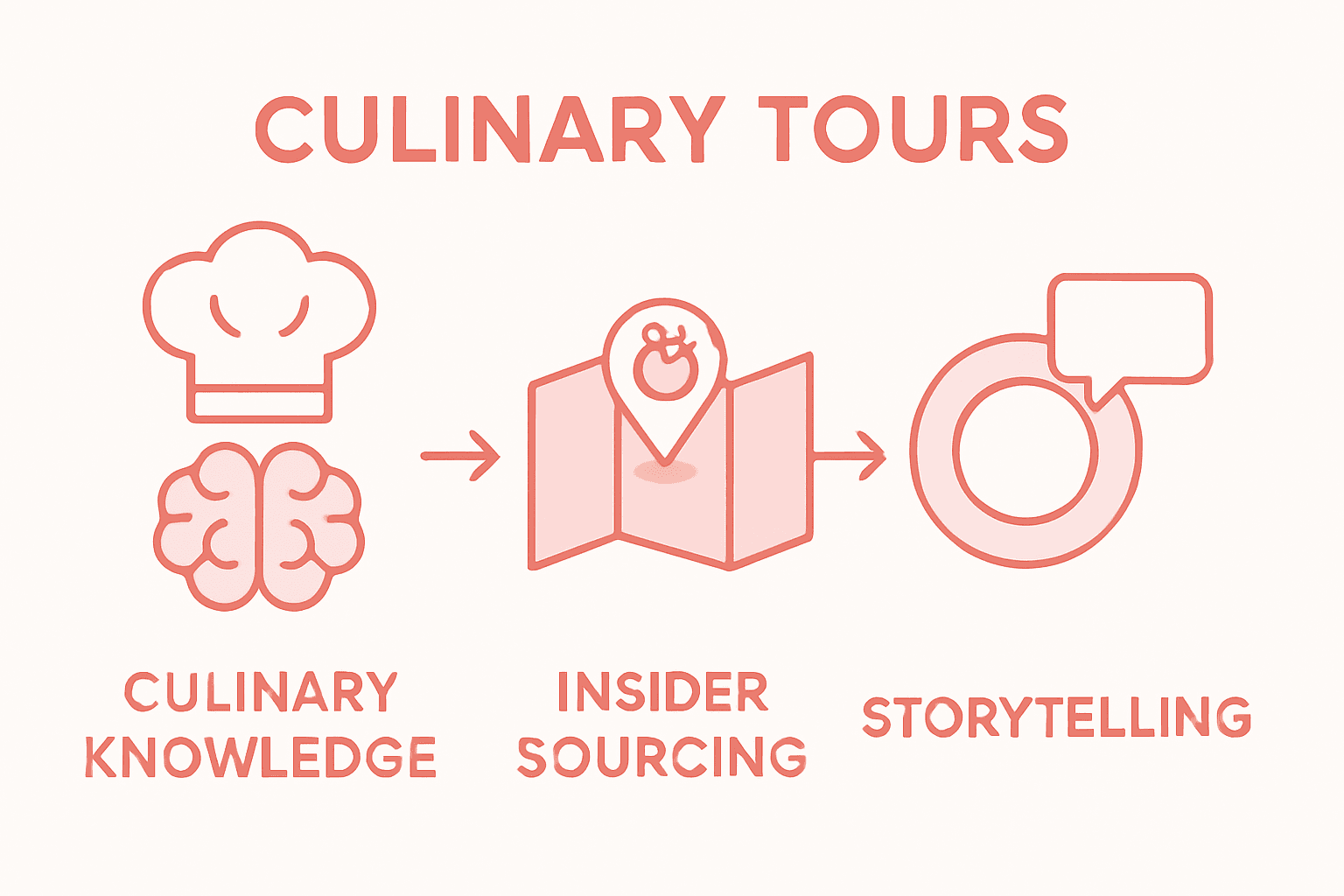
Unique to chef-led experiences is the insider perspective that allows participants to understand the ‘why’ behind culinary practices. Chefs can explain the provenance of ingredients, the evolution of cooking techniques, and the cultural significance of specific dishes in a way that standard tour guides cannot. Their professional networks provide access to local producers, artisan craftspeople, and hidden culinary spaces, offering participants an authentic and immersive journey through regional food cultures. From understanding microclimate influences on ingredient quality to explaining traditional preservation techniques, chefs bring a level of expertise that elevates culinary tours from simple tastings to comprehensive cultural experiences.
Pro Tip – Insider Culinary Wisdom: When selecting a chef-led tour, seek guides who demonstrate genuine passion for local food culture and can articulate the deeper stories behind the dishes, transforming your culinary experience from a mere meal to a profound cultural exploration.
Personalisation And Curated Tastings Explained
Curated tastings represent the pinnacle of personalised culinary experiences, transforming traditional dining into an intimate journey of gastronomic discovery. Chefs are increasingly personalising dining through interactive presentations that engage guests beyond conventional meal service. These tailored experiences go far beyond simply serving food, instead crafting narrative-rich encounters that connect participants with the deeper cultural and sensory dimensions of cuisine.

The art of personalisation involves meticulously designed tasting experiences that adapt to individual preferences, dietary requirements, and cultural backgrounds. Culinary experiences like wine pairing and hands-on cooking classes demonstrate how chefs can create bespoke journeys that speak directly to participants’ unique interests. This approach might involve selecting regional ingredients that tell a specific story, designing menus that accommodate individual dietary needs, or creating interactive elements that allow guests to participate in the preparation process.
Unique to personalised culinary experiences is the ability to transform eating from a passive activity into an immersive, educational adventure. Chefs carefully curate each element of the tasting, from ingredient selection to presentation techniques, ensuring that every bite communicates a specific narrative. Tableside preparation, where chefs explain the provenance and preparation of dishes in real-time, adds another layer of intimacy and understanding. These curated experiences allow participants to not just taste food, but to understand its cultural context, historical significance, and the intricate techniques that transform raw ingredients into memorable culinary moments.
Pro Tip – Tasting Experience Selection: When choosing a personalised culinary tour, prioritise experiences that offer interactive elements, chef storytelling, and a demonstrated commitment to adapting the menu to individual participant interests and backgrounds.
Responsibilities Of Chefs As Cultural Ambassadors
Chefs as cultural ambassadors play a transformative role in bridging culinary traditions with contemporary tourism experiences. Their responsibilities extend far beyond preparing meals, encompassing the critical task of preserving, interpreting, and sharing regional gastronomic heritage. By serving as living repositories of culinary knowledge, chefs communicate the intricate stories, techniques, and cultural significance embedded within traditional recipes and cooking methods.
The profound cultural responsibility of chefs involves more than technical skill. Local culinary practices directly contribute to regional identity and economic development, with chefs serving as key storytellers who translate complex cultural narratives through food. They act as intermediaries between local traditions and global audiences, carefully selecting ingredients, explaining cooking techniques, and contextualising dishes within broader social and historical frameworks. Their expertise allows visitors to understand cuisine not just as sustenance, but as a dynamic expression of cultural heritage and community identity.
Chef ambassadors carry significant responsibilities in representing their cultural ecosystems authentically. They must balance traditional techniques with innovative approaches, ensuring that culinary narratives remain vibrant and relevant. This involves deep research into local ingredient sourcing, understanding seasonal variations, maintaining connections with local producers, and continuously educating themselves about evolving culinary traditions. By creating immersive experiences that engage all senses, chefs transform tourists from passive consumers into active participants in cultural storytelling.
Pro Tip – Cultural Authenticity: When engaging with chef-led culinary experiences, actively listen to the stories behind the dishes and ask questions that reveal the deeper cultural context, transforming your dining experience from a simple meal into a meaningful cultural exchange.
Risks And Pitfalls In Culinary Tour Experiences
Culinary tours, while offering extraordinary experiences, involve complex challenges that require careful management and strategic planning. Chefs must balance culinary creativity with precise management responsibilities to ensure successful and memorable experiences for participants. The intricate nature of these tours demands exceptional organisational skills, technical expertise, and an ability to anticipate and mitigate potential risks that could compromise the overall experience.
Maintaining high-quality standards presents significant challenges in culinary tourism, particularly when navigating the delicate balance between innovation and cultural authenticity. Chefs face constant pressure to deliver unique, engaging experiences while respecting traditional culinary practices. Common pitfalls include overcomplicating dishes, failing to accommodate diverse dietary requirements, or presenting experiences that feel inauthentic or overly commercialised. These risks can potentially diminish the educational and cultural value of the tour, transforming what should be an immersive journey into a superficial encounter.
Additional risks in culinary tours include logistical complexities such as ingredient sourcing, health and safety considerations, and managing group dynamics. Chefs must carefully select venues, ensure proper food handling standards, manage participant expectations, and create inclusive experiences that cater to varying levels of culinary knowledge and cultural backgrounds. Technical challenges like equipment reliability, unexpected ingredient unavailability, and maintaining consistent quality across multiple tour groups can significantly impact the overall experience. Moreover, chefs must continuously adapt their approaches, remaining sensitive to cultural nuances and emerging culinary trends.
Key challenges chef guides face and how they impact the experience:
| Challenge Area | Example Issue | Potential Impact |
|---|---|---|
| Maintaining Authenticity | Commercialised tours | Loss of cultural depth |
| Dietary Accommodation | Diverse participant needs | Lower guest satisfaction |
| Logistics | Ingredient shortages | Disrupted tour scheduling |
| Group Management | Mixed culinary experience levels | Inconsistent engagement |
| Equipment Reliability | Unexpected technical problems | Compromised meal quality |
Pro Tip – Risk Mitigation: Before booking a culinary tour, request detailed information about the chef’s experience, tour itinerary, and contingency plans to ensure a comprehensive and professionally managed gastronomic adventure.
Discover Culinary Journeys Led by True Chef Guides
The role of chefs as guides is essential in transforming a simple food tour into an authentic and culturally rich experience. This article highlights the challenges chefs face in balancing culinary creativity with cultural storytelling and managing personalised, immersive tours that go beyond standard sightseeing. If you seek exclusive, chef-led journeys that reveal the hidden stories and flavours of vibrant cities, you understand the value of connecting with passionate local experts who bring every dish to life.
At The Chef Tours Cities – Explore Culinary Destinations, we connect you with skilled chefs such as Chef PJ in Paris, Chef Crestani in Seville, and Chef Karl Wilder in Berlin and Mexico City. They expertly blend cultural heritage with intimate tastings and secret venues unavailable to most travellers. Experience personalised culinary storytelling, exclusive access, and the highest standards of authenticity.
Ready to elevate your gastronomic adventures? Visit The Chef Tours now to browse detailed chef profiles, read what others have experienced on The Chef Tour Reviews | What Travelers Say, and book a curated culinary tour designed to immerse you in traditions, tastes and tales. Don’t miss your chance to embark on a tour that touches all senses and transforms your journey into a memorable cultural voyage.
Frequently Asked Questions
What are the benefits of chef-led culinary tours?
Chef-led culinary tours provide an immersive experience that combines hands-on learning with cultural storytelling, allowing participants to engage with local cuisine on a deeper level.
How do chef guides enhance culinary experiences?
Chef guides use their culinary expertise and personal stories to decode the cultural significance behind dishes, transforming meals into educational narratives that connect participants with regional traditions.
What types of experiences can be expected in a chef-led culinary tour?
Participants can expect a variety of experiences, including hands-on cooking workshops, wine and food pairings, farm-to-table excursions, and interactive competitions that foster teamwork and creativity.
How do chefs ensure the authenticity of culinary tours?
Chefs maintain authenticity by balancing traditional culinary techniques with innovative approaches, sourcing local ingredients, and sharing the cultural context of dishes to provide a rich, engaging experience.