

Over 60 percent of travellers say food is a top reason for choosing their destination, yet few realize how profoundly chefs shape these experiences. In the heart of a british city or a quiet countryside village, local chefs become cultural storytellers and hosts, guiding visitors far beyond typical restaurant fare. This guide uncovers how these culinary ambassadors make travel memorable, illuminating what sets food tourism apart from any ordinary meal.
Table of Contents
- Defining The Chef’s Role In Food Tourism
- Types Of Chef-Led Culinary Experiences
- How Chefs Curate Authentic Food Tours
- Qualities Distinguishing Expert Food Tour Chefs
- Responsibilities And Ethical Standards For Chef Guides
Key Takeaways
| Point | Details |
|---|---|
| Role of Chefs | Chefs in food tourism act as cultural ambassadors, sharing stories and regional identities through cuisine. |
| Types of Experiences | Chef-led culinary experiences encompass market tours, cooking workshops, and regional heritage tours, offering deep cultural insights. |
| Authenticity in Tours | Successful food tours require chefs to curate experiences that engage travellers’ senses and reflect local traditions. |
| Ethical Responsibilities | Chef guides must promote sustainable practices and foster cultural respect while supporting local communities through meaningful tourism. |
Defining the Chef’s Role in Food Tourism
Food tourism represents a transformative journey where local chefs become essential cultural ambassadors, bridging traditional culinary practices with immersive travel experiences. These culinary professionals do far more than prepare meals; they serve as storytellers, historians, and guides who reveal the intricate layers of regional gastronomy through personal narratives and expert knowledge.
Chefs engaged in food tourism provide unique insights that transcend typical tourist encounters. By connecting travellers with authentic local experiences, they transform simple dining into meaningful cultural exchange. Their deep understanding of regional ingredients, cooking techniques, and historical context allows visitors to experience cuisine as a living, breathing representation of local identity. Each dish becomes a gateway to understanding community traditions, agricultural practices, and generational cooking wisdom.
The role of chefs in food tourism extends beyond mere instruction. They curate experiences that engage multiple senses, introducing travellers to hidden local restaurants, markets, and food producers that remain unknown to most visitors. Through their professional networks and intimate local knowledge, chefs create immersive journeys that reveal the soul of a destination through its culinary landscape. Their expertise transforms food from a basic necessity into a profound medium of cultural communication, allowing travellers to connect with communities in ways traditional tours cannot achieve.
Types of Chef-Led Culinary Experiences
Chef-led culinary experiences represent a diverse spectrum of immersive gastronomic journeys that transform traditional food tourism into deeply personal, educational encounters. These experiences range from intimate cooking workshops to comprehensive regional food expeditions, each designed to provide travellers with unparalleled insights into local culinary traditions.
Gastronomic research through culinary tourism reveals several distinctive experience types that chefs curate for enthusiastic food lovers. Market tours offer an interactive exploration where chefs guide participants through local markets, explaining ingredient selection, regional produce, and traditional procurement methods. Cooking masterclasses provide hands-on learning opportunities where participants prepare regional dishes under professional guidance, gaining technical skills and cultural understanding simultaneously.
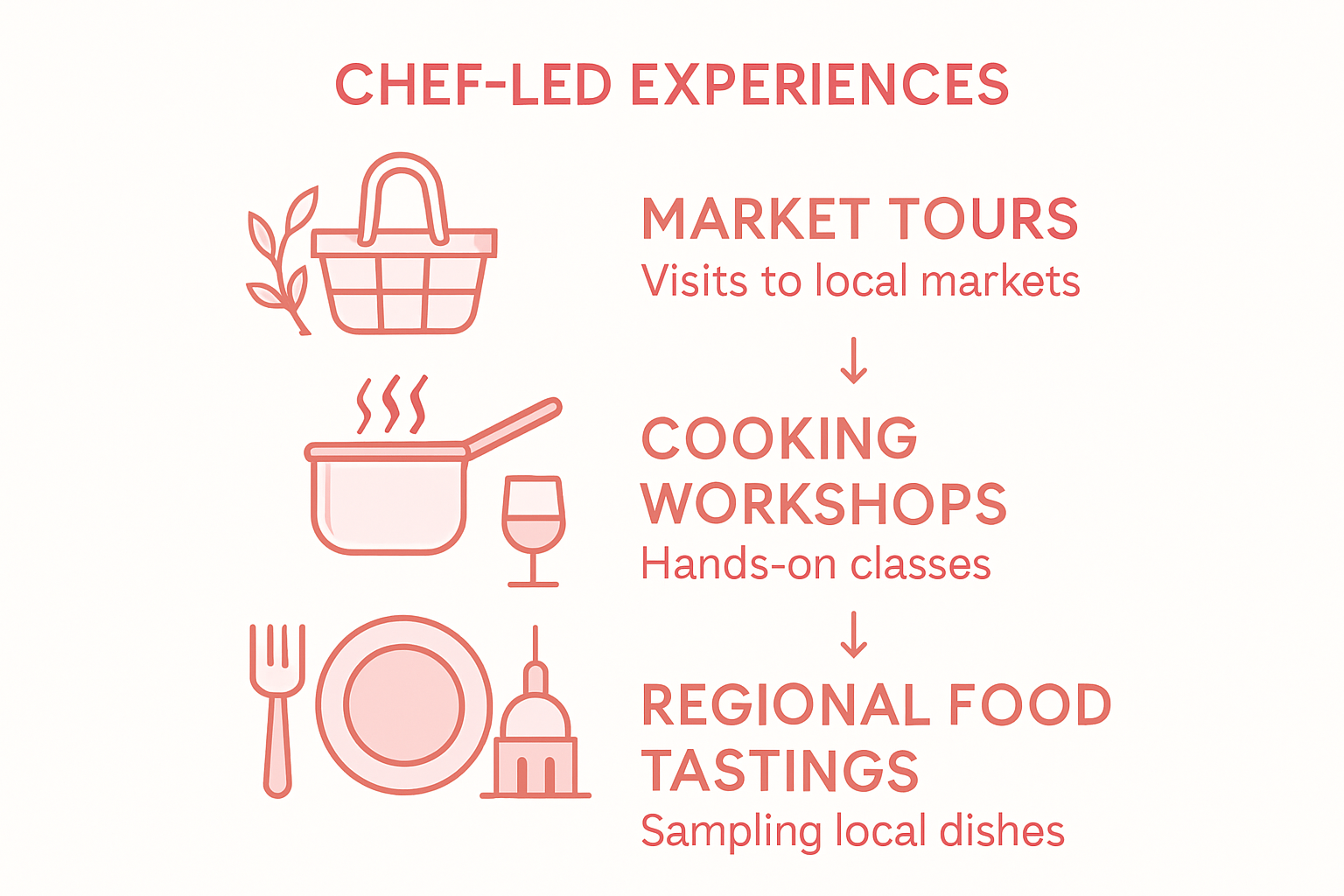
Another compelling category includes regional food heritage tours, where chefs transform dining into storytelling experiences. Culinary experiences designed for enthusiasts often incorporate visits to local producers, artisan workshops, and family-run establishments that remain hidden from standard tourist routes. These journeys allow travellers to understand the intricate connections between landscape, community, and cuisine, with chefs serving as expert translators of complex culinary narratives.
Specialised experiences also emerge, such as wine pairing workshops, farm-to-table expeditions, and regional ingredient exploration tours. These carefully crafted experiences move beyond simple tasting, offering deep dives into cultural practices, historical contexts, and the evolving landscape of regional gastronomy. Chefs leverage their professional networks and intimate local knowledge to create transformative experiences that connect travellers with authentic, sensory-rich representations of culinary heritage.
How Chefs Curate Authentic Food Tours
Curating authentic food tours represents a sophisticated art form that demands extensive local knowledge, cultural understanding, and meticulous planning by professional chefs. These culinary experts transform simple dining experiences into profound journeys of gastronomic discovery, carefully selecting routes, venues, and narratives that reveal the deeper cultural significance of regional cuisine.
Gastronomic knowledge and culinary heritage play a critical role in designing immersive food experiences that go beyond mere tasting. Chefs strategically map out tours that introduce travellers to hidden local restaurants, family-run establishments, artisan producers, and markets that represent the genuine culinary ecosystem of a region. They leverage personal connections, deep-rooted local relationships, and intimate understanding of seasonal ingredients to craft experiences that are both educational and emotionally resonant.
The process of designing authentic food tours involves multiple intricate steps. Multisensory gastronomic experiences become central to creating memorable journeys, with chefs carefully orchestrating encounters that engage all sensory dimensions. They select venues that offer not just exceptional flavours, but also compelling stories about local agricultural practices, traditional cooking methods, and generational culinary wisdom. Gourmet food tours with local chefs often include interactive elements like market visits, cooking demonstrations, and discussions with local producers, transforming passive consumption into active cultural learning.
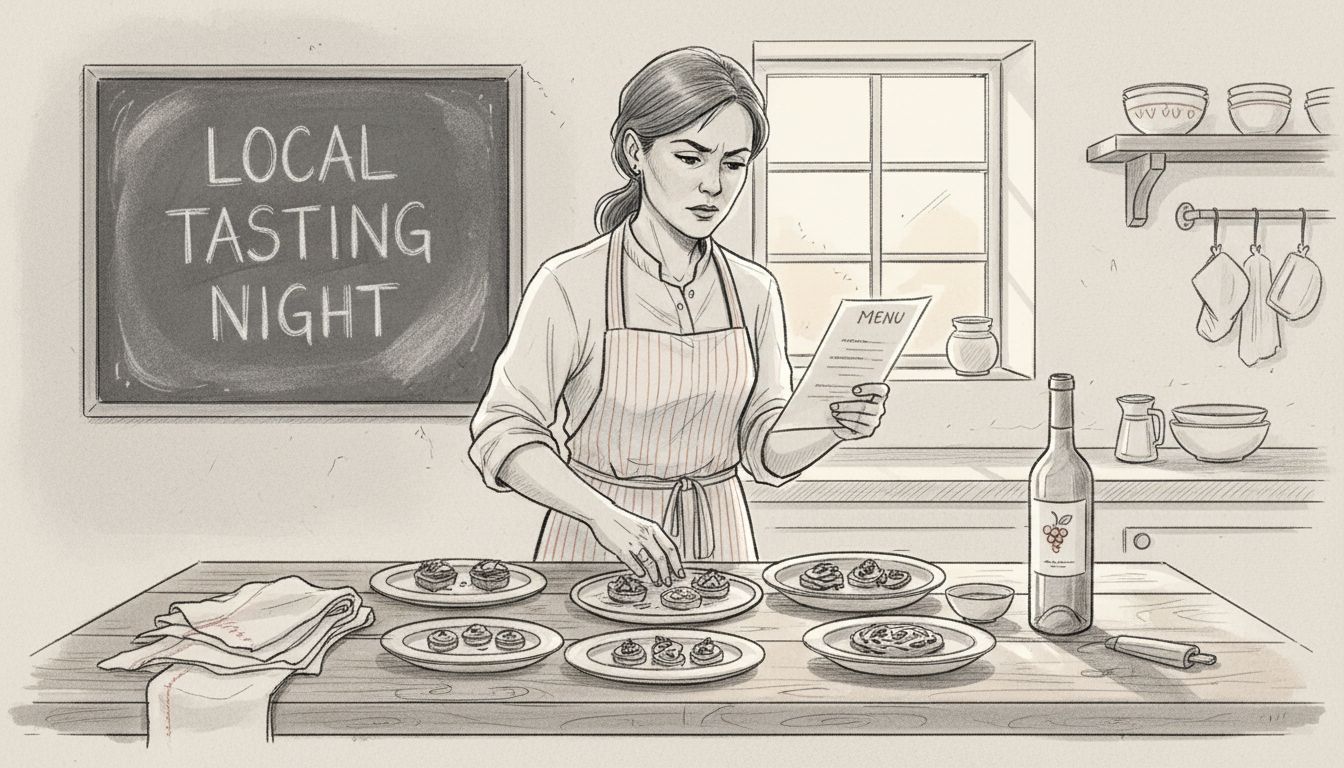
Ultimately, chefs curate food tours as intricate narratives of place, culture, and tradition. They serve as cultural interpreters, translating complex culinary landscapes into accessible, engaging experiences that allow travellers to understand a destination’s soul through its food. By prioritising authenticity, personal connection, and sensory richness, these culinary professionals create journeys that transcend typical tourist experiences, offering genuine insights into local communities and their gastronomic heritage.
Qualities Distinguishing Expert Food Tour Chefs
Expert food tour chefs represent a unique breed of culinary professionals who transcend traditional cooking roles, blending technical expertise with extraordinary storytelling and cultural interpretation skills. Their ability to transform simple ingredient presentations into compelling narratives sets them apart from conventional restaurant chefs, creating immersive experiences that engage travellers on multiple sensory and intellectual levels.
Key competencies for culinary professionals illuminate the complex skill set required for exceptional food tour leadership. These chefs demonstrate remarkable interpersonal skills, combining deep technical knowledge with exceptional communication abilities. They must navigate complex group dynamics, manage diverse dietary requirements, and maintain a narrative flow that keeps participants engaged while providing authentic culinary insights. Emotional intelligence becomes as crucial as their technical cooking prowess, enabling them to read group energy and adapt experiences in real-time.
Chefs as multifaceted culinary innovators reveal additional distinguishing qualities that elevate their role beyond traditional expectations. They are part historian, part performance artist, and part cultural ambassador. Their expertise extends far beyond recipe preparation, encompassing comprehensive understanding of regional agricultural practices, ingredient provenance, cooking techniques, and sociocultural contexts that inform local cuisines. Inclusive chef experiences further demonstrate their ability to create welcoming, accessible culinary journeys that respect diverse participant backgrounds.
Ultimately, expert food tour chefs are storytellers who use cuisine as their narrative medium. They possess an extraordinary ability to translate complex culinary traditions into accessible, engaging experiences that transform how travellers understand food’s deeper cultural significance. By combining technical mastery, historical knowledge, performance skills, and genuine passion, these professionals create transformative journeys that extend far beyond simple gustatory pleasure, offering profound insights into human culture through the universal language of food.
Responsibilities and Ethical Standards for Chef Guides
Chef guides shoulder profound ethical responsibilities that extend far beyond traditional culinary instruction, transforming their role into a complex custodianship of cultural knowledge, sustainable practices, and responsible tourism. These professionals must navigate intricate ethical landscapes that require deep respect for local communities, authentic representation of culinary traditions, and commitment to genuine cultural exchange.
Culinary tourism’s significance for local businesses emphasises the critical role chefs play in promoting sustainable economic practices. Ethical chef guides must consciously support local producers, prioritise regional ingredients, and ensure that their tours generate meaningful economic benefits for host communities. This involves carefully selecting venues, understanding supply chains, and creating experiences that directly contribute to local economic development while maintaining the integrity of traditional food practices.
Innovative approaches to dining experiences reveal the expanding ethical considerations for chef guides. Beyond economic impacts, they must consider participant well-being, dietary diversity, cultural sensitivity, and psychological engagement. Culinary travel for professionals demands a nuanced understanding of participant needs, including managing dietary restrictions, ensuring inclusive experiences, and creating safe, respectful environments that honour diverse cultural backgrounds. Chefs must balance educational objectives with participant comfort, transforming potential cultural barriers into opportunities for genuine understanding.
Ultimately, the ethical standards for chef guides represent a holistic commitment to cultural respect, sustainable practices, and meaningful human connection. They are not merely food guides but cultural ambassadors who bear significant responsibility for representing communities authentically, promoting sustainable practices, and fostering cross-cultural understanding through the universal language of cuisine. Their work transcends entertainment, becoming a profound act of cultural preservation and mutual respect.
Discover Authentic Culinary Journeys Led by Local Chefs
The article highlights the crucial role chefs play as cultural ambassadors in food tourism, transforming dining into immersive storytelling that connects travellers with local traditions. If you seek to move beyond typical tourist menus and experience genuine, sensory-rich culinary adventures you will appreciate how our chef-led tours cater precisely to these desires. By engaging with expert chefs deeply knowledgeable about their regions you gain exclusive access to hidden gems and authentic flavours that embody the soul of cities like Paris, Seville, Berlin, and Mexico City.
Explore a world where every dish tells a story. Our tours address the challenge of finding meaningful food experiences by offering personalised, small-group journeys crafted by passionate chefs. Whether you want to uncover Parisian culinary secrets with Chef PJ, savour the vibrant tastes of Seville alongside Chef Crestani, or journey through Berlin and Mexico City with Chef Karl Wilder, you will experience food as a cultural dialogue, not just a meal.
Ready to connect with authentic culinary culture today Explore our diverse destinations in The Chef Tour Cities – Explore Culinary Destinations
Book your unforgettable food tour now at The Chef’s Tours and see why travellers rave about their life-changing experiences in The Chef Tour Reviews | What Travelers Say. Don’t miss the chance to discover the heart of culinary heritage with local chefs guiding your journey.
Frequently Asked Questions
What is the role of chefs in food tourism?
Chefs in food tourism serve as cultural ambassadors, guiding travellers through authentic culinary experiences and sharing knowledge about regional gastronomy, ingredients, and cooking techniques.
How do chefs create authentic culinary experiences for tourists?
Chefs curate authentic culinary experiences by selecting hidden local restaurants, conducting market tours, and offering cooking workshops that engage multiple senses and provide cultural context through storytelling.
What qualities distinguish expert food tour chefs from traditional chefs?
Expert food tour chefs blend technical cooking skills with storytelling abilities, emotional intelligence, and deep knowledge of local culinary traditions, allowing them to create immersive and engaging experiences for participants.
What ethical responsibilities do chef guides have in food tourism?
Chef guides bear significant ethical responsibilities, including promoting sustainable practices, supporting local producers, ensuring dietary inclusivity, and authentically representing the culinary heritage of the communities they engage with.