

Standing in a lively Parisian market or weaving through Seville’s old town, many travellers quickly find that not all food tours deliver genuine cultural flavour. For those who want more than packaged tastings and scripted routes, finding a truly authentic, chef-led experience becomes a quest for real connection. This guide highlights bold differences between generic tours and immersive alternatives, helping you unlock the essentials of authentic culinary discovery in world-class cities such as Paris, Seville, and Berlin.
Table of Contents
- Defining Tourist Food Tours And Real Alternatives
- Typical Signs Of A Tourist-Oriented Food Tour
- Key Features Of Authentic Culinary Experiences
- Critical Booking Questions To Ensure Authenticity
- Common Pitfalls And How To Avoid Them
Key Takeaways
| Point | Details |
|---|---|
| Prioritise Authenticity | Seek food tours led by local chefs who offer genuine insights into regional cuisines and culinary practices. |
| Engage with Local Producers | Look for experiences that include direct interactions with local food artisans and producers to enhance cultural connection. |
| Limit Group Size | Choose tours with small group sizes (ideally 6-8 participants) to foster meaningful exchanges and personalised narratives. |
| Ask Critical Questions | Before booking, inquire about the tour guide’s local credentials, relationships with producers, and the focus on culturally significant dining experiences. |
Defining Tourist Food Tours and Real Alternatives
Tourist food tours represent a specific category of culinary experiences that often prioritise surface-level interactions over genuine cultural immersion. Culinary tourism research reveals these tours frequently create standardised experiences that disconnect travellers from authentic local gastronomic traditions.
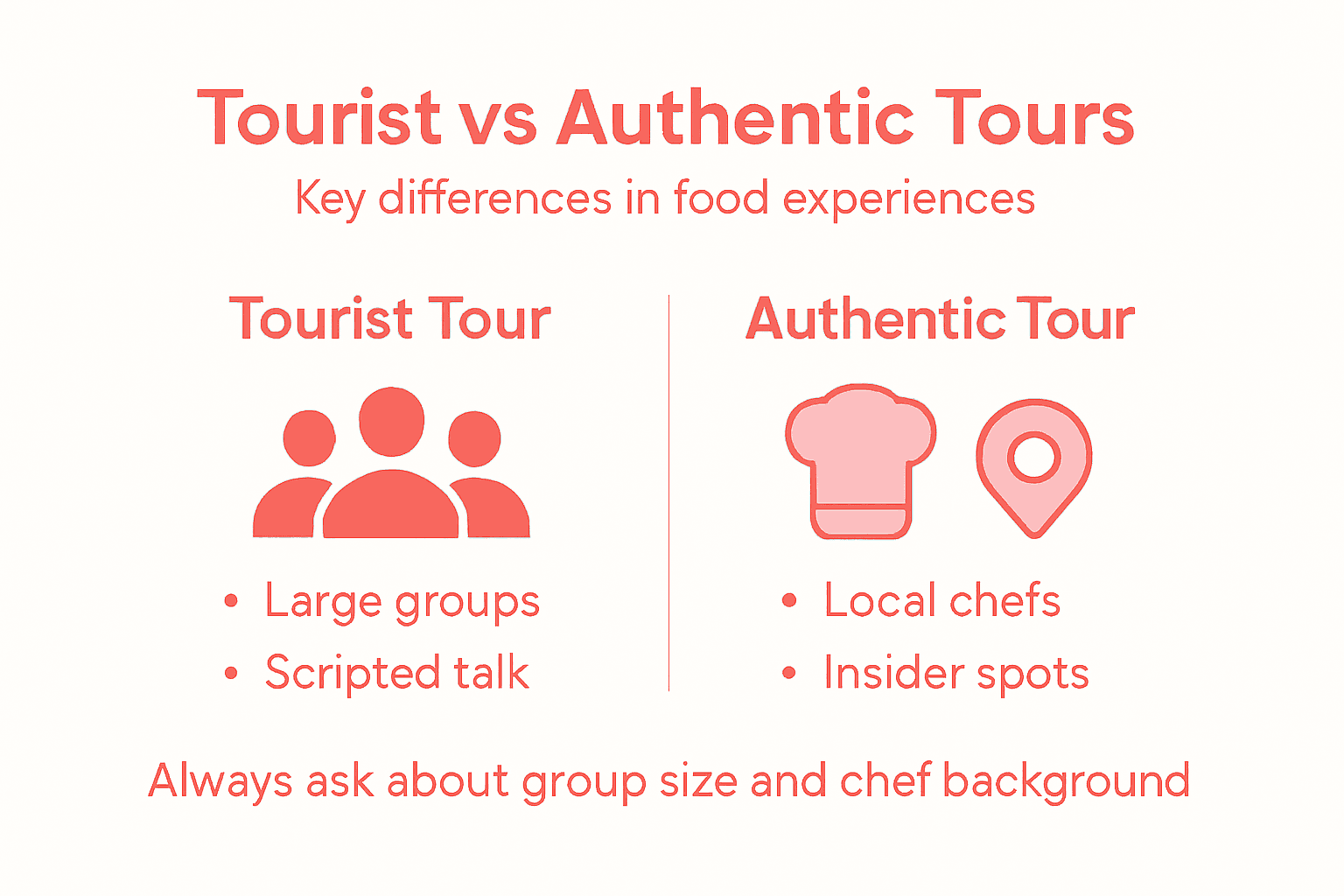
Understanding the key differences between generic tourist food tours and genuine culinary experiences becomes crucial for discerning travellers. Here are the primary characteristics that distinguish authentic food experiences:
- Locally-led experiences with genuine chef or community involvement
- Deep cultural narrative beyond simple restaurant hopping
- Emphasis on regional cooking techniques and ingredient sourcing
- Small group sizes allowing meaningful interactions
- Connections with local food producers and artisans
Real alternatives to standard tourist food tours often involve more immersive, personalised experiences that transform dining from a transactional activity into a cultural exchange. Gastronomic exploration moves beyond mere consumption, creating profound connections between travellers and local food ecosystems.
These authentic experiences typically share several defining characteristics. They prioritise:
- Direct engagement with local chefs
- Understanding historical and cultural food contexts
- Exploring neighbourhood markets and production spaces
- Learning traditional cooking methods
- Supporting local food economies
Pro tip: Research food tours led by local chefs who have deep roots in the community and can provide genuine insider perspectives on regional cuisine.
The table below compares generic tourist food tours with authentic culinary experiences to aid travellers in making informed choices:
| Aspect | Tourist Food Tour | Authentic Culinary Experience |
|---|---|---|
| Group Size | Large (15-20 participants) | Small (6-8 participants) |
| Guide Credentials | Little local expertise | Local chefs or food experts |
| Venue Selection | Tourist-focused restaurants | Local neighbourhood establishments |
| Culinary Storytelling | Scripted, repetitive narratives | Personalised, cultural storytelling |
| Producer Interaction | Rare or minimal | Direct contact with local producers |
| Food Focus | Photogenic, crowd-pleasing dishes | Traditional, regionally-sourced fare |
| Experience Depth | Superficial, standardised | Culturally immersive and nuanced |
Typical Signs of a Tourist-Oriented Food Tour
Tourist-oriented food tours often reveal themselves through predictable patterns that prioritise commercial interests over authentic culinary experiences. Food tourism research demonstrates these tours frequently create standardised encounters that strip away genuine cultural connections.
Recognising these tours requires understanding several key indicators that suggest a lack of authenticity:
- Large groups of 15-20 tourists
- Pre-scripted narratives with little local variation
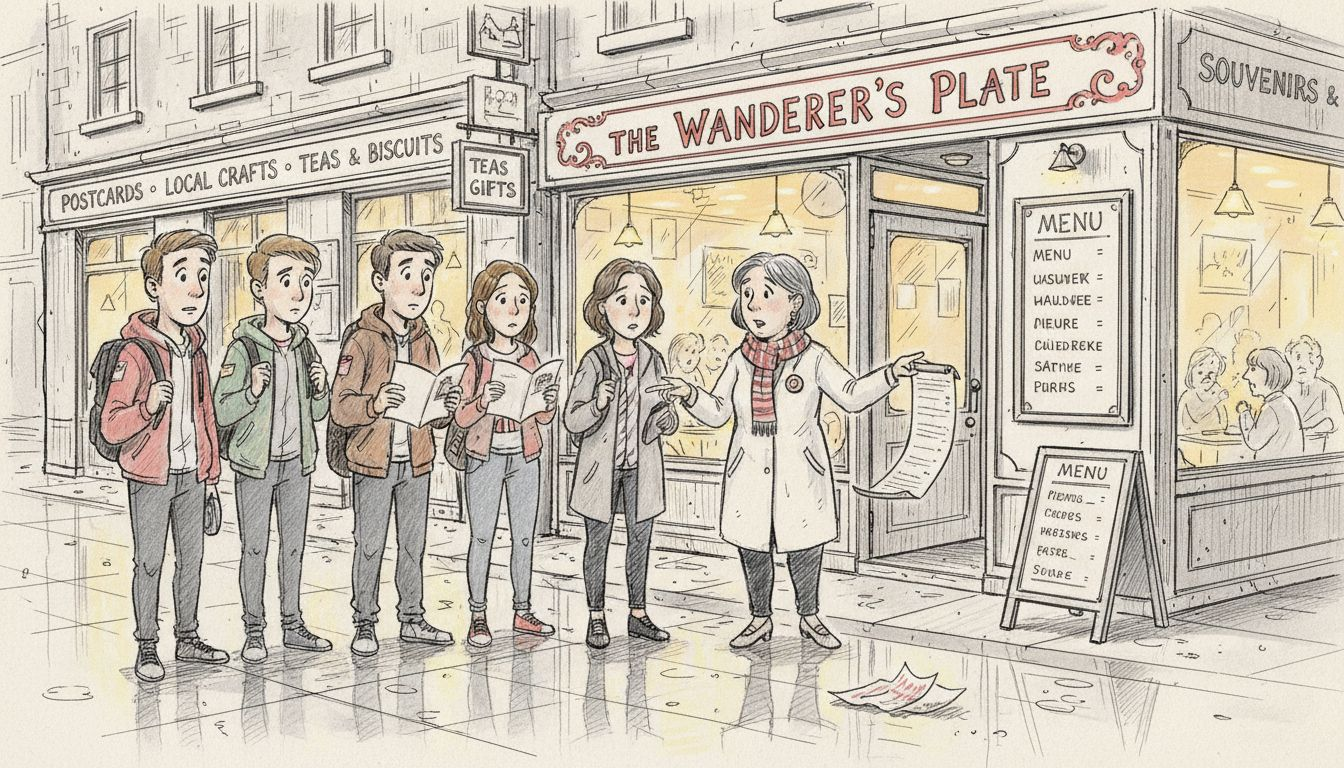
- Stops at tourist-heavy restaurants with multilingual menus
- Minimal interaction with actual local food producers
- Emphasis on photogenic food rather than culinary tradition
- Guides who aren’t local residents or professional chefs
Commercial food tours typically display institutional arrangements designed to maximise tourist throughput rather than provide meaningful cultural experiences. These tours often feature:
- Fixed, unchanging restaurant routes
- Minimal time spent at each location
- Limited depth of culinary storytelling
- Predictable, sanitised food selections
- High-volume, low-engagement interactions
Pro tip: Ask potential tour guides about their personal connections to local food culture and request details about how their tours differ from standard tourist experiences.
Key Features of Authentic Culinary Experiences
Authentic culinary experiences transcend mere food consumption, offering deep cultural immersion that connects travellers directly with local gastronomic traditions. Food tour research reveals these experiences are fundamentally about creating meaningful connections between visitors and local food cultures.
The hallmarks of truly authentic culinary experiences include:
- Direct interactions with local food producers
- Small, intimate group sizes (maximum 6-8 participants)
- Personalised narratives from local chefs or food experts
- Visits to non-touristy, neighbourhood food establishments
- In-depth exploration of regional cooking techniques
- Emphasis on sustainable and locally-sourced ingredients
- Meaningful conversations about cultural food heritage
These experiences prioritise depth and quality over superficial tourist-oriented encounters. Culinary storytelling becomes a critical element, transforming each tasting into a nuanced exploration of local identity, history, and cultural practices.
Authentic food experiences typically involve:
- Supporting local food economies
- Learning traditional preparation methods
- Understanding ingredient provenance
- Experiencing unscripted, genuine interactions
- Exploring food’s role in local cultural narratives
Pro tip: Request detailed information about the tour guide’s background and connections to local food culture before booking to ensure an authentic experience.
Critical Booking Questions to Ensure Authenticity
Navigating the landscape of culinary tours requires strategic questioning to distinguish authentic experiences from commercial offerings. Food tourism research emphasises the importance of probing tour operators about their genuine connections to local food cultures.
Before booking a food tour, consider asking these critical questions to verify authenticity:
- Who are the tour guides, and what are their local food credentials?
- How long have they been conducting food tours in this specific region?
- Can they explain their relationships with local food producers?
- What percentage of tour stops are family-owned or independent establishments?
- How do they select and rotate their food tour locations?
- Do they provide historical and cultural context about each food stop?
Transparency becomes the key indicator of an authentic culinary experience. The most genuine tours will welcome detailed inquiries and provide comprehensive, nuanced responses that go beyond marketing rhetoric.
Specific areas to investigate during your booking conversation include:
- Local producer partnerships
- Seasonal menu adaptations
- Cultural storytelling components
- Group size and interaction opportunities
- Sustainability and community support practices
Pro tip: Request a brief phone consultation with the tour guide to assess their passion, knowledge, and genuine connection to local food culture before making your final booking decision.
Use this reference to evaluate food tour operators quickly before booking:
| Critical Question | Why It Matters | Ideal Response Example |
|---|---|---|
| Guide’s Local Food Credentials | Ensures true expertise | Lifelong local chef |
| Relationship With Producers | Validates authentic sourcing | Partners with nearby farmers |
| Percentage of Independent Establishments | Measures support for local economy | Over 75% small, family-run stops |
| Group Size Limitations | Predicts quality of interaction | No more than 8 people |
| Seasonal Menu Adaptation | Shows use of fresh, local ingredients | Changes menu with local harvests |
Common Pitfalls and How to Avoid Them
Navigating the complex landscape of culinary tourism requires keen awareness of potential commercial traps that can diminish the authenticity of your food experience. Tourism research reveals the significant risks of food tours becoming standardised and disconnected from genuine local culture.
Common pitfalls in food tourism include:
- Tours with identical routes across multiple days
- Large, impersonal group sizes exceeding 15 participants
- Minimal interaction with actual local food producers
- Scripted narratives lacking genuine cultural context
- Prioritising photogenic food over authentic culinary traditions
- Stops at chain restaurants or tourist-centric establishments
- Limited engagement with regional cooking techniques
Strategies to circumvent these pitfalls require proactive research and discerning selection. Cultural preservation becomes critical in maintaining the integrity of culinary experiences, which means prioritising tours that demonstrate deep local connections.
To ensure an authentic experience, travellers should:
- Verify tour guide’s local credentials
- Request detailed information about producer relationships
- Check group size limitations
- Investigate tour’s community engagement practices
- Confirm flexibility in tour routes and experiences
Pro tip: Request references from previous tour participants and seek detailed insights about the tour’s commitment to supporting local food cultures.
Discover Authentic Culinary Journeys with The Chef Tours
Struggling to spot tourist food tours that prioritise commercial interests over genuine cultural immersion is a common challenge for travellers seeking depth and authenticity. This article highlights key pain points such as large group sizes, scripted narratives, and minimal interaction with local producers that dilute the culinary experience. At The Chef Tours, we understand that real culinary exploration means enjoying small, personalised tours led by chefs deeply connected to their communities, just like our Parisian expert Chef PJ, Seville’s Chef Crestani, and Berlin or Mexico City’s Chef Karl Wilder.
Are you ready to bypass generic, superficial tours and truly connect with local food cultures in vibrant cities? Explore our curated selection of immersive food experiences across multiple destinations via The Chef Tour Cities – Explore Culinary Destinations. Hear firsthand from travellers about how exclusive chef-led tours have transformed their journeys on The Chef Tour Reviews | What Travelers Say. Start your authentic culinary adventure today by booking your customised experience now at https://thecheftours.com and savour the true essence of regional cuisine.
Frequently Asked Questions
How can I identify a tourist food tour before booking?
Look for signs such as large group sizes (15-20 people), scripted narratives, and stops at tourist-heavy restaurants. Tours that lack interaction with local food producers or emphasise photogenic dishes over authentic cuisine are also likely tourist-oriented.
What are the key features of authentic culinary experiences?
Authentic culinary experiences typically involve direct interactions with local chefs, small group sizes (6-8 participants), personalised storytelling, visits to non-touristy establishments, and an emphasis on traditional cooking methods and sustainable ingredients.
What questions should I ask tour operators to ensure authenticity?
Inquire about the tour guide’s local food credentials, their relationships with local producers, the percentage of stops that are independent establishments, group size limitations, and how the tour incorporates cultural storytelling elements.
What common pitfalls should I watch out for when selecting a food tour?
Be wary of tours with identical routes, large impersonal groups, minimal interaction with local producers, scripted narratives, and a focus on chain restaurants or photogenic food instead of authentic culinary traditions.