

TL;DR:
- Authentic local food experiences require visiting less touristy neighborhoods and markets.
- Small-group, chef-led tours offer immersive insights and access to hidden culinary gems.
- A proactive mindset and curiosity are essential for truly engaging with a city’s food culture.
Landing in a new city with an appetite for the real thing is one of travel’s great pleasures, but it can quickly turn into a frustrating exercise in menu-scanning and second-guessing. Paris alone has over 40,000 restaurants. Mexico City has more street food stalls than most cities have cafés. The sheer volume of options, combined with the relentless pull of tourist traps, means that most visitors leave having eaten well but never having eaten truly. This guide cuts through the noise with insider-verified, expert-backed approaches to finding and experiencing local cuisine the way residents do.
Table of Contents
- How to evaluate truly local food experiences
- Join chef-led or expert food tours
- Visit local markets and explore authentic street food
- Dine at hidden neighbourhood restaurants
- Attend cooking classes, private tastings and pop-ups
- Our perspective: the tourist trap is a mindset, not just a location
- Ready to eat like a local?
- Frequently asked questions
Key Takeaways
| Point | Details |
|---|---|
| Prioritise small groups | Smaller food tour groups provide deeper access and more personal interactions with chefs and vendors. |
| Markets reveal local flavour | Local markets—especially outside tourist zones—are invaluable for tasting regional specialities and meeting producers. |
| Timing unlocks authenticity | Eating at typical local meal times increases your chances of joining locals and sampling fresh, uncrowded dishes. |
| Ask beyond the concierge | Taxi drivers, market sellers, and neighbourhood shopkeepers often know the most genuine eating spots. |
| Experiences boost memories | Hands-on activities like cooking classes and private tastings make local food experiences unforgettable. |
How to evaluate truly local food experiences
Before exploring the specific ways to experience local cuisine, it is important to understand what makes a food experience truly authentic. Not every busy restaurant is a gem, and not every quiet one is a dud. Developing a discerning eye before you arrive saves you from costly mistakes and wasted evenings.
The food tourism trends shaping 2026 show just how much is at stake. The culinary tourism market is valued at roughly $1 trillion and is projected to exceed $2 trillion by 2030, with food accounting for 28% of all tourism spending. Fifty-three per cent of travellers now describe themselves as food-focused, and 81% actively seek to learn about local culture through food. The demand is enormous, which means the supply of both genuine and fake experiences has grown in equal measure.
Red flags to watch for:
- Menus printed in five languages with photographs of every dish
- Staff standing outside actively beckoning you in
- Location directly beside a major landmark or tourist attraction
- Prices that seem suspiciously low or suspiciously high with no local context
- No locals eating there, especially at peak meal times
Positive signs of authenticity:
- The restaurant is full of locals at local dining hours (late in Spain, early in Germany)
- The menu is handwritten or changes daily based on what is available
- An open kitchen where you can see the cooking process
- Staff speaking primarily in the local language to one another
- The place is slightly hard to find and not listed on the first page of Google
Strategies for finding authentic spots consistently point to the same practical advice: avoid restaurants adjacent to landmarks, dine at local hours, look for open kitchens, and ask non-concierge hotel staff or taxi drivers rather than the front desk. A hotel concierge is often incentivised to recommend partners. A taxi driver eats lunch somewhere every day.
Pro Tip: Ask your taxi driver or a local shopkeeper where they eat on a Friday night. You will get a more honest answer than any travel app can provide.
Group size also matters enormously. Small groups of two to seven people allow for genuine conversation with a chef or guide, flexible routing, and the ability to duck into tiny neighbourhood spots that cannot accommodate a coach party. Larger tours offer affordability but sacrifice intimacy and access.
Join chef-led or expert food tours
With clear criteria in mind, the first and often most immersive option is to join a chef-led or expert food tour. This is not the same as a bus tour that stops at a famous market for a photo opportunity. A genuine chef-led experience means your guide has professional kitchen knowledge, personal relationships with vendors and restaurateurs, and the kind of contextual storytelling that transforms a bite of food into a cultural education.
Guided food tours led by locals provide immersive access to hidden gems, markets, and neighbourhood eateries in cities like Paris, where the most interesting food is rarely found near the Eiffel Tower. It is in Belleville, Oberkampf, and the 11th arrondissement, where chefs like our own Chef PJ know every fromagerie owner by name. This personal access is simply not replicable through a guidebook or an algorithm.
Food tours drive 35% of all culinary tourism bookings globally, making them the single most popular structured food experience for travelling food lovers. The reasons are clear when you look at what a well-run tour actually delivers.
What a great chef-led tour includes:
- Off-menu tastings arranged specifically for the group
- Visits to working markets with introductions to producers
- Stops at neighbourhood restaurants that do not advertise online
- Wine or drinks pairings chosen by someone who actually knows the region
- Cultural and historical context woven into every stop
For a fuller picture of what to expect, a good chef-led tour guide will walk you through the structure, pacing, and what questions to ask before booking.
| Feature | Small-group tour (2 to 7) | Large-group tour (15 or more) |
|---|---|---|
| Access to hidden venues | High | Low |
| Personal chef interaction | High | Minimal |
| Flexibility of route | High | Fixed |
| Cost per person | Higher | Lower |
| Depth of experience | Deep | Surface level |
| Suitable for dietary needs | Very adaptable | Limited |
The table above makes the trade-off clear. If budget is the primary concern, a larger tour still beats eating alone at a tourist restaurant. But for those who want the full experience, small group food tours consistently deliver a richer, more personal encounter with a city’s food culture. There are also many types of food tours available across different cities, from wine-focused evenings to full-day market and cooking combinations.
Pro Tip: When comparing tours, check whether the guide is a working chef or a food enthusiast. Both can be excellent, but a chef brings technical knowledge that changes how you understand what you are tasting.
Visit local markets and explore authentic street food
Of course, not all authentic experiences are guided. Some of the most memorable come from diving into the bustle of local markets and street food scenes. Markets are the heartbeat of a city’s food culture, and the best ones are rarely in the tourist brochure.
“The most honest food in any city is found where locals shop for it, not where they perform it for visitors.”
Markets like the Keramikos neighbourhood market in Athens, the Yeongcheon market in Seoul, and the Thursday tianguis in Zaachila, just outside Oaxaca, share a common quality: they exist primarily to serve local communities. Visiting local markets and street food scenes offers authentic tastes from vendors and farmers who have no particular interest in impressing tourists, which paradoxically makes them far more impressive.
What to look for at a genuine local market:
- Vendors selling seasonal, regional produce rather than generic goods
- Handmade items: fresh pasta, cured meats, local cheeses, pickled vegetables
- Regional drinks you will not find in supermarkets, such as mezcal from small producers or natural wines from nearby farms
- A complete absence of souvenir stalls mixed in with the food
- Locals doing their weekly shopping, not posing for photographs
The key to getting the most from a market visit is timing. Arrive early, when produce is freshest and vendors are most willing to chat. Bring cash. Point, smile, and taste before you buy. Most market vendors are proud of what they make and will tell you exactly how it was produced if you show genuine curiosity.
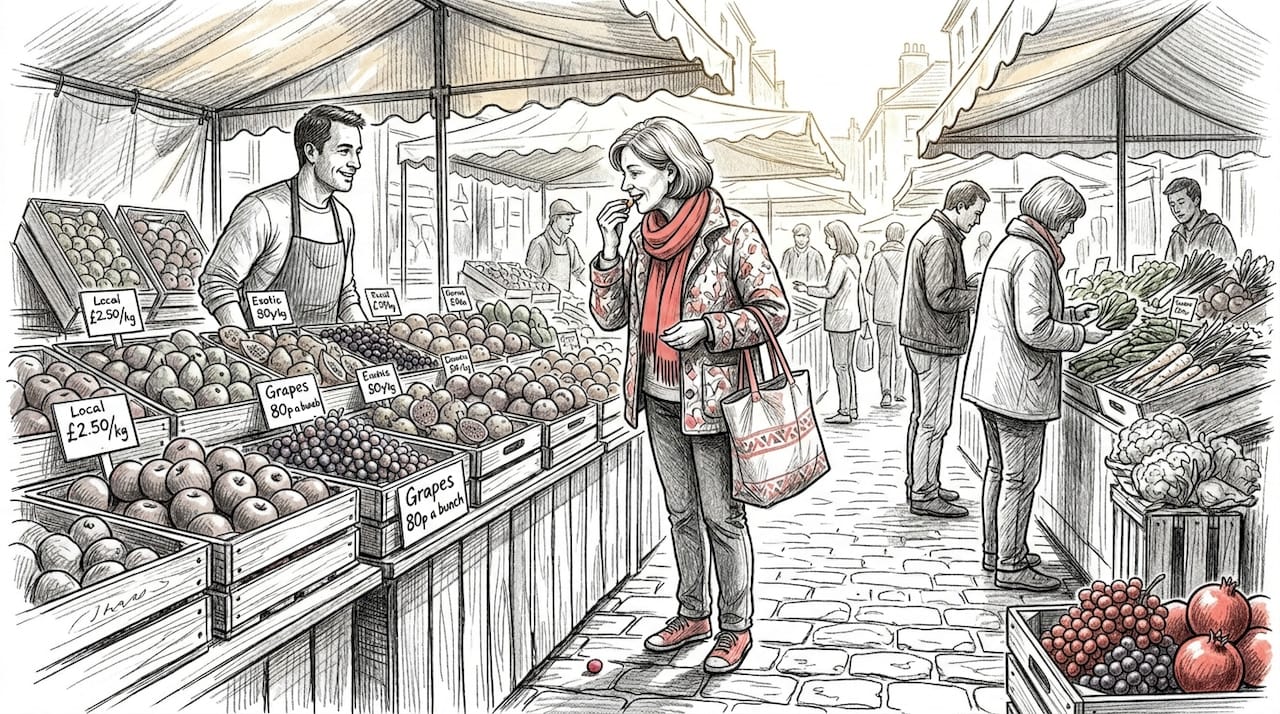
Understanding what food-focused travel actually means helps frame the market experience correctly. It is not about ticking off famous dishes. It is about understanding the agricultural, cultural, and social systems that produce the food on your plate. A market visit, done well, is a masterclass in all three. The curated culinary benefits of pairing a market visit with a knowledgeable local guide are significant: you leave with context, not just calories.
Dine at hidden neighbourhood restaurants
Another proven approach, often yielding the highest rewards for intrepid eaters, is venturing beyond the obvious to discover those restaurant gems locals keep to themselves. This requires a little more effort than booking the top-rated spot on a review platform, but the payoff is almost always worth it.
Steps to uncover hidden neighbourhood restaurants:
- Walk at least fifteen minutes away from your hotel or the main tourist area before looking for somewhere to eat
- Look for restaurants with handwritten menus or a chalkboard specials board
- Check whether the menu changes seasonally or weekly, which signals a kitchen that cooks to what is available
- Ask the person serving you at a local bakery, pharmacy, or independent shop where they eat lunch
- Dine at local hours: 1pm to 3pm for lunch in France and Spain, 8pm to 10pm for dinner in Southern Europe
- Trust a restaurant that is slightly difficult to find over one that has a large sign in three languages
Strategies for finding authentic spots confirm that the most reliable recommendations come from non-concierge sources. Taxi drivers, market vendors, and local shopkeepers eat at the same places week after week. Their loyalty is based on quality and value, not commission.
Small restaurants also have telltale signs that signal genuine cooking. An open kitchen means the chef has nothing to hide. A menu that lists the farm or producer for key ingredients signals a kitchen that cares about sourcing. Signage only in the local language is often the clearest indicator that a place is not chasing tourist footfall.
Markets like Zaachila’s Thursday tianguis offer a useful contrast to commercialised food markets: no tourist infrastructure, no English signage, just local vendors selling what they grow and make. The same principle applies to neighbourhood restaurants. The less a place tries to explain itself to outsiders, the more likely it is to be the real thing.
To find local food tours that incorporate neighbourhood dining as part of a structured experience, look for operators who name specific streets and districts rather than just cities.
Attend cooking classes, private tastings and pop-ups
For the most interactive and memorable experiences, consider those that put you both in front of, and behind, the counter. Cooking classes, private tastings, and pop-up dinners represent the deepest level of culinary immersion available to a travelling food lover.
A cooking class with a local chef does several things simultaneously. You learn techniques specific to the regional cuisine. You handle ingredients you may never have encountered before. You leave with a recipe that is a genuine souvenir rather than something bought in a gift shop. And you build a personal connection with a chef who can point you towards other experiences in the city.
Private tastings go one step further. These are curated sessions, often in venues not open to the general public, where a chef or sommelier guides you through a selection of dishes or wines with the kind of depth and detail that a restaurant setting simply does not allow. Pop-up dinners add an element of exclusivity and experimentation: chefs use these events to test new ideas, which means guests are often eating food that does not exist anywhere else.
| Experience type | Depth of learning | Social interaction | Cost range | Booking difficulty |
|---|---|---|---|---|
| Cooking class | High | Medium | Moderate | Easy |
| Private tasting | Very high | High | High | Moderate |
| Pop-up dinner | High | High | Moderate to high | Hard |
| Standard restaurant | Low | Low | Variable | Easy |
Research into culinary experiences and destination image shows that authentic food experiences significantly boost a traveller’s intention to revisit a destination. The mechanism is straightforward: memorable food experiences become part of how you remember a place, and that memory pulls you back. A cooking class in Seville with Chef Crestani or a private tasting in Berlin with Chef Karl Wilder is not just a meal. It is a story you tell for years.
Benefits of immersive culinary experiences:
- Direct skill transfer: you learn to cook something genuinely new
- Cultural context: understanding why a dish exists deepens your appreciation
- Personal connections with chefs who can recommend further experiences
- Increased satisfaction with the destination overall
- A stronger desire to return, based on chef-led culinary travel research
Our perspective: the tourist trap is a mindset, not just a location
Most culinary travellers assume that tourist traps are geographical. Avoid the obvious places near the landmark, they think, and you will find the real thing. We have seen enough to know that this is only half true.
The deeper trap is a passive mindset. Travellers who wait to be led to food, who rely entirely on review platforms, or who choose the familiar over the unfamiliar are limiting themselves regardless of where they eat. The most extraordinary food experiences we have facilitated at The Chef’s Tours have happened when a guest said yes to something unexpected: a detour to a market stall that was not on the itinerary, a second glass of a natural wine they had never heard of, a conversation with a chef that ran thirty minutes longer than planned.
Authentic culinary travel is an active pursuit. It requires curiosity, a willingness to feel slightly lost, and the confidence to trust a local over an algorithm. The good news is that this mindset is learnable. A well-run chef-led tour is often where people first practise it, because the structure gives them permission to be adventurous. Many of our guests tell us that the tour changed not just how they ate on that trip, but how they travel permanently.
The cities we work in, Paris, Seville, Berlin, and Mexico City, all reward the curious eater enormously. But they punish the passive one just as reliably.
Ready to eat like a local?
If this guide has sharpened your appetite for something more than a standard restaurant booking, we would love to show you what genuine culinary immersion looks like in practice.
At The Chef’s Tours, our experiences are built around exactly the principles outlined here: small groups, local chefs with real relationships, and access to places you simply cannot find on your own. Chef PJ leads our celebrated Paris food tours through the city’s most interesting neighbourhoods. Chef Crestani brings the soul of Seville to life across its markets, tapas bars, and hidden dining rooms. Chef Karl Wilder covers both Berlin and Mexico City with the kind of insider knowledge that only comes from years of living and cooking there. Browse our tours, read our chef bios, and book the experience that fits your city and your appetite.
Frequently asked questions
What is the most authentic way to try local food when travelling?
Joining a chef-led or small-group food tour is among the most reliable approaches, as guided food tours provide immersive access to hidden eateries, markets, and neighbourhood restaurants that independent travellers rarely discover.
How can I avoid tourist traps when seeking local food?
Avoid restaurants close to major landmarks, dine at local hours, look for open kitchens, and ask non-concierge staff or taxi drivers. Avoiding landmark-adjacent restaurants and dining at local times are among the most consistently effective strategies.
Are local markets better for food discovery than restaurants?
Local markets often offer unique regional specialities and direct access to producers, making them excellent for authentic discovery. Visiting local markets outside tourist zones, such as Keramikos in Athens or Zaachila near Oaxaca, delivers tastes and encounters that no restaurant can replicate.
What impact do food experiences have on a travel destination’s image?
Authentic food experiences significantly enhance a destination’s image and increase the desire to revisit. Culinary experiences boost revisit intention through the lasting memories they create and the emotional connection they build with a place.
How can I make my food travel more sustainable?
Opt for farm-to-table or zero-waste tours, and prioritise markets and restaurants that champion local, seasonal ingredients. Farm-to-table and zero-waste tours represent a growing segment of culinary tourism, currently adopted by around 10% of operators but expanding rapidly as traveller awareness increases.
Recommended
- 7 Must-Try Food Experiences for Culinary Tourists Abroad
- 7 Inspiring Cultural Food Experience Examples to Try
- 5 authentic ways to explore food culture with local chefs
- Culinary travel trends: Unlock authentic local experiences
- Discover local London: Why exploring beyond tourist spots matters – The London Journal | London Vacation Guide