

Every traveller searching for the heart of a city knows the difference between a genuine meal and a staged experience. For North American and European visitors who crave more than standard sightseeing, food tours promise real connection through flavour and conversation. True culinary experiences, especially those led by local chefs in cities like Paris, Seville, and Berlin, unlock a city’s soul by blending authentic local products with personal stories and direct interaction. This guide explains what defines an immersive gastronomic experience and how the right food tour can transform the way you see and taste a place.
Table of Contents
- Defining Food Tours And Common Misconceptions
- Types Of Food Tours Around The World
- Key Features Of A Memorable Food Tour
- What Sets Chef-Led Experiences Apart
- Cost, Value, And What To Avoid
Key Takeaways
| Point | Details |
|---|---|
| Understanding Authenticity | Genuine food tours are immersive experiences that involve local chefs, cultural education, and high-quality ingredients, rather than mere restaurant hopping. |
| Choosing the Right Tour | Research is essential; look for tours led by experienced chefs who offer personal connections with local food culture and avoid larger, scripted group tours. |
| Cost vs. Value | Invest in quality tours where the price reflects authentic experiences, expertise, and personal interactions, rather than opting for the cheapest available option. |
| Avoiding Common Pitfalls | Be cautious of tours with vague descriptions, large group sizes, or lack of clear credentials, as these often compromise the authenticity and quality of the experience. |
Defining Food Tours and Common Misconceptions
You’ve probably heard the term “food tour” thrown around, but what exactly separates an authentic culinary experience from a tourist trap? Understanding this distinction matters before you book.
What Food Tours Actually Are
Food tours are immersive gastronomic experiences that go far beyond eating at restaurants. They combine walking, tasting, storytelling, and genuine interaction with local chefs and food producers. These aren’t bus tours where you sit passively. You’re actively exploring a city’s culinary identity.
Typically, food tours operate as 3-hour walking experiences that cover a city’s gastronomic highlights. Small groups, usually 8–15 people, explore hidden gems most tourists never find.
What defines genuine food tours:
- Authenticity of local products and traditional preparation methods
- Direct interaction with local chefs, artisans, and producers
- Cultural education about regional history and food traditions
- Access to independent, family-owned establishments
- Personalisation based on your tastes and dietary needs
Common Misconceptions That Trip People Up
Misconception one: Food tours are just expensive restaurant hopping. Wrong. Real food tours tell stories. They reveal why Parisians queue for 90 minutes at a fromagerie, or how a Seville bodega preserves centuries-old sherry traditions.
Misconception two: You’ll eat enormous portions and feel sick. Most quality tours offer tastings, not full meals. You’ll sample 8–10 items across 3 hours, leaving satisfied, not stuffed.
Misconception three: All food tours are identical. This couldn’t be further from the truth. A Paris tour with Chef PJ differs dramatically from a Berlin experience with Chef Karl Wilder or a Seville exploration with Chef Crestani. Each reflects local expertise and personal connections.
Misconception four: You don’t need a guide; you can explore alone. Guides provide context you simply cannot obtain independently. They unlock doors to family restaurants, explain regional techniques, and introduce you to producers who rarely speak with tourists.
Misconception five: Food tours are superficial marketing of “authentic” experiences. Authentic food tours aren’t packaged commodities. They emerge from genuine relationships between chefs and their communities, people who’ve spent decades mastering their craft.
The difference between a food tour worth booking and a waste of money comes down to local expertise and personal connections, not glossy marketing.
Why This Distinction Matters
You’re spending your time and money. The wrong tour leaves you feeling like you’ve seen a theme park version of a city. The right tour changes how you understand food, culture, and a place’s identity.
Pro tip: Before booking, verify your guide is an actual chef or food professional with years of local experience, not just someone trained to deliver scripted commentary. Read detailed reviews from diners aged 30–55 who value authenticity.
Types of Food Tours Around the World
Food tours aren’t one-size-fits-all experiences. The type you choose shapes what you’ll discover, who you’ll meet, and how you’ll connect with a destination’s culinary soul. Let’s break down what’s available globally.
Walking Tours: The Most Popular Format
Walking tours remain the backbone of food tourism. You move through neighbourhoods on foot, stopping at 5–8 venues over 3 hours. This pace lets you soak in atmosphere, chat with locals, and discover corners a bus tour would miss.
Paris excels at walking tours through Le Marais or Montmartre. Seville’s historic quarters reveal tapas bars tucked into 500-year-old streets. Berlin’s eclectic neighbourhoods showcase everything from traditional German fare to modern fusion.
Street Food and Market Experiences
Street food tours and market visits offer raw, authentic glimpses into how locals actually eat. These aren’t sanitised experiences. They’re chaotic, vibrant, and real.
You’ll navigate crowded markets, sample from vendors, and learn why certain ingredients matter culturally. Market tours often include tastings you couldn’t find in restaurants, plus conversations with people who’ve worked those stalls for decades.
Chef-Led Cooking Classes
Cooking classes put you behind the counter. You’ll prepare regional dishes under expert guidance, then eat what you’ve made. This transforms passive tasting into active learning.
These classes typically run 3–4 hours and accommodate small groups. You’ll gain skills you can replicate at home and understand the precision required for dishes that seem simple until you try them.
Wine and Food Pairing Routes
Wine regions pair tastings with regional cuisine deliberately. Seville’s sherry routes combine bodega tours with traditional foods that complement each varietal. These experiences teach you how geography shapes both wine and food simultaneously.
Festival and Seasonal Participation
Some tours centre around food festivals, harvest seasons, or specific celebrations. You’ll experience food culture during moments when communities gather around it most authentically.
Common tour types:
- Walking tours through neighbourhoods with multiple stops
- Market immersion focused on local shopping culture
- Cooking classes where you prepare regional dishes
- Wine and food routes emphasising regional pairings
- Bike tours covering larger areas at slower pace
- Festival experiences timed to cultural celebrations
The best food tour type matches your energy level, learning style, and how much time you have. A 3-hour walking tour suits most travellers; cooking classes suit those wanting hands-on skills.
What Varies by Region
Parisian tours emphasise cheese, wine, and pastry traditions. Seville focuses on sherry culture and tapas. Berlin highlights street food diversity and craft brewing. Mexico City showcases indigenous ingredients and contemporary techniques.
Each city’s tours reflect its culinary identity, not generic templates.
Pro tip: Choose a tour type based on whether you prefer learning passively through tasting or actively through cooking, and whether you want to cover more ground or linger longer in one area.
To better understand the types of food tours available globally, here is a comparison of their key characteristics:
| Tour Type | Typical Duration | Group Size | Primary Benefit |
|---|---|---|---|
| Walking food tour | 3 hours | 8–15 participants | Local atmosphere and discovery |
| Market immersion | 2–3 hours | 8–12 participants | Access to local vendors and culture |
| Cooking class | 3–4 hours | 6–10 participants | Hands-on culinary learning |
| Wine and food route | 3–5 hours | 8–14 participants | Expert pairing insights |
| Festival experience | Varies (event-based) | 10–20 participants | Authentic celebration atmosphere |
| Bike food tour | 4–5 hours | 10–15 participants | Broader city/town exploration |
Key Features of a Memorable Food Tour
Not every food tour sticks with you. Some fade into vague memories of eating things. The truly memorable ones change how you see a city and its people. Let’s examine what separates the exceptional from the ordinary.
Quality Food Comes First
Obviously, the food must be genuinely good. But quality means more than fancy presentation. It means authentic local ingredients, properly prepared by people who understand their craft.
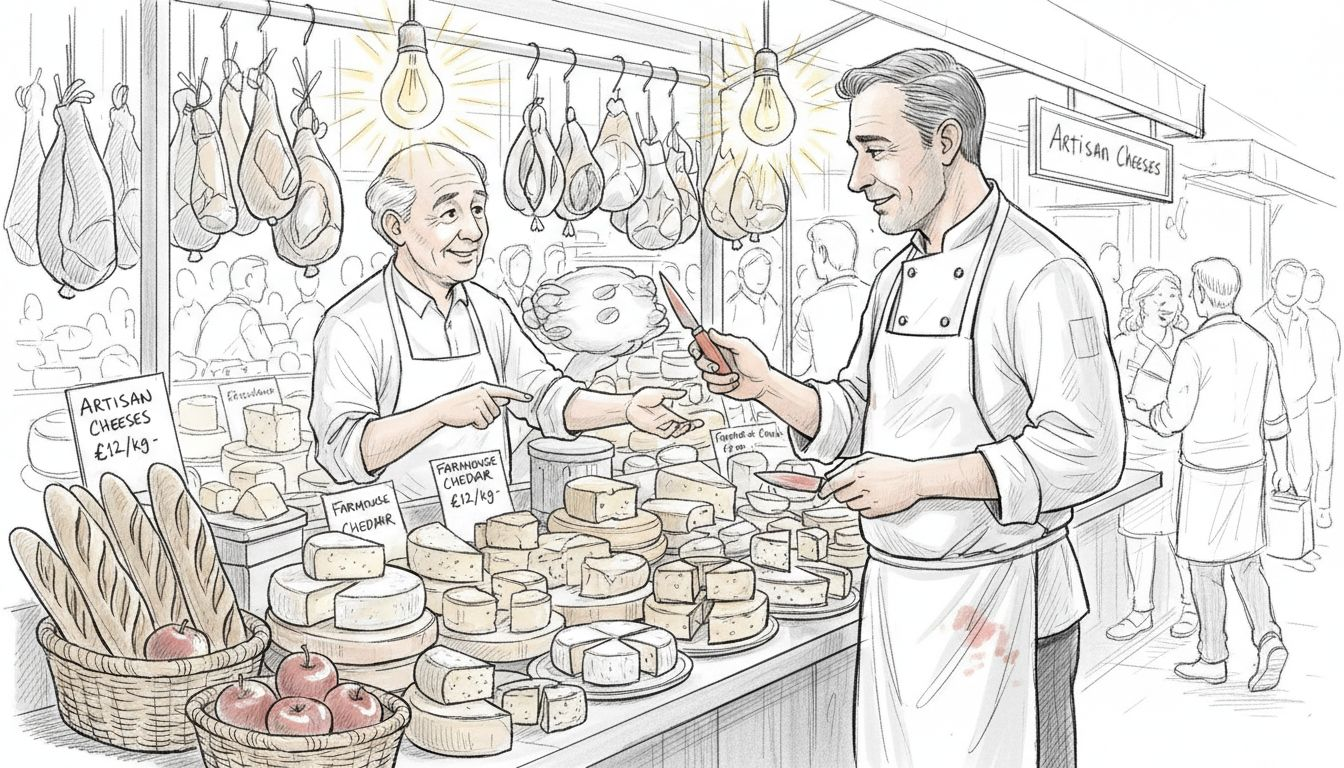
When Chef PJ leads a Paris tour, you’re tasting fromage from producers he’s worked with for years. When Chef Crestani guides you through Seville, those jamón ibérico slices come from suppliers chosen deliberately. Quality isn’t negotiable.
Genuine Social Connection
Memorable food tourism experiences depend on socialisation opportunities and interaction with locals. You’re not just eating. You’re connecting with people who live this food culture.
The best tours create space for real conversations. Your guide introduces you to market vendors, restaurant owners, or producers. These aren’t scripted interactions; they’re genuine encounters that reveal how locals truly think about food.
Cultural and Culinary Context
Why do Parisians revere their local fromagerie? Why does Seville’s sherry culture matter to Andalusian identity? Context transforms eating into understanding.
Memorable tours weave stories throughout. Your guide explains history, tradition, and the people behind dishes. You leave understanding not just what you ate, but why it matters to that place.
Personalised Attention
Small groups make this possible. Tours with 8–15 people allow guides to adjust pacing, skip venues if interest lags elsewhere, or linger when conversations get rich. Tours with 30 people cannot offer this flexibility.
Personalisation also means dietary needs are anticipated and accommodated, not treated as inconveniences.
Key features of memorable tours:
- High-quality, authentic ingredients sourced deliberately
- Genuine conversations with locals and producers
- Cultural storytelling explaining regional traditions
- Small group sizes enabling flexibility and attention
- Learning opportunities balanced with entertainment
- Unhurried pacing allowing time to absorb experiences
Entertainment Value Matters
Memorable experiences aren’t boring lectures about food history. They’re engaging, surprising, and occasionally fun. Your guide shares stories with humour. You visit unexpected venues. Tastings reveal new flavour combinations.
Entertainment and education blend seamlessly when a guide genuinely loves their work.
The difference between a forgettable tour and one you’ll discuss for years comes down to balancing food quality, human connection, cultural education, and personalised attention.
What Makes Guides Stand Out
Your guide makes or breaks the experience. The best guides aren’t just knowledgeable. They’re genuinely passionate about their city’s food culture. They’ve built relationships with local producers over years, not months.
Chef-led tours matter because working chefs understand technique, ingredient quality, and the effort behind seemingly simple dishes.
Pro tip: Before booking, verify the tour guide is a working chef or established food professional, check how long they’ve operated in their city, and read reviews mentioning personal connections and storytelling, not just food quality.
What Sets Chef-Led Experiences Apart
There’s a fundamental difference between a tour guided by someone trained to talk about food and one led by someone who spends their days creating it. Chef-led experiences occupy an entirely different category.
Expertise That Goes Beyond Commentary
A working chef understands food at a level most people never reach. They know why a particular knife technique matters, how temperature affects texture, and which producers maintain standards others have abandoned.
When Chef PJ leads you through Paris, he’s not reciting memorised facts. He’s sharing decades of professional experience. When Chef Crestani guides you in Seville, he understands sherry production from having worked with those techniques himself. This depth changes everything.
Authentic Relationships With Local Producers
Chef-led tours offer expert knowledge and deeper engagement with local gastronomy through genuine relationships built over years. Chef Karl Wilder isn’t getting Berlin introductions from a guidebook. He has actual friendships with producers, restaurant owners, and artisans.
These relationships mean access. You’ll visit places tourists cannot book independently. You’ll meet people who trust the chef enough to share stories and techniques they wouldn’t reveal to strangers.
Real Stories, Not Scripts
Non-chef guides follow itineraries. Chef guides follow curiosity. If conversation gets rich at one stop, they’ll linger. If a producer mentions something fascinating, they’ll explore it. Tours remain flexible because the guide genuinely cares about your experience, not checking boxes.
Stories come naturally because they’re personal. Chef PJ tells you why he chose specific vendors because he’s actually made those choices for his own kitchen. That authenticity resonates.
Understanding Quality at a Technical Level
Chefs recognise quality instantly. They taste a cheese and understand its production, aging, and why it pairs with certain foods. They spot technique in how a dish is prepared. This knowledge enriches everything you taste.
What separates chef-led experiences:
- Decades of professional experience shaping every recommendation
- Genuine relationships with local producers and artisans
- Flexible itineraries based on your interests and conversations
- Technical knowledge explaining the “why” behind food choices
- Honest assessment of quality without marketing influence
- Personal passion for their city’s culinary identity
Supporting Local Food Systems Authentically
Chefs understand that supporting local producers matters beyond tourism marketing. They’ve built their own kitchens around these suppliers. Your tour spending directly supports people and businesses the chef actually values.
This creates a virtuous cycle. Your spending funds producers. Those producers maintain standards. Standards preserve culinary traditions. Chef-led tours create genuine economic incentive to preserve authenticity.
Chef-led experiences differ fundamentally because the guide’s professional reputation depends on quality, not just tour completion. They’re invested in your satisfaction at a personal level.
Small Groups, Intentional Pacing
Chef-led tours typically remain small: 8 to 12 people maximum. This enables real conversation and flexibility. Larger groups require rigid schedules. Small groups allow the magic of spontaneous discovery.
Pro tip: When booking, verify the chef still actively cooks (even part-time), ask how long they’ve led tours in that city, and request references from recent travellers who mention unexpected discoveries or producer interactions.
Here is a summary of what distinguishes chef-led food tours from standard tours:
| Aspect | Chef-Led Tour | Standard Tour |
|---|---|---|
| Guide’s expertise | Professional chef or food expert | Tourism-trained guide |
| Local access | Direct producer introductions | Public venues only |
| Flexibility | Adapts to guest interests | Fixed itinerary |
| Quality control | Chef’s reputation on the line | Tour company standards |
| Learning depth | Technical culinary explanations | General overviews |
Cost, Value, and What to Avoid
Price matters. But the cheapest tour rarely delivers the best experience. Understanding what you’re paying for, and what constitutes genuine value, separates smart bookings from regrettable ones.
What Food Tours Actually Cost
Expect to spend £60–£150 per person for a quality 3-hour walking tour in major European cities. Paris, Seville, and Berlin sit within this range, depending on the venues included and whether tastings are substantial.
Some premium experiences run £150–£250, typically featuring Michelin-trained chefs or exclusive access to private dining. Budget options under £40 exist but often sacrifice quality and authenticity.
Understanding Price-Quality Trade-Offs
The value of food tourism depends on taste quality, price, emotional connection, and authentic cultural engagement. You’re not just paying for food. You’re paying for expertise, relationships, and access.
Higher prices typically reflect better-sourced ingredients, smaller groups, and guides with genuine professional credentials. Chef PJ’s Paris tours cost more than generic walking tours, but you’re accessing decades of culinary experience and relationships with producers.
Red Flags: What to Avoid
Avoid tours that:
- Use stock photography instead of real images of actual venues
- Promise “secret spots” but operate identical itineraries for dozens of daily tours
- Feature guides without clear credentials or food industry background
- Include massive group sizes (20+ people) without smaller sub-groups
- Offer suspiciously cheap prices with vague descriptions
- Lack recent, detailed customer reviews mentioning guide quality
- Show no commitment to dietary requirements or allergies
Questions to Ask Before Booking
When evaluating tours, ask directly:
- What are your guide’s professional qualifications?
- How long have you been leading tours in this city?
- Are venues fixed daily, or does the itinerary adjust based on conditions?
- What happens if I have dietary restrictions or allergies?
- How many people typically join each tour?
- Are tastings sample-sized or full servings?
- What’s included beyond food (beverages, tips, gratuity)?
Legitimate operators answer these transparently. Evasive responses suggest corners being cut.
Assessing True Value
True value emerges when cost aligns with quality, expertise, and authenticity. A £100 tour delivering genuine producer relationships, expert guidance, and unforgettable experiences offers better value than a £40 tour where you’re herded through tourist restaurants.
Research before booking helps avoid tours lacking authenticity or misaligned to your culinary interests. Read detailed reviews from North American and European travellers mentioning specific experiences, producer interactions, and whether guides showed genuine passion.
The best value tours aren’t necessarily the cheapest. They’re ones where price fairly reflects the expertise, access, and memorable experiences delivered.
What’s Included vs. Hidden Costs
Some tours include beverages and gratuities; others don’t. Some charge extra for wine pairings. Clarify what’s included before booking to avoid surprises.
Pro tip: Compare three tours in your target city, read at least five recent reviews per operator, and book with the one where reviewers mention unexpected discoveries or genuine producer conversations, not just food quality.
Discover Authentic Chef-Led Food Tours That Truly Matter
Choosing the right food tour is about more than just tasting great dishes. It is about connecting deeply with local chefs, authentic producers, and the rich culinary stories behind each bite. If you want to avoid the typical tourist traps and experience personalized, immersive food journeys led by passionate professionals, The Chef’s Tours offers exactly what you need. Whether wandering Paris with Chef PJ, exploring Seville’s sherry culture with Chef Crestani, or uncovering Berlin and Mexico City’s hidden gems alongside Chef Karl Wilder, you enjoy small groups, genuine relationships, and insider access that turn every tour into a memorable adventure.
Explore our carefully curated culinary destinations in The Chef Tour Cities – Explore Culinary Destinations and hear firsthand from delighted travellers in The Chef Tour Reviews | What Travelers Say. Take control of your next food experience by booking directly at https://thecheftours.com and ensure your tour includes expert guidance, authentic flavours, and unforgettable personal connections. Book now to secure your place with chefs who bring your food stories to life.
Frequently Asked Questions
What distinguishes an authentic food tour from a standard tour?
Authentic food tours focus on personal connections, local expertise, and cultural storytelling, differentiating them from standard tours that often lack depth and genuine interaction.
How long do most food tours typically last?
Most quality food tours last around 3 hours, allowing participants to explore a range of venues and experience the culinary culture of the area.
What should I look for in a food tour guide?
Seek guides with professional culinary backgrounds, preferably working chefs, and look for reviews highlighting their personal connections and storytelling abilities.
Are food tours suitable for specific dietary needs?
Many quality food tours can accommodate dietary restrictions and preferences, but it’s important to inquire about this when booking to ensure your needs will be met.