

Every passionate traveller dreams of tasting what truly defines Parisian cuisine, knowing that the city has long set the global standard for gourmet excellence. The rich history of Paris as the capital of France ensured that local chefs were at the forefront of refining and elevating culinary traditions, blending urban innovation with regional influences. During a chef-guided small-group tour, you’ll discover how haute cuisine emerged from centuries of royal patronage, technical mastery, and communal dining rituals, creating food experiences that connect you deeply to Parisian identity.
Table of Contents
- Defining Parisian Cuisine And Its Roots
- Key Traditions Shaping Dining Culture
- Signature Dishes And Local Ingredients Explained
- How Chef-Led Tours Enhance Authenticity
- Culinary Influence On Global Gourmet Travel
Key Takeaways
| Point | Details |
|---|---|
| Unique Culinary Identity | Parisian cuisine is shaped by historical, cultural, and regional influences, making it a distinct reflection of both aristocratic and rustic traditions. |
| Dining as Ritual | Meals in Paris are unhurried and emphasise social connection, contrasting with North American fast-paced eating habits. |
| Local Ingredients and Techniques | Signature dishes focus on quality ingredients and artisanal methods, showcasing the city’s culinary evolution. |
| Authenticity Through Guided Tours | Chef-led tours enhance the dining experience by providing insider knowledge and context, transforming meals into cultural explorations. |
Defining Parisian Cuisine and Its Roots
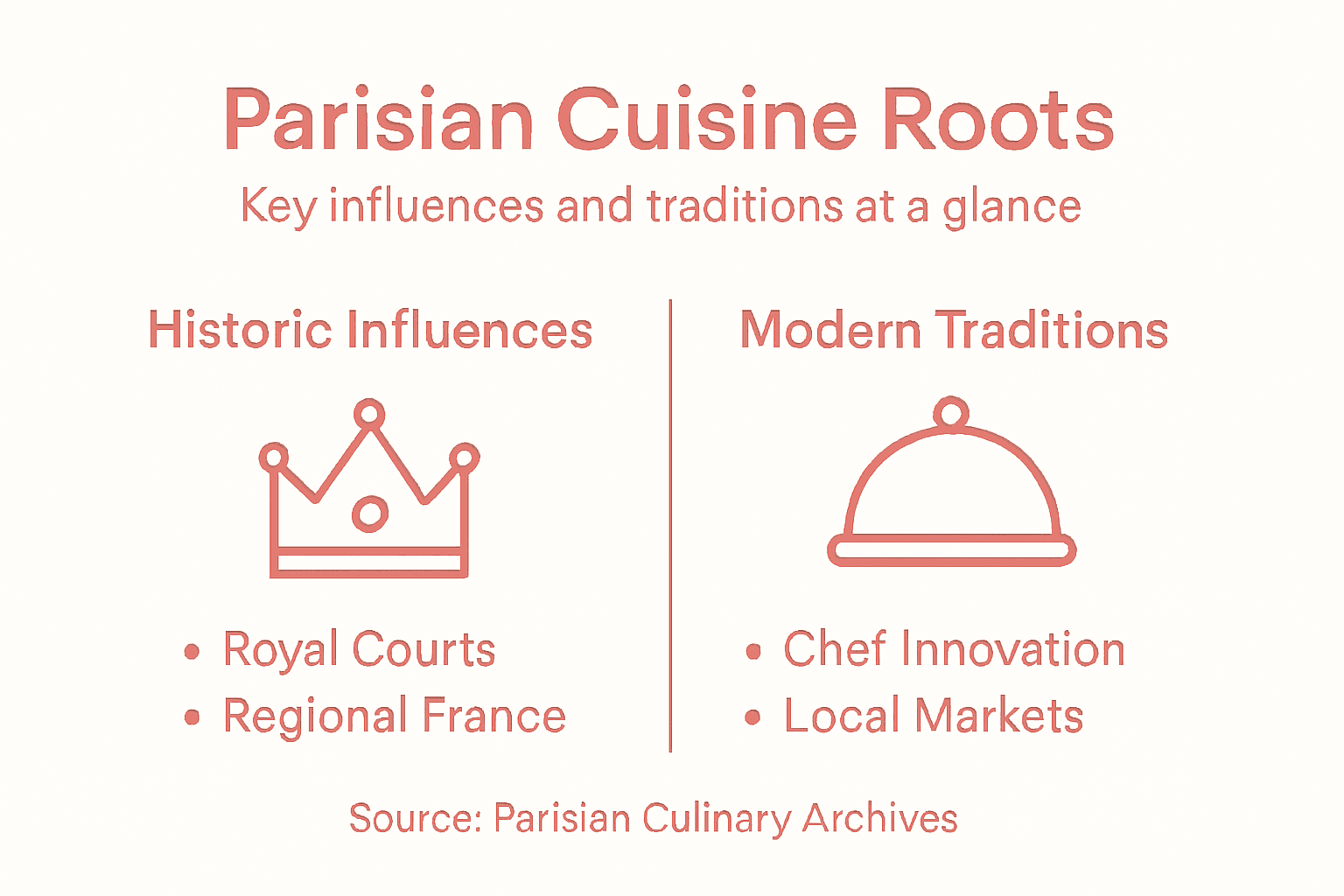
Parisian cuisine stands apart from other French regional cooking styles through its unique historical position and cultural significance. As the capital city and seat of royal power, Paris became the epicentre where French culinary traditions were refined, codified, and ultimately shaped into what the world now recognises as haute cuisine. This wasn’t accidental. The city’s concentration of wealth, talent, and cultural authority transformed it into the crucible where regional French ingredients and techniques were elevated into an art form.
The roots of Parisian cuisine trace back centuries, though the most transformative period occurred during the 17th and 18th centuries. Influential chefs modernised cooking methods through innovation and rigorous technique, particularly under the patronage of Louis XIV. These culinary architects didn’t simply cook; they systematised, documented, and professionalised every aspect of food preparation. What emerged was a deliberate construction of culinary identity that placed Paris at its centre.
It’s crucial to understand that Paris absorbed and refined regional influences from across France whilst simultaneously establishing itself as the arbiter of taste. French cuisine developed through medieval times and the Renaissance, drawing in new ingredients and techniques from neighbouring regions. Yet Paris filtered these influences through a distinctly urban, aristocratic lens. The city’s kitchens became laboratories for experimentation, where butter sauces, precise knife work, and ingredient quality became non-negotiable standards.
Class distinction shaped Parisian cuisine profoundly. What served on royal tables differed fundamentally from working-class bistro food, yet both fell under the Parisian umbrella. The wealthy enjoyed consommés and delicate sauces whilst ordinary Parisians created bold, flavourful dishes from humble ingredients. This class distinction actually strengthened Parisian culinary identity rather than splintering it. The city’s gastronomes eventually recognised that authentic Parisian cooking encompassed both extremes.
What makes Parisian cuisine distinctive today is precisely this historical synthesis. It reflects centuries of royal patronage, technical mastery, ingredient quality obsession, and the collision of refined and rustic traditions. When you taste Parisian food during a chef-led tour, you’re experiencing the culmination of this complex history. You’re sampling not just a meal but a system of cooking philosophy that elevated food to cultural expression.
Conseil pro: When booking a culinary tour in Paris, ask your chef guide specifically about how dishes reflect the historical evolution of the city’s cuisine rather than treating them as isolated creations.
Key Traditions Shaping Dining Culture
Parisian dining culture operates on principles fundamentally different from North American eating habits. In Paris, a meal isn’t simply fuel or a quick checkbox on your daily agenda. It’s a deliberate ritual where time stretches, conversation flows freely, and the act of eating takes centre stage. This philosophy shapes everything about how Parisians approach food, from restaurant etiquette to home dining practices.
The concept of unhurried eating defines Parisian tradition. Mealtime emphasises enjoyment and social connection without rushed service or arbitrary time limits. A three-course lunch might stretch across ninety minutes. Diners linger over wine and conversation after the meal concludes. Restaurants never hurry customers toward the door. This patience reflects deeper values about prioritising quality time and human connection over efficiency.
For North American culinary travellers, this represents a significant cultural shift. You’re accustomed to optimised dining where servers refill water glasses strategically and the bill arrives promptly. Parisian restaurants operate differently entirely. Waitstaff position themselves nearby but never intrude. You signal when ready for the next course. The rhythm belongs to diners, not the restaurant’s profit margins.
This tradition extends beyond timing into actual food preparation and enjoyment. Parisians tend to favour modest portion sizes paired with quality ingredients over abundance. A small plate of perfectly aged cheese receives more attention than a heaped bowl. This approach demands slower eating, deliberate tasting, and genuine appreciation for what’s served.
Family meals reinforce these cultural values across generations. Children grow up understanding that dining represents connection and cultural continuity. Meals happen at tables without distraction. Screens disappear. Conversation dominates. This foundation explains why Parisians maintain such distinctive eating habits regardless of modern pressures toward speed and convenience.
When you book a chef-led culinary tour, you’re not simply sampling dishes. You’re entering spaces where these centuries-old traditions remain alive and practised daily. Your guide will navigate you through restaurants and bistros where this philosophy isn’t marketing language but actual operating principle.
Here’s how Parisian dining traditions contrast with North American habits:
| Aspect | Parisian Dining Tradition | North American Dining Habit |
|---|---|---|
| Pace of Meal | Leisurely, extended | Quick, efficiency-focused |
| Role of Conversation | Central to the experience | Often secondary |
| Course Timing | Diners set the rhythm | Server-driven progression |
| Portion Size | Modest, ingredient-led | Larger, emphasis on abundance |
| Use of Technology | Screens are avoided | Devices commonly present |
Insider tip: Abandon your timeline expectations during meals and allow the natural pace of Parisian dining to unfold; request a table for longer durations when booking, and let your chef guide direct the experience rather than rushing between courses.
Signature Dishes and Local Ingredients Explained
Parisian signature dishes tell the story of the city’s culinary evolution through centuries of refinement. These aren’t random creations but deliberate expressions of how Parisians combine quality ingredients with time-honoured techniques. When you encounter these dishes during a chef-led tour, you’re tasting edible history.
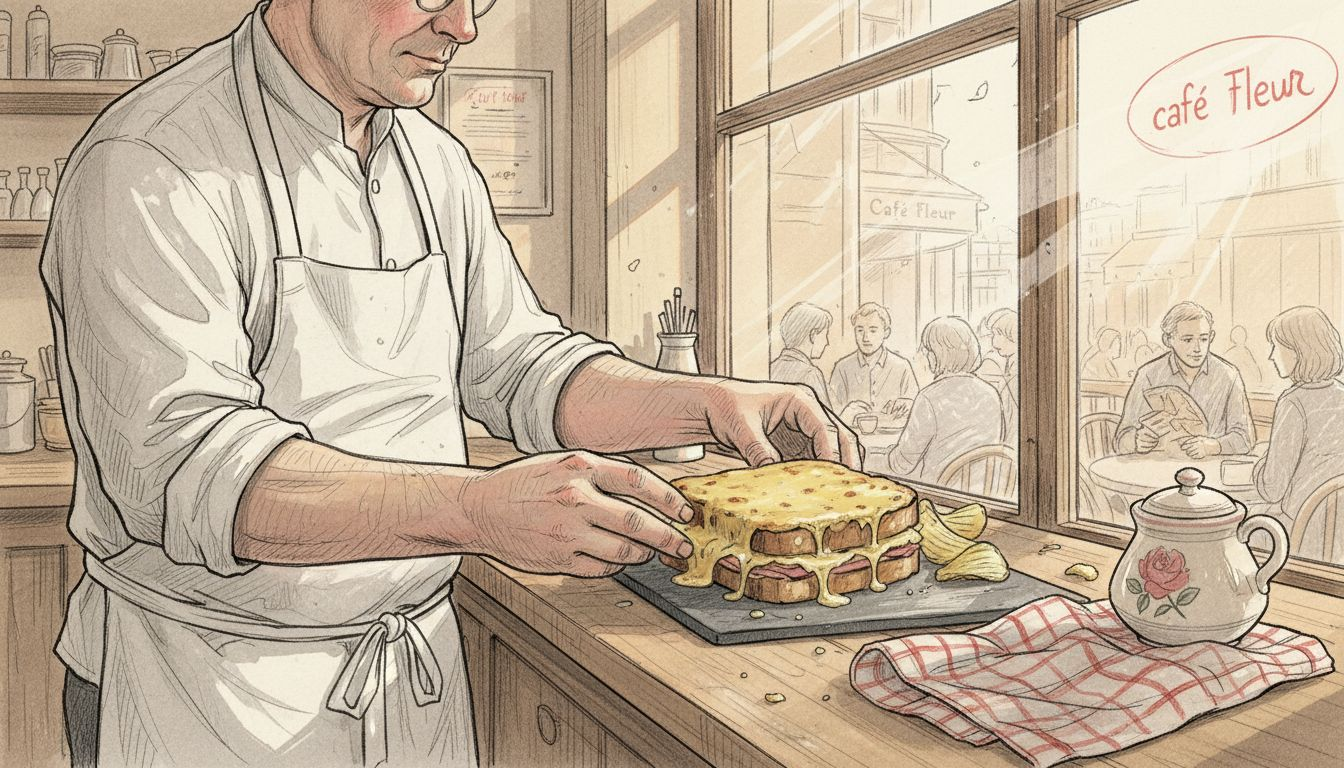
Consider the Croque-monsieur, one of Paris’s most recognisable sandwiches. Grilled ham and cheese layered with béchamel sauce might sound simple, yet its mastery lies in execution. The bread must achieve perfect golden crispness whilst the interior stays creamy. Signature Parisian food emphasises quality and artisanal ingredients refined through centuries of technique. This single sandwich encapsulates the Parisian philosophy of taking humble components and elevating them through precision and care.
Onion soup, known locally as Gratinée des Halles, demonstrates how Parisians transform everyday vegetables into something extraordinary. Slow-caramelised onions develop deep sweetness, then simmer in rich beef stock. A crusty bread slice topped with melted Gruyère cheese crowns the bowl. The dish emerged from market vendors and working-class bistros, yet it represents genuine culinary sophistication achieved through patience rather than complexity.
Iconic Parisian dishes reflect the city’s historical culinary evolution and local ingredient use, including beef, poultry, vegetables, and artisan cheeses. Escargots de Bourgogne showcase butter’s starring role in Parisian cooking. Matelote d’anguille reveals how wine transforms a humble ingredient into something elegant. Each dish carries geographic specificity and seasonal awareness.
Local ingredients anchor Parisian cuisine to place and time. Butter from Normandy arrives daily in restaurant kitchens. Seasonal produce dominates menus. Artisan cheeses change with the calendar. Your chef guide will explain how ingredient availability determines what appears on plates during your visit. This terroir consciousness remains foreign to many North American diners accustomed to year-round ingredient uniformity.
The beauty of experiencing these dishes through a curated tour means understanding their context. Your guide explains the historical moment that birthed a particular recipe. You taste it in its proper environment, served by people who understand its significance.
Here is a summary of classic Parisian dishes, their origins, and signature local ingredients:
| Dish | Historical Origin | Key Local Ingredient |
|---|---|---|
| Croque-monsieur | Early 20th-century cafes | Artisanal cheese |
| Gratinée des Halles (Onion Soup) | Market bistros | Caramelised onions |
| Escargots de Bourgogne | Imported regional dish | Normandy butter |
| Matelote d’anguille | River cuisine influence | White wine |
| Selection of local cheeses | Parisian markets | Seasonal dairy |
Insider tip: Ask your chef guide to explain the specific ingredients sourced that morning and how seasonality affects dish preparation, then notice how this awareness changes your experience of eating.
How Chef-Led Tours Enhance Authenticity
A self-guided walking tour through Paris might lead you to famous restaurants and popular bistros. Yet you’ll experience them as a tourist, not as an insider. Chef-led tours fundamentally change this dynamic by inserting genuine expertise and local knowledge into every stop along the way. Your guide isn’t simply pointing out landmarks; they’re revealing why specific venues matter and how they fit into Paris’s broader culinary narrative.
When a chef leads you through a neighbourhood, they’re operating from lived experience rather than tourist guidebooks. They know the owner of a family-run fromagerie because they’ve sourced cheese there for years. They understand which bistro serves traditional dishes correctly and which ones cater purely to visitor expectations. The role of chefs as guides elevates culinary tours beyond simple restaurant visits into genuine cultural immersion.
Authenticity emerges through context and storytelling. A chef explains how a particular sauce developed during post-war rationing and why it remains on menus today. They introduce you to restaurant owners and kitchen staff who share their personal connections to dishes. These human connections transform eating from consumption into conversation. You’re not simply tasting food; you’re hearing its history directly from people who understand it deeply.
Small-group tours create intimate settings where meaningful exchange happens naturally. Large tourist groups create barriers to authentic interaction. Your chef guide manages group size deliberately, positioning you in spaces where genuine dialogue becomes possible. Restaurant staff respond differently to small groups of engaged diners than to anonymous crowds rushing through.
Chefs also navigate hidden venues that standard tourism simply doesn’t reach. A neighbourhood wine bar that doesn’t advertise might become your lunch spot. A family-run restaurant without an English menu suddenly makes sense because your guide translates and explains. These venues remain authentically Parisian precisely because they haven’t been packaged for tourists.
The difference between observing Parisian cuisine and experiencing it lies entirely in who guides you through that experience. A chef transforms it from passive tourism into active cultural participation.
Insider tip: Ask your chef guide before the tour which venues they personally frequent when dining off-duty, as these recommendations reveal where genuine Parisian culinary culture actually happens.
Culinary Influence on Global Gourmet Travel
Parisian cuisine shaped how the world understands fine dining. This wasn’t accidental influence but deliberate cultural export spanning centuries. When you travel to Paris for a culinary experience, you’re participating in something far larger than a personal food adventure. You’re engaging with a culinary tradition that fundamentally altered global gastronomic standards and continues to influence how millions of people eat and think about food.
French gastronomy functioned as a cultural, political, and economic symbol on the global stage, extending influence through diplomatic channels and culinary arts. French techniques, standards, and philosophy disseminated worldwide, establishing Parisian cuisine as the benchmark for fine dining. Restaurants globally still follow French culinary methods. Chefs still train using French terminology. Menus still reference French preparations. This dominance didn’t happen randomly but resulted from centuries of systematic cultural promotion.
Paris functioned as the culinary capital precisely because France invested in creating that perception. Culinary schools like Le Cordon Bleu and exports of iconic foods shaped Parisian cuisine’s global influence. These institutions exported not just recipes but entire systems of thinking about food preparation, presentation, and dining etiquette. When you learn to cook via French methods, you’re learning structures developed in Parisian kitchens.
Food tourism itself emerged largely because of Paris’s culinary prestige. Wealthy travellers visited Paris specifically to experience dining culture. They encountered sophisticated cuisine, brought those experiences home, and demanded similar standards. This created demand for chef-led culinary tours globally. Other cities now position themselves as culinary destinations partly because Paris demonstrated the economic and cultural value of gastronomy.
For North American travellers, understanding this global influence reframes your Paris visit. You’re not simply eating. You’re visiting the source of culinary standards you’ve absorbed your entire life. You’re experiencing firsthand how Paris maintains its position as culinary innovator. You’re tasting the traditions that influenced kitchens across your home continent.
This context transforms casual dining into cultural pilgrimage. Every restaurant visit becomes an encounter with living history.
Insider tip: Research which dishes or techniques your favourite restaurants at home use, then ask your Paris chef guide to show you their original Parisian versions to see how global culinary evolution actually happened.
Experience the True Essence of Parisian Cuisine with Expert Chef-Led Tours
The article highlights a common challenge faced by culinary travellers: how to genuinely connect with Parisian cuisine beyond surface-level tasting. Key pain points include the difficulty in understanding the rich historical roots, savoring authentic signature dishes in their cultural context, and embracing the leisurely Parisian dining traditions that differ greatly from rushed, transactional meals. If you seek authenticity, insider knowledge, and a deeper appreciation of Parisian food culture, The Chef’s Tours is your ideal solution.
Join Chef PJ and his expert guides for an exclusive journey through Paris that brings history, tradition, and local ingredients vividly to life. Our small-group tours reveal hidden restaurants, artisan shops, and secret bars where every dish tells a story. We offer personalised experiences tailored to your pace, allowing you to embrace the unhurried dining philosophy that defines the city. See why travellers who value cultural immersion trust us for the best Parisian cuisine discovery.
Ready to transform your culinary travel into an unforgettable cultural experience? Explore what makes Parisian cuisine truly matter by booking one of our chef-led tours today.
Discover more about our expert guides and destinations on The Chef Tour Cities – Explore Culinary Destinations. Hear from fellow travellers about their immersive experiences at The Chef Tour Reviews | What Travelers Say. Start your authentic food journey now at The Chef’s Tours.
Frequently Asked Questions
What is the significance of Parisian cuisine in culinary travel?
Parisian cuisine is significant because it represents the culmination of centuries of culinary evolution shaped by historical, cultural, and social influences, making it a key experience for culinary travellers.
How does Parisian dining culture differ from North American eating habits?
Parisian dining culture emphasises leisurely mealtimes that focus on enjoyment and conversation, contrasting with North American habits that prioritise efficiency and speed in dining.
What are some signature dishes that represent Parisian cuisine?
Signature dishes such as Croque-monsieur, Gratinée des Halles (onion soup), and Escargots de Bourgogne reflect the historical evolution of Parisian cuisine through their use of quality ingredients and traditional preparation methods.
How can a chef-led culinary tour enhance the experience of Parisian cuisine?
A chef-led culinary tour provides authenticity by offering insights from experienced chefs who share their knowledge of the history and context of dishes, transforming dining into an immersive cultural experience.
Recommended
- What Is Parisian Cuisine? Authentic Flavours Revealed
- Secrets of Parisian Dining: Unlocking Local Flavours
- Why Parisian Cuisine Appeals to Groups
- Travel Hacks for Paris: Unlock Exclusive Foodie Experiences
- Wander the Enchanting Streets of Paris: A Journey Through History, Art, and Cuisine – PilotTravelDeals.com
- Strawberries in Champagne: Elevating Luxury Events