

Most travelers think wine tasting tours are about drinking fine wines, but 75% of tourists prioritize cultural learning over alcohol tasting. Wine tasting tours in cities like Paris, Seville, and Berlin connect you with local heritage and cuisine through sensory experiences guided by expert chefs. This article reveals how exclusive, chef-led wine tastings transform culinary tours into immersive cultural journeys that create lasting memories.
Table of Contents
- Introduction To Wine Tasting In Culinary Tours
- Cultural Role Of Wine Tasting In Tours
- Chef’s Role In Wine Tasting Tours
- Regional Wine Tasting Characteristics: Paris, Seville, And Berlin
- Common Misconceptions About Wine Tasting In Tours
- Integration Of Wine Tasting In Broader Culinary Tours
- Choosing Exclusive Wine Tasting Experiences: Practical Tips
- Conclusion: Transforming Culinary Tours Through Wine Tasting
- Discover Exclusive Chef-Led Wine Tasting Tours Today
Key Takeaways
| Point | Details |
|---|---|
| Cultural Gateway | Wine tasting immerses you in local traditions, not just drinking |
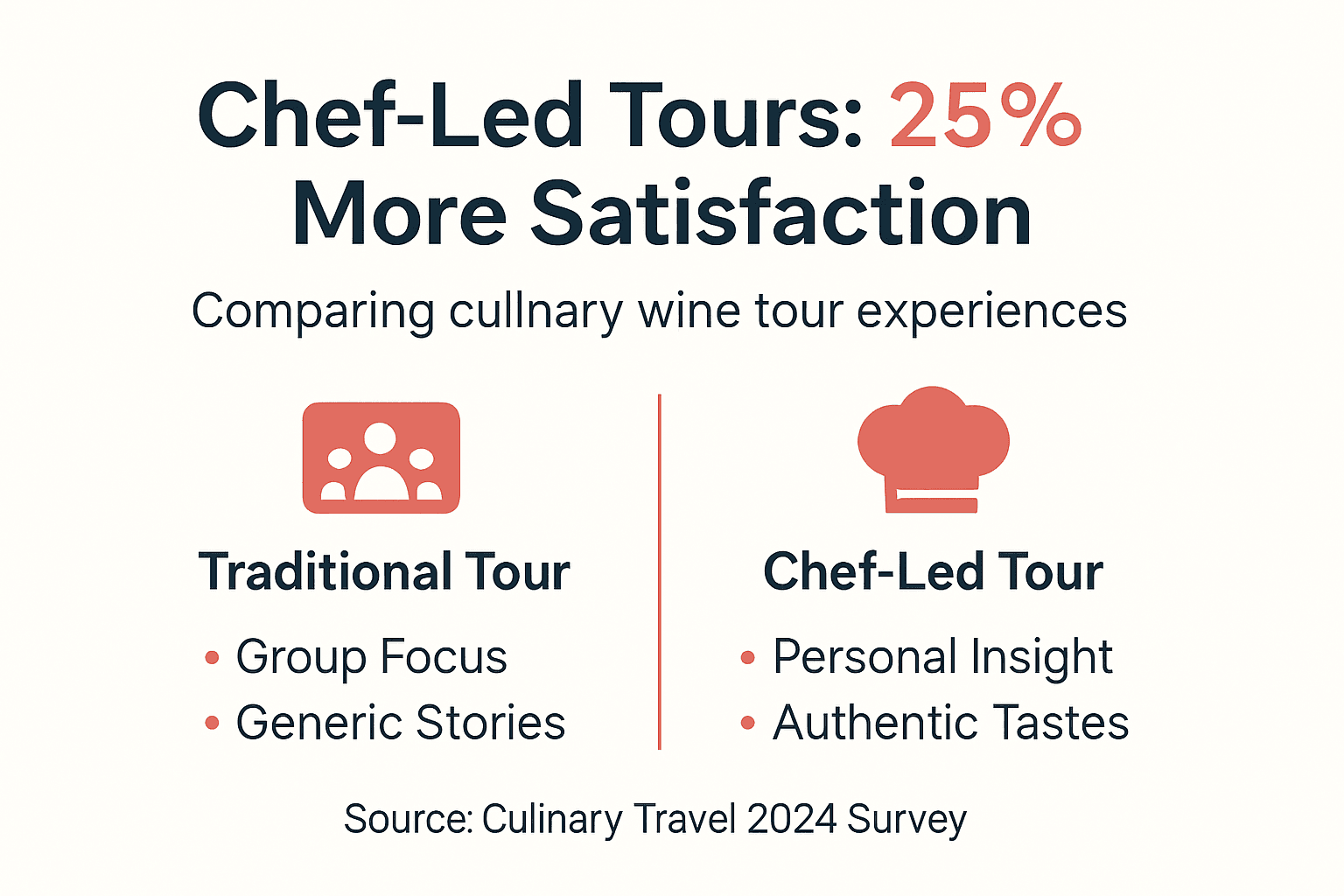
| Chef Advantage | Chef-led tours boost satisfaction by 25% with personalized stories |
| Regional Diversity | Paris, Seville, and Berlin offer distinct wine traditions |
| Exclusive Access | Small-group tastings foster deeper connections and learning |
| Selection Criteria | Choose tours featuring local chefs and authentic pairings |
Introduction to Wine Tasting in Culinary Tours
Wine tasting enriches culinary tours by engaging multiple senses while revealing cultural narratives. You experience flavors, aromas, and textures that tell stories about local landscapes and traditions. Historical ties between wine and food shape tasting traditions in Paris, Seville, and Berlin, each city offering distinct regional varieties paired with signature dishes.
Exclusive trends focus on personalized, chef-led experiences that highlight cultural heritage rather than generic group tastings. These intimate sessions allow you to ask questions, hear personal stories, and understand how geography influences wine production. Each city’s unique wine varieties connect deeply to regional identity, from Parisian Bordeaux to Sevillian sherry.
The best cultural food experience examples integrate wine as a storytelling device. Paris showcases centuries-old wine traditions paired with artisanal cheeses. Seville highlights Andalusian sherry culture through tapas pairings. Berlin presents an emerging urban wine scene shaped by diverse cultural influences.
Consider these essential elements when exploring wine tastings:
- Sensory engagement connects taste, smell, and sight to cultural context
- Historical narratives link wine production to regional food traditions
- Chef-led guidance transforms tasting into educational immersion
- Small-group settings enable personalized interaction and discovery
Travelers seeking authentic experiences find Seville walking wine tours particularly rewarding. These tours combine neighborhood exploration with carefully selected wine stops, revealing how local culture shapes drinking traditions. You learn about regional grape varieties, production methods, and the social rituals surrounding wine consumption in Spanish culture.
Cultural Role of Wine Tasting in Tours
Wine tasting fosters deeper connection with terroir and regional identity, transforming tourism into cultural education. You connect emotionally and intellectually to local landscapes when understanding how soil, climate, and tradition influence each vintage. This geographic awareness creates appreciation beyond taste alone.
The terroir concept enables you to grasp how environmental factors shape wine characteristics. A Parisian Burgundy tastes different from a Spanish Rioja because of distinct growing conditions, harvest traditions, and winemaking philosophies. This knowledge deepens your respect for local agricultural heritage and the generations of producers who refined their craft.
Wine acts as a narrative device unlocking stories of local culture and tradition. Each bottle represents historical events, family legacies, and regional pride. When you taste wine in its place of origin, you experience these stories firsthand rather than reading about them.
Key cultural dimensions include:
- Geographic identity expressed through unique flavor profiles
- Historical continuity connecting past traditions to present practices
- Social rituals defining how communities gather and celebrate
- Economic significance supporting local families and regions
Data shows cultural connection scores rise significantly when wine tasting integrates into food tours. You remember experiences where wine enhanced understanding of place, not just meals where you happened to drink. This emotional engagement creates lasting memories and motivates deeper exploration of regional culture.
“Wine tasting transforms passive consumption into active cultural participation, allowing travelers to taste history and tradition in every glass.”
Understanding terroir also means appreciating sustainability and land stewardship. Many European wine regions practice generations-old methods protecting soil health and biodiversity. Learning these practices during tastings connects you to environmental values embedded in local culture.
Chef’s Role in Wine Tasting Tours
Local chefs personalize tours with stories linking wine to recipes and heritage that generic guides cannot provide. They share how specific wines complement traditional dishes, explaining flavor chemistry and cultural pairings passed through generations. This expertise bridges sensory experience with cultural context for deeper appreciation.
Chef-led wine tasting tours generate 25% higher satisfaction ratings than standard tours because of authentic storytelling and personalized attention. Chefs know producers personally, visit vineyards regularly, and understand regional wine evolution. They translate complex wine knowledge into accessible narratives that enhance your enjoyment without overwhelming you.
Chef narratives enhance emotional engagement by revealing personal connections to wine traditions. You hear about childhood memories, family recipes, and local celebrations where specific wines play central roles. These stories transform tastings into intimate cultural exchanges rather than transactional experiences.
Smaller, chef-led groups enable personalized interaction impossible in large tours. You ask specific questions, request recommendations matching your palate, and explore topics interesting you most. This flexibility creates customized experiences addressing your curiosity and preferences.
Consider these chef advantages:
- Professional relationships with local producers ensure exclusive access
- Culinary expertise enables sophisticated food and wine pairing demonstrations
- Personal storytelling creates emotional connections to places and traditions
- Adaptability allows real-time adjustments based on group interests
The role of chefs in food tourism extends beyond guiding to cultural ambassadorship. They interpret local traditions for international visitors while maintaining authenticity and respect. Understanding food pairing in chef tours reveals how professionals select combinations highlighting both wine and food qualities.
Pro Tip: Ask your chef guide about their personal favorite wine and the story behind it. These recommendations often lead to the most memorable and authentic tasting experiences.
Chefs also teach you how they select authentic dishes and wines representing regional identity. You learn evaluation criteria distinguishing genuine local products from tourist-focused imitations. This education empowers you to make informed choices during independent explorations.
Regional Wine Tasting Characteristics: Paris, Seville, and Berlin
Paris focuses on classical appellations and cheese pairings, showcasing centuries of French wine refinement. You explore Bordeaux, Burgundy, and Champagne varieties paired with regional cheeses like Comté and Camembert. Parisian tastings emphasize terroir appreciation and traditional winemaking methods preserving historical character.
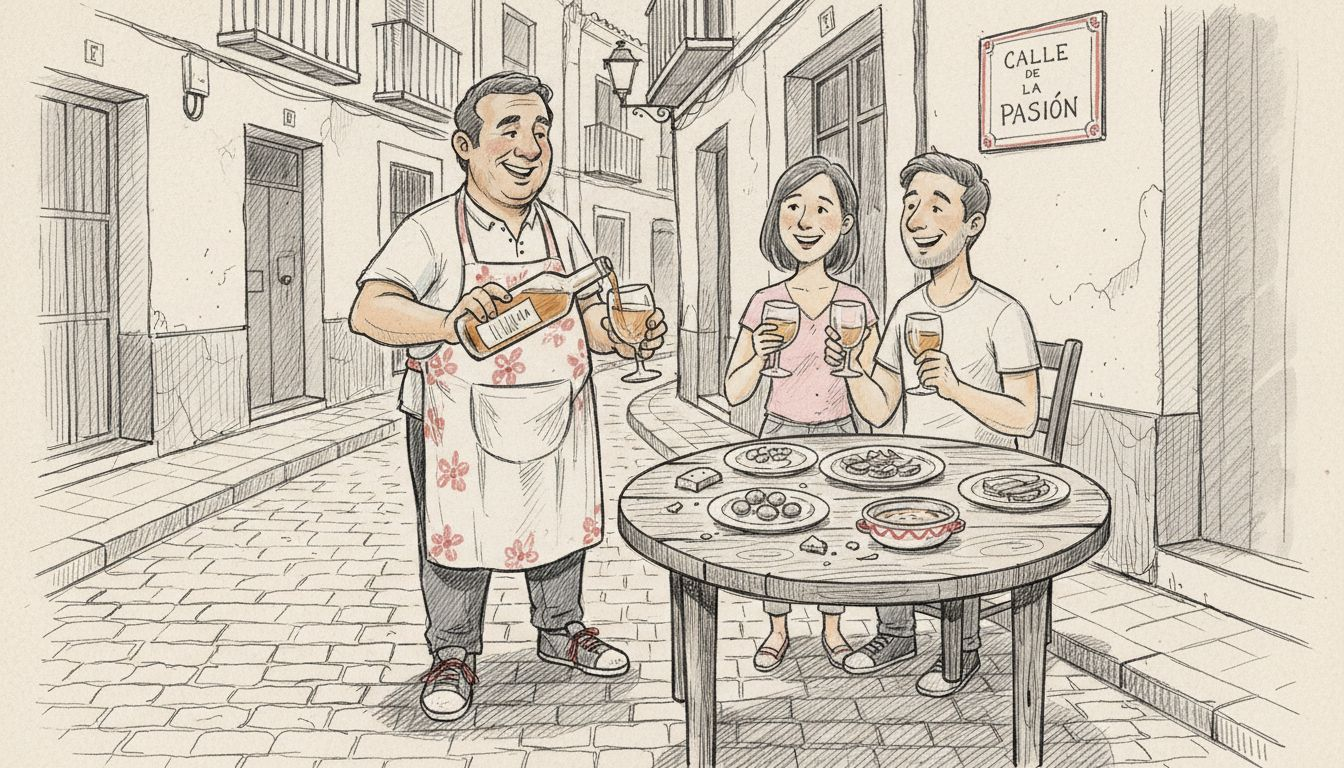
Seville emphasizes sherry varieties and tapas reflecting Andalusian culture and social dining traditions. You discover fino, manzanilla, and oloroso sherries paired with jamón ibérico, olives, and seafood. These tastings occur in historic bodegas where families produced sherry for generations, creating atmospheric immersion in Spanish wine culture.
Berlin showcases an emerging wine scene shaped by urban trends and diverse immigrant influences. You taste German Rieslings alongside international varieties while exploring multicultural neighborhoods. Berlin’s wine culture reflects contemporary experimentation rather than centuries-old tradition, appealing to travelers seeking modern culinary innovation.
| City | Wine Focus | Signature Pairings | Cultural Context |
|---|---|---|---|
| Paris | Classical French appellations | Artisanal cheeses, charcuterie | Centuries of refined tradition |
| Seville | Andalusian sherry varieties | Tapas, jamón, seafood | Social dining rituals |
| Berlin | Urban German and international wines | Multicultural dishes | Contemporary innovation |
Understanding these distinctions helps you choose culturally immersive tastings matching your interests. Paris offers tradition and refinement for wine enthusiasts appreciating historical depth. Seville provides vibrant social experiences connecting wine to communal dining culture. Berlin attracts travelers curious about modern fusion and emerging trends.
Each city’s wine traditions reflect broader culinary philosophies:
- Parisian tastings emphasize quality, pedigree, and meticulous production
- Sevillian experiences prioritize social connection and festive atmosphere
- Berlin sessions explore diversity, experimentation, and cultural fusion
Exploring regional wine tasting in culinary tours reveals how geography, climate, and culture intersect. Paris benefits from proximity to renowned wine regions, enabling fresh exploration of prestigious vineyards. Seville’s coastal location and warm climate create ideal conditions for fortified wines. Berlin’s continental climate supports crisp white wines complementing the city’s evolving food scene.
Common Misconceptions About Wine Tasting in Tours
Myth 1: Wine tasting tours focus mainly on alcohol consumption. Reality shows cultural learning prevails, with most participants seeking knowledge about production methods, regional traditions, and food pairings. You gain historical context and geographic understanding alongside sensory enjoyment.
Myth 2: All tours offer similar experiences. Truth is chef involvement and personalization distinguish exceptional tours from mediocre ones. Generic tastings provide basic information while chef-led experiences deliver insider access, storytelling, and customized attention addressing your specific interests.
Myth 3: Larger groups provide better value through lower prices. Actually, small groups outperform large ones in authenticity and educational value because you receive personalized attention and ask detailed questions. Intimate settings foster meaningful conversations impossible when competing for guide attention with dozens of other tourists.
Choosing tours with cultural depth and local chefs leads to richer experiences worth premium pricing. You remember personal interactions and unique insights rather than generic facts delivered to crowds. Investment in quality experiences provides lasting value through memories and knowledge.
Additional misconceptions to avoid:
- Expensive wines guarantee better experiences (story and context matter more)
- Wine expertise is required to enjoy tastings (guides adapt to all knowledge levels)
- Tastings are only for serious wine enthusiasts (casual learners benefit equally)
- All regions offer equivalent cultural immersion (local connections vary significantly)
Pro Tip: Research tour group sizes before booking. Tours with six to ten participants typically offer the best balance of social energy and personal attention.
Finding authentic local food tours requires evaluating several factors beyond price. Look for chef credentials, participant reviews mentioning educational value, and detailed itineraries specifying wine producers and tasting locations. Transparency about tour composition indicates commitment to quality and authenticity.
Integration of Wine Tasting in Broader Culinary Tours
Wine tastings add complexity and highlight flavors in paired foods through contrasting and complementary interactions. You discover how acidic wines cut through rich dishes, how tannins balance fatty meats, and how sweet wines enhance desserts. These sensory lessons deepen appreciation for both wine and cuisine.
Combined wine and food tours improve sensory contrast and boost overall satisfaction ratings compared to food-only tours. Integration creates multidimensional experiences engaging taste, smell, sight, and touch simultaneously. You remember meals where wine elevated food flavors more vividly than standalone dining experiences.
Exclusive, small-group wine tastings create relaxed, engaging atmospheres encouraging questions and exploration. You feel comfortable admitting knowledge gaps and requesting explanations without judgment. This psychological safety enables authentic learning and experimentation with unfamiliar varieties.
Integrated tours see higher tourist satisfaction and emotional engagement because wine serves as conversational catalyst. Shared tasting experiences bond groups through collective discovery and sensory reactions. You connect with fellow travelers over flavor preferences and cultural observations.
Key integration benefits:
- Enhanced flavor perception through strategic wine and food pairing
- Educational continuity linking production methods to culinary traditions
- Social bonding through shared sensory experiences
- Memorable moments created by multi-sensory engagement
Wine tasting serves as an educational bridge enriching the entire culinary journey by connecting agriculture, history, culture, and gastronomy. You understand how regional ingredients and cooking methods developed alongside local wine production. This holistic perspective transforms separate experiences into coherent cultural narratives.
Explore culinary tasting adventures offering integrated wine experiences. These tours sequence tastings strategically throughout the itinerary, using wine to transition between neighborhoods, highlight specific dishes, and punctuate cultural storytelling. Well-designed integration feels natural rather than forced or excessive.
Choosing Exclusive Wine Tasting Experiences: Practical Tips
Prioritize tours with small, exclusive groups for personal attention and authenticity that large operations cannot provide. Groups of six to ten participants allow meaningful interaction with guides while maintaining social energy. You receive customized recommendations and detailed answers to specific questions.
Seek experiences featuring local chefs who provide storytelling and cultural insights connecting wine to place. Chef involvement drives satisfaction because professionals interpret regional traditions accessibly while maintaining depth and authenticity. Their personal relationships with producers ensure exclusive access and insider perspectives.
Evaluate tours based on integration of regional wines paired with local cuisine rather than international selections lacking cultural context. Authentic experiences showcase wines produced near tour locations paired with traditional dishes highlighting regional flavors. This geographic specificity creates coherent narratives linking land, production, and consumption.
Avoid large, generic tastings lacking cultural context and personalization. These operations prioritize volume over quality, resulting in rushed experiences with minimal educational value. You leave with surface-level knowledge rather than meaningful understanding of local wine culture.
Check for reviews highlighting educational value and emotional engagement rather than just entertainment. Travelers describing personal connections, memorable stories, and newfound appreciation indicate tours delivering cultural immersion. Look for specific examples of guide knowledge and participant interaction quality.
Selection checklist:
- Verify small group sizes (typically six to ten participants maximum)
- Confirm local chef or expert guide leads the experience
- Review wine and food pairing specificity to the region
- Assess itinerary transparency and producer information
- Evaluate reviews for educational and emotional content
Pro Tip: Contact tour operators directly to ask about guide backgrounds and producer relationships. Their responses reveal commitment to authenticity and depth.
Understanding how to choose a tour involves balancing multiple factors including group size, guide expertise, itinerary specificity, and participant reviews. Prioritize tours clearly articulating their cultural and educational value rather than focusing solely on wine quantity or prestige.
Recognize that benefits of chef-led tours extend beyond wine knowledge to include insider access, personalized storytelling, and authentic cultural exchange. These elements transform standard tastings into transformative experiences you remember long after returning home.
Conclusion: Transforming Culinary Tours Through Wine Tasting
Wine tasting elevates culinary tours beyond sensory pleasure to meaningful cultural immersion connecting you with local traditions, histories, and identities. You gain appreciation for geographic influences, production methods, and social rituals surrounding wine consumption. These insights create lasting memories and deeper understanding of regional culture.
Chef-led, exclusive tastings foster personal connections to local wine, food, and history impossible in large generic tours. Professional guides share insider knowledge, family stories, and cultural context transforming wine from beverage to narrative device. Small groups enable questions, customization, and authentic interaction.
Informed selection of tours empowers you to create unforgettable, authentic experiences worth the investment. Prioritizing chef expertise, small group sizes, and regional authenticity ensures cultural immersion rather than superficial entertainment. You return home with knowledge, appreciation, and memories enriching your perspective.
Choosing culturally rich wine tastings transforms typical tourism into lifelong memories by engaging emotions, intellect, and senses simultaneously. These experiences become reference points for understanding culture, appreciating quality, and seeking authenticity in future travels.
Discover Exclusive Chef-Led Wine Tasting Tours Today
Ready to transform your next culinary journey? Explore handpicked, chef-led food tours offering immersive wine tasting experiences in iconic cities. Small-group exclusive tastings bring wine and cuisine stories to life through personal connections with local chefs.
Discover the best food tours in Paris with Chef PJ, revealing hidden wine bars and artisanal producers. Experience Seville’s sherry culture with Chef Crestani through intimate bodega visits. Explore Berlin’s emerging wine scene with Chef Karl Wilder, discovering multicultural influences shaping contemporary German wine culture. Book now to savor authentic local flavors and create unforgettable memories through culinary experiences to try that connect you deeply with regional traditions.
Frequently Asked Questions
What makes chef-led wine tasting tours more satisfying for culinary travelers?
Chefs provide personalized storytelling linking wine to local culture and cuisine through professional expertise and insider relationships. They tailor pairings enhancing sensory and emotional experiences based on your preferences and interests. Small groups foster meaningful interaction, deepening learning and enjoyment impossible in large generic tours. Chef credentials and producer connections ensure authentic access to exclusive venues and rare varieties.
How do wine tasting traditions differ among Paris, Seville, and Berlin?
Paris highlights classical appellations with cheese pairings emphasizing centuries of refined French winemaking tradition. Seville focuses on sherry wines paired with tapas, reflecting Andalusian social dining culture and fortified wine heritage. Berlin features a young, diverse urban wine scene influenced by immigrant communities and contemporary culinary experimentation.
What should I consider when choosing an exclusive wine tasting tour?
Look for small group sizes and chef-led narratives providing personalized attention and authentic cultural context. Ensure wine and food pairings reflect local traditions rather than generic international selections. Read reviews focusing on cultural immersion and educational value, not just entertainment or wine quantity. Contact operators directly to verify guide expertise and producer relationships indicating commitment to quality. Understanding how to choose an exclusive wine tasting tour requires evaluating multiple quality indicators beyond price alone.
Why does wine tasting enhance overall culinary tour satisfaction?
Wine tasting creates multidimensional sensory experiences engaging taste, smell, sight, and cultural storytelling simultaneously. Strategic pairings highlight food flavors through contrasting and complementary interactions that single-focus tours cannot provide. Wine serves as educational bridge connecting agriculture, history, and gastronomy into coherent regional narratives. Shared tasting experiences bond participants through collective discovery, creating memorable social moments.
How can travelers verify tour authenticity before booking?
Examine itinerary specificity including named producers, tasting locations, and wine varieties rather than vague descriptions. Review participant testimonials mentioning educational depth, emotional engagement, and specific memorable moments. Verify guide credentials and local chef involvement through operator websites and direct communication. Compare group sizes across multiple operators, selecting smaller tours prioritizing quality over volume. Authentic operators transparently share detailed information about their experiences, guides, and cultural approach.