

If you think a chef bio is just a fancy CV, you’re missing the real story. Chef bios aren’t sterile lists of credentials or restaurant names. They’re intimate portraits that reveal the heart behind the food you’ll taste on culinary tours. For food enthusiasts seeking authentic experiences, understanding what makes a compelling chef bio transforms how you connect with local cuisines and the talented chefs who bring them to life. This guide unpacks the essential elements of effective chef bios, explores how cultural storytelling enhances culinary travel, and empowers you to spot the bios that promise genuine, memorable food experiences.
Table of Contents
- Understanding A Chef Bio: More Than Just A Profile
- How Regional Cuisine And Cultural Heritage Enrich Chef Bios
- The Power Of Storytelling And Visuals In Chef Bios
- Crafting Your Own Chef Bio: Tips And Best Practices
- Explore Chef-Led Culinary Experiences With The Chef’s Tours
- Frequently Asked Questions
Key takeaways
| Point | Details |
|---|---|
| Chef bios blend storytelling and skills | They combine personal narratives, culinary expertise, and cultural heritage to engage food enthusiasts authentically. |
| Regional heritage drives bookings | Highlighting local cuisine and cultural context in bios significantly increases interest and tour reservations. |
| Visuals boost engagement | Photos and videos in chef bios create stronger emotional connections and keep viewers engaged longer. |
| Authenticity elevates travel experiences | Well-crafted bios enhance the credibility and appeal of culinary tours, fostering deeper cultural immersion. |
Understanding a chef bio: more than just a profile
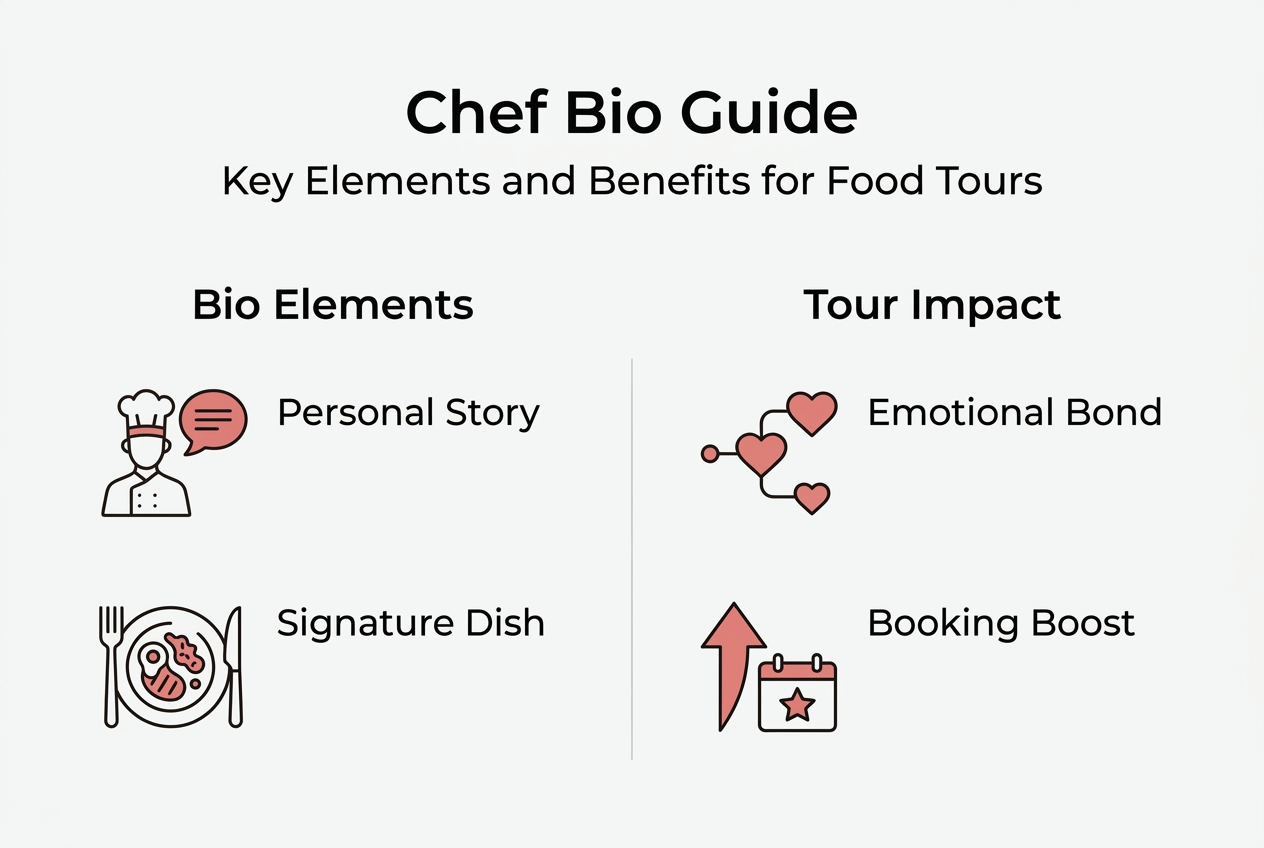
A chef bio is far more than a professional summary. It’s a carefully woven narrative that combines personal background, culinary philosophy, and cultural context to create an emotional bridge between chef and diner. The architecture of an effective chef bio involves a blend of personal narrative, culinary expertise, and cultural insights, designed to resonate with food enthusiasts and culinary tourists. When you read a chef bio before booking a food tour, you’re not just vetting credentials. You’re glimpsing the soul of the experience you’re about to have.
Effective chef bios include several core elements. Personal anecdotes reveal formative moments, like a grandmother’s kitchen in Provence or a bustling market in Mexico City, that shaped the chef’s relationship with food. Culinary philosophy explains their approach to ingredients, techniques, and flavour combinations. Regional culinary traditions anchor the bio in place, connecting dishes to geography, history, and community. These elements transform a simple profile into a compelling invitation to explore culinary heritage explained guide through the chef’s eyes.
Authenticity is the currency that matters most. Food enthusiasts can spot generic bios instantly. They crave stories that feel real, vulnerabilities that humanise the chef, and passions that shine through every sentence. When Chef PJ in Paris shares how her family’s boulangerie inspired her reverence for perfect bread, or when Chef Karl Wilder describes discovering the complexity of mole in a tiny Mexico City kitchen, these moments create trust. You’re not just hiring a guide. You’re connecting with someone whose life story is baked into every bite.
Pro Tip: Look for chef bios that mention specific dishes, ingredients, or techniques tied to their heritage. Vague statements like “passionate about food” mean little, but “learned to hand-roll pasta from my Sicilian nonna every Sunday” tells you exactly what kind of expertise and authenticity you’ll encounter.
How regional cuisine and cultural heritage enrich chef bios
Regional and cultural elements aren’t decorative flourishes in chef bios. They’re the foundation that separates forgettable tours from transformative experiences. Empirical data suggests that chef bios highlighting regional cuisine and cultural heritage significantly enhance the appeal of food tours, attracting a more engaged audience. When chefs root their bios in place, history, and tradition, they’re offering something no generic tour can replicate: insider access to the stories that make food meaningful.
Incorporating regional culinary heritage effectively requires intention and specificity. Here’s how the best chef bios do it:
- Name specific regional dishes and explain their cultural significance, not just their ingredients.
- Connect personal family traditions to broader community foodways and seasonal celebrations.
- Highlight relationships with local producers, farmers, and artisans who supply ingredients.
- Describe how historical events, migration patterns, or geographical features shaped local cuisine.
- Share how they’ve adapted traditional techniques for modern palates whilst honouring origins.
The impact of cultural storytelling shows up in hard numbers. A Vancouver food tour company updated their chef bios to emphasise indigenous ingredients and family immigration stories. The results were striking:
| Metric | Before Cultural Update | After Cultural Update | Change |
|---|---|---|---|
| Tour bookings per month | 45 | 61 | +35% |
| Average page time on bio | 1.2 minutes | 2.8 minutes | +133% |
| Repeat customer rate | 18% | 29% | +61% |
Cultural storytelling creates emotional connections that transcend the transactional nature of booking a tour. When you read about Chef Crestani’s childhood in Seville, watching his mother prepare gazpacho with tomatoes from their garden, you’re not just learning about Spanish cuisine. You’re invited into a memory, a tradition, a way of life. This emotional resonance is precisely what drives food tourism impact on local cultures and helps travellers understand how breaking cultural barriers through food tourism creates meaningful exchanges.
Pro Tip: The most compelling chef bios balance pride in tradition with curiosity about evolution. Look for chefs who honour their heritage whilst also experimenting, adapting, and keeping regional cuisines vibrant and relevant.
The power of storytelling and visuals in chef bios
Storytelling transforms chef bios from informational to inspirational. Personal anecdotes create intimacy and trust between chefs and potential guests in ways that credentials alone never could. The use of storytelling in chef bios can significantly enhance engagement and create a more personal connection with the audience. When Chef Karl Wilder shares the moment he first tasted authentic Berliner currywurst from a street vendor at 2am after a concert, that story does more than describe a dish. It conveys passion, spontaneity, and the kind of insider knowledge you want in a guide.
The best chef bio stories share common characteristics:
- They reveal formative experiences that shaped the chef’s culinary perspective and values.
- They include sensory details that make readers taste, smell, and feel the moment.
- They demonstrate vulnerability, showing failures, surprises, or moments of humility alongside successes.
- They connect personal journeys to larger themes of culture, community, and culinary tradition.
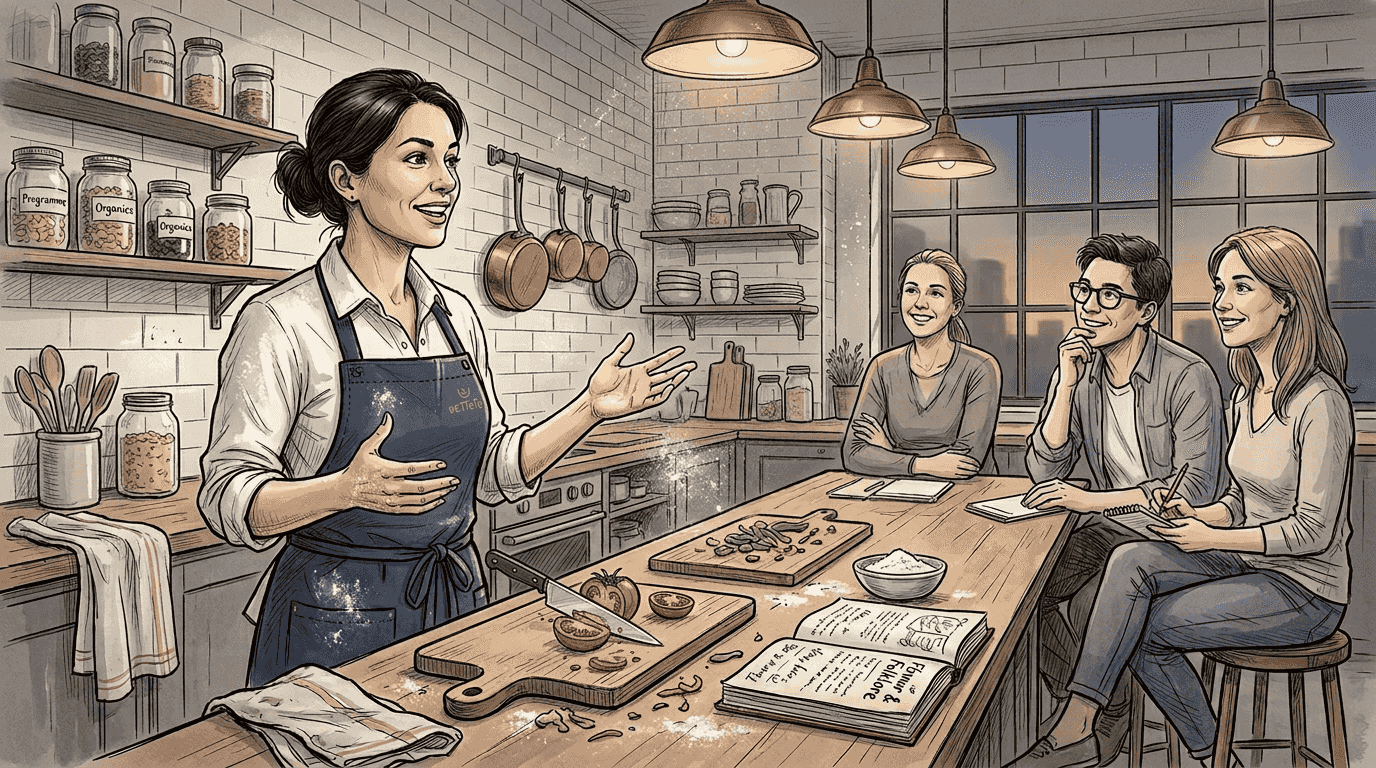
Visual elements amplify storytelling impact dramatically. Visual elements such as photos and videos significantly enhance chef bio engagement. A well-chosen photo of the chef laughing with a fishmonger at a morning market, or a short video showing them preparing a signature dish whilst explaining its history, creates immediate connection. These visuals prove authenticity in ways words cannot. You see the flour on their hands, the joy in their face, the real environments where they work.
“After adding personal stories and professional kitchen videos to our chef bios, we saw a 42% increase in tour bookings and visitors spent an average of 3.1 minutes engaging with bio content, up from just 58 seconds. The storytelling and visuals transformed how potential guests perceived our tours, shifting from transactional bookings to emotional connections before they even arrived.” Vancouver Food Tour Company, 2025 Case Study
The combination of narrative and visual media creates a multi-sensory preview of the experience. When you can see Chef PJ selecting cheese at a Parisian fromagerie whilst reading about how her family’s dairy farm in Normandy taught her to evaluate quality, you’re already participating in the tour mentally. This preview builds anticipation, trust, and commitment. Understanding the chef-led food tours difference becomes visceral rather than abstract.
Crafting your own chef bio: tips and best practices
Whether you’re a chef building your bio or a culinary tourist evaluating them, understanding the craft behind effective bios empowers better connections. A well-crafted chef bio should not only showcase culinary skills but also tell a story that connects the chef’s background and passion with the food they create. The process requires honesty, specificity, and a willingness to share what makes your culinary perspective unique.
For chefs creating bios, follow these steps:
- Begin with a defining moment or memory that sparked your culinary passion, not your current title.
- Weave in specific regional dishes, ingredients, or techniques that anchor your expertise in place.
- Share your culinary philosophy using concrete examples rather than abstract values.
- Include cultural heritage details that explain why certain flavours, methods, or traditions matter to you.
- Close with what you hope guests take away from experiences you lead, beyond just full stomachs.
The difference between effective and ineffective bios becomes clear when compared side by side:
| Element | Ineffective Bio | Effective Bio |
|---|---|---|
| Opening | “Award-winning chef with 15 years experience” | “My grandmother’s kitchen in Seville smelled like saffron and secrets” |
| Cultural detail | “Specialises in Spanish cuisine” | “Learnt to make gazpacho using my family’s 200-year-old recipe” |
| Personal connection | “Passionate about food” | “I still get emotional when I smell orange blossom, it reminds me of home” |
| Call to action | “Book a tour today” | “Let me share the hidden tapas bars where locals actually eat” |
For culinary tourists reading chef bios, look for specific markers of authenticity. Genuine bios mention actual places, real people, and concrete experiences rather than vague generalisations. They balance professional accomplishment with personal warmth. They reveal what the chef cares about beyond accolades. When you’re deciding how to choose a tour, the bio should help you understand not just what you’ll eat, but why it matters to the person guiding you.
Pro Tip: The best chef bios answer three questions naturally: Where does this chef come from? What shaped their relationship with food? Why should I trust them to show me something authentic? If a bio leaves any of these unanswered, it’s likely too generic to predict a truly memorable experience. Seek out bios that define what an authentic food experience defined actually means in practice.
Explore chef-led culinary experiences with The Chef’s Tours
Now that you understand what makes chef bios compelling, you’re ready to experience the difference firsthand. The Chef’s Tours connects you with passionate local chefs whose personal stories and cultural expertise transform food tours into immersive cultural journeys. From Chef PJ’s intimate knowledge of Parisian boulangeries and fromageries to Chef Crestani’s insider access to Seville’s hidden tapas culture, every tour is led by someone whose bio tells a story worth tasting.
Discover curated culinary experiences that go beyond typical tourist routes. Our chef-led food tours in Paris, Seville, Berlin, and Mexico City offer small-group access to secret venues, authentic regional cuisines, and the kind of cultural insights only locals can provide. When you find local chefs who’ve poured their heritage into their bios, you’re not just booking a tour. You’re beginning a relationship with someone who genuinely wants to share their culinary world with you. Explore the culinary experiences to try that match your appetite for authentic connection.
Frequently asked questions
What exactly is a chef bio?
A chef bio is a narrative profile that blends personal background, culinary expertise, and cultural context to introduce a chef to potential guests. Unlike a standard CV, it emphasises storytelling, regional heritage, and the emotional connections that make food meaningful. The best chef bios reveal not just what a chef cooks, but why they cook it and what their food represents culturally.
Why should culinary tourists care about chef bios?
Chef bios create a gateway to understanding the passion, heritage, and expertise behind the food you’ll experience on tours. They help you evaluate authenticity, connect emotionally with guides before you meet them, and choose experiences that align with your interests. Reading bios transforms booking from a transaction into the beginning of a relationship with someone who genuinely wants to share their culinary world.
What are the key elements of an effective chef bio?
Effective bios combine personal stories that reveal formative culinary moments, specific regional dishes and techniques that anchor expertise in place, cultural heritage details that explain traditions, and engaging visuals like photos or videos. The best bios balance professional accomplishment with personal warmth, creating clear storytelling that links the chef’s journey to their food and community. They answer where the chef comes from, what shaped their relationship with food, and why you should trust them.
How do chef bios impact food tour bookings?
Strong, authentic chef bios correlate directly with higher tour bookings and customer engagement. Chef bios emphasising regional cuisine and cultural stories increased bookings by 35% in a Vancouver food tour case study. Highlighting cultural and regional details builds trust and appeal among food travellers, whilst generic bios fail to differentiate experiences. The emotional connection created through storytelling transforms casual browsers into committed guests.
Should chef bios include professional credentials?
Credentials have a place, but they shouldn’t dominate. Mentioning relevant training, awards, or notable restaurant experience adds credibility, but these details work best when woven into personal narratives rather than listed separately. Food enthusiasts care more about a chef’s relationship with regional ingredients and cultural traditions than where they trained. Balance professional achievements with the human stories that make you want to spend an afternoon exploring hidden food markets together.