

Finding authentic food experiences in Berlin can be overwhelming for culinary tourists. Chef-led tours unlock 40% more authentic venues than standard group tours, revealing the hidden depth of Berlin’s culinary scene. The Chef Tours Berlin, led by Chef Karl Wilder, offers small group experiences that connect travellers with local chefs, exclusive venues, and cultural storytelling that transforms a simple tasting into an immersive journey through Berlin’s gastronomic heritage.
Table of Contents
- What Makes A Food Tour Truly Authentic?
- Why Chef Karl Wilder Makes The Tour Exceptional
- Tour Itinerary: Walks, Landmarks And Dining Experience
- Authenticity And Exclusive Venue Access
- Tour Atmosphere: Intimacy And Setting
- Cultural And Culinary Storytelling Depth
- Local Economic Impact And Ethical Tourism
- Common Misconceptions About Food Tours
- Discover The Ultimate Berlin Culinary Experience With The Chef Tours
Key takeaways
| Point | Details |
|---|---|
| Chef expertise | Chef Karl Wilder’s leadership and storytelling create unmatched authenticity and cultural insight. |
| Small groups | Maximum six guests enable intimate, personalised culinary experiences with direct chef interaction. |
| Exclusive access | Hidden venues and off-menu dishes showcase authentic Berlin flavours unavailable to larger tours. |
| Cultural depth | The tour blends history, gastronomy, and personal narratives for deep understanding. |
| Guest satisfaction | Consistently high ratings reflect the immersive, authentic food exploration experience. |
What makes a food tour truly authentic?
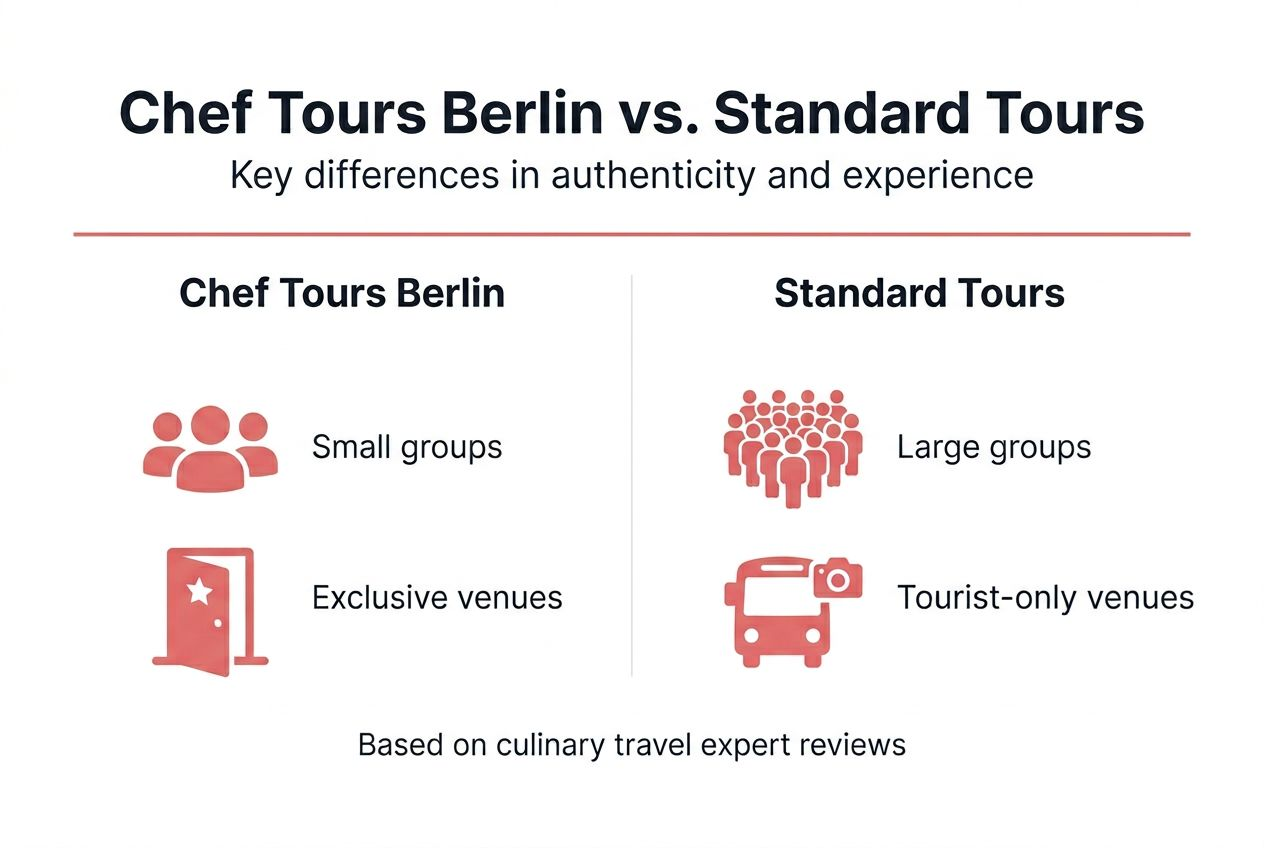
Authenticity in culinary tours goes beyond simply tasting local dishes. It requires chef expertise, small group sizes, exclusive venue access, and cultural storytelling that connects food to history and lifestyle. Standard food tours often focus on mass tourist venues, lacking the personal insights and intimate settings that create genuine immersion.
Chef-led tours provide educational experiences enriched by professional culinary knowledge. These guides share techniques, ingredient sourcing stories, and historical context that standard tours miss. Cultural storytelling binds each dish to Berlin’s evolving identity, from wartime rationing to post-reunification innovation, enhancing appreciation beyond flavour alone.
The demand for authentic, chef-led culinary experiences in major cities continues growing as travellers seek meaningful connections with local food culture. These tours avoid the cookie-cutter approach of large groups herded through popular restaurants, instead offering personalised journeys through hidden culinary gems.
Key elements that define authentic food tours include:
- Professional chef leadership with local culinary background
- Small group sizes enabling personalised attention and questions
- Access to family-owned establishments and artisan producers
- Cultural narratives connecting food to historical and social context
Pro Tip: To spot authentic tours, look for chef leadership, group sizes under eight guests, and itineraries featuring lesser-known neighbourhoods rather than tourist hotspots.
Reviews consistently highlight how chef expertise transforms food tours from surface-level tastings into deep cultural education. This distinction separates memorable experiences from forgettable ones.
Why Chef Karl Wilder makes the tour exceptional
Chef Karl Wilder brings professional culinary training and Berlin roots to every tour, creating a uniquely authoritative yet personal experience. His background in both traditional and contemporary German cuisine allows him to explain not just what guests eat, but why these dishes matter to Berlin’s cultural identity.
Chef Karl’s expertise and storytelling skills weave personal anecdotes with local food history, transforming each stop into a narrative journey. He shares stories about ingredient sourcing, family recipes passed through generations, and how Berlin’s divided past shaped its reunified culinary present. This depth of knowledge comes from lived experience, not scripted tour guide training.
His intimate group leadership style encourages guest interaction and questions throughout the experience. Rather than lecturing, Karl facilitates conversations that allow guests to explore their own curiosities about German gastronomy, creating a collaborative learning environment.
Key aspects of Karl’s leadership include:
- Professional culinary credentials combined with Berlin heritage
- Storytelling that connects dishes to personal and historical narratives
- Encouraging guest participation and answering detailed culinary questions
- Maintaining relationships with local venue owners for exclusive access
“Karl’s passion for Berlin’s food scene was infectious. His stories about growing up in the city and learning traditional recipes from his grandmother made every dish deeply personal. This wasn’t just a food tour; it was an intimate glimpse into Berlin’s soul through the eyes of someone who truly lives and breathes its culinary culture.”
Guests consistently praise Karl’s ability to balance educational depth with entertaining delivery, making complex culinary concepts accessible. His 100% satisfaction rate reflects how his personal touch transforms standard food tourism into memorable cultural immersion. This leadership quality distinguishes The Chef Tours Berlin from competitors relying on generic guides reading from scripts.
Tour itinerary: walks, landmarks and dining experience
The tour structure balances walking exploration with intimate dining, creating a comprehensive Berlin culinary journey. Each segment builds upon the previous, gradually deepening guests’ understanding of the city’s food culture.
The experience includes:
- Guided walk through Friedrichshain exploring Berlin Wall landmarks and their connection to food scarcity and innovation
- Stops at hidden local food venues for exclusive tastings of seasonal specialities
- Interactions with artisan producers and family restaurant owners sharing their craft
- Private four-course dinner in a 1920s East German apartment with carefully selected wine pairings
The small group of maximum six guests ensures personalised attention throughout. Karl adapts the pace and content based on guest interests, answering questions in depth rather than rushing to maintain a rigid schedule. Visitors gain firsthand insights on Berlin’s culinary heritage and modern food innovation through Karl’s narratives during the tour.
The Berlin food tour itinerary carefully balances movement and dining, preventing fatigue while maintaining engagement. Walking between venues allows digestion time and provides context for the neighbourhoods where Berlin’s food culture thrives.
| Tour segment | Location | Key experience | Duration |
|---|---|---|---|
| Neighbourhood walk | Friedrichshain | Berlin Wall history, street food culture | 60 minutes |
| Artisan tastings | Hidden local venues | Seasonal specialities, producer stories | 90 minutes |
| Private dinner | 1920s apartment | Four-course meal, wine pairings | 120 minutes |
| Cultural dialogue | Throughout tour | Chef narratives, guest questions | Continuous |
This structure ensures guests experience both Berlin’s public food culture and its intimate, home-based dining traditions. The private apartment setting for dinner creates a relaxed atmosphere impossible to replicate in commercial restaurants. For travellers seeking deeper engagement, exploring essential travel hacks for Berlin food lovers enhances the overall culinary journey.
Authenticity and exclusive venue access
Chef-led groups access venues and dishes unavailable to standard tours due to Karl’s established relationships with local food artisans and restaurant owners. These partnerships enable off-menu tastings, kitchen visits, and conversations with chefs that larger tours cannot accommodate.
Exclusive, off-menu dishes and seasonal ingredients distinguish the tour’s culinary offerings, showcasing Berlin’s authentic flavours. Family-owned establishments often reserve special preparations for Karl’s groups, recognising the value of educated, appreciative guests who understand the craft behind each dish.
These partnerships extend beyond restaurants to include artisan bakers, butchers, and specialty food producers who open their workshops for intimate demonstrations. Guests witness traditional techniques firsthand, connecting abstract concepts about German food culture to tangible, sensory experiences.
| Feature | Chef-led tour | Standard food tour |
|---|---|---|
| Venue access | 40% more authentic venues, exclusive tastings | Popular tourist restaurants only |
| Dishes offered | Off-menu, seasonal specialities | Standard menu items |
| Group size | Maximum 6 guests | 15-30 guests typical |
| Exclusivity | Private dining, direct producer interaction | Shared spaces, minimal interaction |
The focus on local dishes reflects Karl’s commitment to showcasing Berlin’s genuine culinary identity rather than sanitised versions created for tourist palates. Seasonal sourcing ensures guests taste ingredients at peak flavour, whilst supporting sustainable local agriculture.
Pro Tip: Ask the chef about ingredient sourcing and preparation techniques to deepen your understanding. Karl welcomes detailed questions and often shares recipes or cooking tips guests can recreate at home.
This exclusive access allows guests to discover culinary gems that even many Berlin residents don’t know exist. The combination of Karl’s expertise and venue partnerships creates experiences impossible to replicate through independent exploration or larger commercial tours.
Tour atmosphere: intimacy and setting
The private four-course dinner takes place in a 1920s East German apartment, creating an intimate, home-like atmosphere that distinguishes this tour from restaurant-based experiences. The relaxed home atmosphere fosters personal connection and meaningful conversations among guests and the chef.
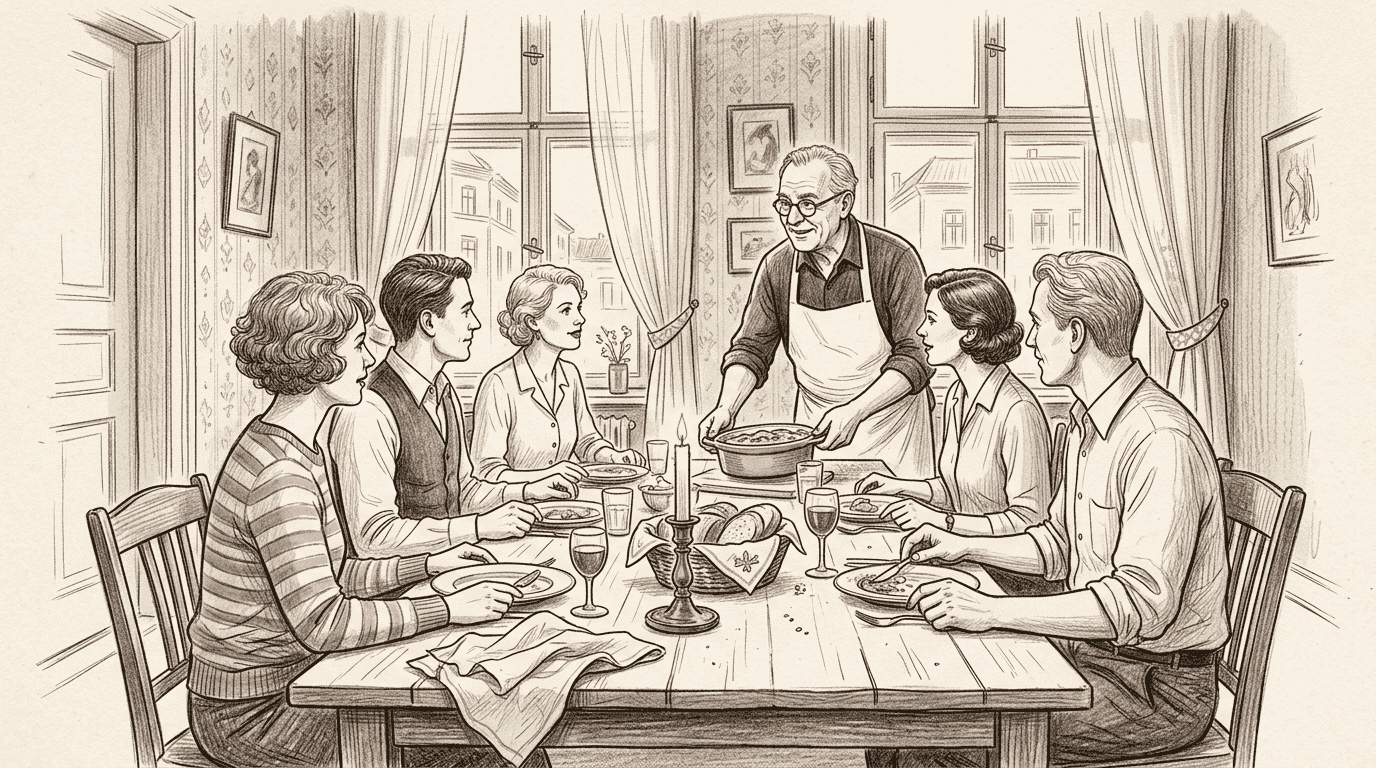
This residential setting removes the commercial formality of restaurants, allowing guests to relax as though dining with friends. The apartment itself serves as a historical artefact, with period furnishings and layout illustrating how Berliners lived and cooked in the early 20th century. This context enriches understanding of traditional dishes prepared in the same type of kitchen where they originated.
The maximum six guests policy ensures everyone can engage directly with Karl throughout the evening. Conversations flow naturally across the dinner table, with guests sharing their own food experiences whilst learning about Berlin’s culinary traditions. This collaborative atmosphere encourages questions and discussions that larger groups cannot accommodate.
Benefits of the intimate setting include:
- Personalised attention from Chef Karl throughout the experience
- Relaxed, conversational atmosphere encouraging meaningful dialogue
- Unique historical venue adding cultural context to the meal
- Small group size avoiding overwhelming, touristy environments
- Direct interaction with the chef during food preparation and service
The Berlin food tours setting prioritises quality over quantity, recognising that genuine culinary understanding requires time and focused attention. Rather than rushing through multiple venues to maximise the number of tastings, the tour allows guests to savour each dish whilst absorbing its cultural significance.
This intimate approach creates space for spontaneous moments that structured, large-group tours cannot facilitate. Guests often form connections with fellow food enthusiasts, sharing recommendations and continuing conversations long after the tour concludes.
Cultural and culinary storytelling depth
Chef Karl integrates Berlin’s complex culinary history throughout the tour, connecting dishes to broader social and political developments. Visitors gain firsthand insights on Berlin’s culinary heritage and modern food innovation through Karl’s narratives during the tour.
His storytelling covers multiple historical periods, illustrating how Berlin’s divided past and reunification shaped contemporary food culture. Wartime scarcity led to creative preservation techniques still used today. Post-reunification brought East and West culinary traditions into dialogue, creating fusion dishes that reflect Berlin’s ongoing cultural integration.
Karl shares personal anecdotes connecting his own family’s food traditions to broader Berlin history. These stories humanise abstract historical concepts, making them relatable through the universal language of food. He explains not just what dishes are, but why they matter to Berliners’ sense of identity and community.
Key narrative themes include:
- Wartime foods and preservation techniques born from necessity
- Post-reunification culinary exchange between East and West Berlin
- Modern fusion trends reflecting Berlin’s multicultural present
- Traditional recipes passed through generations of Berlin families
- How immigrant communities enriched Berlin’s food diversity
This educational approach reinforces guests’ connection to Berlin’s gastronomy beyond superficial tourism. Understanding the context behind each dish transforms passive consumption into active cultural engagement. Guests leave not just satisfied, but genuinely knowledgeable about Berlin’s culinary evolution.
The Berlin food tour storytelling serves as a model for how food tourism can educate whilst entertaining. Karl’s ability to weave complex historical narratives into accessible, engaging stories demonstrates the value of chef-led experiences over scripted tours. This depth of culinary heritage knowledge creates lasting impressions that guests carry far beyond their Berlin visit.
Local economic impact and ethical tourism
The Chef Tours Berlin channels tourism revenue directly to family-owned businesses and independent food artisans, supporting Berlin’s local culinary ecosystem. Up to 20% of tourism spending through chef-led tours benefits small local establishments rather than large commercial chains.
This economic model strengthens community food traditions by providing sustainable income for artisans maintaining traditional techniques. Family bakeries, butchers, and specialty food producers gain exposure to appreciative audiences who understand the value of their craft, creating long-term business relationships beyond single transactions.
The tour’s focus on sustainability extends to ingredient sourcing and waste minimisation. Seasonal menus reduce transportation impacts whilst ensuring peak flavour. Small group sizes prevent the resource strain that large tours place on local venues, allowing businesses to maintain quality standards.
Ethical tourism practices include:
- Supporting family-owned businesses and independent food artisans
- Minimising waste through seasonal, locally sourced ingredients
- Respecting cultural traditions and venue capacities
- Educating guests about sustainable food systems
- Building long-term partnerships rather than transactional relationships
This approach recognises that authentic culinary tourism must benefit local communities, not just extract experiences for visitor consumption. By prioritising culinary tradition and sustainable practices, The Chef Tours Berlin models responsible food tourism.
Guests often report increased awareness of sustainable dining practices after the tour, taking these lessons home to inform their own food choices. This educational impact extends the tour’s positive influence beyond Berlin, contributing to broader conversations about ethical food consumption. Understanding culinary heritage through this lens transforms tourism into cultural exchange rather than one-way consumption.
Common misconceptions about food tours
Many culinary tourists assume all food tours follow the same generic formula, leading them to dismiss the entire category as tourist traps. This misconception prevents travellers from discovering genuinely transformative experiences like The Chef Tours Berlin.
Myth: All food tours involve large groups visiting common tourist restaurants. Fact: Chef-led tours provide intimate, small group experiences accessing exclusive venues and off-menu dishes unavailable to standard tours. The difference lies in leadership quality and established local relationships.
Myth: Food tours offer only surface-level tastings without cultural context. Fact: Professional chef guides integrate historical narratives, culinary techniques, and personal stories that connect food to broader cultural identity. This educational depth transforms tastings into immersive learning experiences.
Myth: Food tours represent poor value compared to independent dining. Fact: The combination of exclusive access, expert guidance, and curated venue selection provides experiences impossible to replicate independently. Time savings and cultural insights justify the investment for serious food enthusiasts.
Key distinctions clarifying chef-led food tours include:
- Professional culinary expertise versus scripted tour guide information
- Small groups enabling personalised attention versus large commercial tours
- Exclusive venue access versus public restaurants anyone can visit
- Cultural storytelling depth versus superficial historical facts
- Relationship-based experiences versus transactional tourism
These misconceptions often stem from bad experiences with low-quality tours operated by companies prioritising profit over authenticity. Discerning travellers should evaluate tours based on guide credentials, group size, venue exclusivity, and guest reviews emphasising educational value rather than just quantity of food.
Understanding these distinctions helps culinary tourists make informed decisions, recognising that not all food tours are created equal. The Chef Tours Berlin represents the gold standard of what chef-led culinary experiences can achieve when executed with genuine passion and expertise.
Discover the ultimate Berlin culinary experience with The Chef Tours
Ready to explore authentic Berlin food culture through the eyes of a local chef? The Chef Tours Berlin offers the intimate, expert-led experience you’ve been searching for, connecting you with hidden culinary gems and cultural insights unavailable through standard tourism.
Chef Karl Wilder’s leadership ensures every tour delivers unmatched authenticity and personalised attention. With easy online booking and limited availability due to small group sizes, securing your spot well in advance is essential. Beyond Berlin, explore how chef-led food tours differ from conventional experiences, or discover other culinary experiences to try during your travels. Transform your 2026 Berlin visit into an unforgettable gastronomic journey that deepens your connection with the city’s rich culinary heritage.
Frequently asked questions
What sets The Chef Tours Berlin apart from other food tours?
Chef Karl Wilder’s professional culinary background and Berlin heritage create unmatched authenticity through personal storytelling and cultural insights. The combination of small groups, exclusive venue access, and deep historical narratives transforms standard food tourism into immersive cultural education unavailable on generic tours.
How do small group sizes enhance the Berlin food tour experience?
Maximum six guests enable personalised attention from Chef Karl throughout the entire experience, fostering relaxed conversations and direct interaction. Small groups access exclusive venues and off-menu dishes that larger tours cannot accommodate, whilst creating an intimate atmosphere where meaningful connections form naturally.
What kind of food and venues can I expect on the tour?
Seasonal, locally sourced ingredients feature in a private four-course dinner served in a 1920s East German apartment. Guests visit hidden, family-owned restaurants and artisan food producers, tasting exclusive preparations unavailable to the general public whilst learning traditional techniques directly from Berlin’s culinary artisans.
When is the best time to book The Chef Tours Berlin to guarantee a spot?
Summer months represent the main tour period with extremely limited availability due to the six-person maximum. Booking several weeks or months in advance is essential to secure your preferred date, as tours frequently sell out quickly given the intimate group size and high demand from culinary tourists.