

TL;DR:
- Immersive culinary travel involves understanding the cultural and social context behind regional dishes.
- Planning requires choosing seasons wisely, selecting trusted guides, and avoiding tourist-heavy areas.
- Authentic experiences prioritize local sourcing, community impact, and respectful engagement over fame or price.
Food travel promises so much: vibrant markets, secret neighbourhood restaurants, meals that feel like a window into a city’s soul. Yet so many travellers return home having eaten in the same tourist-facing spots that could exist anywhere. The gap between expectation and reality is real, and it is almost always caused by the same thing: choosing the wrong kind of experience. Chef-led culinary travel in cities like Paris, Mexico City, and Bangkok connects you with regional cuisine through local guides who know where the stories actually live. This article walks you through exactly how to plan a journey that delivers genuine immersion, not a polished imitation of it.
Table of Contents
- What makes culinary travel immersive?
- How to plan your chef-led culinary journey
- Common pitfalls and how to avoid them
- Evaluating authenticity and ethics in culinary travel
- Why culinary travel is about more than food
- Begin your own chef-led culinary adventure
- Frequently asked questions
Key Takeaways
| Point | Details |
|---|---|
| Book chef-led experiences | Prioritise tours and classes guided by local chefs for deeper cultural and culinary insight. |
| Research thoroughly | Use trusted sources and verify credentials, dietary options, and group size before booking. |
| Value community over prestige | Seek experiences that empower local communities and avoid those focused solely on status or reviews. |
| Mix structure with spontaneity | Allow time for unplanned discoveries as well as well-curated schedules for richer adventures. |
What makes culinary travel immersive?
Immersive culinary travel is not about eating at the most famous restaurant in town. It is about understanding why a dish exists, who makes it, and what it means to the people who grew up eating it. That kind of depth only comes with the right guide.
At its core, chef-led tour benefits centre on access. A local chef does not just point you towards a bowl of food; they translate the cultural logic behind it. They know the market vendor who has been selling the same spice blend for thirty years. They know which street stall the city’s professional cooks visit after a long shift. That is knowledge you cannot find on a review site.
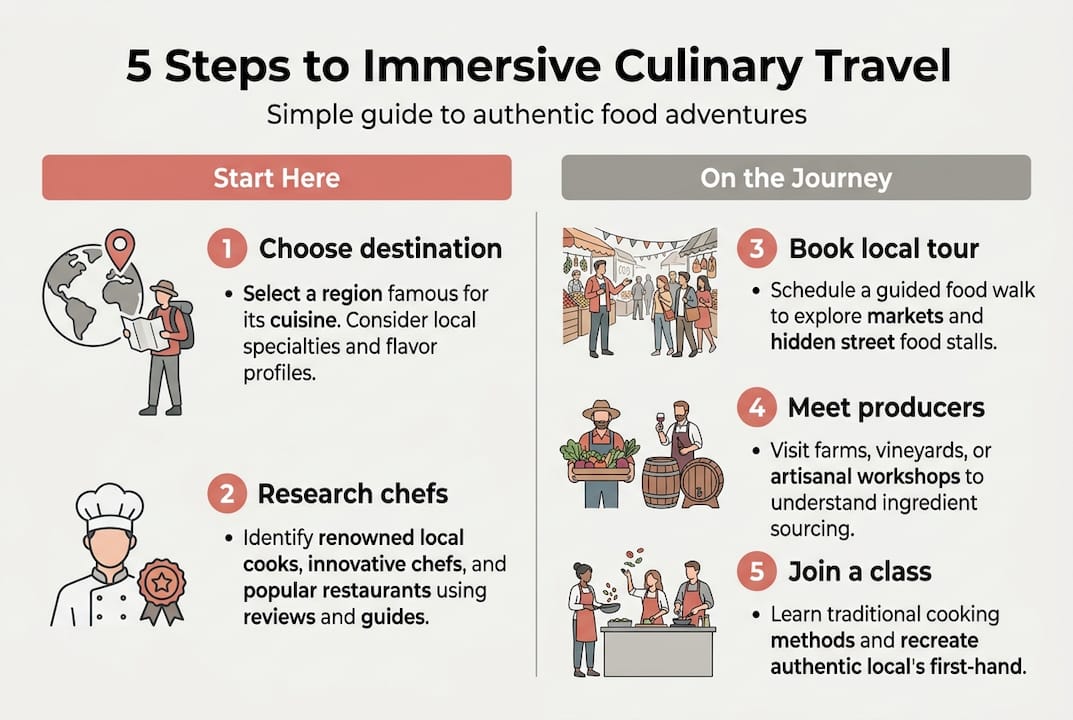
The step-by-step chef tours model typically combines several elements:
- Market visits where you handle produce, ask questions, and understand seasonal rhythms
- Chef-curated restaurant stops away from tourist corridors
- Cooking classes that teach technique and cultural context together
- Walking routes through neighbourhoods that tell a city’s social history through its food
Consider the contrast. A standard group tour in Paris might take you past a famous patisserie for a photo. A chef-led tour with Chef PJ takes you inside the working rhythms of a Parisian food market, where you learn why certain cheeses are only available in autumn and why a boulanger’s hours shape the entire neighbourhood’s morning routine.
In Mexico City, street food classes led by local chefs reveal the pre-colonial roots of dishes that tourists often consume without context. In Bangkok, a chef walk through a wet market exposes you to ingredients that never appear on English-language menus. Taipei chef recommendations follow the same principle: local expertise unlocks a city’s edible identity in ways no guidebook can replicate.
“The best culinary travel experiences are not about consumption. They are about conversation. Every dish is an invitation to understand a place on its own terms.”
The difference, in short, is context. Food without context is just a meal. Food with context is a memory.
How to plan your chef-led culinary journey
Planning an immersive culinary trip requires a bit more thought than booking a standard holiday, but the rewards are proportional to the effort. Here is a practical sequence to follow.
- Choose your city and season carefully. Seasonal produce shapes what is genuinely worth eating. Visiting Paris in autumn means access to wild mushrooms and game. Mexico City in spring offers different street food rhythms than summer. Research what is in season before you book.
- Use credible sources to shortlist chefs. Eater’s city guides and Michelin’s regional selections are strong starting points. Paris chef picks from trusted critics give you a sense of who the culinary community respects locally.
- Book small-group or private chef-led tours. Large groups dilute the experience. A private or small-group format means your guide can adapt the route to your interests and pace.
- Apply the five-block rule. Authentic culinary culture is almost always found at least five blocks away from a city’s main attractions. The closer you are to a landmark, the more the food is designed for visitors rather than residents.
- Verify dietary needs in advance. Most reputable tours accommodate vegetarian, gluten-free, and allergy requirements, but confirm this before booking rather than on the day.
- Add a hands-on element. A cooking class or market visit transforms passive observation into active learning. It also gives you skills and recipes to bring home.
Pro Tip: When researching tours, ask the operator directly: “Where do local chefs eat on their days off?” If they answer without hesitation and the places are unfamiliar to you, that is a strong signal of real insider access.
| Experience type | Best for | Typical group size |
|---|---|---|
| Private chef tour | Couples, families, bespoke itineraries | 2 to 6 people |
| Small-group walking tour | Solo travellers, social experiences | 6 to 12 people |
| Cooking class | Hands-on learners, skill building | 4 to 10 people |
| Market visit with chef | Ingredient-focused discovery | 2 to 8 people |
The chef benefits explained model works because it removes guesswork. You are not hoping a restaurant is good. You are following someone who already knows it is, and who can explain precisely why.
Common pitfalls and how to avoid them
Even well-intentioned food travellers make avoidable mistakes. Knowing what they are in advance saves you time, money, and disappointment.
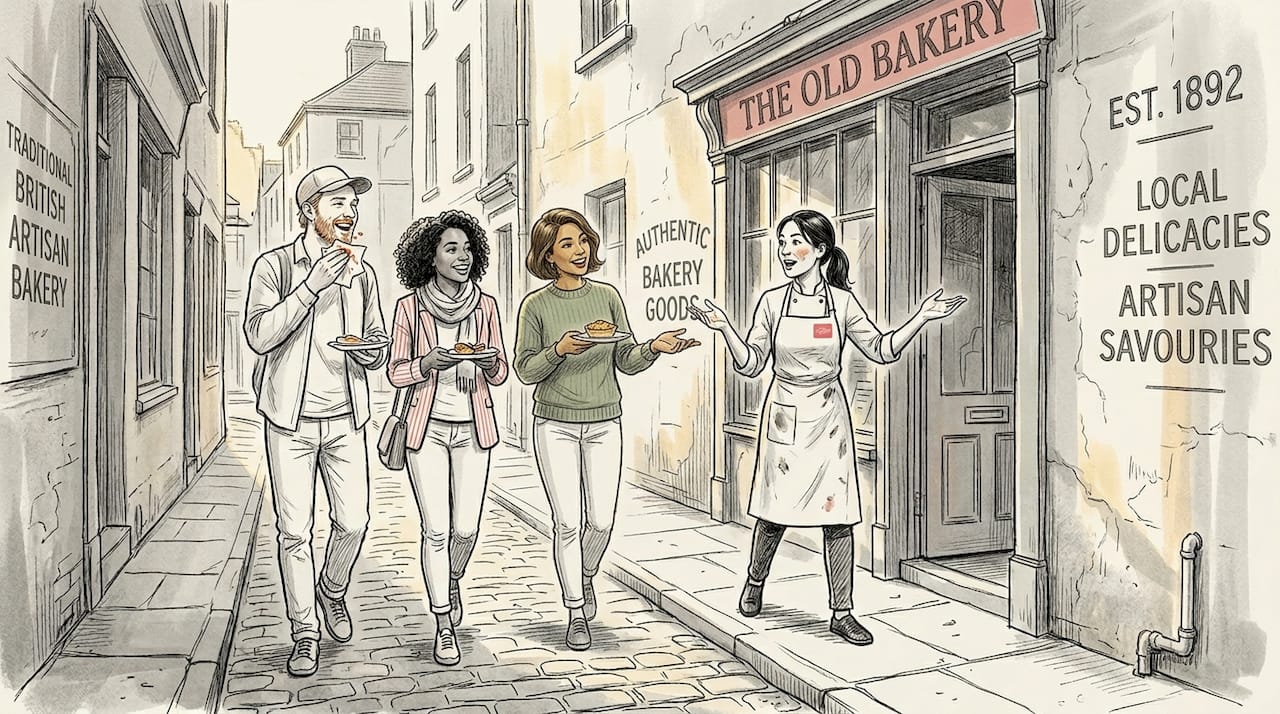
Relying solely on generic review platforms is the most common error. Platforms like TripAdvisor surface popular venues, not necessarily authentic ones. Popularity in tourist-heavy cities often correlates with marketing budget, not quality. Use specialist sources and local recommendations to cross-reference.
Here are the most frequent pitfalls and their solutions:
- Booking tours near major attractions. The food within two blocks of the Eiffel Tower or the Zócalo in Mexico City is almost entirely tourist-facing. Seek unique food experiences that are rooted in residential neighbourhoods.
- Ignoring cultural etiquette. In some cities, photographing food before eating is considered rude. In others, refusing a dish is an insult. A good chef guide will brief you, but do your own reading beforehand.
- Over-scheduling. Packing six food stops into three hours leaves no room for spontaneous discovery. Some of the best culinary moments happen when you slow down and follow your nose.
- Skipping the market. Markets are the engine rooms of a city’s food culture. Missing them means missing the source.
Pro Tip: Download a local food app or neighbourhood guide before you travel. Apps built for residents, not tourists, surface the kind of spots that rarely appear in international press.
“Cultural framing affects appreciation profoundly. A dish eaten without context can seem unremarkable. The same dish, understood through its history, becomes extraordinary.”
Balance is also important. A structured itinerary gives you a framework, but leaving two or three hours each day unplanned creates space for the unexpected. The best food travel stories almost always begin with “we got a bit lost and found this place.”
Respect for chefs’ cultural perspectives matters too. What reads as subtle or refined to a Western palate may register as bland to a chef trained in bolder flavour traditions. Approach each cuisine on its own terms rather than comparing it to what you already know.
Evaluating authenticity and ethics in culinary travel
Not all chef-led experiences are created equal, and authenticity is not simply a matter of location or price. It requires some critical thinking on your part.
Start by asking about sourcing. Does the tour operator work with local producers and family-run businesses, or do they route groups through venues that pay a commission? Community-driven tours tend to circulate money within the neighbourhood rather than extracting it. That distinction matters both ethically and experientially.
| Tour type | Community impact | Authenticity level | Typical price range |
|---|---|---|---|
| Community-led local tour | High | Very high | Moderate |
| Prestige chef experience | Variable | Mixed | High to very high |
| Large commercial group tour | Low | Low to moderate | Low to moderate |
| Private bespoke chef tour | High | Very high | High |
The fine dining world has faced serious scrutiny in recent years. Ethical concerns in high-end kitchens have prompted travellers to question whether prestige automatically signals quality or integrity. The answer, increasingly, is no. Excellence and exploitation can coexist, and the fine dining debates now extend well beyond restaurant walls into the experiences built around them.
When evaluating a tour, look for these indicators of genuine integrity:
- Transparent sourcing: the guide can name the producers they work with
- Fair treatment of staff: small teams, local employment, fair wages
- Community reinvestment: partnerships with local markets and independent businesses
- Chef as guide, not celebrity: the chef as guide perspective prioritises your learning over their profile
Authenticity is not a fixed quality. It is a relationship between a place, its people, and a traveller willing to engage honestly. The best tours facilitate that relationship rather than performing it.
Why culinary travel is about more than food
Here is something we have noticed after years of running chef-led tours in Paris, Seville, Berlin, and Mexico City: the meals that travellers remember most are rarely the most technically impressive ones. They are the ones where something human happened.
A conversation with a market stallholder who explained why her grandmother’s recipe used a particular variety of dried chilli. A shared table with strangers in a Seville tapas bar where nobody spoke the same language but everyone understood the food. These moments are not on any itinerary. They emerge from genuine engagement.
Immersive culinary travel, done well, is an act of respect. You are meeting a community on its own terms, not consuming a curated version of it. The authentic culinary stories that stay with you are the ones where you brought curiosity and humility rather than a checklist.
Ratings, rankings, and accolades have their place. But the most transformative food experiences we have witnessed happen when a traveller sets aside the need to validate their choices and simply pays attention. That is when culinary travel becomes something closer to genuine connection.
Begin your own chef-led culinary adventure
If this article has done its job, you are already thinking about which city you want to explore first. The good news is that the hard work of finding trustworthy, deeply knowledgeable guides has already been done for you.
At The Chef Tours, we connect food lovers with exceptional local chefs across Paris, Seville, Berlin, and Mexico City. Whether you want to explore culinary experiences abroad with a small group or arrange a private bespoke journey, our tours are built around genuine insider knowledge. Discover what makes chef-led tours different from everything else on the market, or browse our full range of Paris and beyond food tours to find the experience that fits your appetite.
Frequently asked questions
What is immersive culinary travel?
Immersive culinary travel means experiencing a region’s food culture through chef-led tours, market visits, and hands-on cooking, going well beyond tourist restaurants to access authentic regional stories and flavours.
How do I find authentic chef-led food tours?
Look for small-group or private tours with local chef guides, use trusted sources like Eater and Michelin, and avoid tourist areas by applying the five-block rule when researching locations.
Can chef-led tours accommodate dietary requirements?
Most reputable chef-led tours offer vegetarian and allergy-friendly options, but always confirm dietary needs directly with the operator before booking to avoid surprises on the day.
Are chef-led travel experiences ethical?
Ethics vary significantly; community-led tours that support local producers and employ fair practices are generally more responsible than prestige-focused experiences, so research the operator’s sourcing and staffing approach before committing.
Recommended
- Planning a Culinary Vacation for Authentic Food Experiences
- Top culinary travel tips for immersive food adventures
- How to Customise Culinary Experiences Like an Expert
- Step by Step Gourmet Tour: Create Your Ultimate Tasting Journey
- Disney dining 2026: Planen und genießen im Disneyland Paris – 2000-reisen